Myths & Facts

Hormones and Hair Loss: Myths, Facts and How to Think About Them

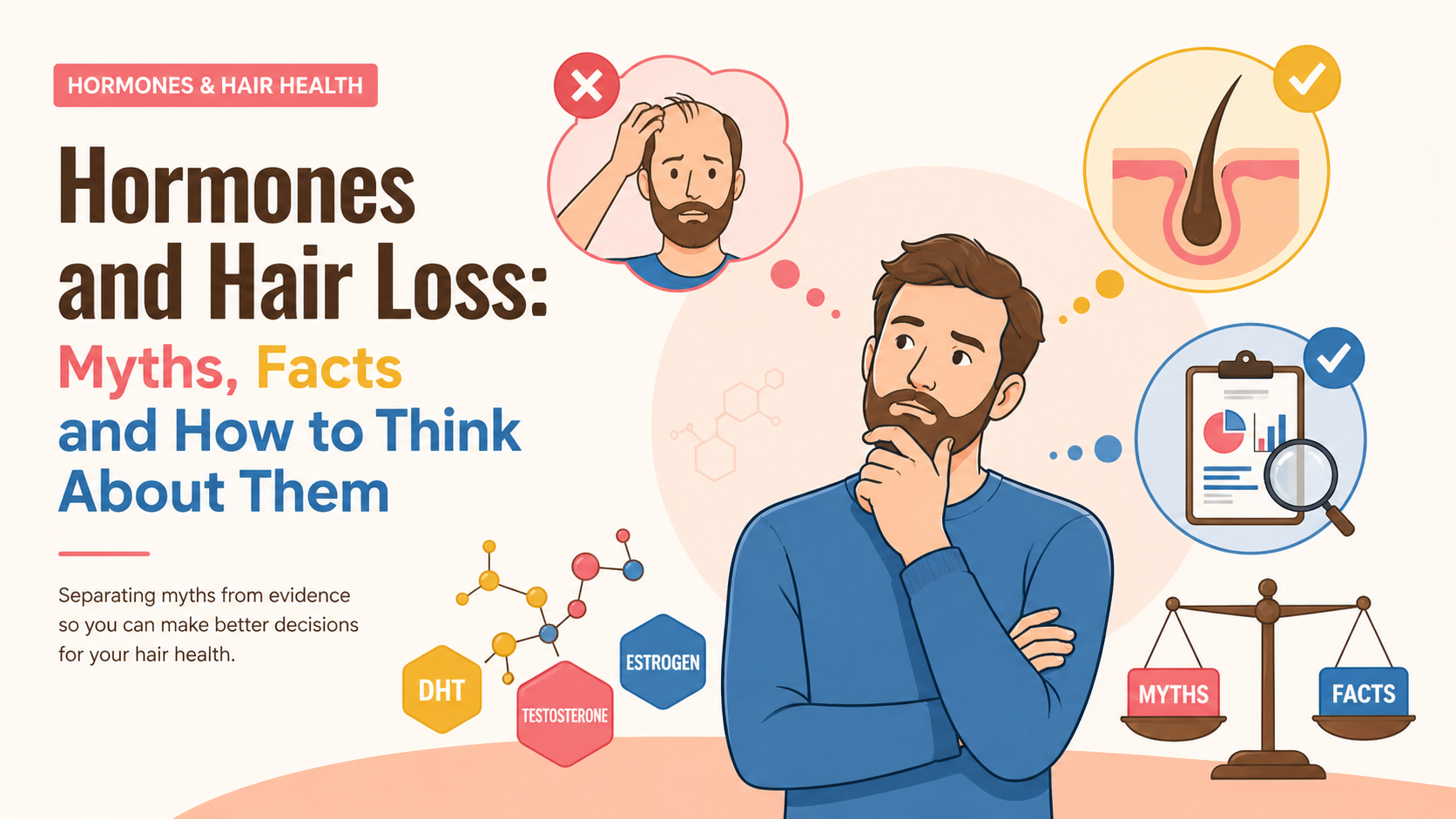
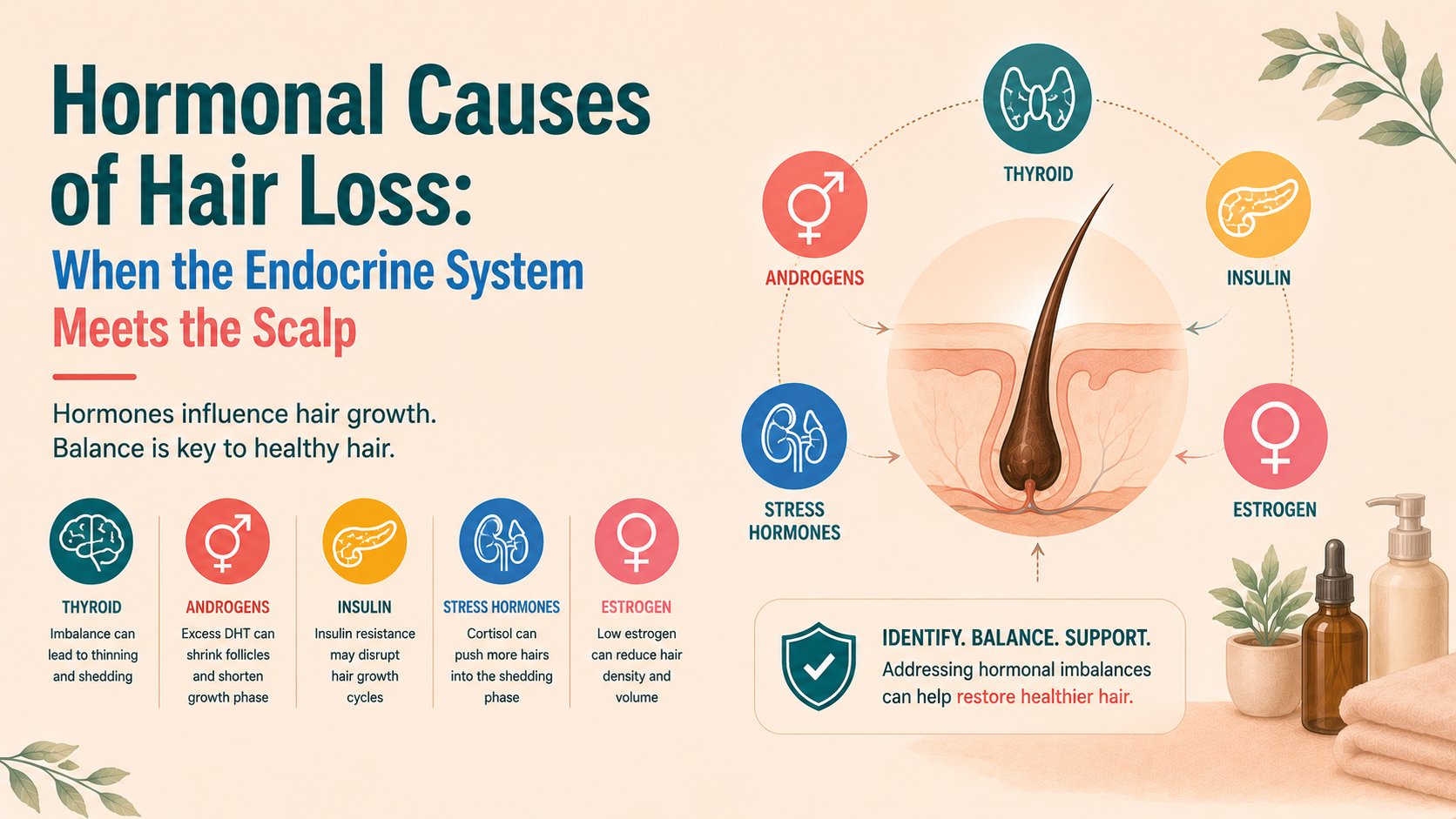
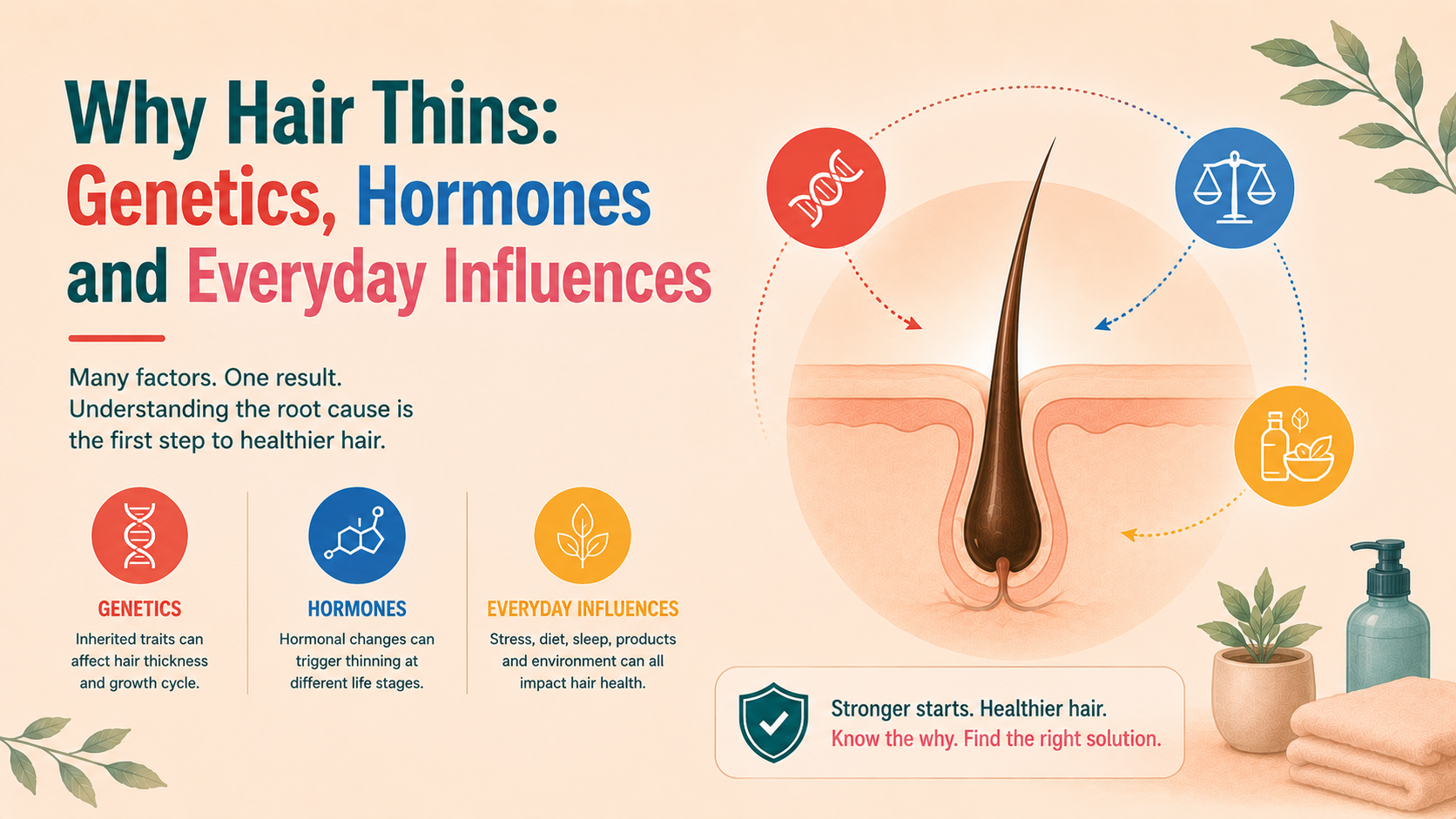
Hormones are central to certain forms of hair loss, particularly androgenetic alopecia and thyroid-related shedding. That does not mean every hair problem is hormonal, nor that a normal blood test rules out hormone involvement. This article reviews common hormone-related myths about hair loss and summarises what current evidence actually supports.

[headshot]
Dr. Harry M Griffiths
Article Summary

1. All hair loss is hormonal

Myth in short

It is common to hear that hair loss is “just hormones”, implying that the same endocrine problem causes all types of hair loss.

What the evidence shows

Hormones are crucial in some, but not all, alopecias:

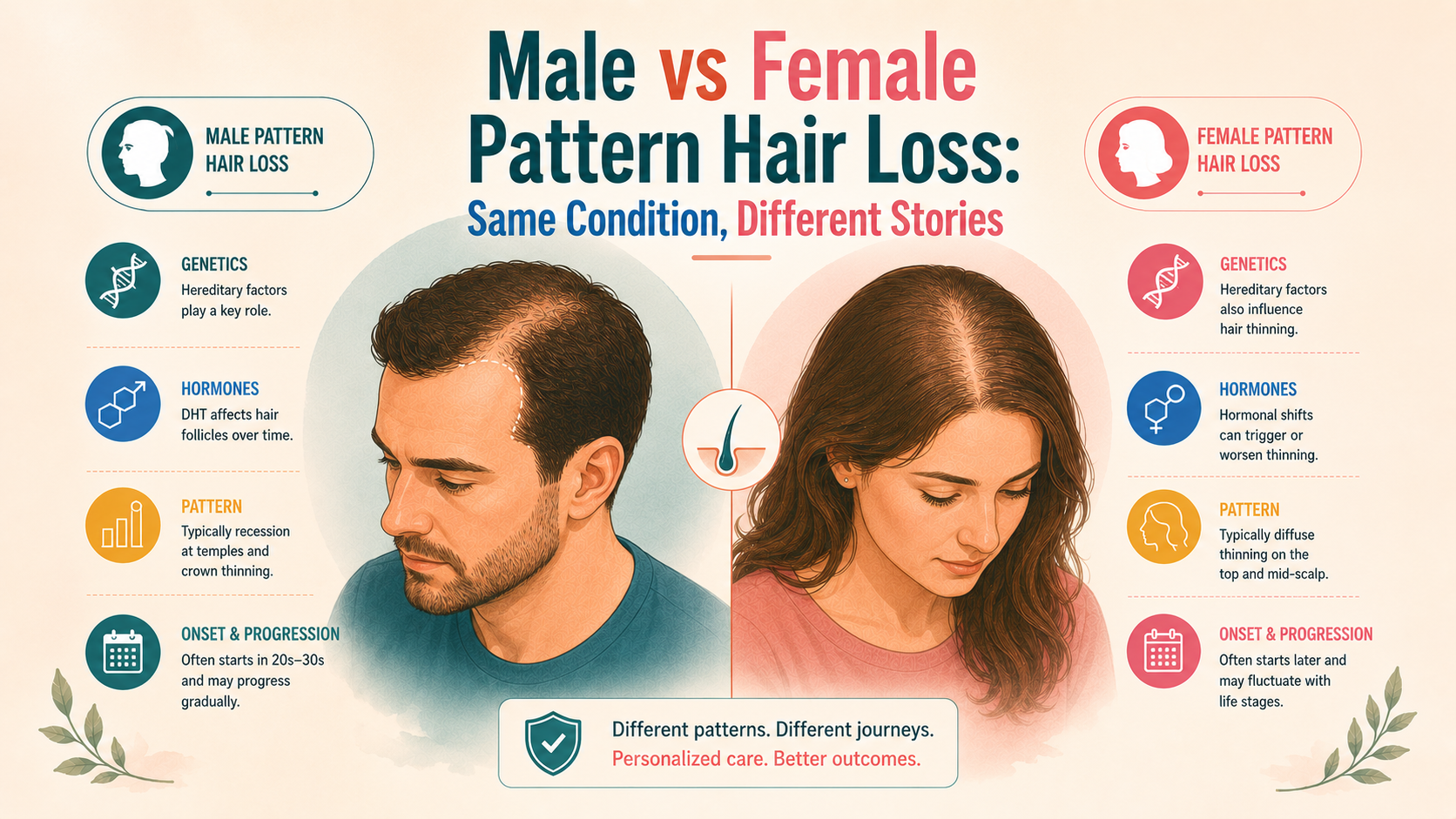
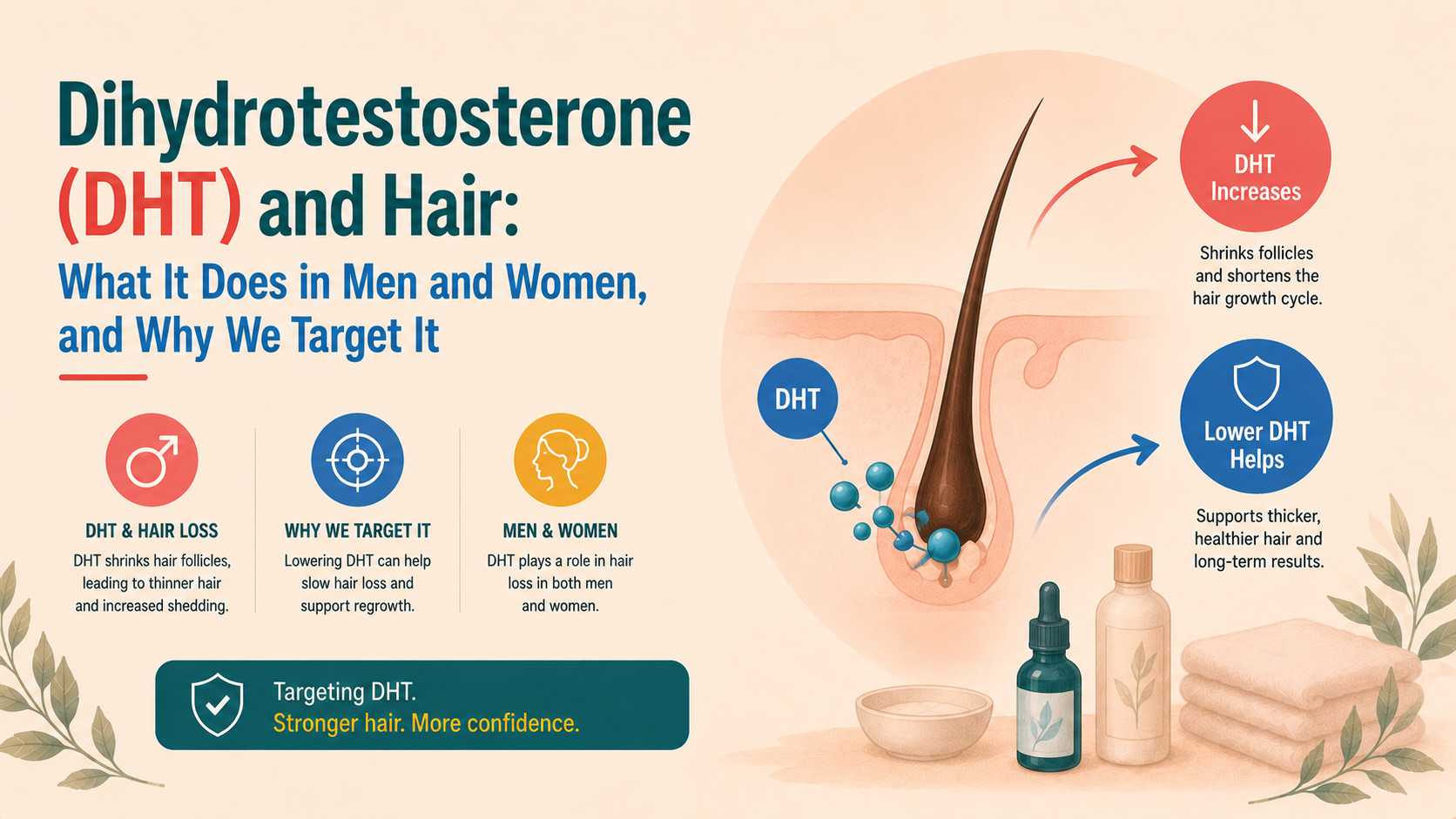
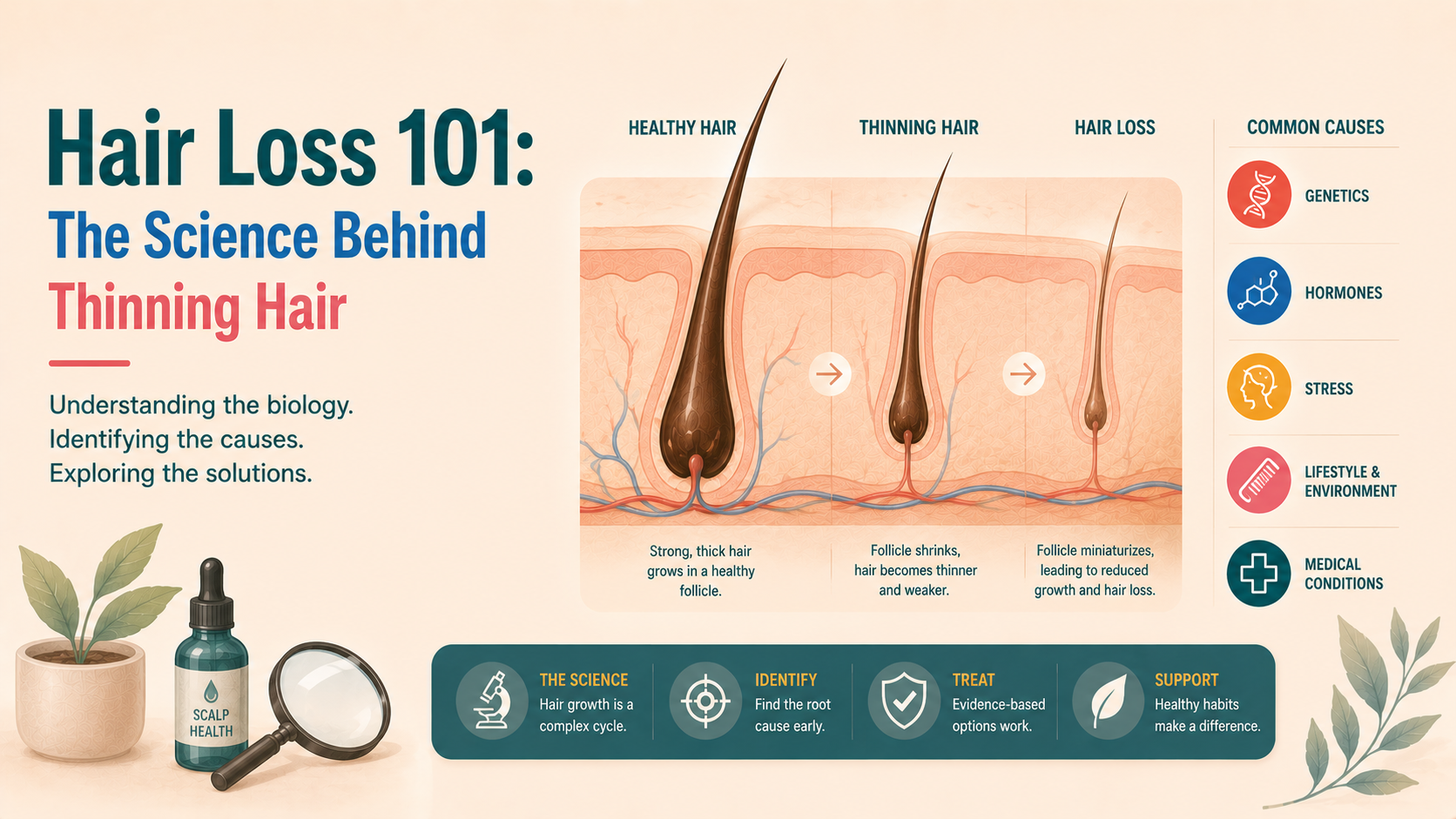
  • Androgenetic alopecia (AGA) and Female pattern hair loss (FPHL) are clearly androgen-dependent. In susceptible scalp areas, follicles show increased 5𝝰-reductase, higher local DHT and more androgen receptors than in non-balding regions. This androgenic milieu drives progressive miniaturisation.
  • Thyroid hormones influence the hair cycle. Both long-standing hypothyroidism and hyperthyroidism can increase the telogen:anagen ratio and cause diffuse shedding. Hair typically improves after treatment of the thyroid disorder, though this may take months.
  • Hyperandrogenic states (e.g. PCOS, adrenal hyperplasia, androgen-secreting tumours) can accelerate FPHL and cause androgenic symptoms such as hirsutism and acne.

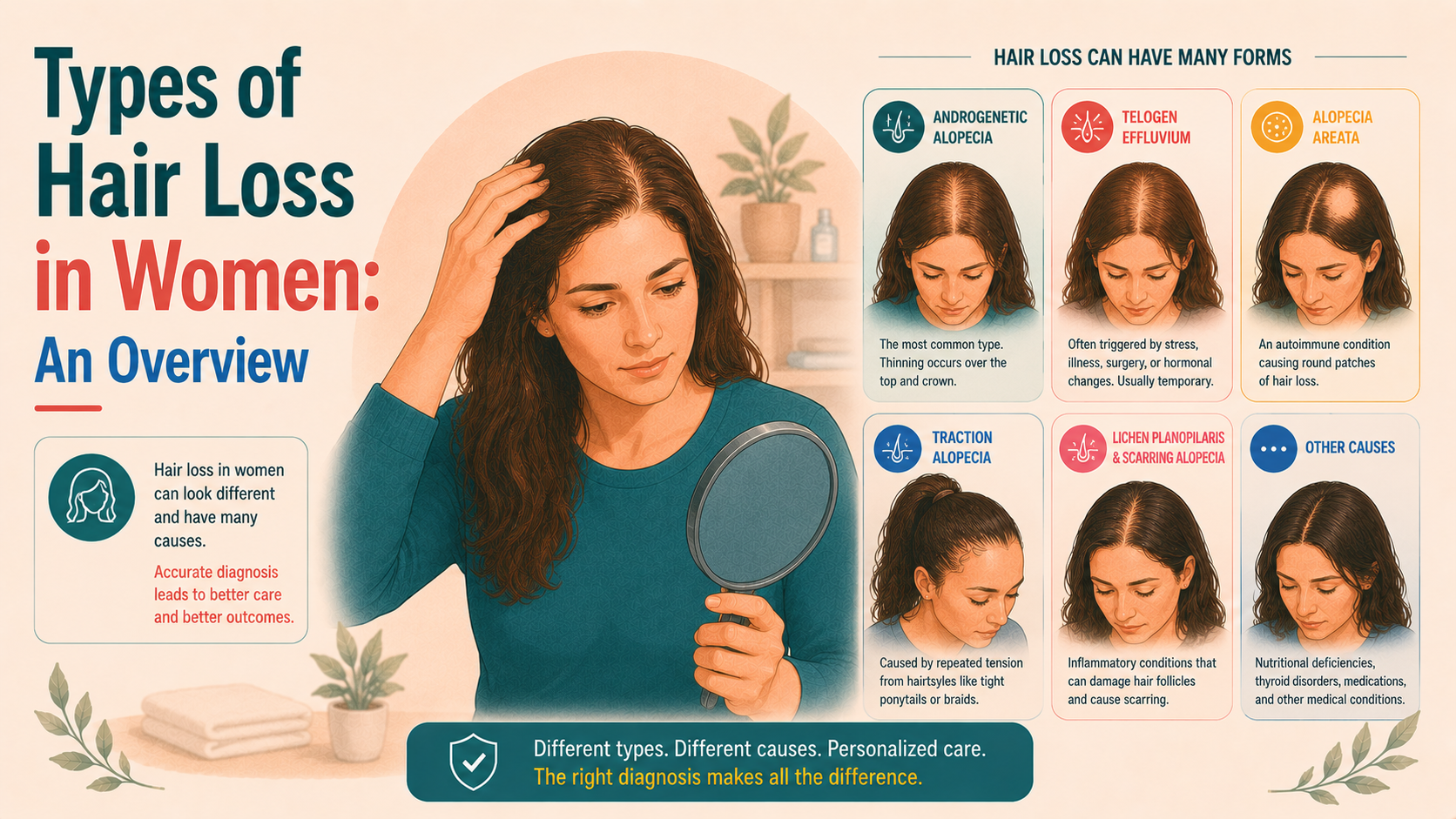
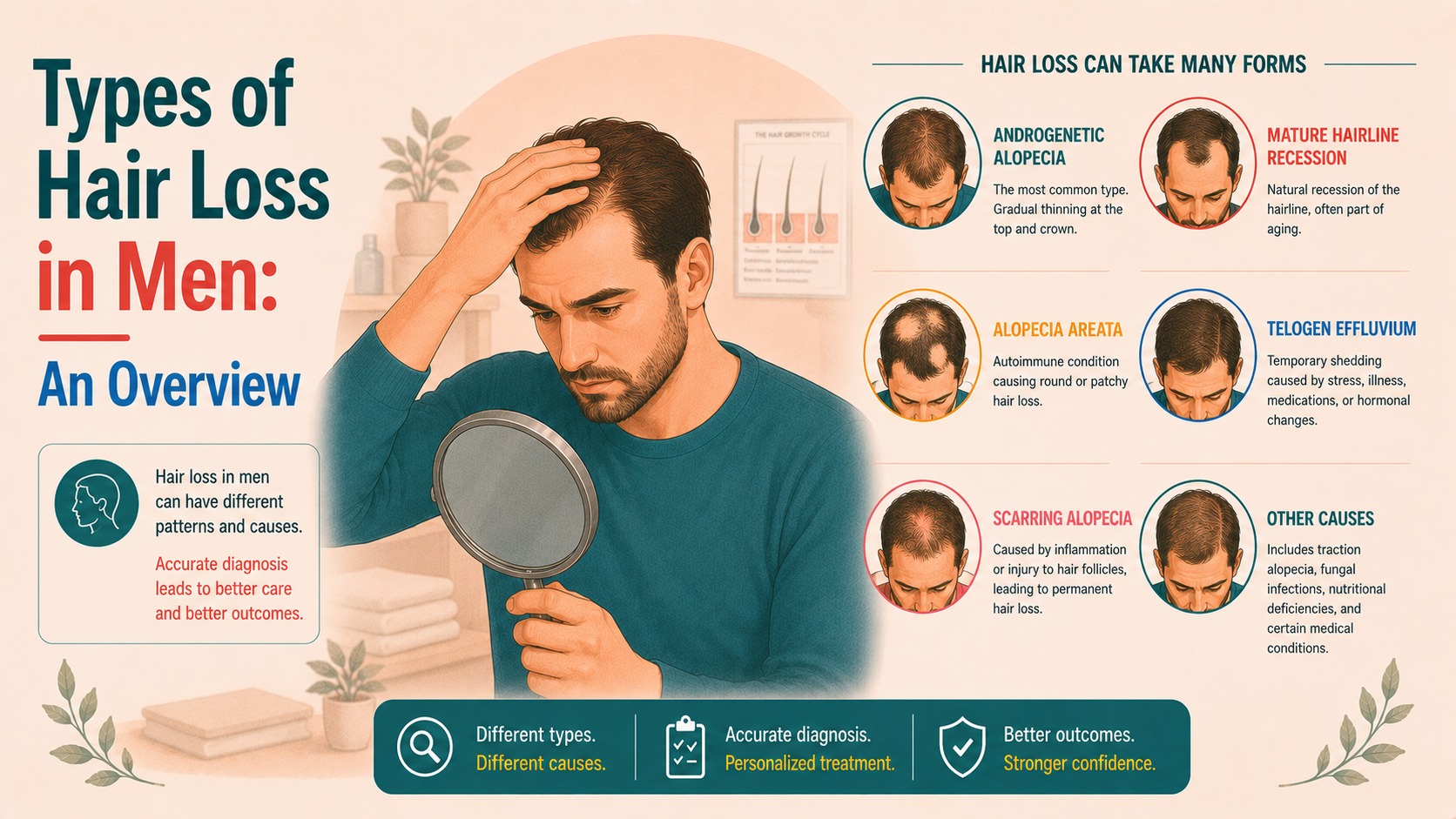
However, many other causes of hair loss are not primarily hormonal:

  • Telogen effluvium after illness, surgery, medications or nutritional stress;
  • Alopecia areata, an autoimmune process;
  • Scarring alopecias such as lichen planopilaris, frontal fibrosing alopecia and CCCA;
  • Traction alopecia and hair shaft disorders.

Hormone levels may be entirely normal in these conditions.

Balanced view

Hormones are central to patterned and some systemic forms of hair loss, but they are not the sole explanation. Early clinical assessment is needed to identify when hormones are relevant and when other processes are more important.

2. Normal blood results imply no hormonal cause of AGA

Myth in short

People often assume that if a standard blood panel shows normal hormone levels, hormones cannot be involved.

What the evidence shows

In androgenetic alopecia and FPHL, the key changes are often local, not systemic:

  • Studies show that a balding scalp has higher activity of 5𝝰reductase, more androgen receptors, and higher intracellular DHT, even when blood testosterone and DHT are within the normal range.
  • In FPHL, most women are normoandrogenic on serum testing. Large reviews note that while hyperandrogenism is more common in women with FPHL than in controls, a substantial proportion of affected women have completely normal androgen panels.
  • The concept of follicular sensitivity, i.e. how strongly a given follicle responds to a given androgen exposure, is central. Two people with identical serum testosterone levels can exhibit markedly different scalp responses, depending on local enzyme expression and receptor density.

In thyroid disease, similarly:

  • significant hair changes usually require sustained, overt hypo- or hyperthyroidism;
  • subclinical or short-lived abnormalities are less likely to be the main driver of hair loss, even if they show up on a single test.

Balanced view

Normal serum hormone levels do not rule out hormone-related hair loss. For patterned alopecia, hormone effects at the follicle are often more important than what a single blood test shows.

3. High testosterone causes baldness; low testosterone protects hair

Myth in short

It is tempting to assume a simple dose–response relationship: more testosterone means more hair loss; less means protection.

What the evidence shows

The relationship is more nuanced:

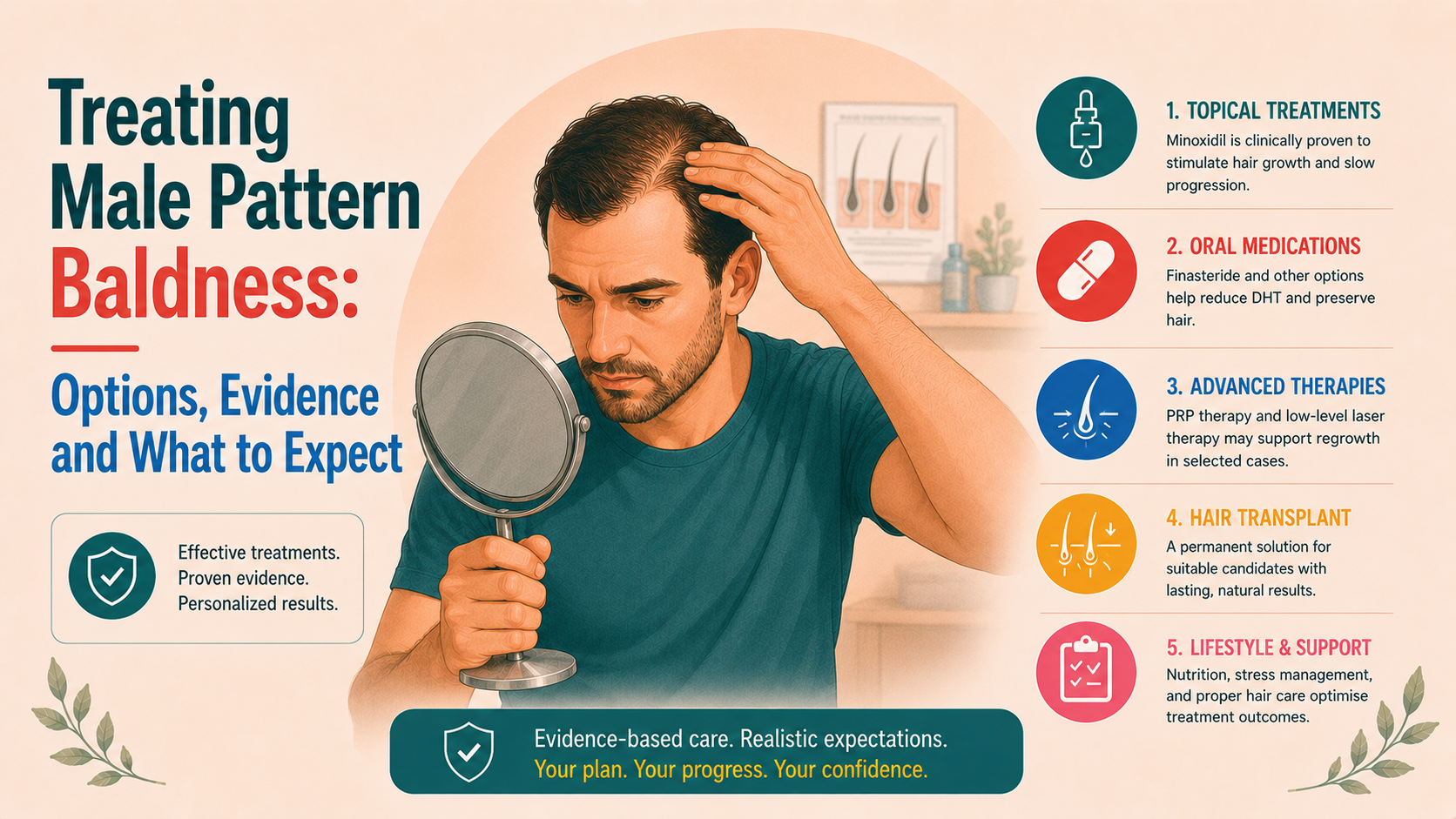
  • AGA is not simply a function of high systemic testosterone. Many men with male pattern hair loss have testosterone levels within the normal reference range.
  • Dihydrotestosterone (DHT), the more potent androgen produced locally by 5-alpha reductase in scalp and skin, is more directly implicated than total testosterone. Local DHT and androgen receptor sensitivity in follicles are key determinants.
  • Men with congenital 5-alpha reductase type 2 deficiency, who cannot efficiently convert testosterone to DHT, rarely develop male-pattern baldness despite normal or near-normal testosterone, underscoring the importance of DHT and local metabolism.
  • Some situations of higher androgen exposure do correlate with earlier or more rapid hair loss:
    • Trans men starting testosterone therapy have reported AGA developing in roughly one-third to two-thirds of cases in cohort studies, typically within a few years of treatment, particularly in those with a family history of AGA.
    • Cis men commencing testosterone replacement therapy may see acceleration of pre-existing AGA if genetically predisposed.

Conversely, very low testosterone is not a practical “treatment" option, since androgen deficiency carries its own risks and symptoms, and pattern hair loss can still progress in older men with declining testosterone, highlighting the role of genetics and lifetime exposure.

Balanced view

High androgens can accelerate hair loss in predisposed individuals, but absolute levels are only part of the story. Genetic susceptibility, local DHT conversion, and receptor sensitivity are equally important, and low systemic testosterone is not a realistic protective strategy.
4. Hormonal hair loss doesn't affect women unless they have abnormal labs or PCOS

Myth in short

There is a perception that only women with overt hormone disorders (like polycystic ovarian syndrome (PCOS)) or abnormal blood tests have hormonally driven hair loss.

What the evidence shows

Female pattern hair loss is common and often not accompanied by obvious systemic androgen excess:

  • FPHL affects up to 40% of women over 50, with prevalence increasing after menopause.
  • In series and reviews, most women with FPHL do not have markedly abnormal serum androgen levels; many are clinically normoandrogenic.
  • Nevertheless, hyperandrogenic states are over-represented among women with FPHL. One clinic study found that around 8% of women presenting with hair thinning already had a diagnosis of PCOS, and additional cases were uncovered during evaluation.

Guidance generally suggests:

  • in women with FPHL plus signs of androgen excess (hirsutism, acne, menstrual irregularity), evaluation for PCOS and other causes of hyperandrogenism is appropriate;
  • in women with isolated FPHL and no other signs, extensive endocrine testing is often unrevealing and not always necessary.
Balanced view

Women can absolutely have hormonally mediated pattern hair loss with entirely normal blood hormone tests. PCOS and other hyperandrogenic conditions can worsen or unmask FPHL, but they are not prerequisites for it.
5. Hair loss in women can be attributed to, or caused by, the contraceptive pill or HRT

Myth in short

Oral contraceptives and hormone replacement therapy are often blamed for hair loss or promoted as treatments for it, with little nuance.

What the evidence shows

Oral contraceptives:

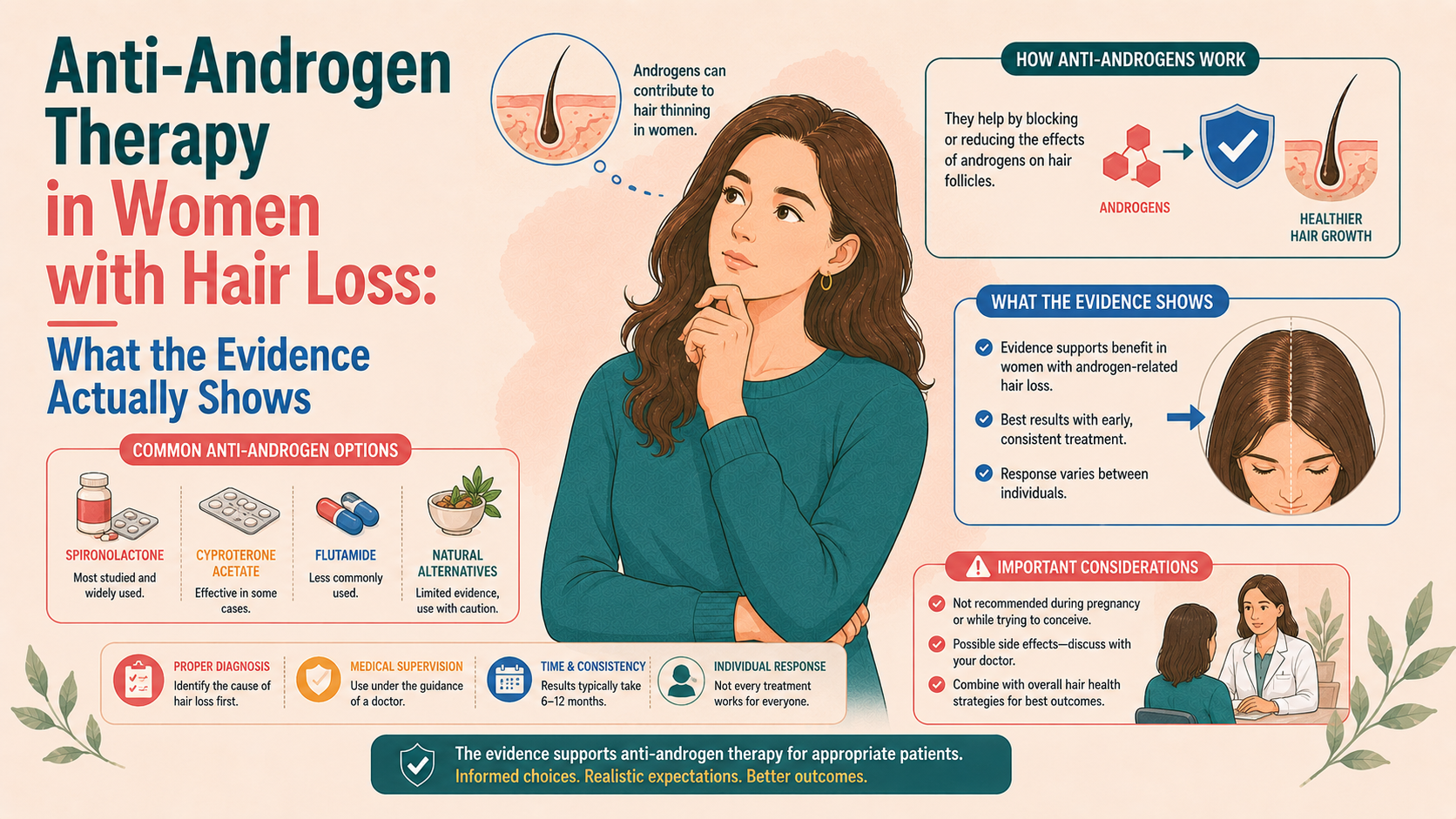
  • Progestins differ in their androgenic or anti-androgenic properties. Older progestins derived from testosterone (e.g. levonorgestrel) have higher androgenicity; newer ones (drospirenone, cyproterone acetate) are anti-androgenic.
  • In women genetically predisposed to FPHL, pills with more androgenic progestins may exacerbate thinning by adding exogenous androgenic influence.
  • Conversely, low-androgen index oral contraceptives, or those containing anti-androgenic progestins, can improveandrogen-related symptoms (hirsutism, acne) and may stabilise hair loss in some women with hyperandrogenism.
  • Starting or stopping any hormonal contraceptive can trigger a telogen effluvium in some women due to abrupt hormonal shifts, producing temporary shedding rather than long-term pattern change.

Hormone replacement therapy (HRT) in menopause:

  • Oestrogen has been hypothesised to have a protective role on scalp hair, based on observational data and the timing of increased FPHL after menopause.
  • Fact sheets and reviews note that declining oestrogen and relative androgen excess around menopause can contribute to FPHL and TE.
  • However, HRT is not considered a primary treatment for hair loss. Available evidence suggests that while HRT may modestly support hair in some women, it does not reliably reverse FPHL and carries its own risk–benefit profile.
  • In frontal fibrosing alopecia, early studies of HRT showed no clear benefit on disease course.

Balanced view

Hormonal contraception and HRT can influence hair, for better or worse, but effects depend on individual predisposition and the specific formulation. They should be chosen primarily for contraceptive or menopausal symptom control, with hair considerations factored in, rather than as stand-alone hair treatments.

6. A mildly dysfunctional thyroid gland could be the culprit for hair loss

Myth in short

Minor variations in thyroid function are often assumed to explain all hair changes.

What the evidence shows

Thyroid hormones are important for hair cycling, but:

  • Diffuse shedding and hair changes are usually associated with prolonged, overt hypothyroidism or hyperthyroidism, not mild or transient abnormalities.
  • In hypothyroidism, an increased telogen:anagen ratio and dry, brittle hair are typical. Hair often regrows over months after appropriate levothyroxine therapy, although some residual thinning can persist.
  • In hyperthyroidism, up to half of patients may experience increased shedding while the disease is active; hair usually improves after euthyroidism is restored.

Subclinical thyroid dysfunction:

  • evidence linking subclinical hypo- or hyperthyroidism (normal free hormone, slightly abnormal TSH) to major hair loss is less robust;
  • treating subclinical disease purely for hair reasons is not generally recommended without other indications.

Balanced view

Thyroid disease can cause hair loss, especially when significant and left untreated. It should be considered and managed where appropriate, but minor thyroid test abnormalities do not automatically explain all hair problems, particularly patterned loss that fits AGA/FPHL.

7. How to approach hormone-related claims sensibly

Given the complexity, a few guiding principles help:

  • Start from a specific diagnosis (AGA/FPHL, TE, AA, scarring alopecia) rather than “hair loss” in the abstract. Different diagnoses have different hormonal contributions.
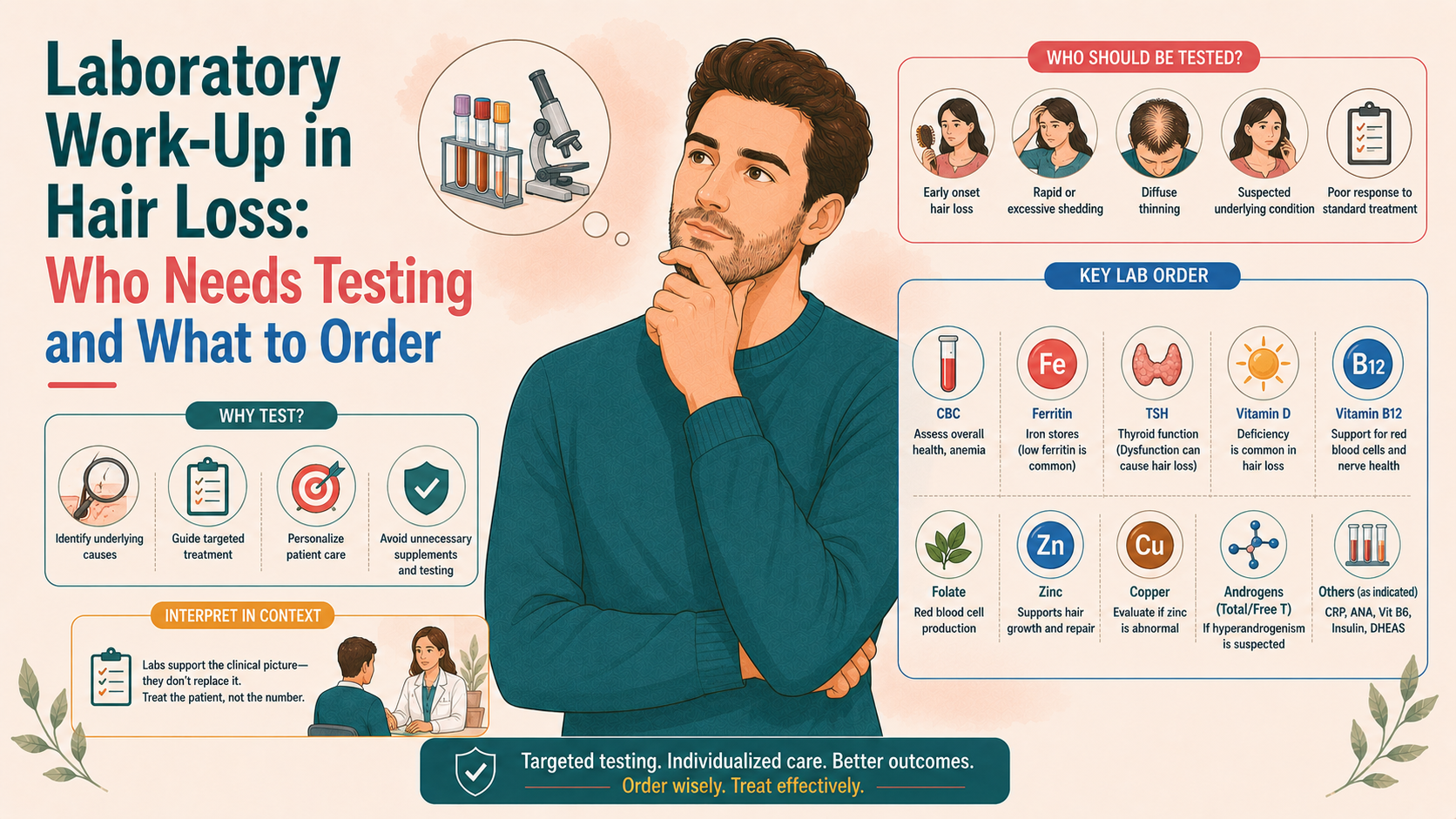
  • Recognise that normal blood tests do not exclude hormonal influence at the follicle, particularly in patterned alopecia.
  • Remember that not every hormonal fluctuation needs to be “optimised” for hair; treatments carry risks and should be targeted where benefit is plausible.
  • Be cautious with broad claims about “balancing hormones”, “detoxifying oestrogen” or “resetting cortisol” without data; these often use hormone language without clear evidence.
  • Use qualified sources (endocrinology and dermatology guidelines, review articles) to anchor your understanding, and ask your clinician to help interpret how hormones are likely contributing in your case.

Hormones are an important part of the hair loss story, but they are not the entire plot. Thinking about them in a structured way can make discussions about testing and treatment more productive and less daunting.

Read More from the Knowledge Hub:

Treatment

5α-Reductase Inhibitors for Hair Loss: Finasteride and Dutasteride Explained

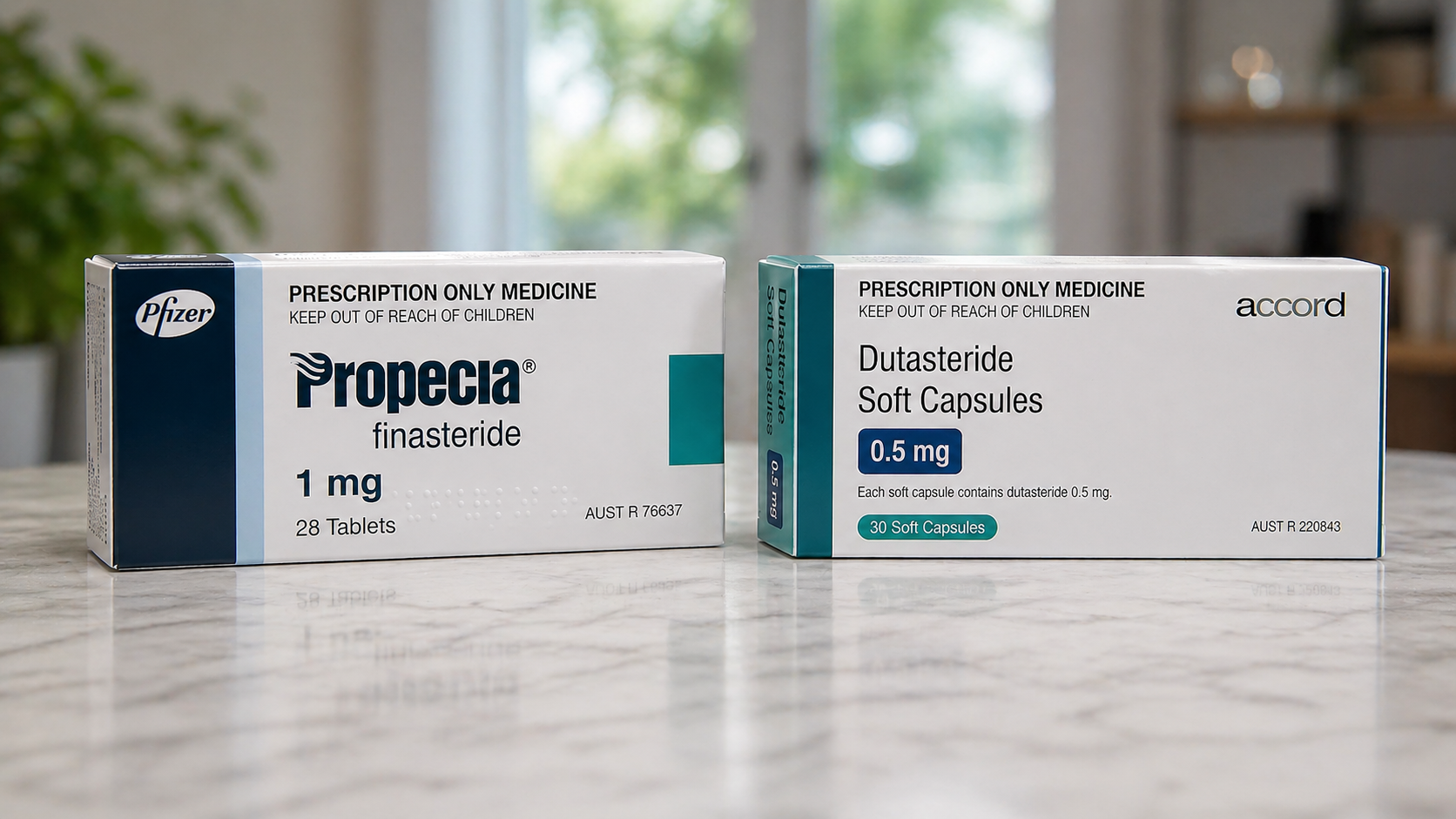
Finasteride and dutasteride are the main drugs used to tackle the hormonal component of androgenetic alopecia. This article explains how they were discovered, how they work, what the evidence shows for men and women, topical versus oral options, and side effects (including the controversies).
Myths & Facts

Treatments for Hair Loss: Myths, Facts and What the Evidence Supports

Hair loss treatments attract strong opinions. Some people are convinced “nothing works”; others believe a single product or procedure can fully restore their hair. This article reviews common myths about treatments – from minoxidil and 5α-reductase inhibitors to low-dose oral minoxidil, PRP, laser devices and surgery – and summarises what reasonably good evidence actually shows.
Myths & Facts

Hormones and Hair Loss: Myths, Facts and How to Think About Them

Hormones are central to certain forms of hair loss, particularly androgenetic alopecia and thyroid-related shedding. That does not mean every hair problem is hormonal, nor that a normal blood test rules out hormone involvement. This article reviews common hormone-related myths about hair loss and summarises what current evidence actually supports.
Myths & Facts

Lifestyle and Hair Loss: Myths, Facts and What the Evidence Suggests

Lifestyle choices can influence hair health, but not always with the severity people assume. This article reviews common lifestyle-related myths about hair loss – smoking, alcohol, stress, washing, hats, diet and tight hairstyles – and summarises what current evidence actually supports.