Hair loss can affect your life long before it looks severe to anyone else. I look at the evidence, the private work of managing it, and how to get support without putting life on hold.
![[headshot]](https://cdn.prod.website-files.com/68207da82e5b8c350c67932f/68c6a7436a552c0fe87a4da7_Screenshot%202024-11-27%20at%2011.38.11.png)
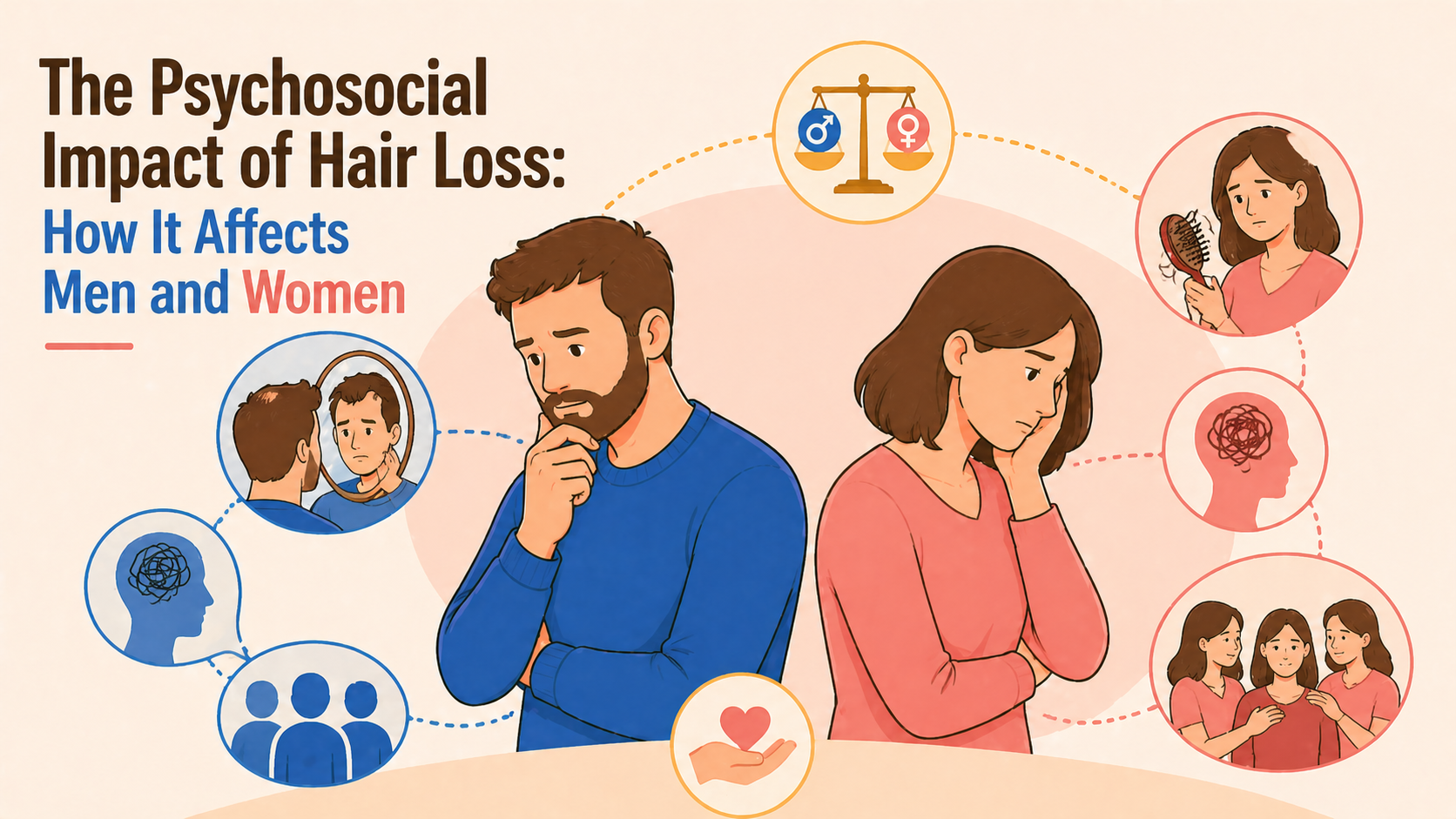
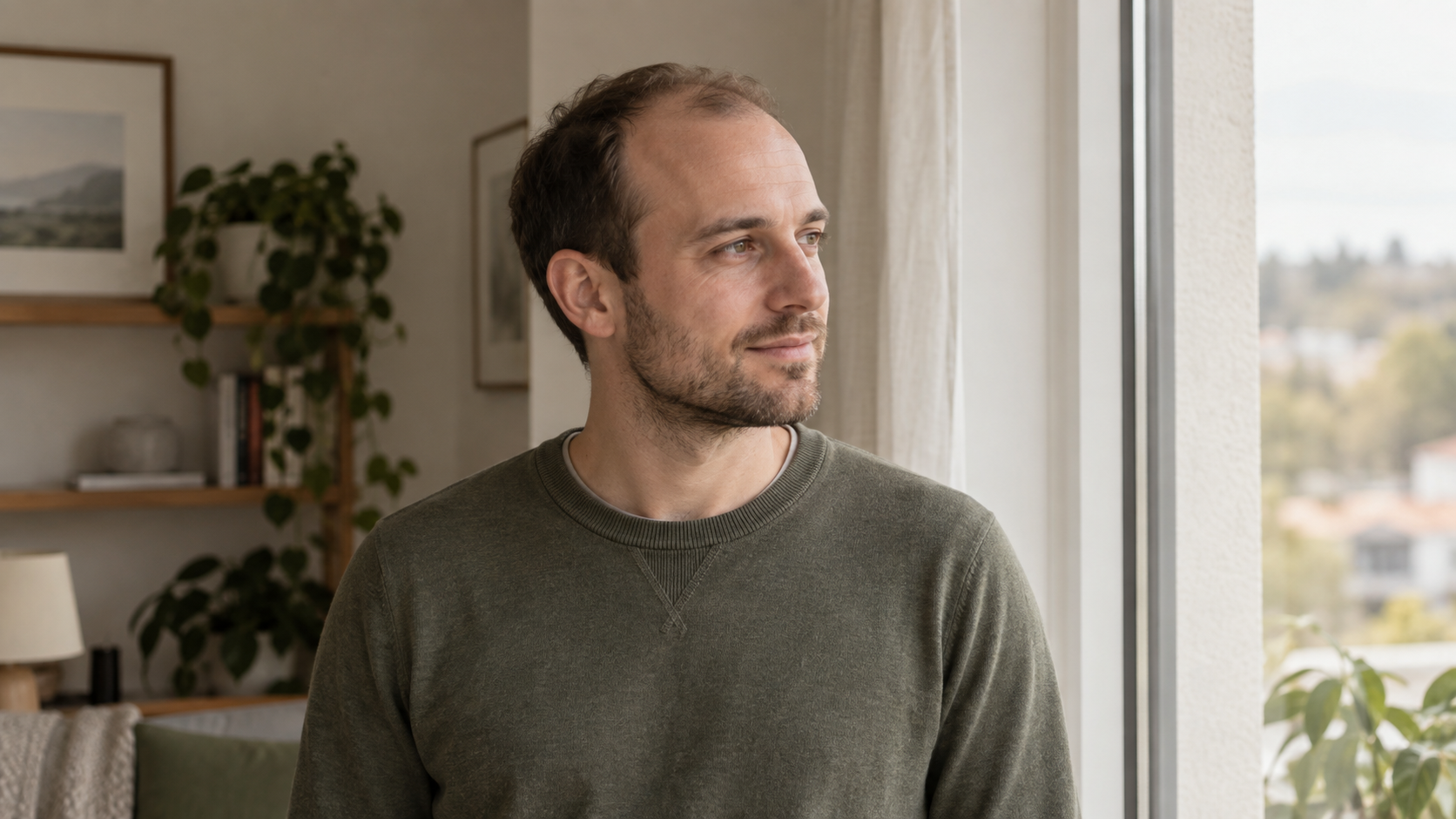
One of the difficult things about hair loss is that the visible change can look quite small while the effect on your life is already large. You might still have plenty of hair, but be thinking about the lighting in every room, whether the wind will expose a thin area, or how to avoid being photographed from above.
I know that feeling. At medical school, hair fibres helped me conceal my thinning, but hospital lighting and the possibility of rain still occupied far too much of my attention. The question was not simply whether my hair looked acceptable. It was when I could finally relax.
That is why I find “it is only hair” such an unhelpful response. Hair can become tied to how you recognise yourself, and the effort of managing a change can be exhausting.
Studies consistently find that hair loss can affect body image and quality of life. Some people also experience significant anxiety or depressive symptoms. Those findings deserve attention, but they do not mean everyone with hair loss develops a mental health condition.
Much of this research uses questionnaires and people attending clinics. It shows an association and describes a burden; it cannot tell us exactly how hair loss affects every person in the wider population. Nor does a clinical severity score reliably capture the distress of the person sitting in front of us.
Comparing whose hair loss is “worse” misses the point. A small change can matter enormously to someone, while another person with extensive loss may feel relatively comfortable with it.
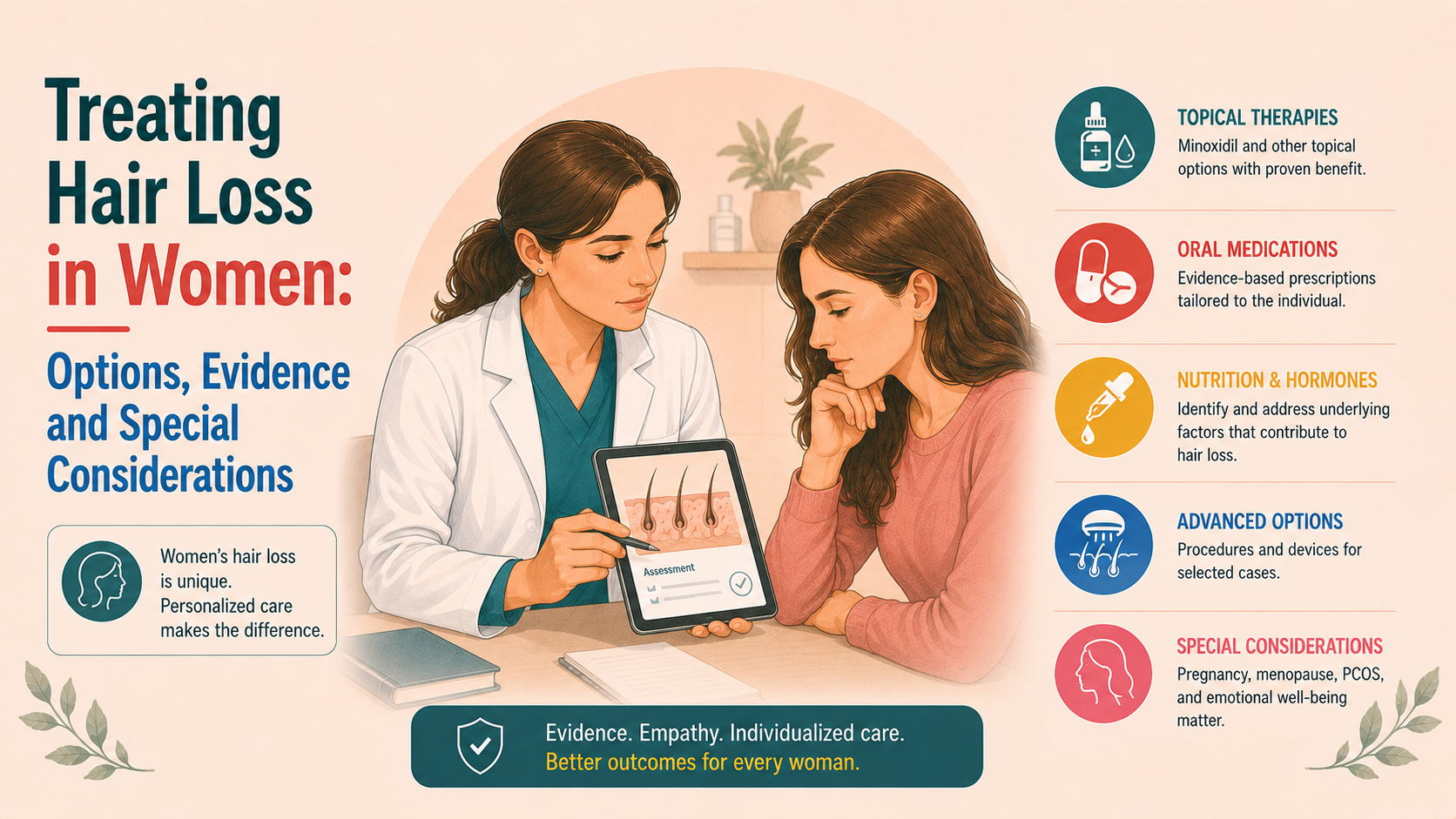
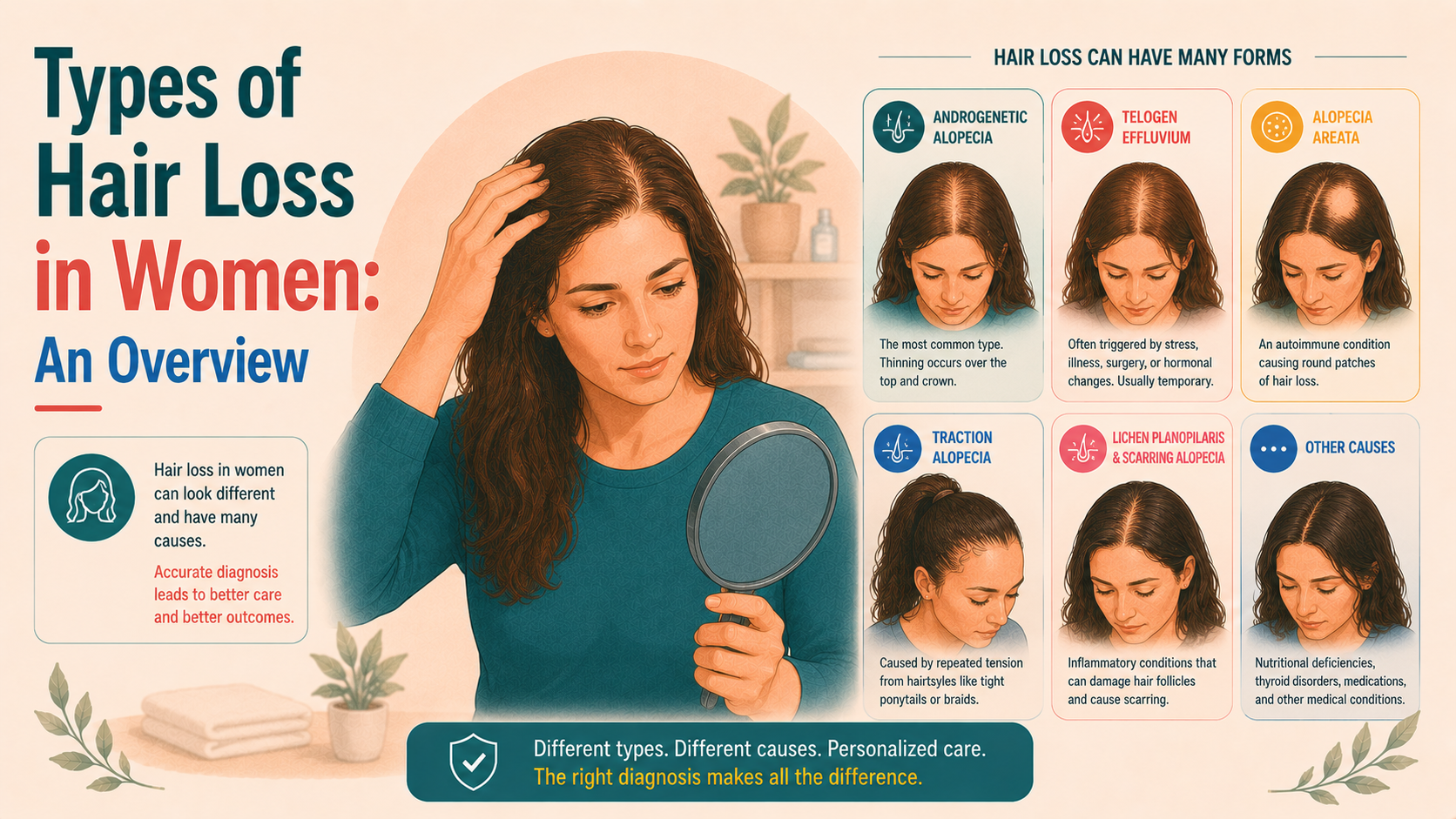
In my video on women and hair loss, I talk about the gap between the finished result other people see and the maintenance required to achieve it. A parting may look fine because someone has spent considerable time arranging, colouring or concealing it. Successful concealment can make the difficulty less visible to everyone else.
I am a man, so I cannot claim to know that experience from the inside. Research in women does, however, document substantial effects on self-esteem and quality of life, including in people whose thinning is clinically mild. Assumptions about illness, ageing or femininity can add another layer, although the meaning of hair is different for each person.
The useful response is curiosity about what has become difficult, rather than reassurance based only on how much hair someone appears to have.
I think of some of this as an attention tax. Part of you is trying to enjoy a conversation, do your job or meet someone new. Another part is monitoring your hair. Your competence has not changed, but the amount of attention available for the moment has.
Repeated photographs, mirror checks and comparisons can feel like ways to regain certainty. Sometimes they provide only a brief sense of relief before the checking starts again. If that sounds familiar, it is worth noticing what the habit costs you, rather than treating every urge to check as a problem that needs another photograph.
Swimming, dating, exercise and social events can start to feel conditional on having better hair. I withdrew from parts of my own life before anyone else had the opportunity to reject me. That is a personal experience, not evidence that everyone will respond in the same way.
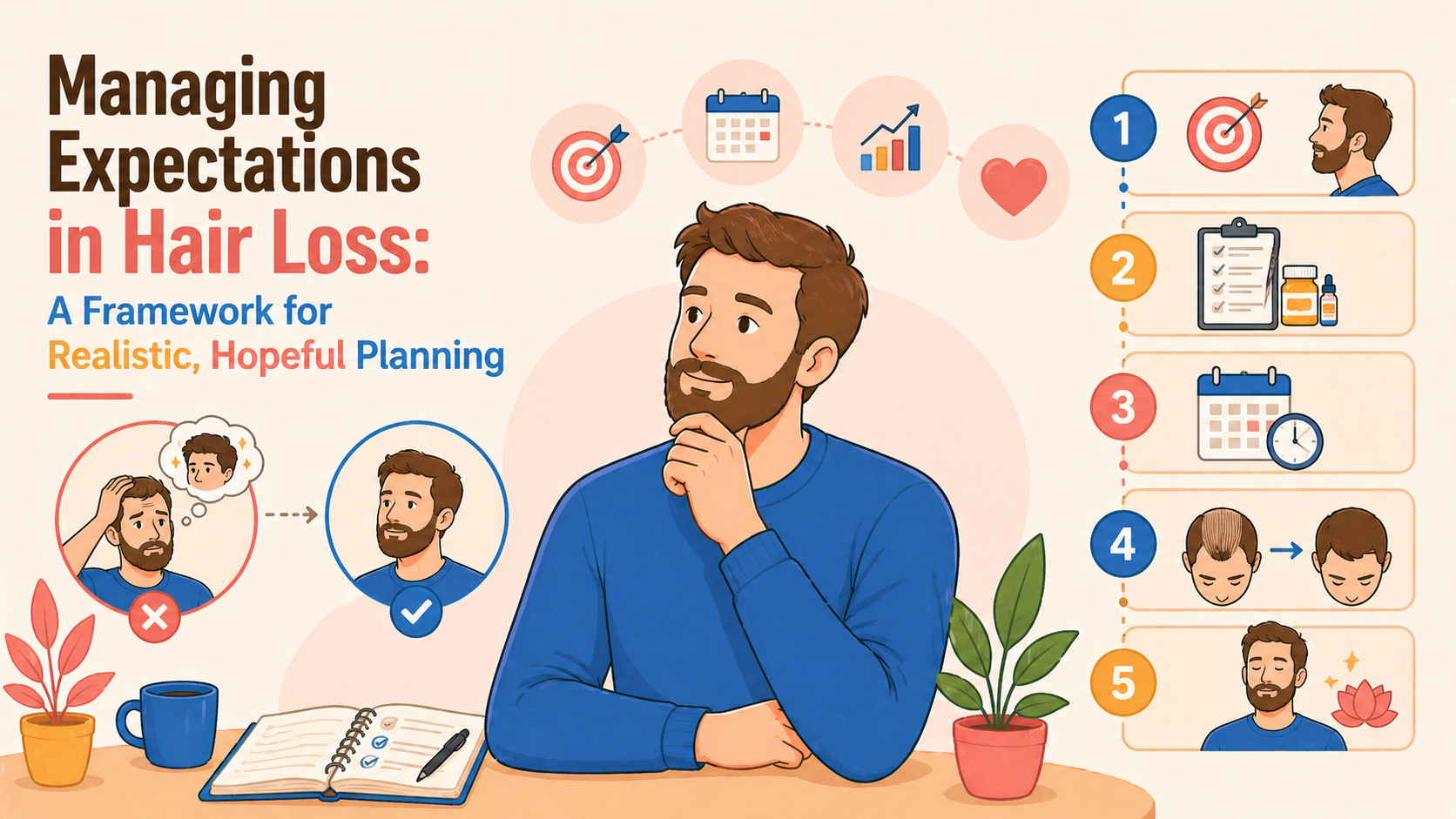
The difficulty is that waiting until you feel completely confident can keep moving the starting line. A more useful measure of progress might be returning to an activity you miss, even while some discomfort remains. You do not need to solve every feeling about your appearance first.
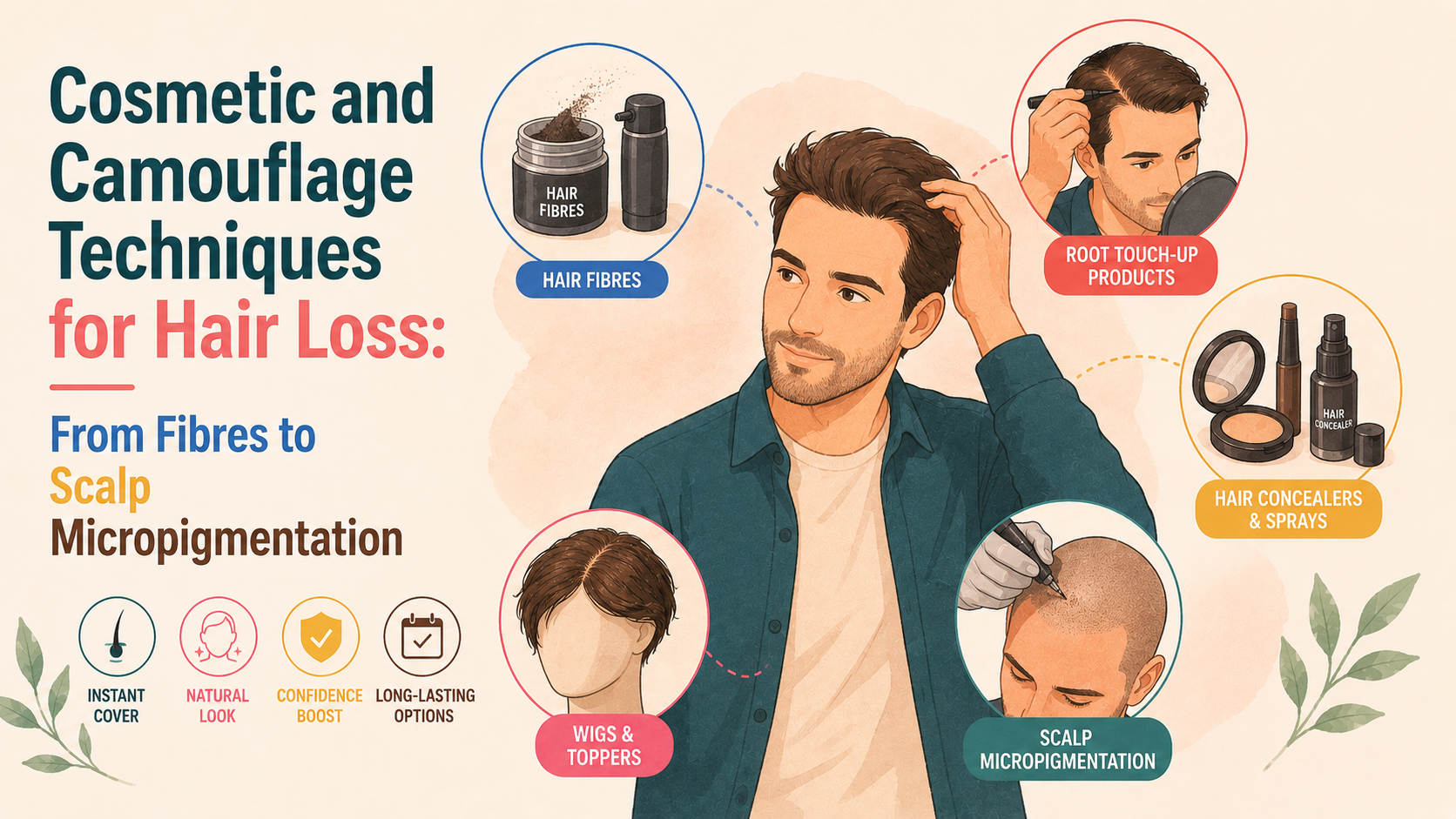
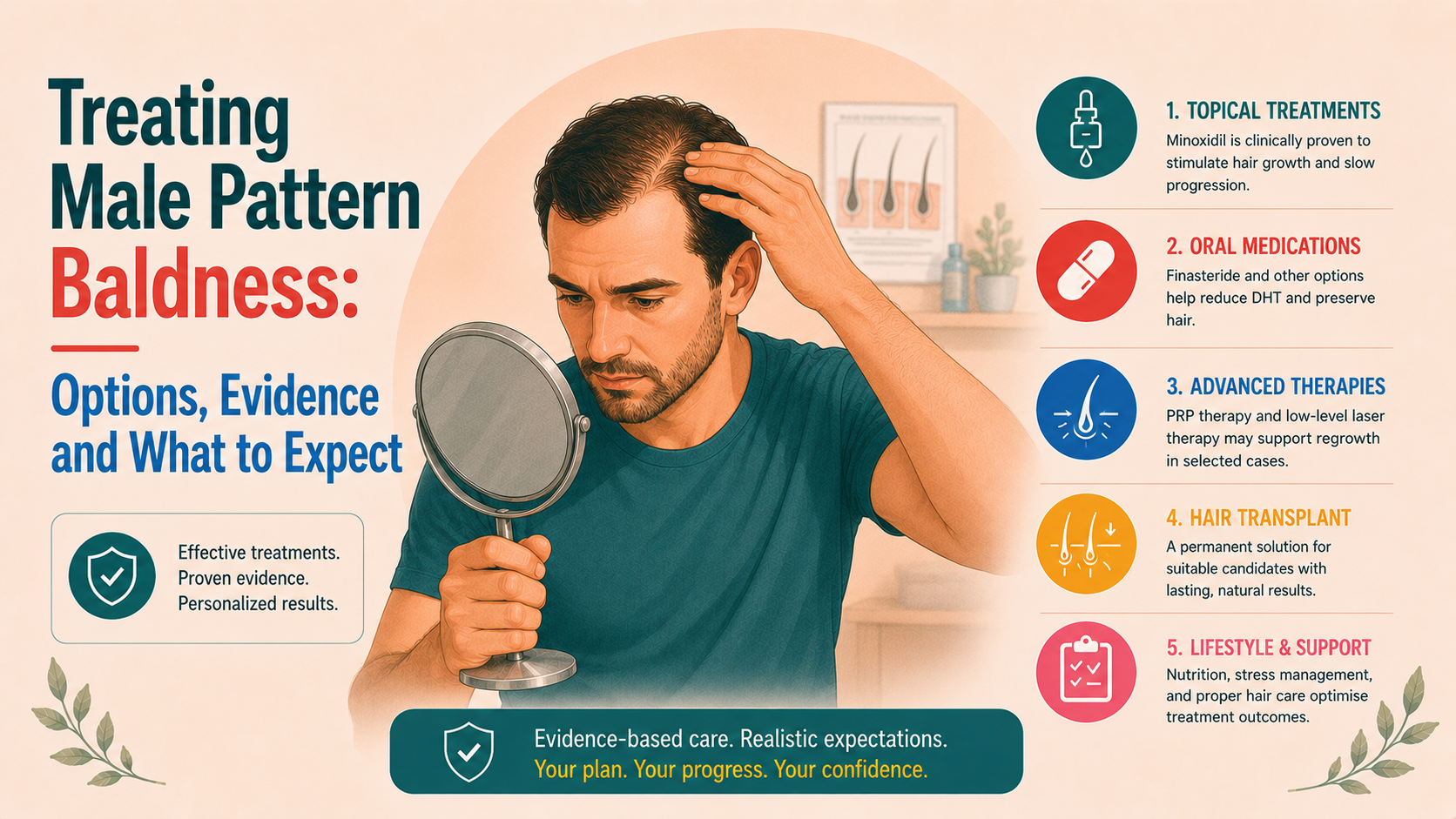
Medication, a hair system, fibres, a wig, scalp micropigmentation or a different haircut can all be reasonable choices. Concealment is not a failure of acceptance. The question is whether the choice makes life easier or adds rules that become increasingly hard to live with.
For me, reducing the daily effort of managing my appearance mattered. Someone else may be happiest continuing treatment, wearing a topper or shaving their head. There is no single psychologically superior hairstyle.
Hair can matter without carrying the whole weight of your identity. You also do not owe anyone a compensatory transformation in fitness, income or confidence because you have lost it.
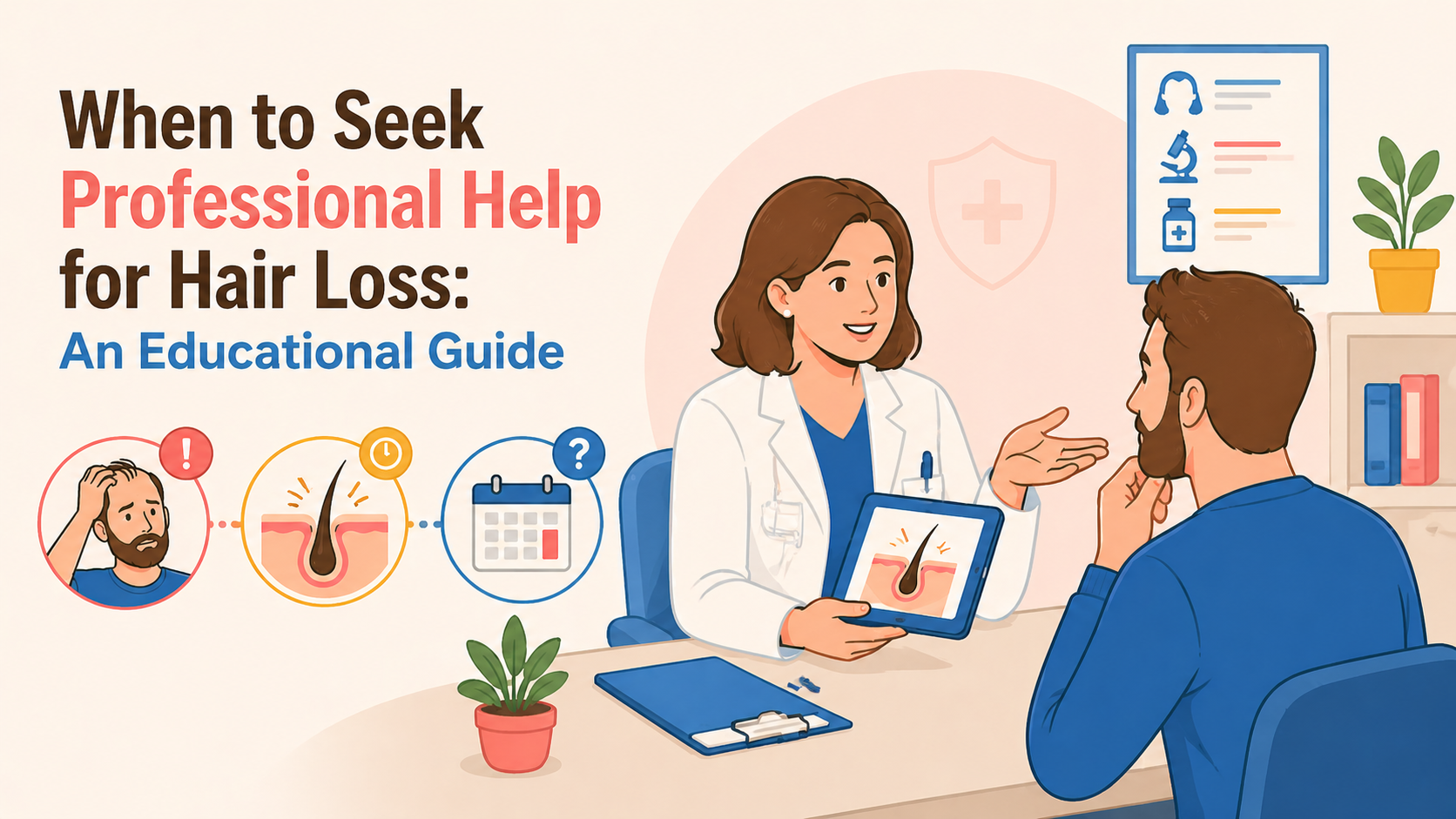
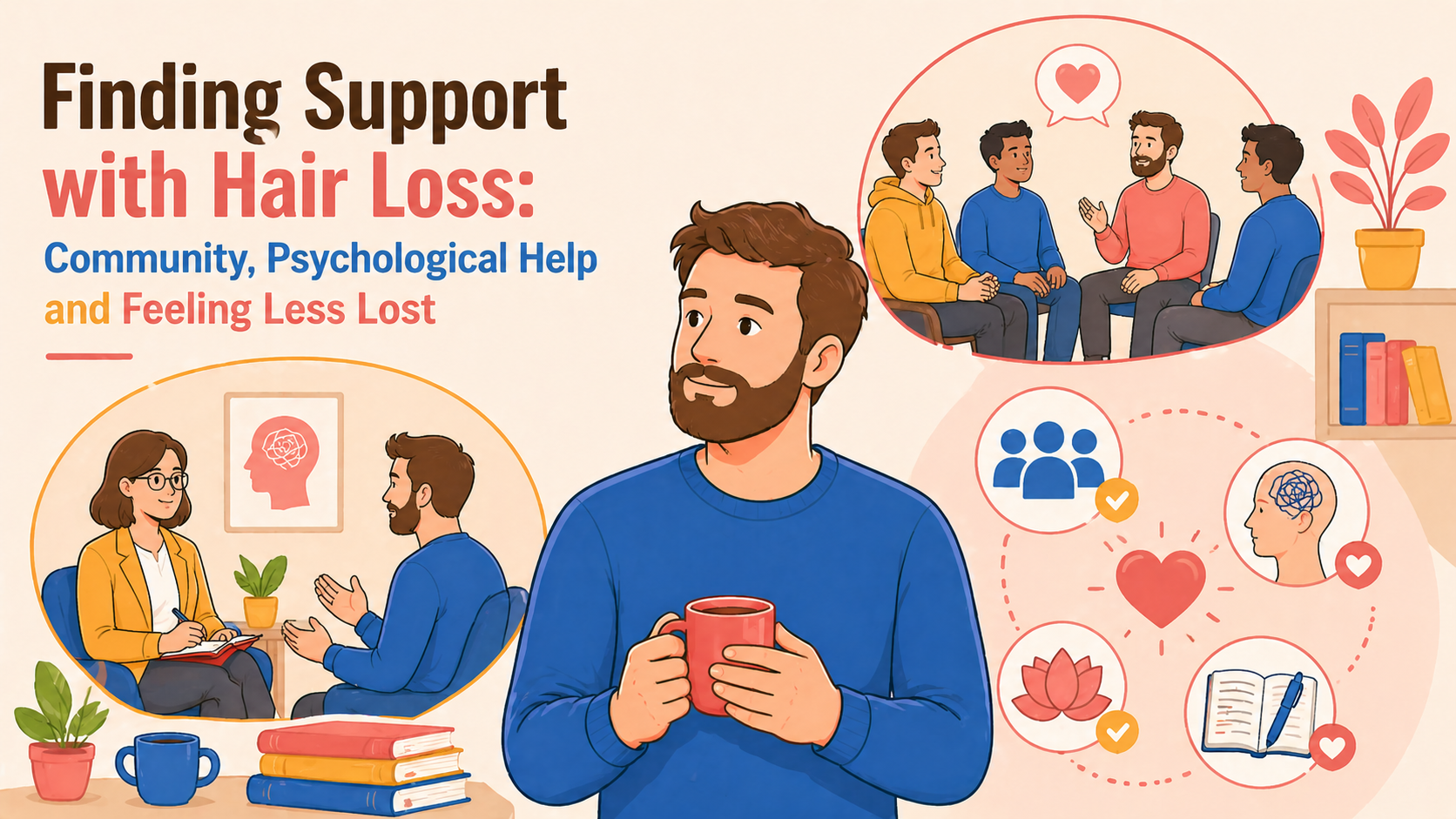
Practical hair care and psychological support can happen together. Speaking to a GP or therapist is reasonable if worry is affecting sleep, relationships, work or everyday activities. You do not have to prove that your hair loss is severe enough to deserve help.
Approaches such as cognitive behavioural therapy can help with patterns of anxiety and avoidance. The research on psychological interventions specifically for hair loss is still limited and includes different diagnoses, so it would be misleading to promise a particular result for pattern hair loss.
Appearance concerns alone do not establish body dysmorphic disorder. If checking, concealment or distress feels consuming, a professional assessment can help work out what support fits.
If someone tells you they are struggling, start by believing that the experience is difficult. Ask what has changed in their daily life. “You still look fine” may be kindly meant, but it can close down a conversation about something you cannot see.
My own aim is to treat hair in the background while building a life in the foreground. That does not mean pretending hair is unimportant. It means giving treatment its place without asking it to resolve every question about confidence, belonging or self-worth.
You can also watch my discussion of the less visible impact of hair loss in women.