Minoxidil can improve hair density, but the result depends on more than choosing a strength. Drawing on my full video review, I explain oral versus topical treatment, shedding, realistic timelines and the practical safety points that are easy to miss.
![[headshot]](https://cdn.prod.website-files.com/68207da82e5b8c350c67932f/68c6a7436a552c0fe87a4da7_Screenshot%202024-11-27%20at%2011.38.11.png)
Minoxidil is familiar enough that it can seem straightforward: buy a bottle, apply it and wait for hair. The reality is less predictable. Some people see worthwhile regrowth, others mainly preserve coverage, and some find that the benefit does not justify the routine.
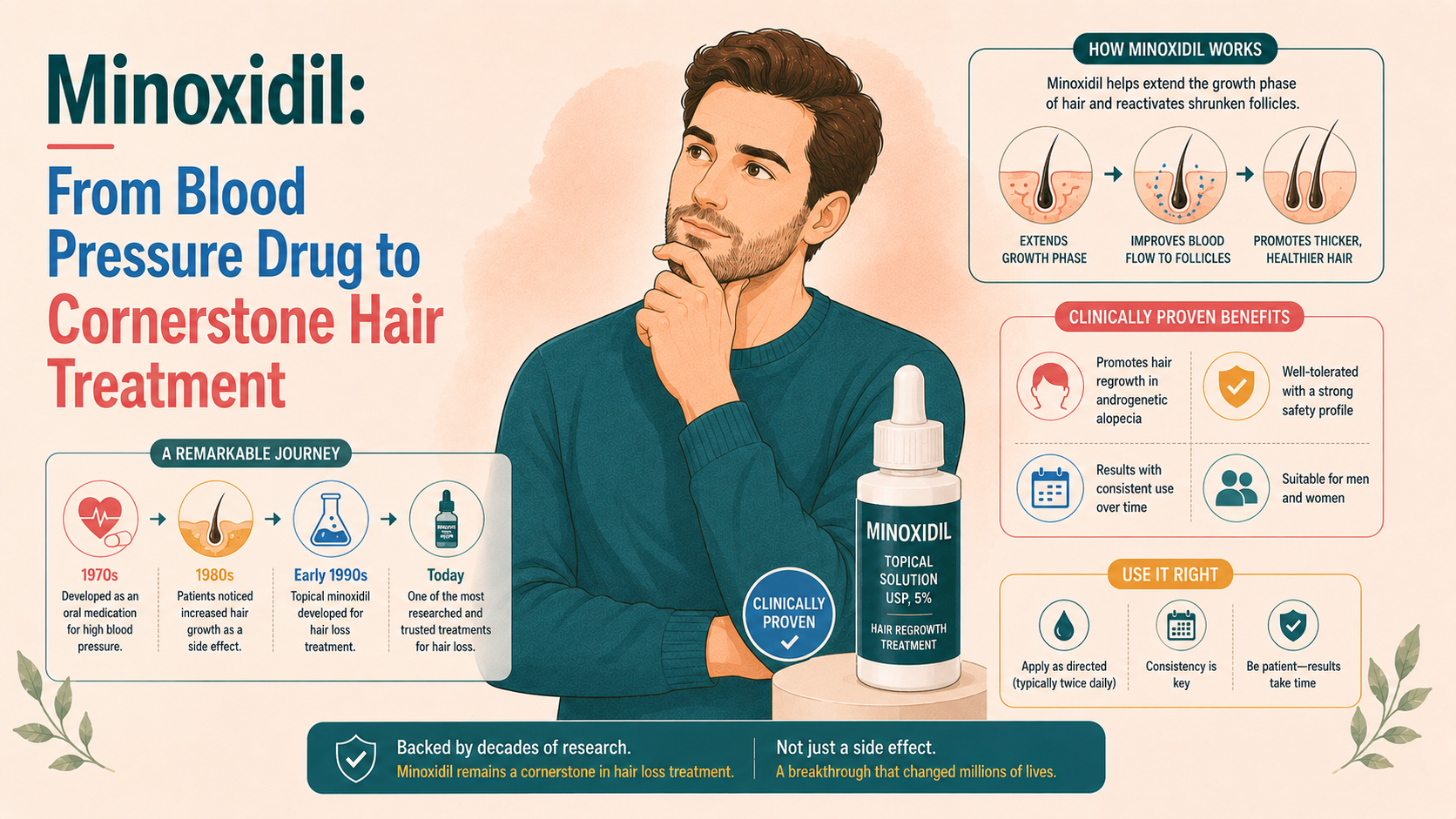
It began as a medicine for severe high blood pressure. Increased hair growth was noticed as a side effect, which led to scalp preparations intended to encourage growth with less exposure elsewhere in the body. That history explains both why it works and why an oral tablet deserves more thought than a casual supplement.
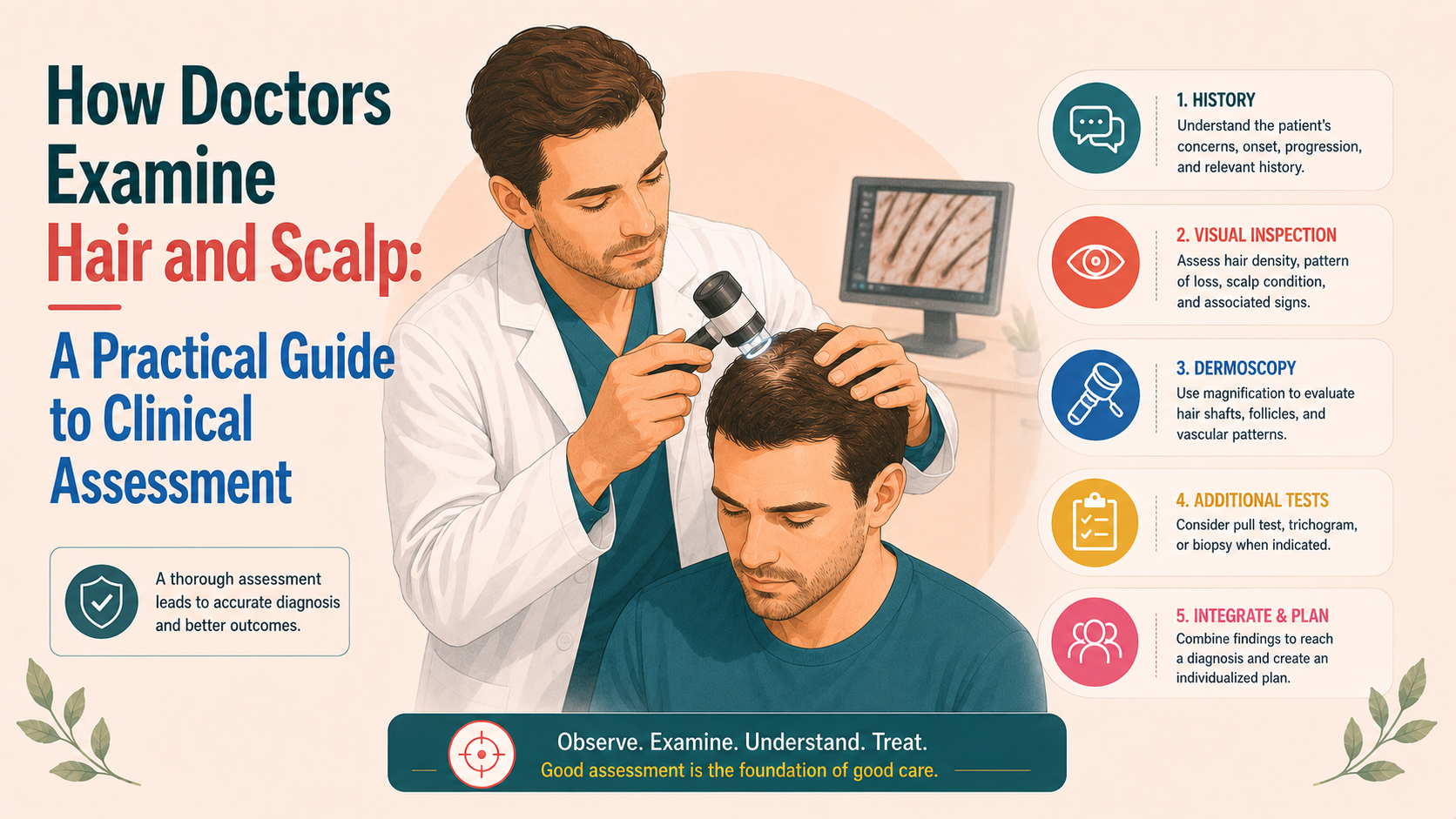
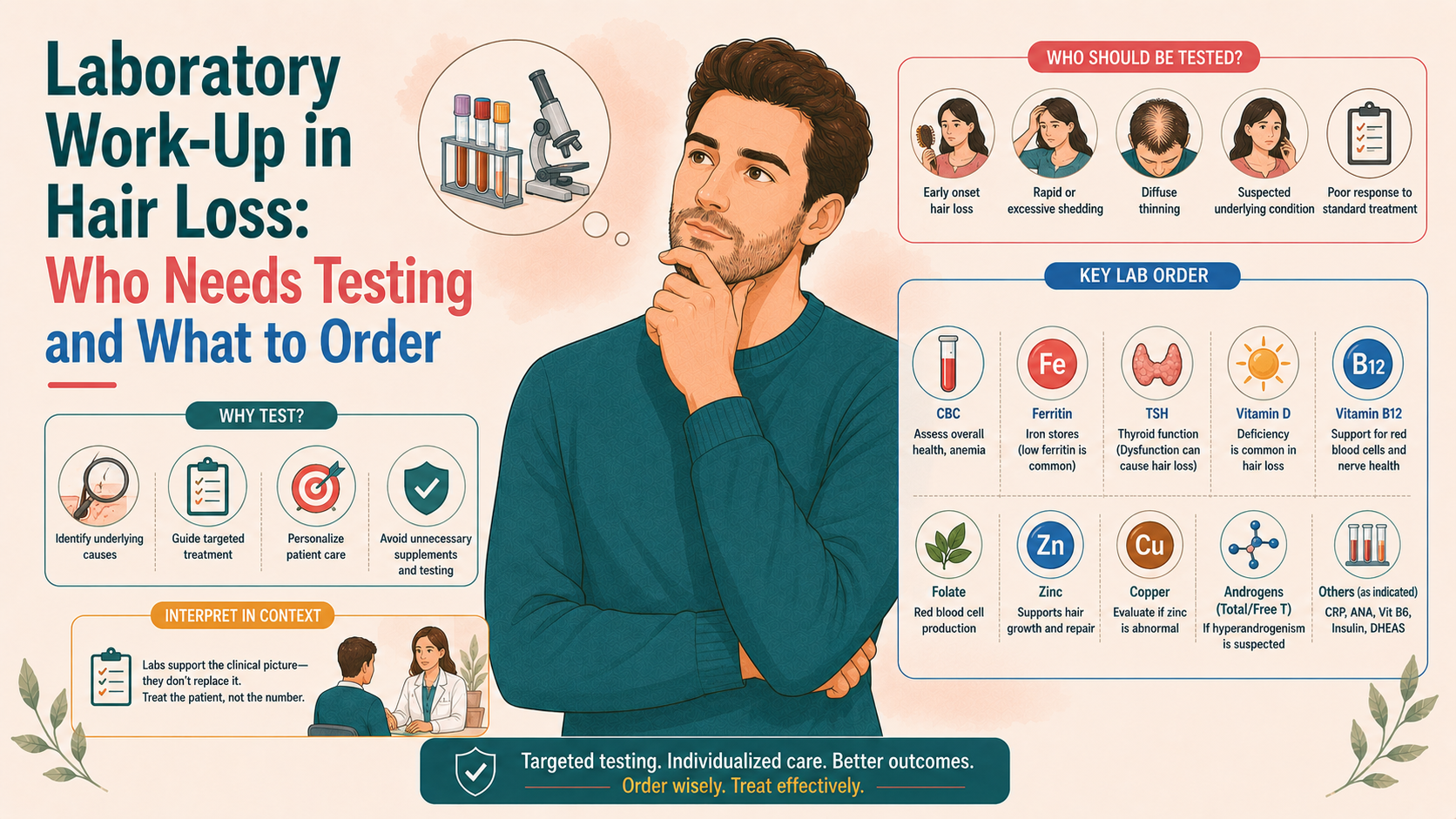
I would start by confirming the diagnosis. Minoxidil is best established for pattern hair loss. It cannot replace treatment for an inflamed or scarring scalp, correct an iron deficiency or explain sudden unexplained shedding.
Minoxidil can encourage follicles into the growing phase and support thicker hair production. Its precise mechanism is still not fully understood. Effects on potassium channels and growth signalling have been studied, but the familiar explanation that it simply increases blood flow is incomplete.
It also needs conversion into an active form, minoxidil sulphate. Differences in the enzymes involved may help explain why people respond differently. That is interesting biology, but it does not mean a commercial test can reliably tell everyone whether treatment will work.
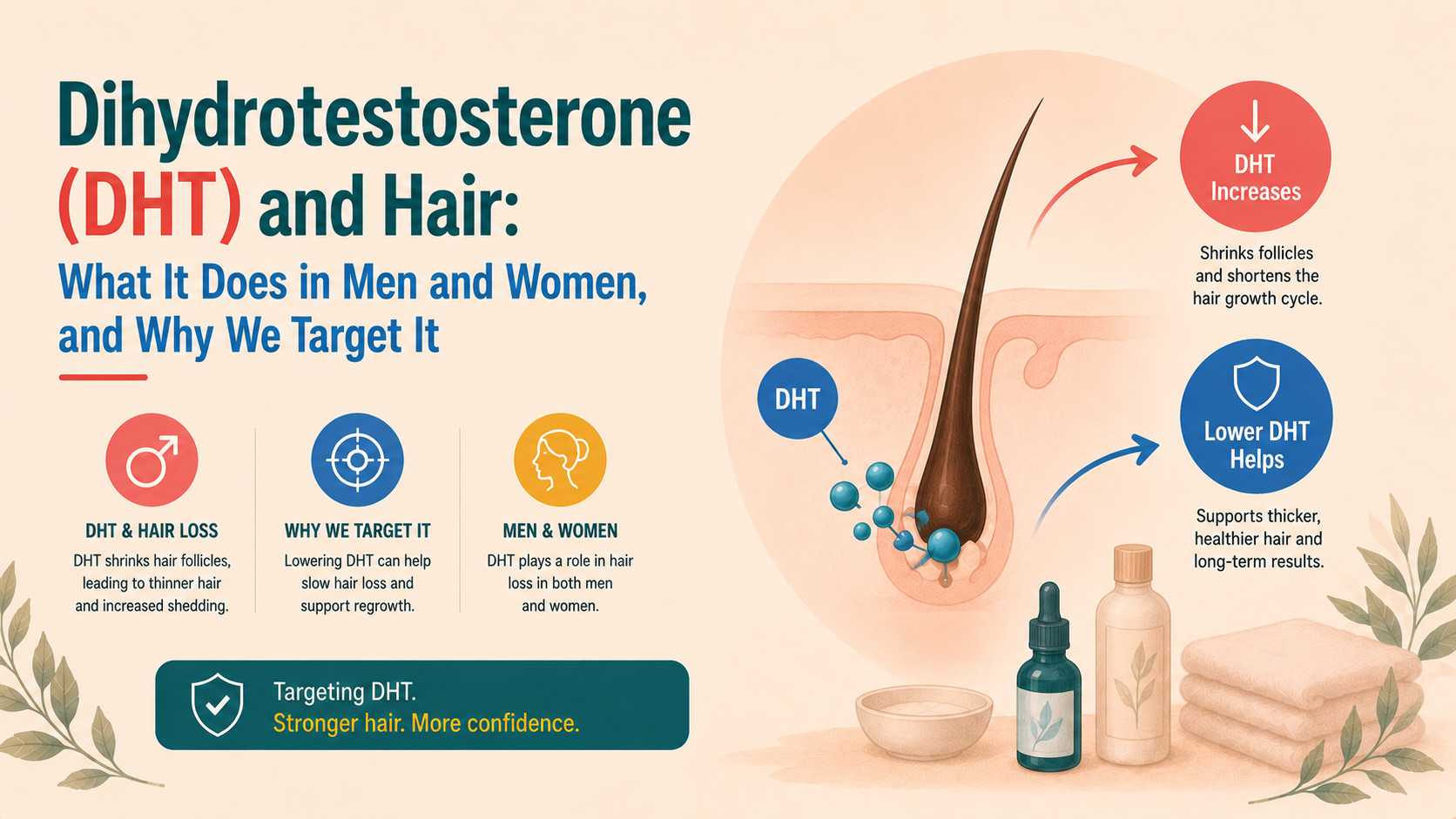
Minoxidil does not directly suppress DHT. In male pattern hair loss, it can support growth while the underlying androgen-related process continues. This is why a clinician may discuss combining it with a treatment that addresses that process.
In a 48-week trial of 393 men, 5% topical minoxidil performed better than 2% and placebo. The often-quoted figure of 45% more regrowth refers to the difference in improvement between the 5% and 2% groups. It does not mean that everybody gained 45% more hair across their scalp. Irritation was also more frequent with the stronger solution.
Topical minoxidil has established evidence in women too. The appropriate product and application schedule differ by formulation and country. For example, a once-daily 5% foam is licensed for female pattern hair loss in the UK. Avoid assuming that every 5% product has the same instructions.
Average trial improvements give a reasonable basis for trying treatment, but they cannot predict your final coverage. Starting photographs and a planned review are much more useful than comparing yourself with the most dramatic result online.
A tablet can make the routine easier, especially if topical treatment irritates the scalp or is difficult to apply consistently. Convenience is a legitimate benefit. It should not be confused with proof that oral treatment grows more hair for everyone.
A 2024 randomised trial enrolled 90 men, with 68 completing follow-up. Oral minoxidil 5 mg daily did not show overall superiority to 5% topical minoxidil twice daily on the main hair-density outcomes after 24 weeks. Crown photographs favoured the oral group, but the study was relatively small and short.
Low-dose oral minoxidil remains off-label for hair loss in the UK. It exposes the whole body to the medicine and should be prescribed after reviewing your blood pressure, cardiovascular and kidney history, other medicines and reproductive plans. The choice of dose and monitoring belongs in that consultation.
Topical minoxidil can cause itching, scaling, redness or unwanted facial hair. Irritation may come from the vehicle, including propylene glycol, or from minoxidil itself. A different formulation sometimes helps, but persistent dermatitis needs assessment. Applying it to damaged skin or using more than directed can increase absorption.
Oral minoxidil can cause extra facial or body hair, dizziness, palpitations and fluid retention. In a retrospective study of 1,404 patients, unwanted hair growth was the most common reported effect; relatively few stopped because of systemic symptoms. That is reassuring for appropriately selected patients, but observational data cannot rule out rare serious harm.
Oral minoxidil carries warnings about significant cardiovascular effects, including fluid around the heart. These warnings arose largely from its blood-pressure use, but serious reactions have also been reported with low-dose hair treatment. New chest pain, fainting or breathlessness needs urgent assessment. Swelling, rapid weight gain or a racing heartbeat should prompt medical review.
Minoxidil is generally avoided during pregnancy and breastfeeding. Discuss treatment before trying to conceive, and follow the specific product advice.
Apply the prescribed or labelled amount to a dry scalp, parting the hair so the product reaches the skin. Coating the hair itself wastes product and can make styling harder. Let it dry as directed before bed or contact with other people, and wash your hands afterwards.
Solutions and foams feel different, so a workable routine may matter more than a small theoretical advantage. Follow the instructions for your exact preparation, including how often to apply it and when it can be washed off. Do not double up to make up for a missed application.
Keep children away from treated skin and contaminated surfaces. Minoxidil can seriously poison cats and dogs, even after small exposures. Prevent access to bottles, spills, discarded tissues and contaminated bedding. If a pet may have been exposed, contact a vet immediately rather than waiting for symptoms.
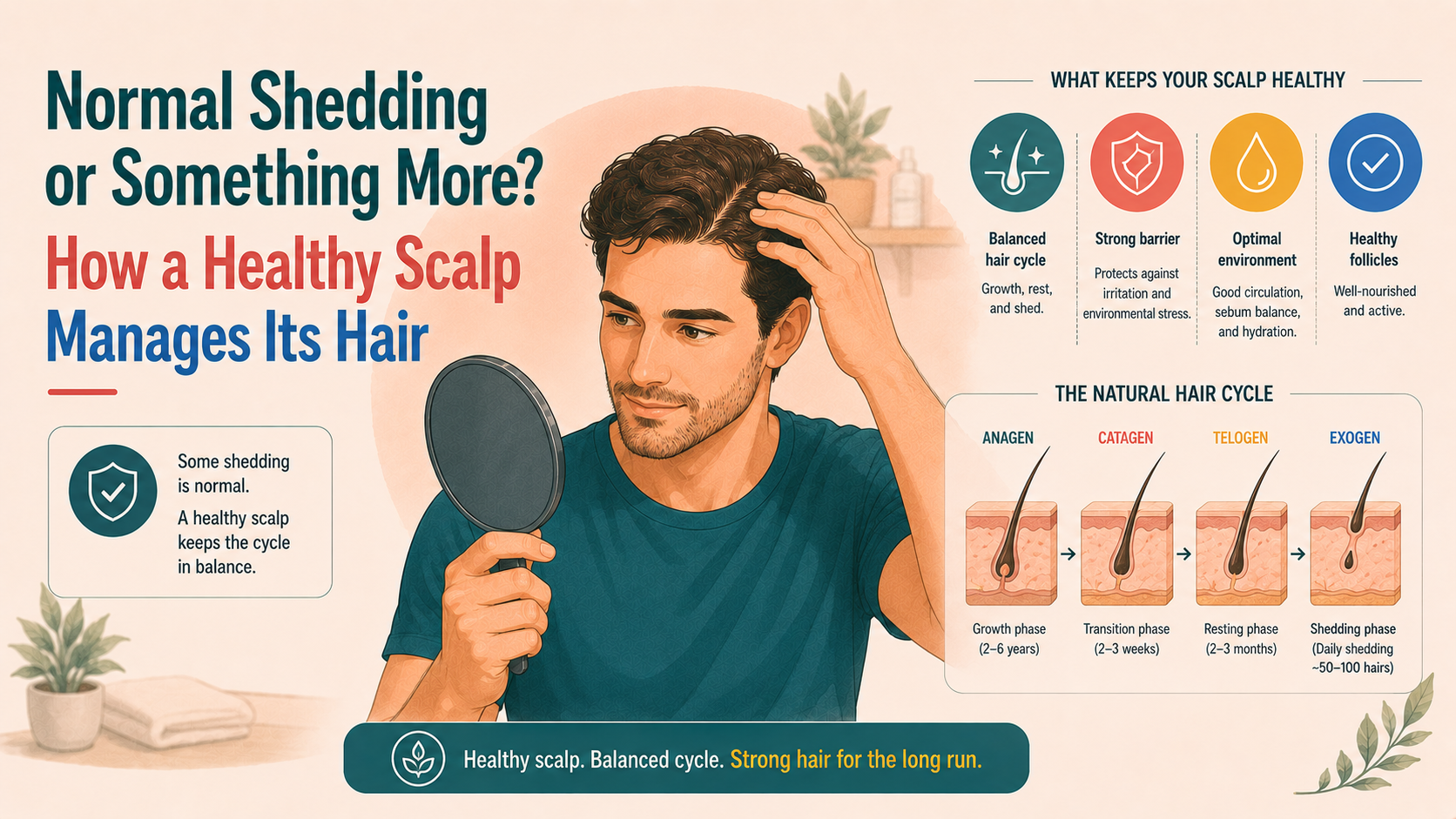
Some people notice a temporary increase in shedding after starting minoxidil, often during the early weeks as hair cycling changes. Others do not. A shed is neither a guarantee of future regrowth nor proof that the treatment is damaging your hair.
I have described in my video how frightening shedding felt when I used topical minoxidil. I stopped when I became worried, without being certain what had caused the change. Looking back, a proper assessment would have been more useful than trying to interpret every hair myself.
Persistent, severe or late-onset shedding should not automatically be labelled a normal minoxidil shed. Illness, other medicines, scalp disease and the original diagnosis may need review. Follow your product's advice about when to seek help.
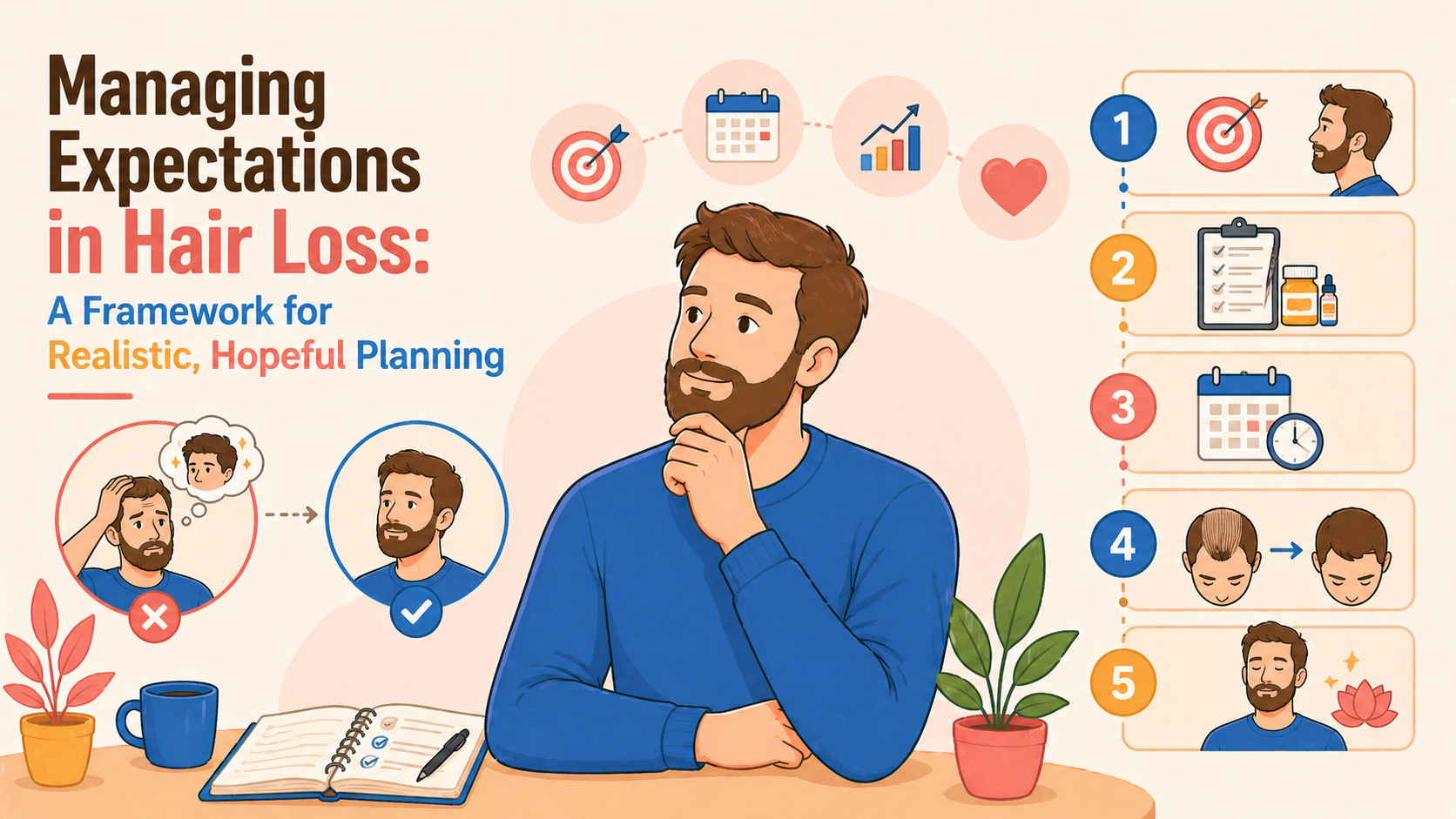
Visible benefit takes months. Agree an assessment point with your clinician or pharmacist and follow the labelled review timeframe. Use photographs with similar lighting, hair length and positioning; daily inspection tends to create noise rather than clarity.
A stronger concentration or a higher tablet dose may increase side effects without giving a proportionate improvement. Do not assume that a 10% bottle is twice as effective as a 5% one, or increase oral treatment on your own. First check whether the diagnosis, application and duration of treatment make sense.
Minoxidil does not create a permanent cure. Hair supported by treatment is usually lost again over the months after stopping, while the underlying condition may have progressed. That can make the change look dramatic. It does not prove that the medicine made your original condition worse.
There is also no universal expiry date at which minoxidil suddenly stops working. A plateau can represent the limit of regrowth, ongoing progression or changing adherence. Keeping the hair you would otherwise lose may still be a benefit, even when the photographs have stopped improving.
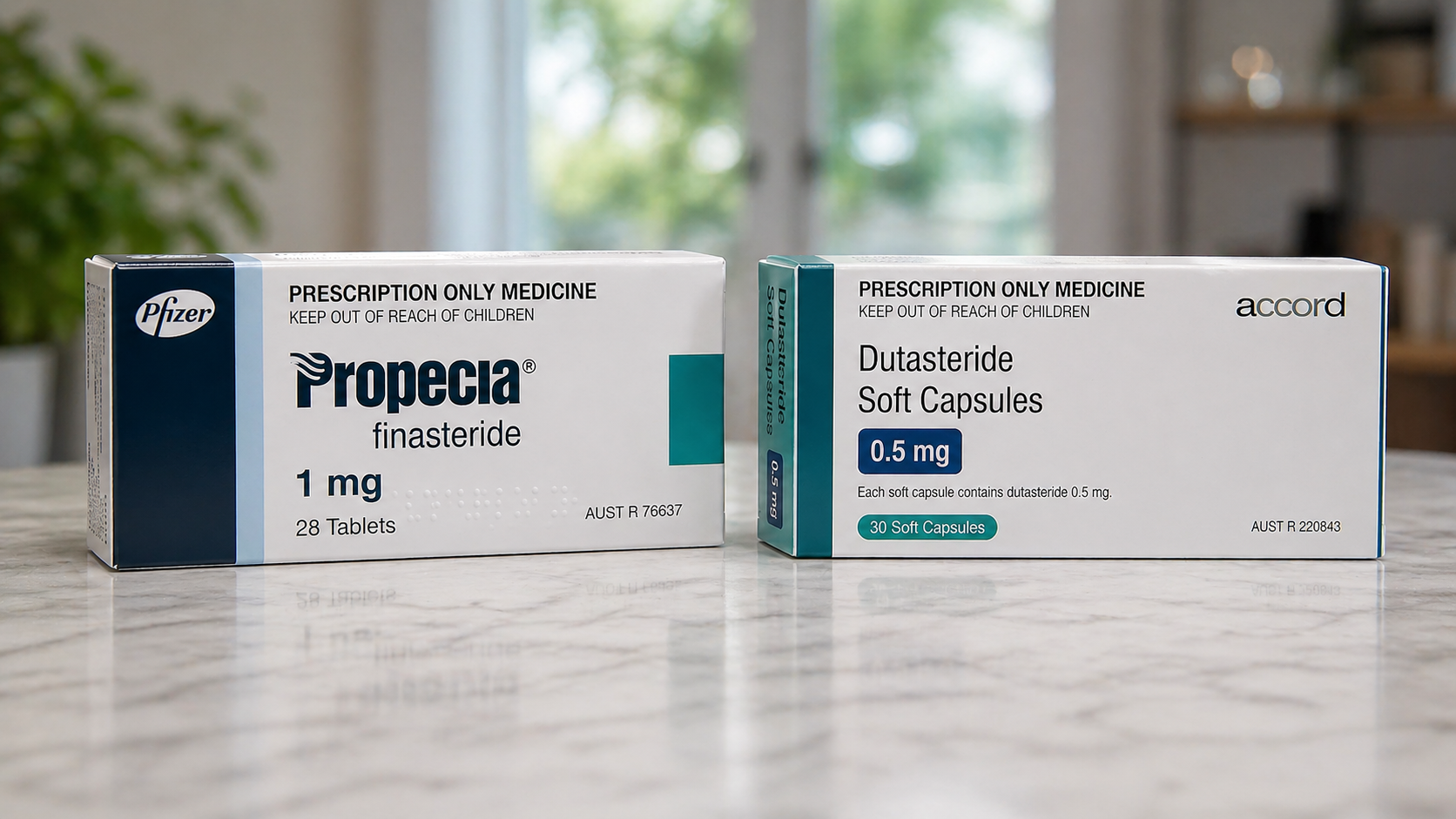
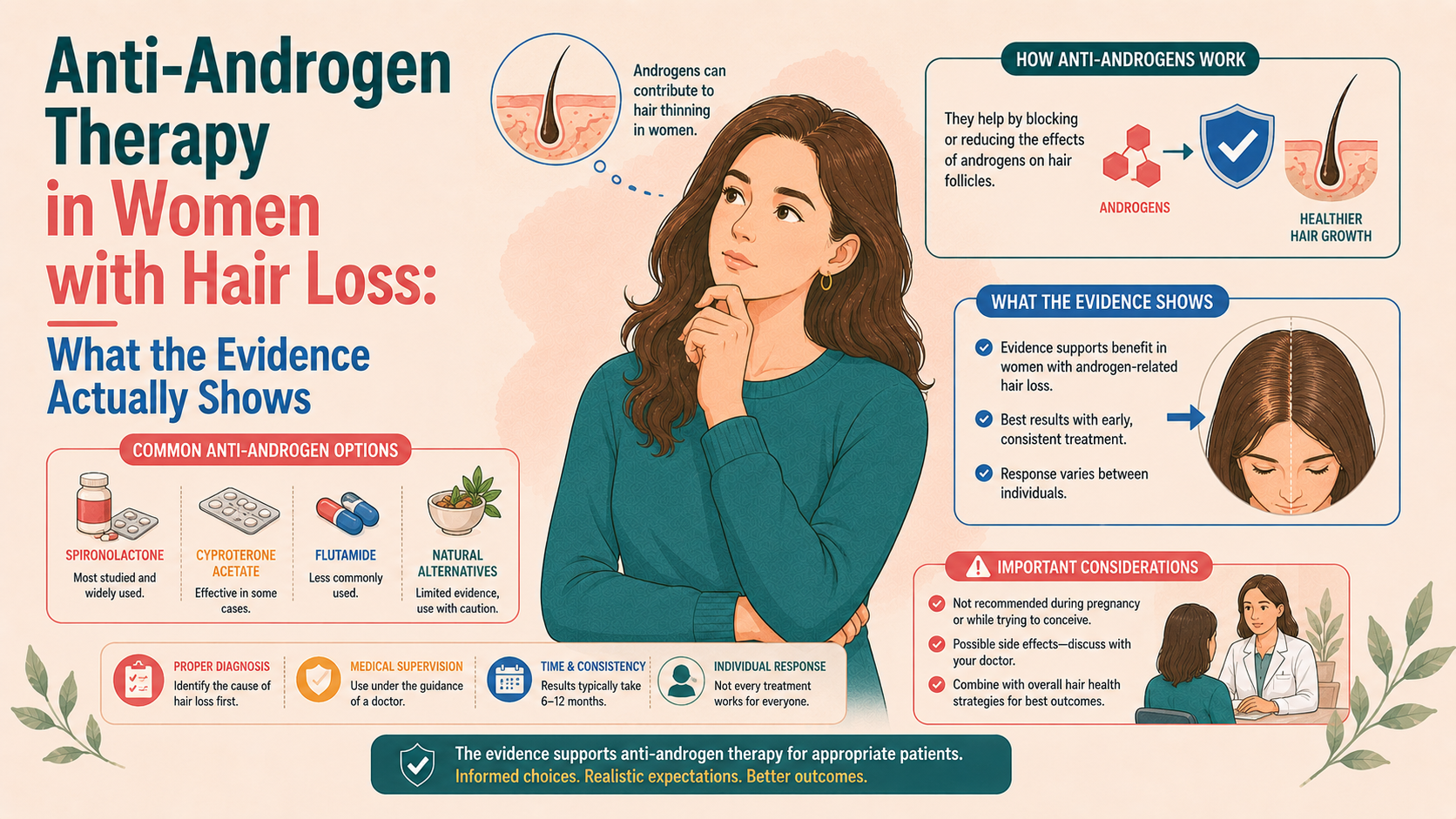
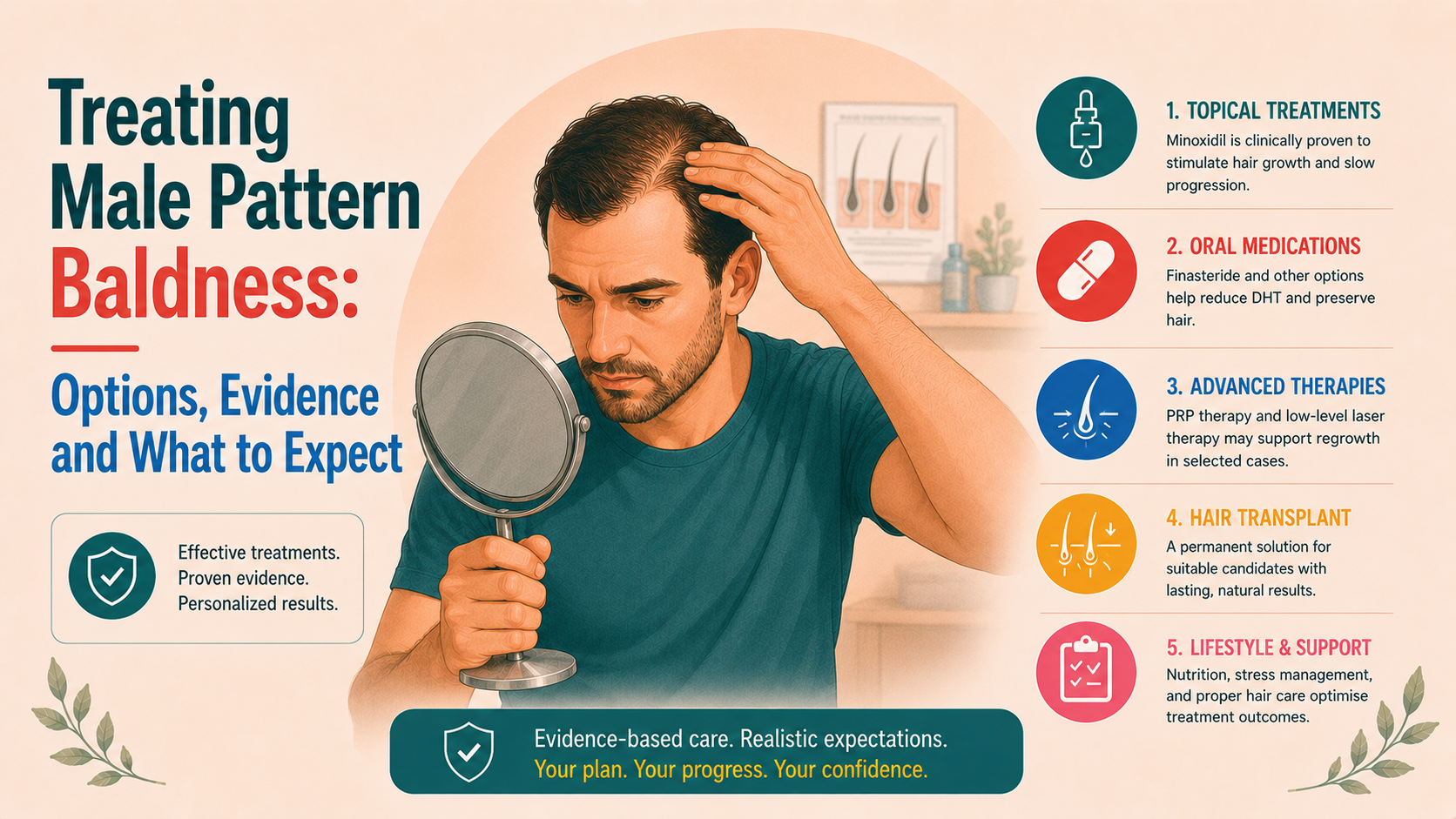
For men with confirmed pattern hair loss, finasteride or dutasteride may complement minoxidil. In selected women, a specialist may discuss an anti-androgen. Each additional medicine brings its own suitability checks and risks.
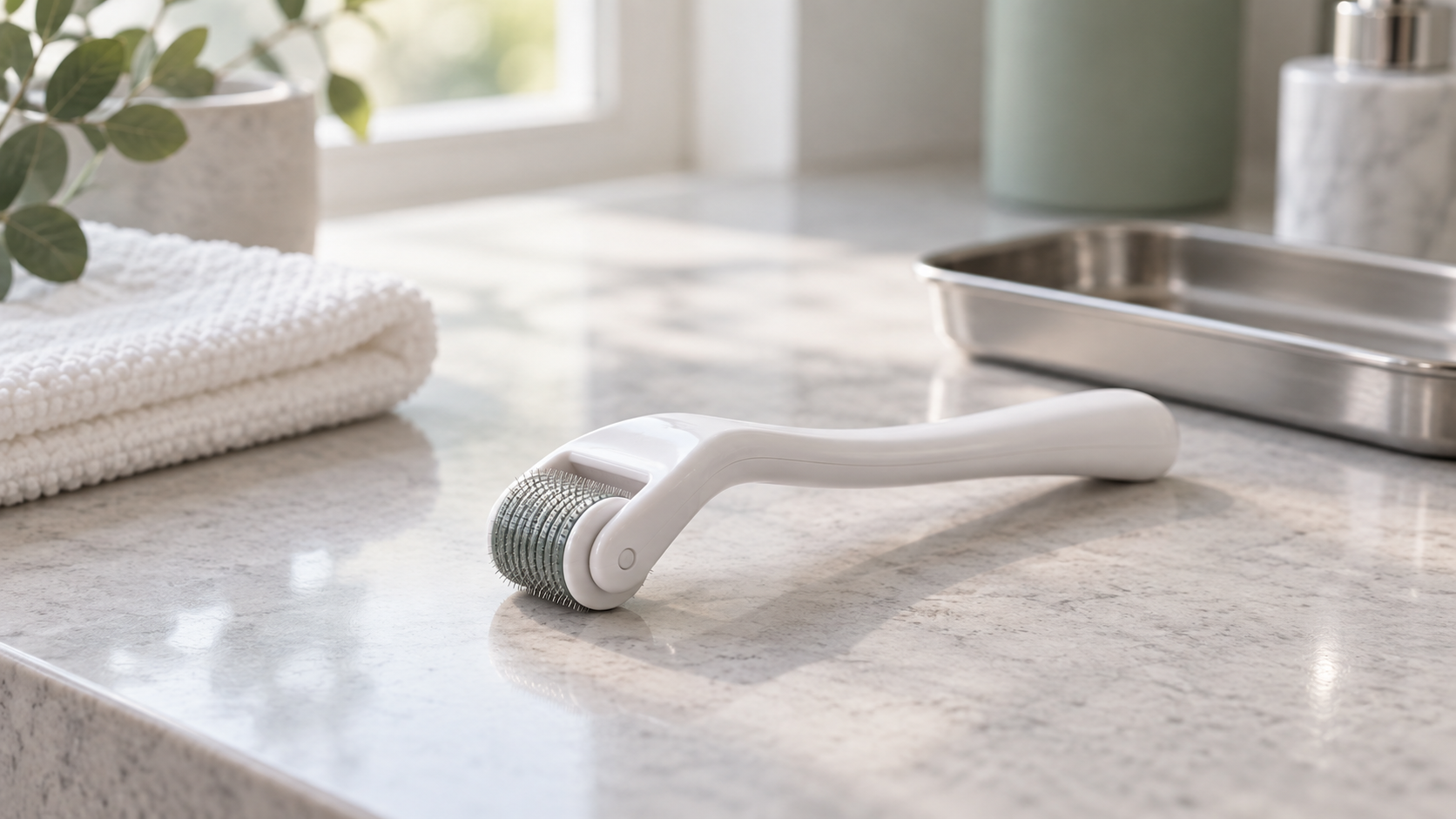
Microneedling has shown additional benefit with topical minoxidil in some trials, but the results depend on the protocol and population. A 2026 trial in 245 women found no added benefit from the shallow schedules tested. That matters because it challenges the idea that every minoxidil routine needs a roller.
PRP and light devices are also discussed as add-ons, with less consistent evidence and extra cost. I would want a clear reason to add something, rather than building a routine simply because somebody else uses it.
A useful treatment should fit your diagnosis and remain manageable over time. If a product is uncomfortable, unaffordable or consuming too much of your day, that is worth discussing rather than hiding from the clinician.
My aim is for you to understand what minoxidil can reasonably do, what would make it unsuitable and how you will decide whether it is helping. The video above explores those questions in more depth. Hair treatment can sit in the background while the rest of your life continues.