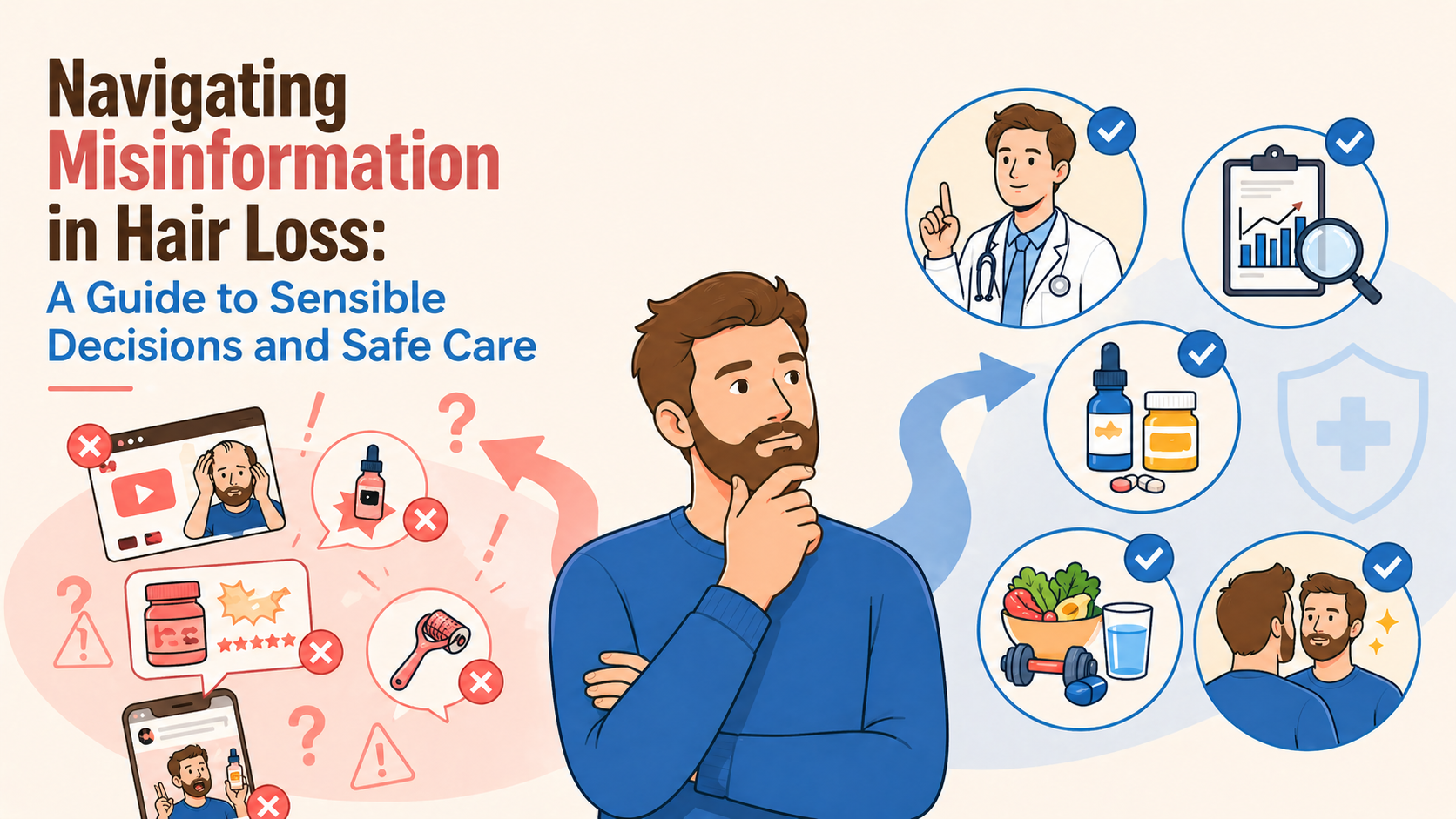
How to judge claims about medicines, procedures and natural alternatives without swinging between “nothing works” and promises of a cure.
![[headshot]](https://cdn.prod.website-files.com/68207da82e5b8c350c67932f/68c6a7436a552c0fe87a4da7_Screenshot%202024-11-27%20at%2011.38.11.png)
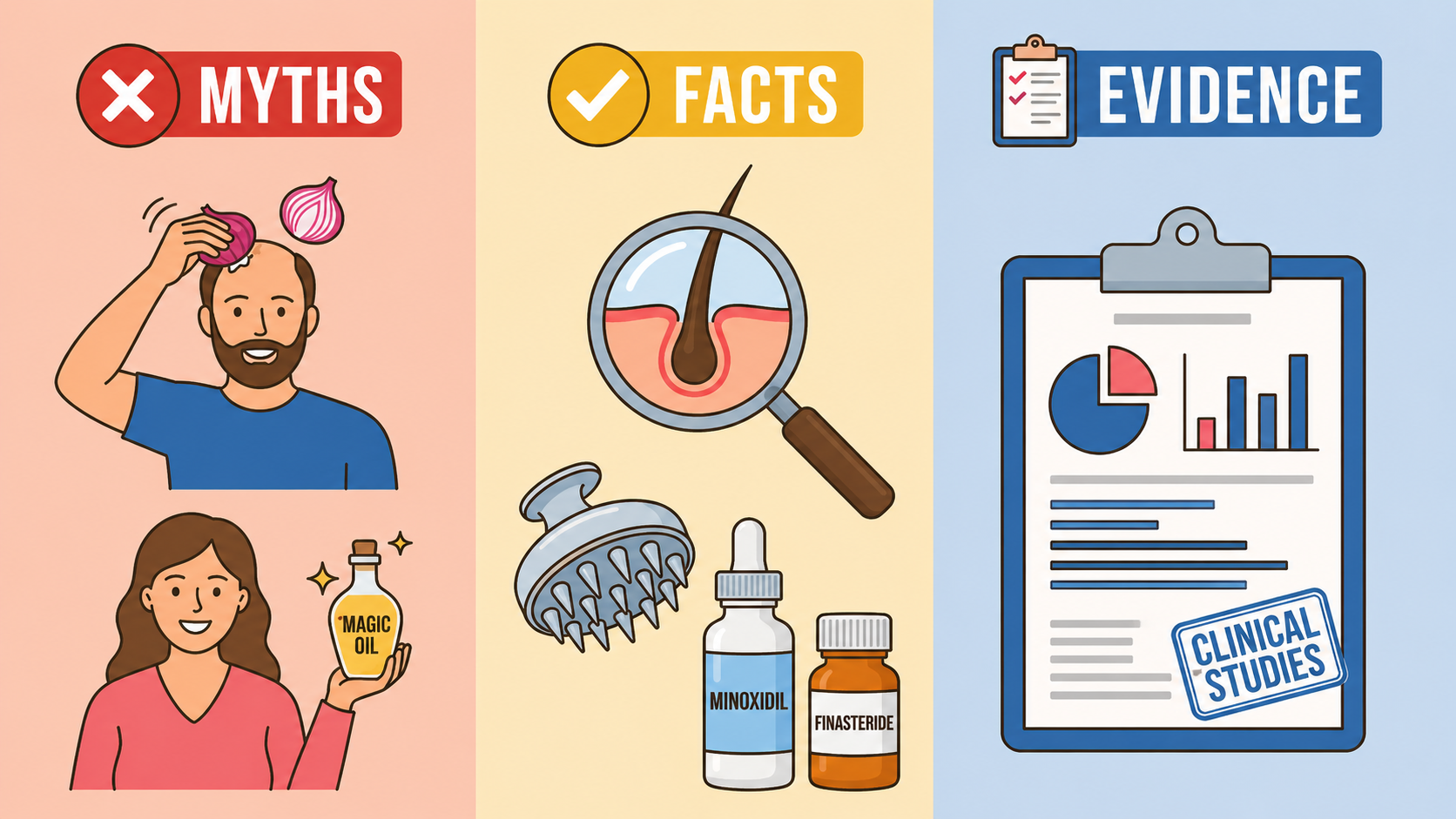
“Nothing works” is an understandable conclusion if you expected a full hairline and saw only modest improvement. It is still an inaccurate description of the research.
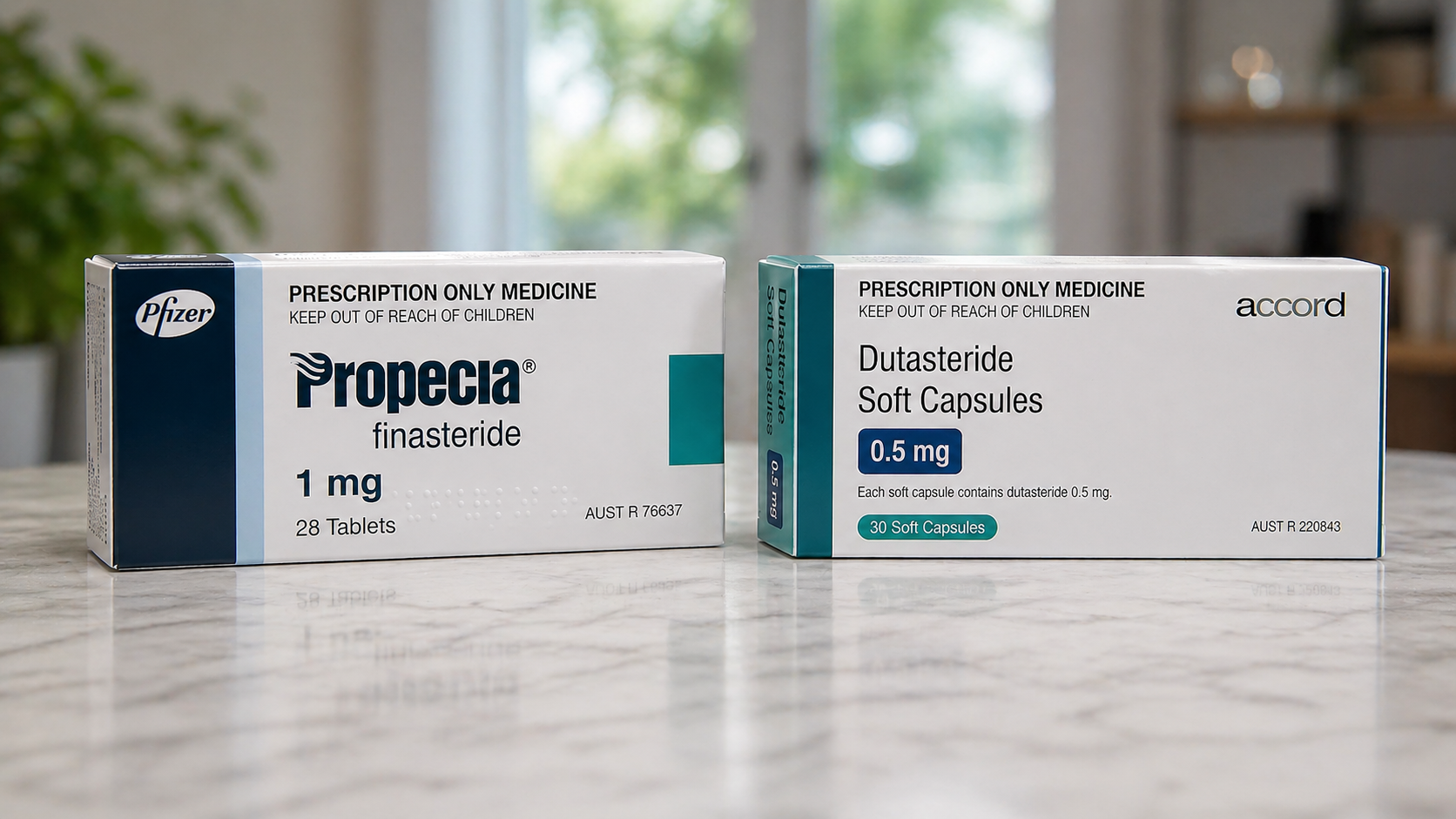
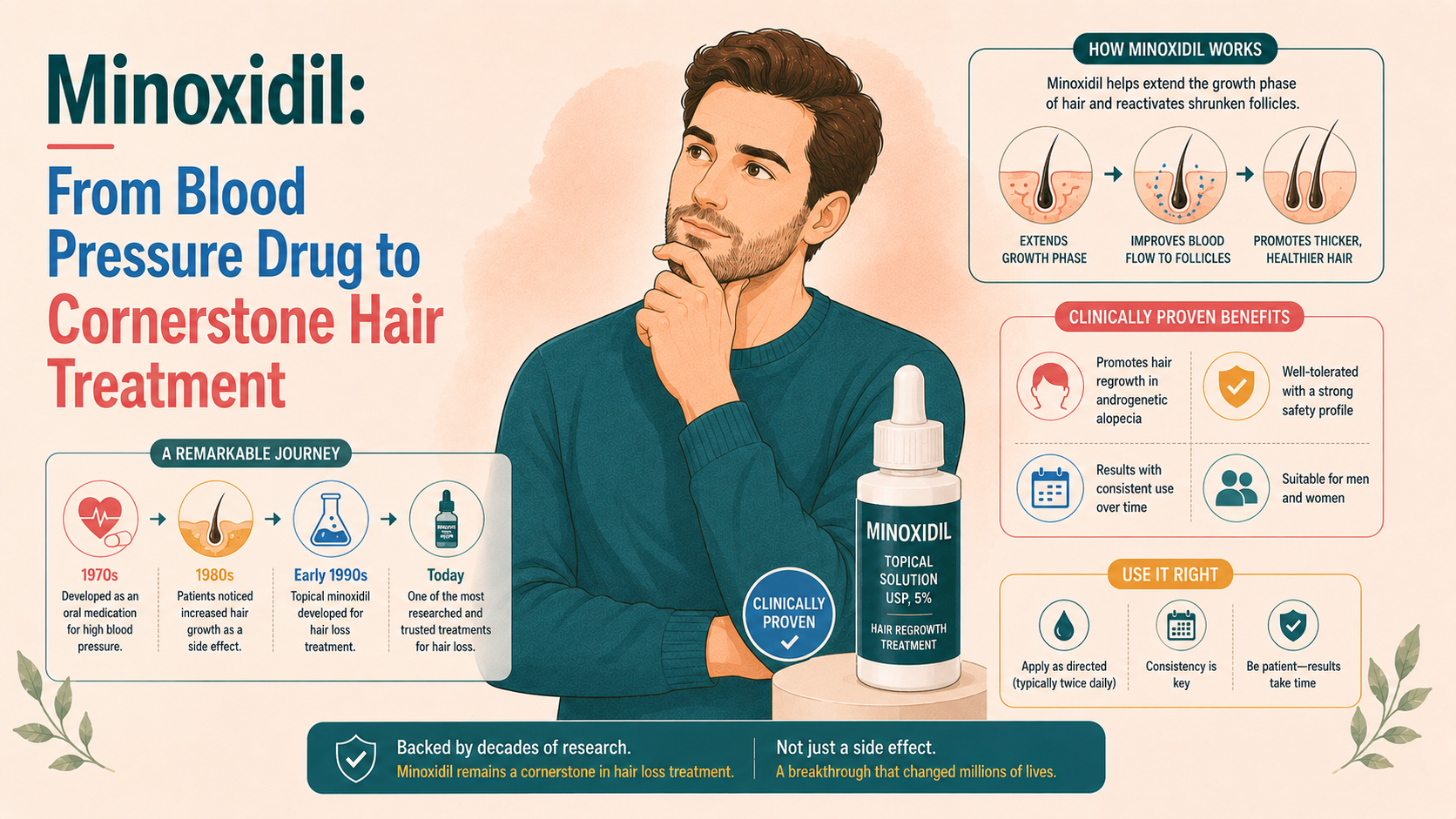
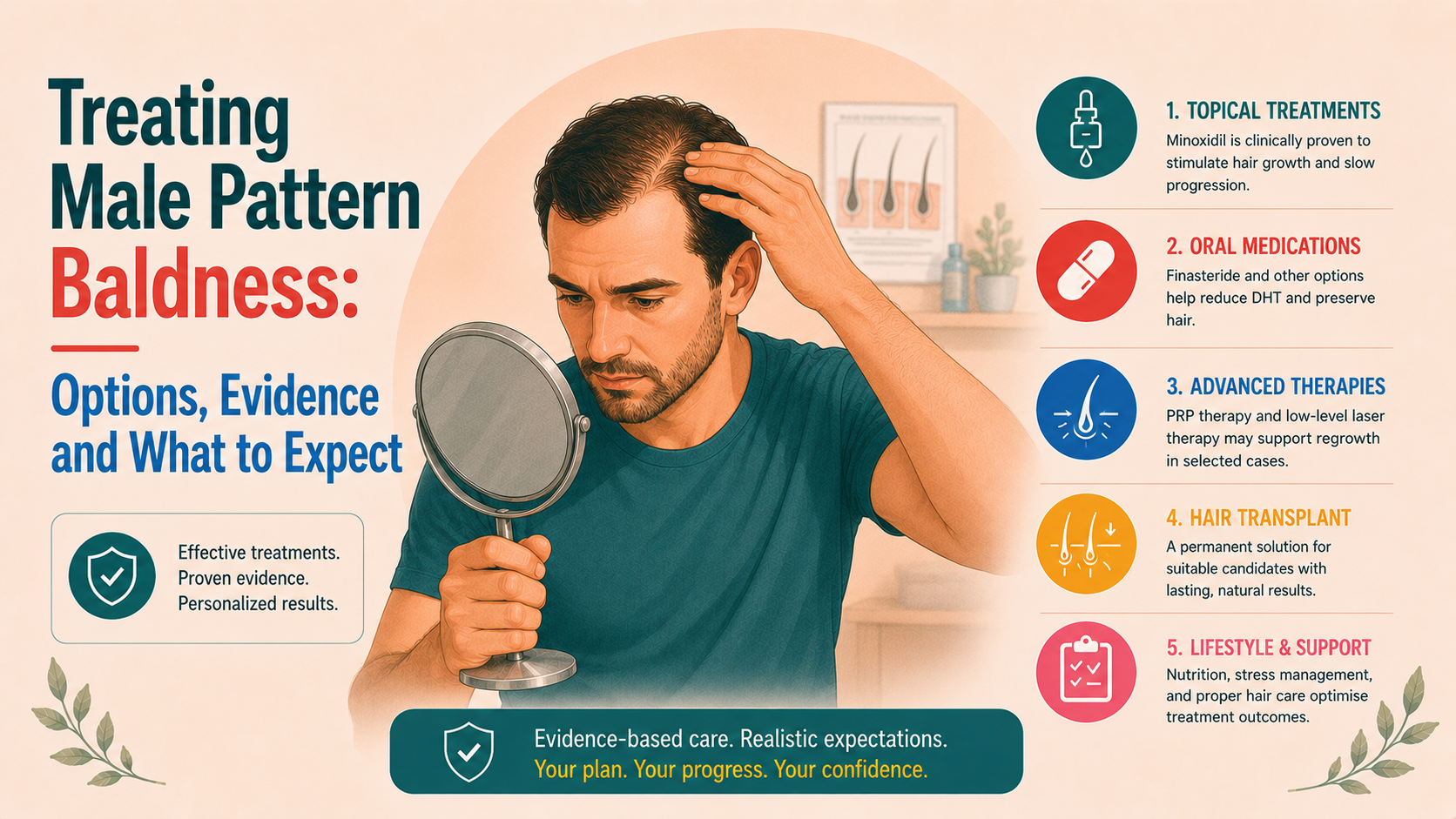
Trials show that topical minoxidil and, in suitable men, finasteride can improve hair outcomes compared with placebo. Dutasteride also has supportive evidence, with licensing depending on the country. These effects include maintaining hair that might otherwise have been lost, not only growing visibly more.
A study’s average improvement is not a promise about your temples. Diagnosis, baseline loss, response and tolerability all influence what treatment can achieve.
A medicine that produces more average growth can also bring different risks or a longer duration of exposure. Dutasteride stays in the body much longer than finasteride. Oral minoxidil is easier for some people to use, but it also acts throughout the body.
In a 2024 trial, oral minoxidil did not prove superior to topical minoxidil on the main hair-density outcomes. That does not make oral treatment useless; it means the choice should not rest on the assumption that tablets always work better.
Route and formulation matter. A topical drug can still be absorbed, and an injected version needs its own evidence. Results from one carefully studied product cannot simply be assigned to every compounded mixture.
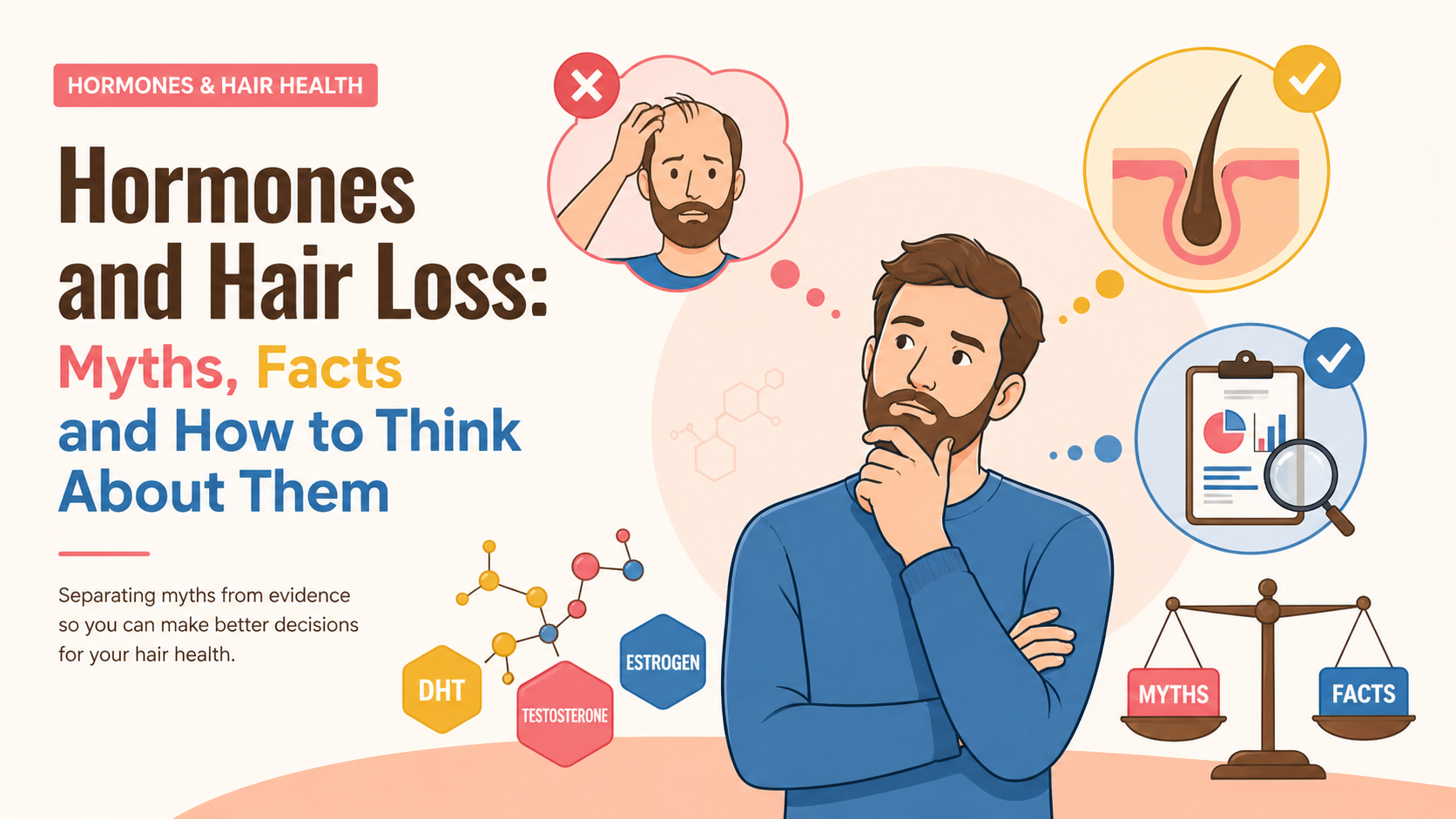
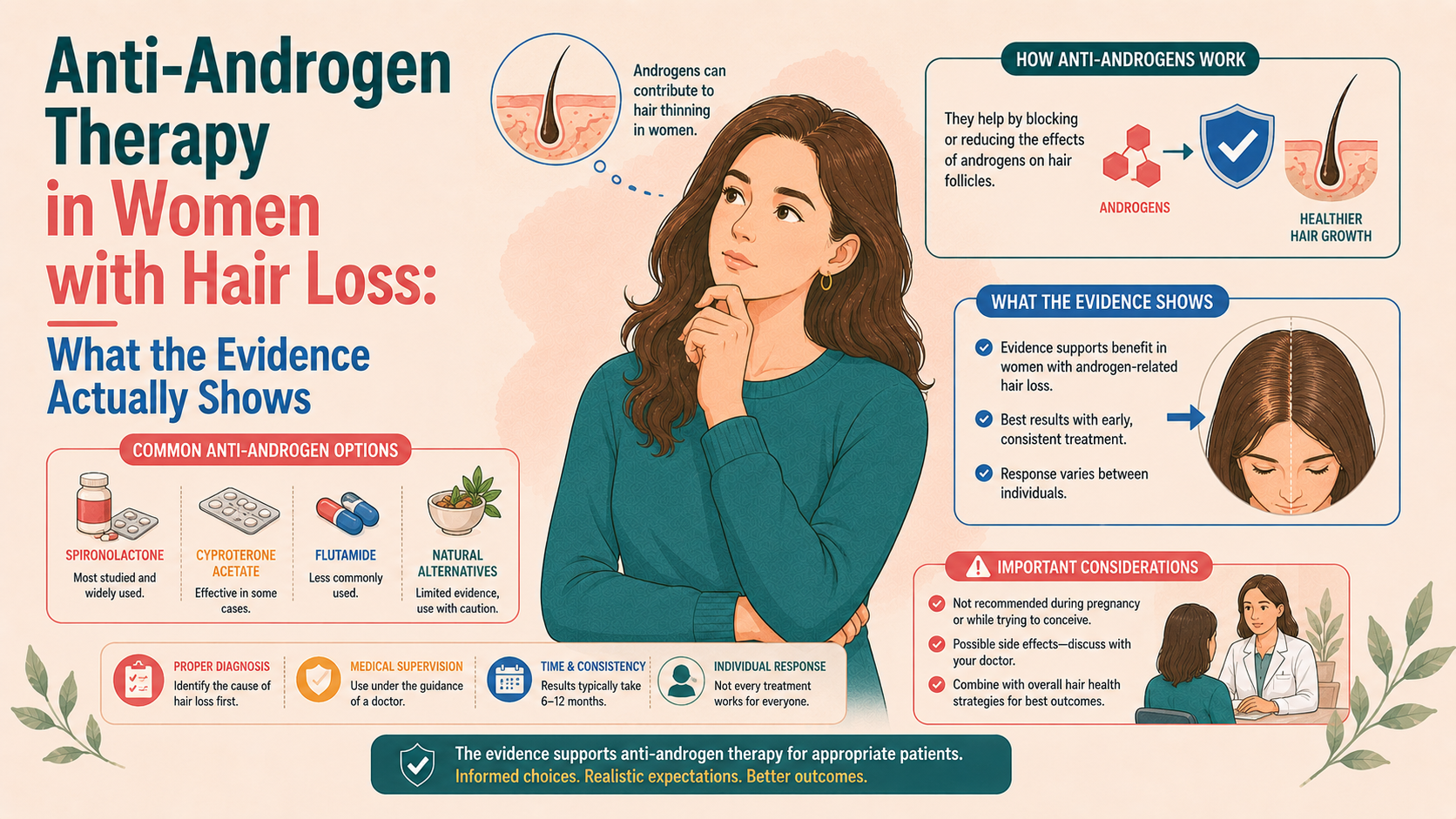
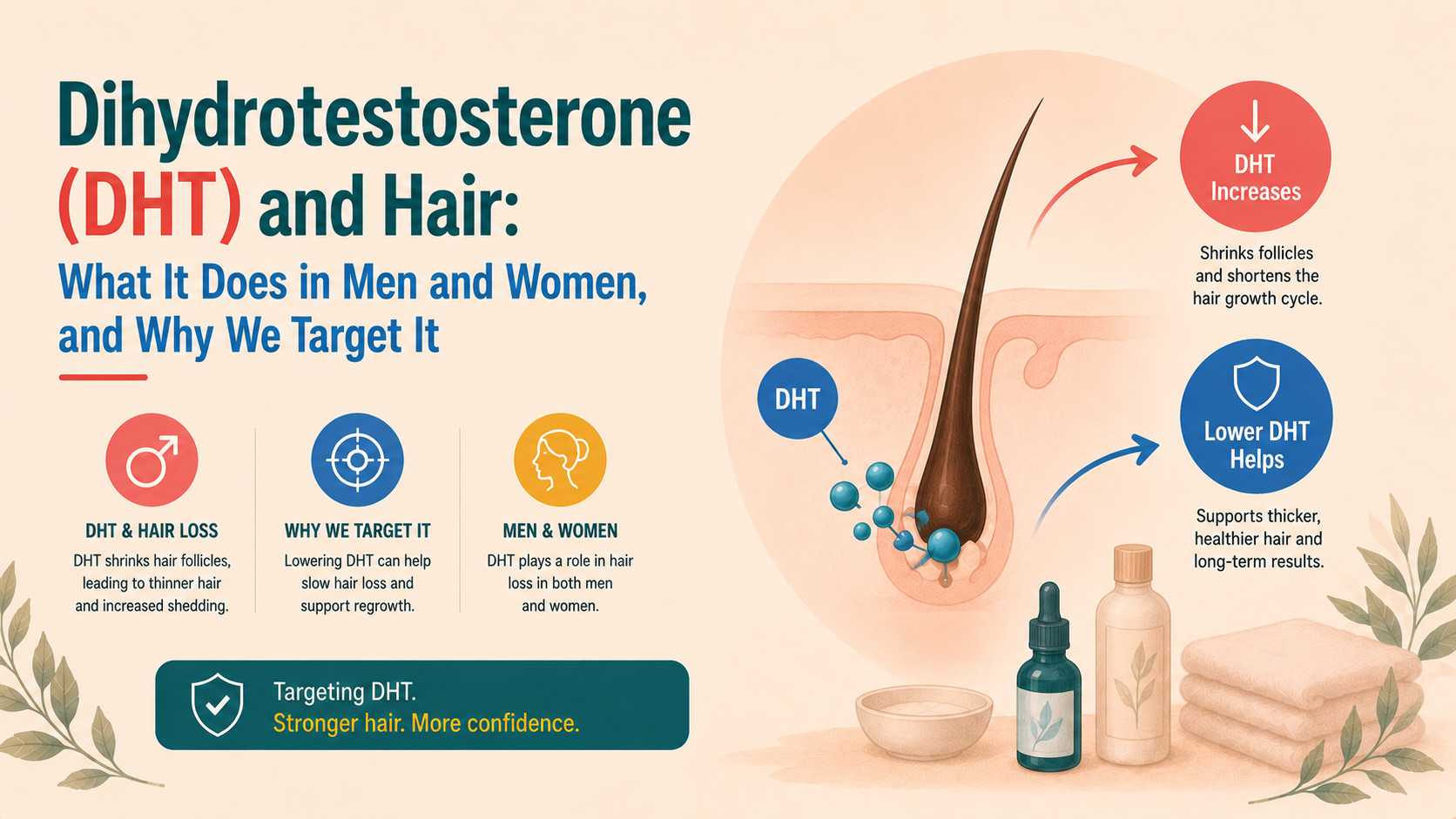
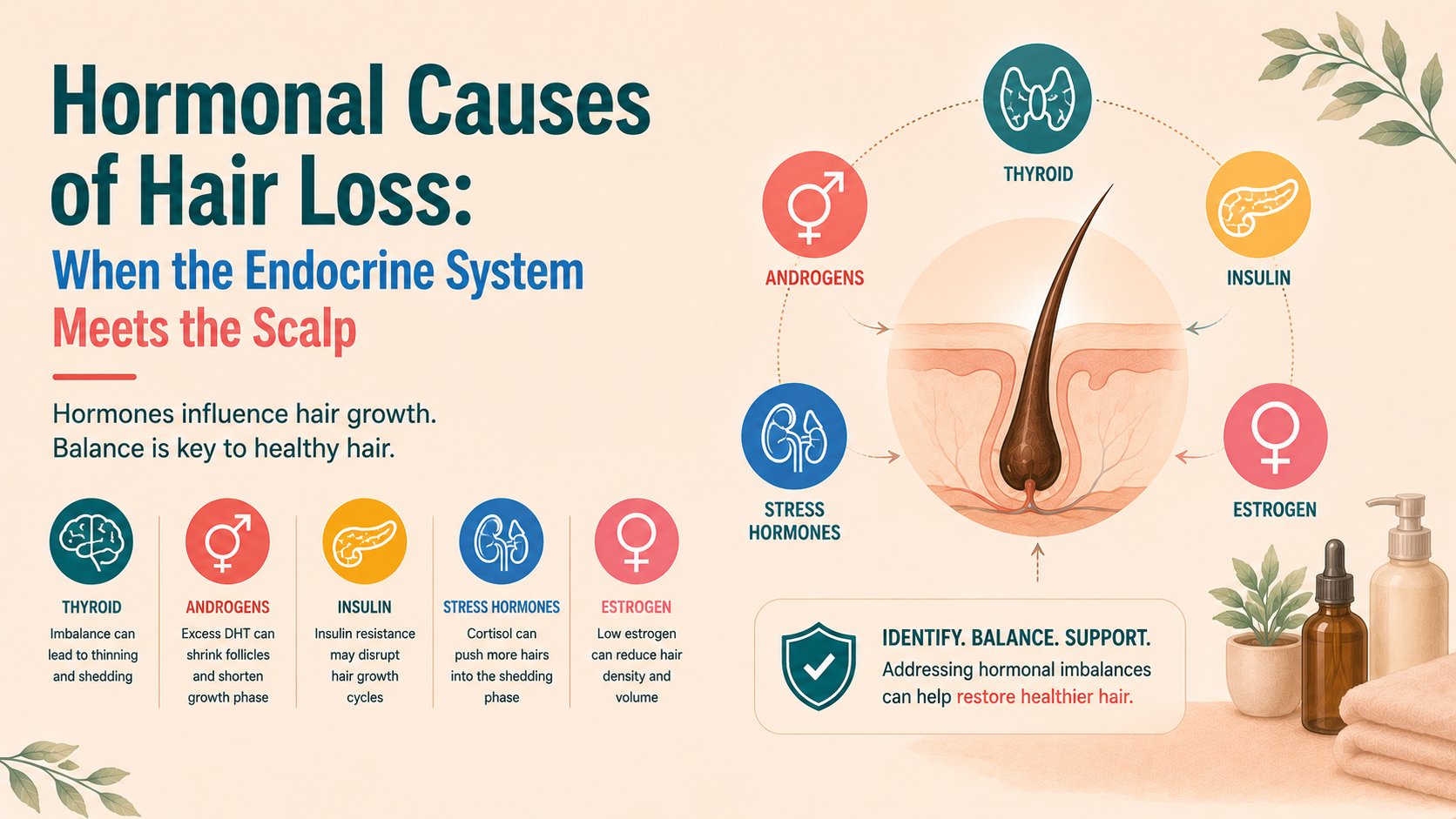
Finasteride and dutasteride reduce DHT; they do not stop testosterone production or amount to chemical castration. However, sexual adverse effects are real, and persistent symptoms after stopping have been reported. Their frequency and some longer-term uncertainties remain difficult to establish.
Mood-related warnings also matter. Current UK advice is to stop finasteride 1 mg and contact a doctor promptly if depression or suicidal thoughts develop. With dutasteride or finasteride 5 mg, contact the prescriber as soon as possible about mood changes. Immediate danger requires emergency help.
Fertility concerns should be discussed individually, particularly where there is pre-existing difficulty conceiving. It is too reassuring to claim that these medicines can never affect semen parameters, and too alarming to claim they inevitably cause infertility.
The right discussion explains likely benefits, recognised harms and uncertainty without dismissing someone who experiences a problem.
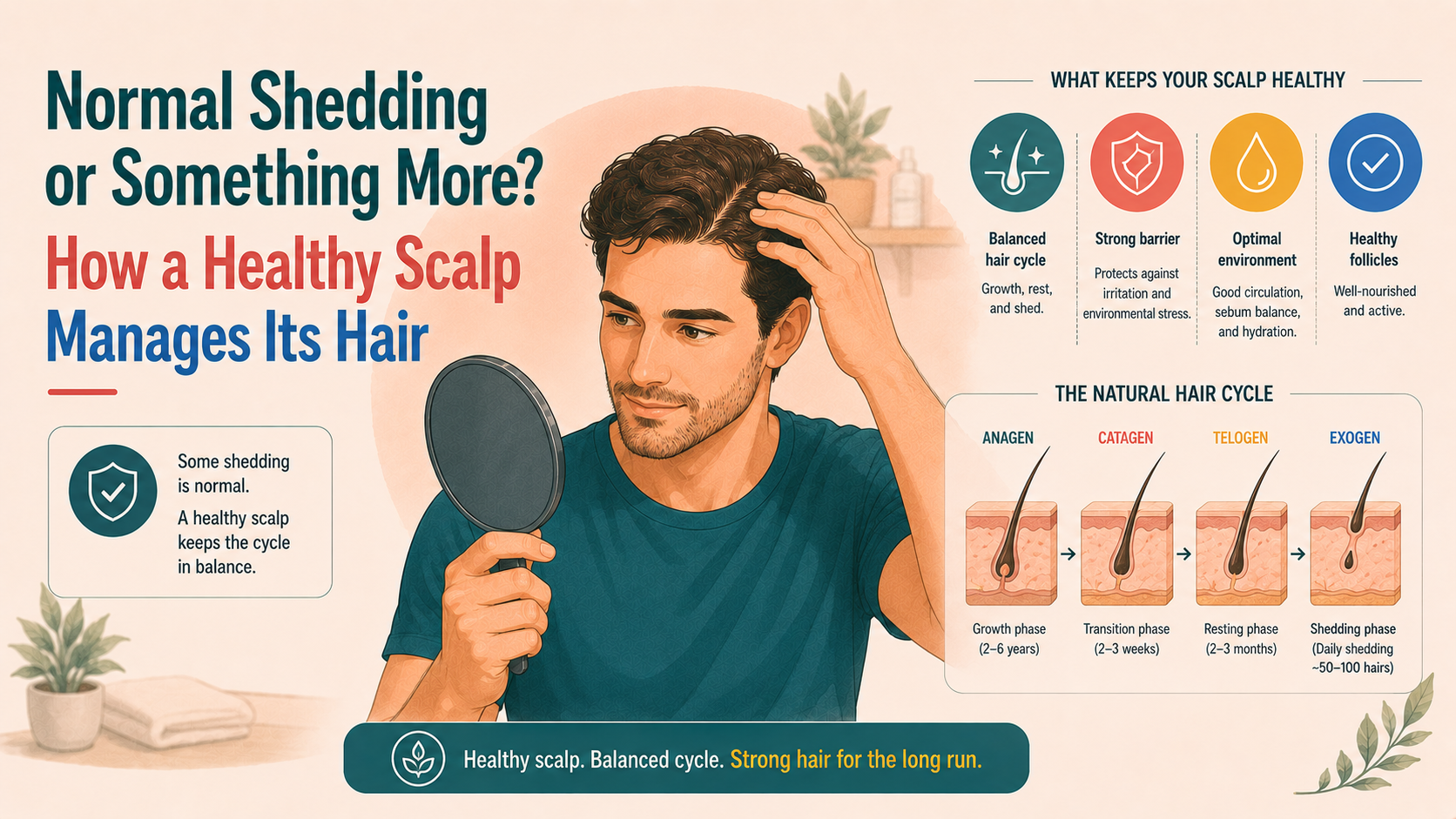
Minoxidil can cause an early increase in shedding as the hair cycle changes. That can be unsettling, especially when you started treatment to see less hair falling out.
It does not prove that the treatment will eventually work, and not everyone who benefits has a noticeable shed. Persistent, severe or unusual loss should be reviewed. The evidence for a predictable finasteride-related shed is less clear, so it should not become an automatic explanation for deterioration.
Likewise, an itchy or bleeding scalp is not a sign that a procedure is working harder. More irritation is not a substitute for evidence of benefit.
Most medical treatments for pattern hair loss need continued use to retain their benefit. When an effective treatment stops, the hair it was helping maintain may be lost over subsequent months.
That is different from addiction. It reflects the ongoing condition and the loss of treatment effect. We cannot predict exactly how a particular person would have looked had they never started, so precise promises about returning to an imagined “untreated baseline” go too far.
You can decide that continued treatment no longer fits your priorities. Understanding what may happen afterwards allows a considered decision rather than feeling trapped.
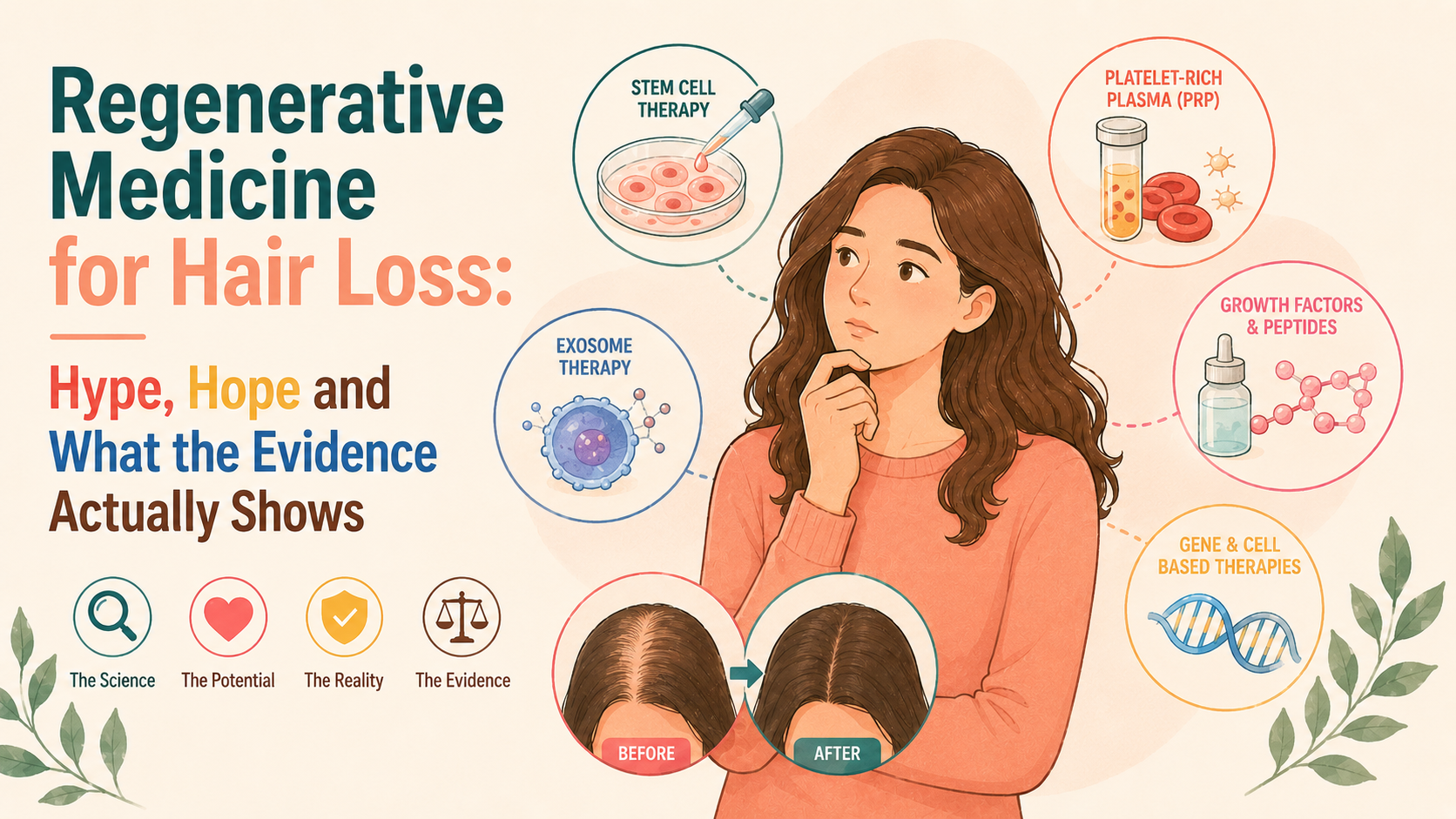
Some trials support platelet-rich plasma, microneedling with minoxidil and particular light devices. The size of the benefit, durability and treatment schedules remain less certain than marketing often suggests. A positive study of one device does not validate every red-light cap.
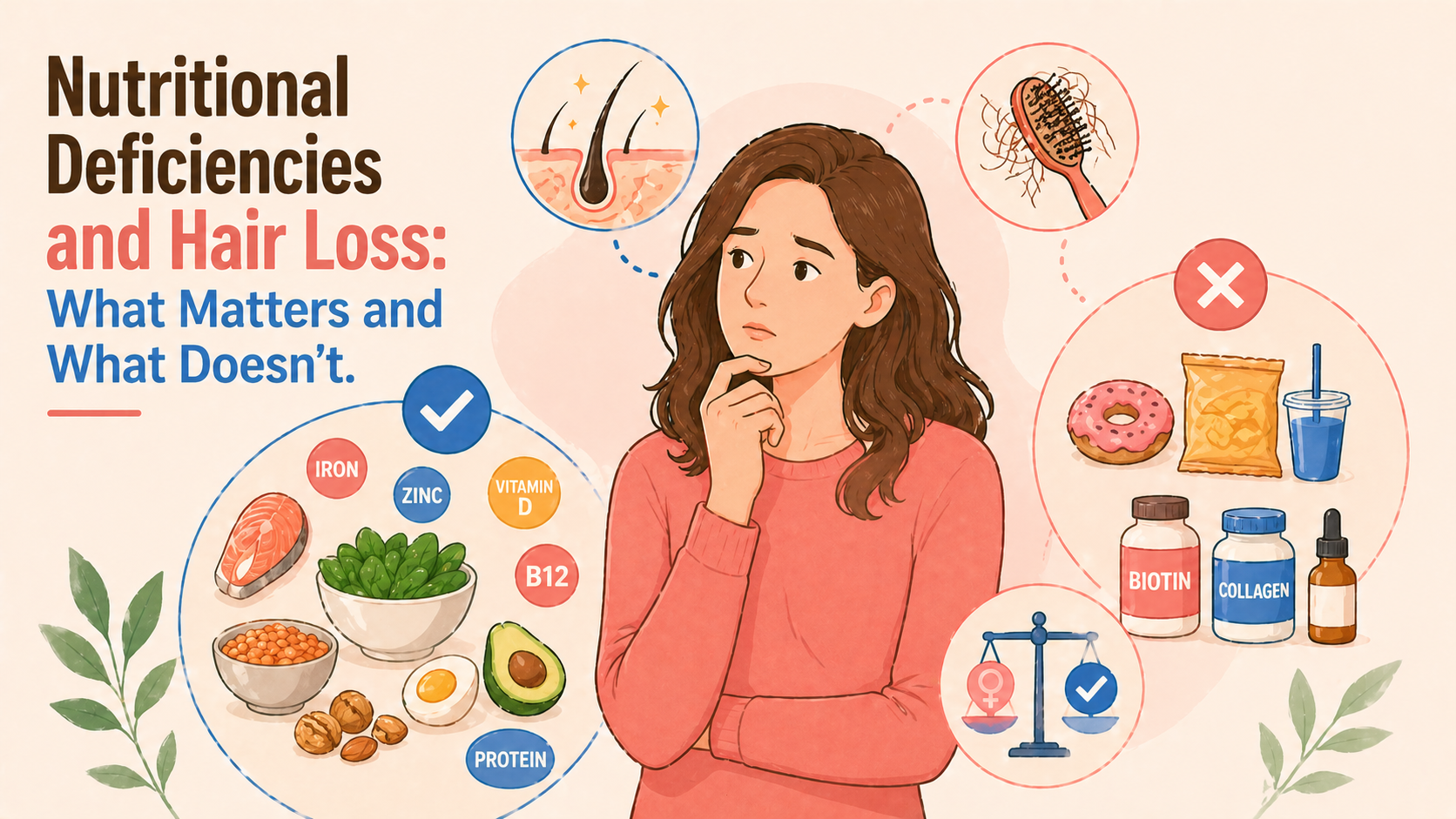
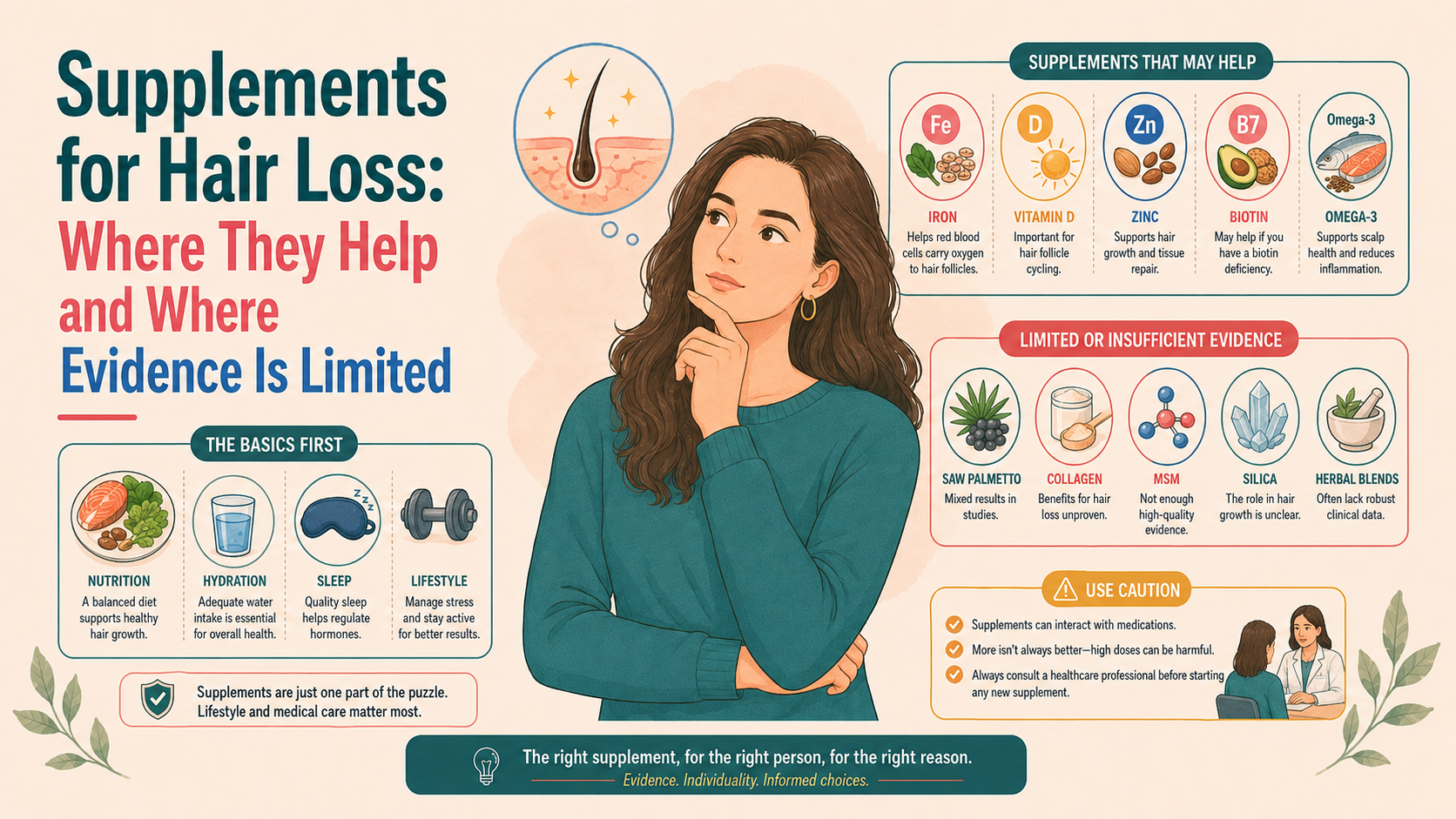
Some supplements also have positive studies, but a useful ingredient or a laboratory mechanism does not prove a whole product treats pattern loss. Natural products can have adverse effects and interactions.
Exosomes and cell-based treatments should be distinguished from better-studied options such as PRP. Early signals do not establish a reliable cure or adequate long-term safety.
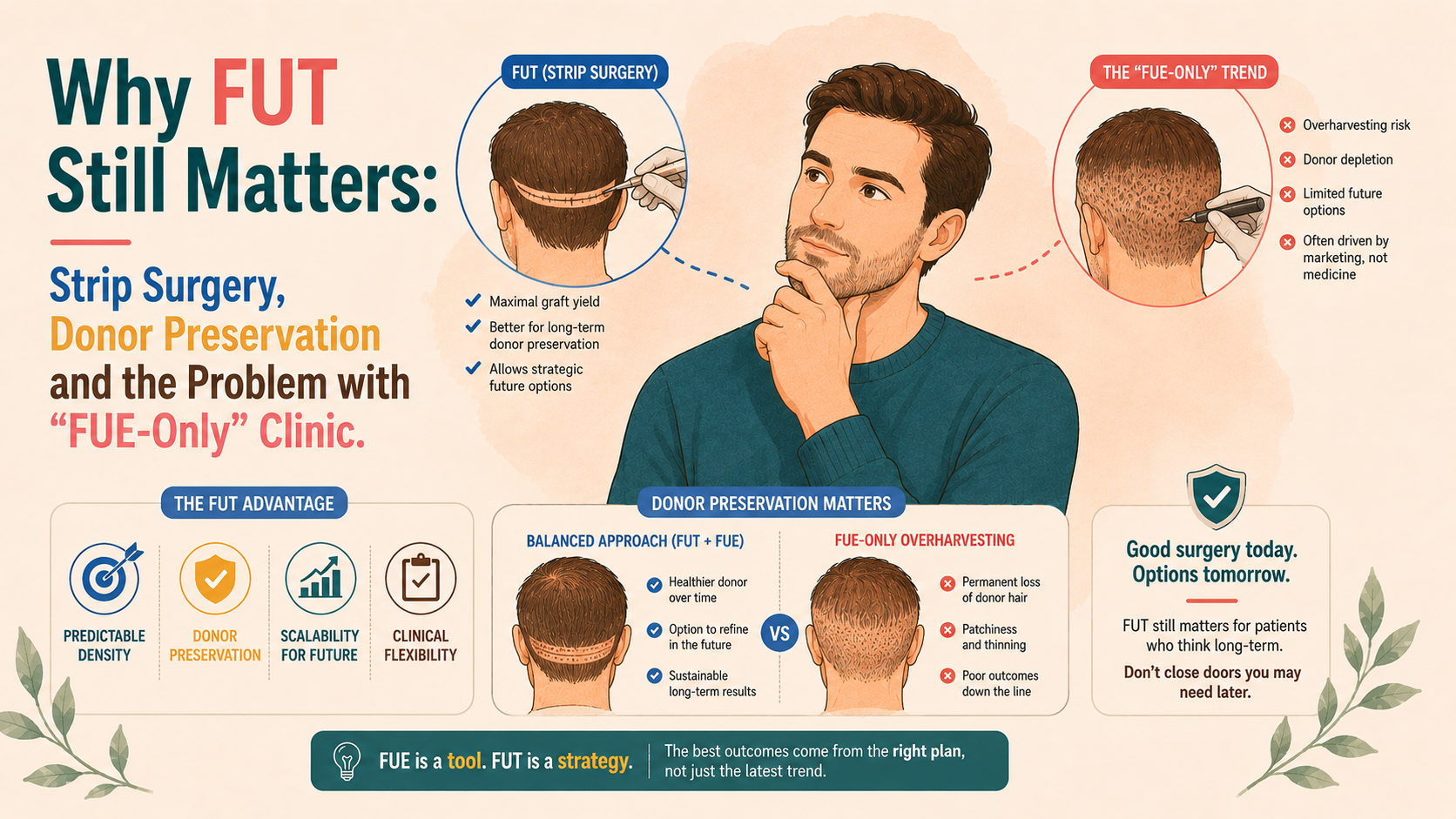
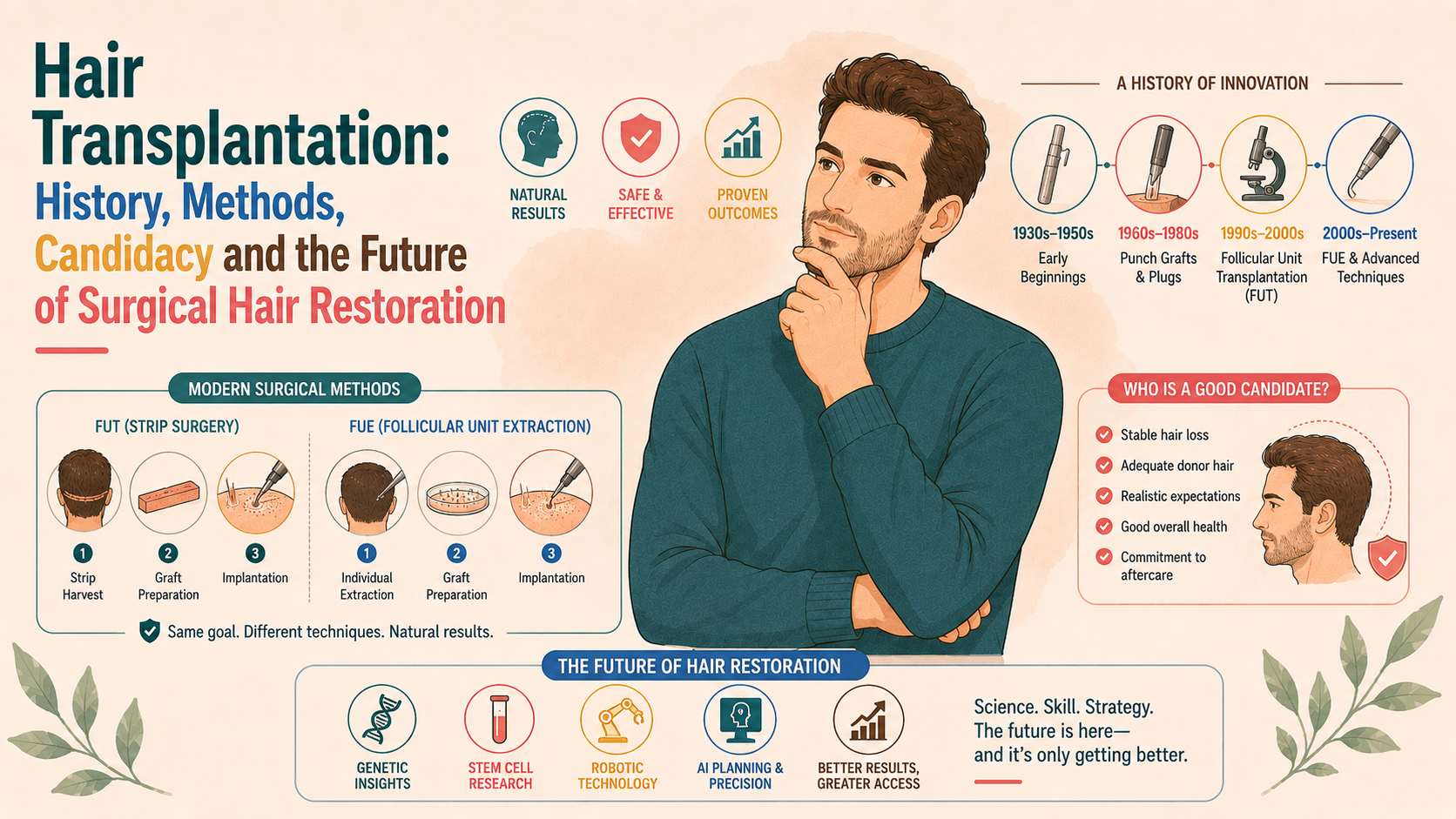
Surgery moves a finite supply of donor follicles. It can make a substantial cosmetic difference, but existing hair may keep thinning around the result.
Medical treatment is often discussed to protect that surrounding hair. If you cannot tolerate it or do not want it, the surgeon should explain how this changes the plan, rather than treating medication as an unquestioned condition of success.
I find treatment claims easier to judge when the question is specific: what was tested, in whom, compared with what, and for how long? The answer should lead to a realistic choice, not an ever-growing shopping list.