A comprehensive overview of treatments that exist, includig surgical, non-surgical, medicinal, and cosmetic.
![[headshot]](https://cdn.prod.website-files.com/68207da82e5b8c350c67932f/68c6a7436a552c0fe87a4da7_Screenshot%202024-11-27%20at%2011.38.11.png)
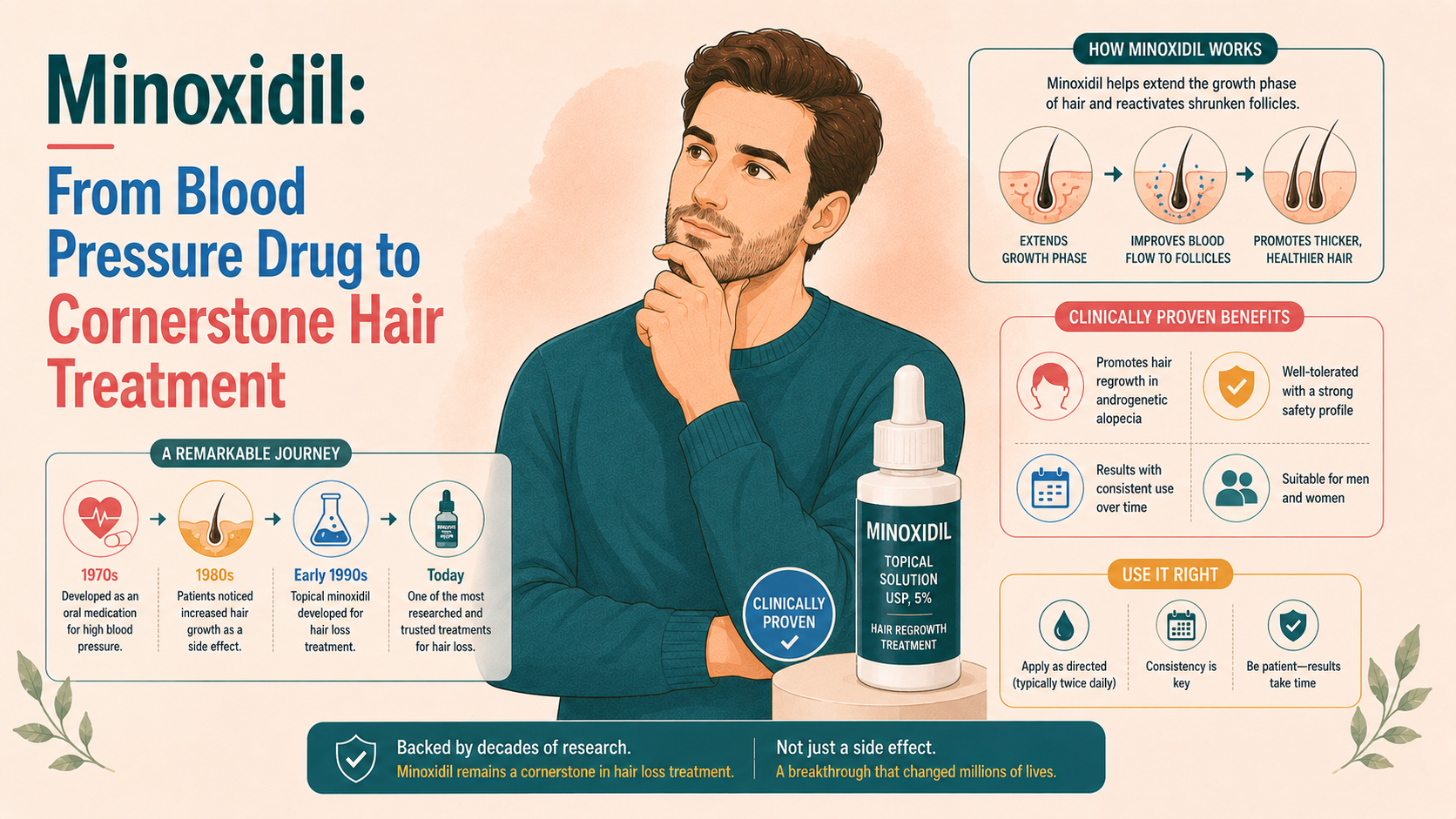
Minoxidil is one of the best-studied treatments for hair loss. First used as a blood pressure medication, it was later repurposed after hair growth emerged as a “side effect”. This article explains how it was discovered, how it works, the evidence behind topical and low-dose oral forms, practical use, side effects and common myths.
Read More ->Finasteride and dutasteride are the main drugs used to tackle the hormonal component of androgenetic alopecia. This article explains how they were discovered, how they work, what the evidence shows for men and women, topical versus oral options, and side effects (including the controversies).
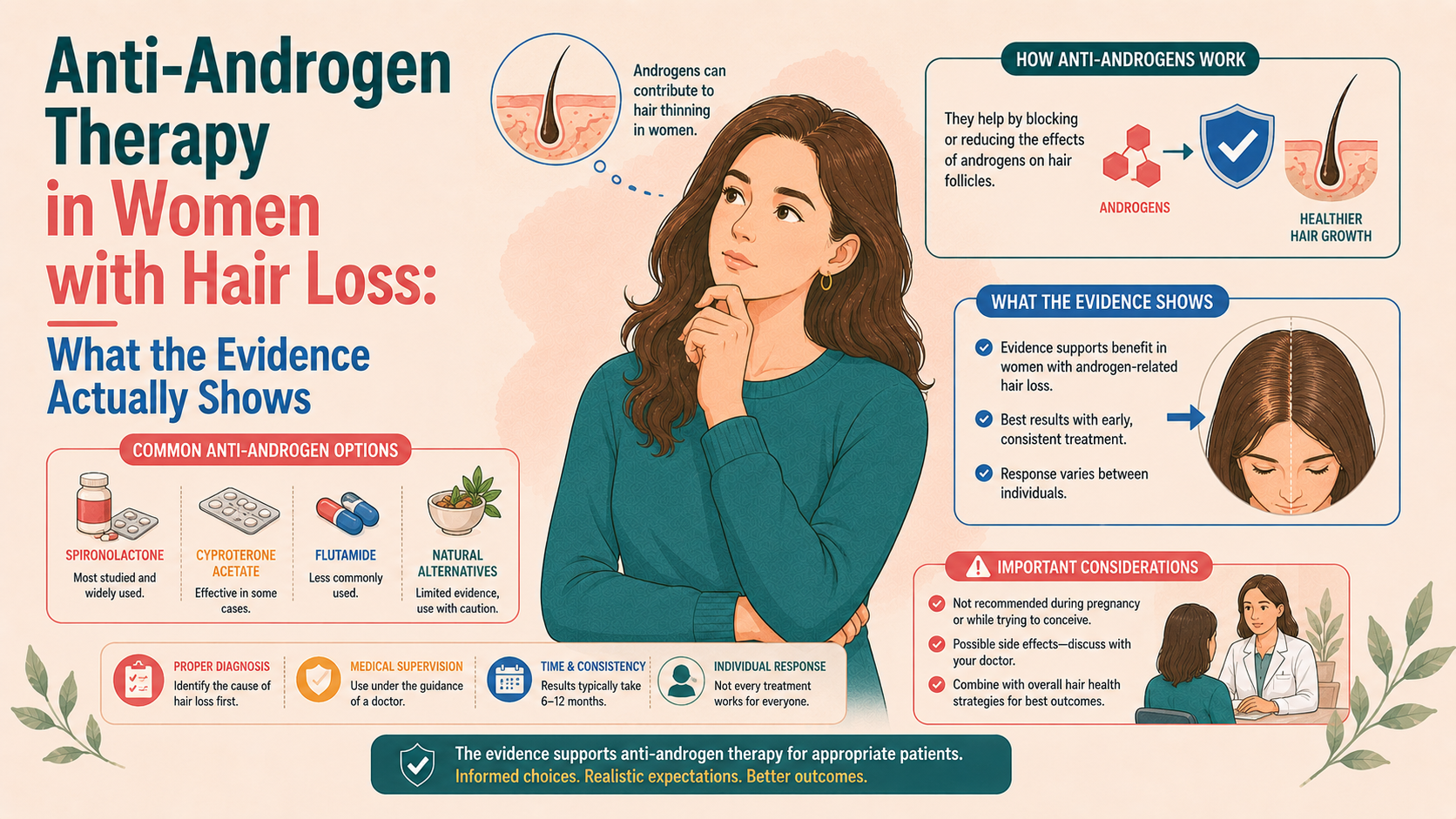
Read More ->Androgens play a role in female pattern hair loss and in hair loss linked to conditions such as polycystic ovary syndrome (PCOS). Anti-androgen drugs – spironolactone, cyproterone acetate, certain oral contraceptives, flutamide, bicalutamide and 5α-reductase inhibitors – are used to blunt this influence. This article explains when and why they are used, what the evidence shows regarding efficacy and side effects, and how to determine whether they are appropriate for a particular woman.
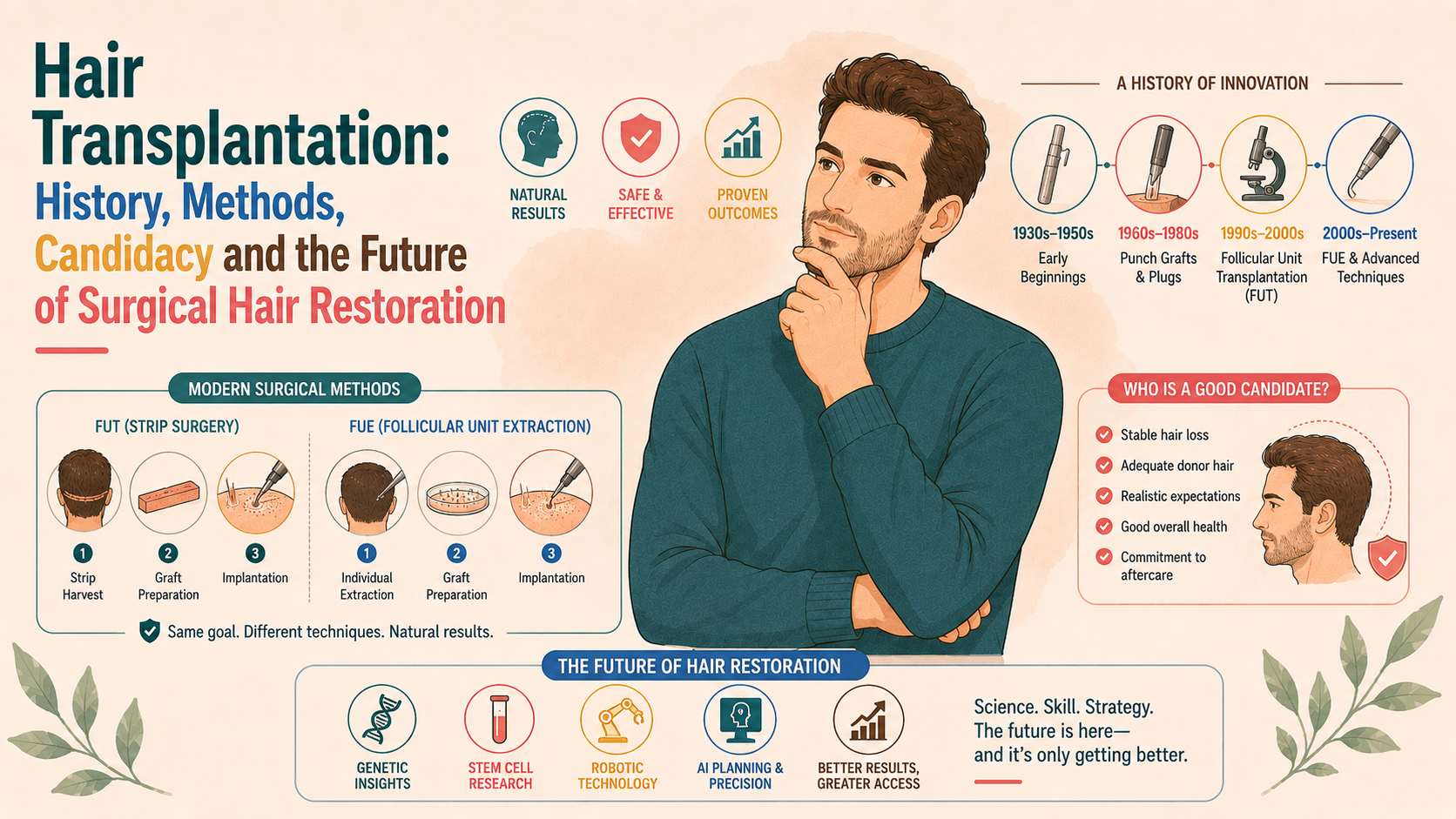
Read More ->Hair transplantation has evolved from crude “plugs” to refined microsurgery. Performed well, it can permanently redistribute hair in men and women with pattern loss. Performed poorly, it can exhaust the limited donor area and leave scars that are difficult to correct. This article walks through the history of hair transplantation, the core science behind it, how modern procedures work, who should and should not consider them, how to avoid botched surgery, and where the field is heading.
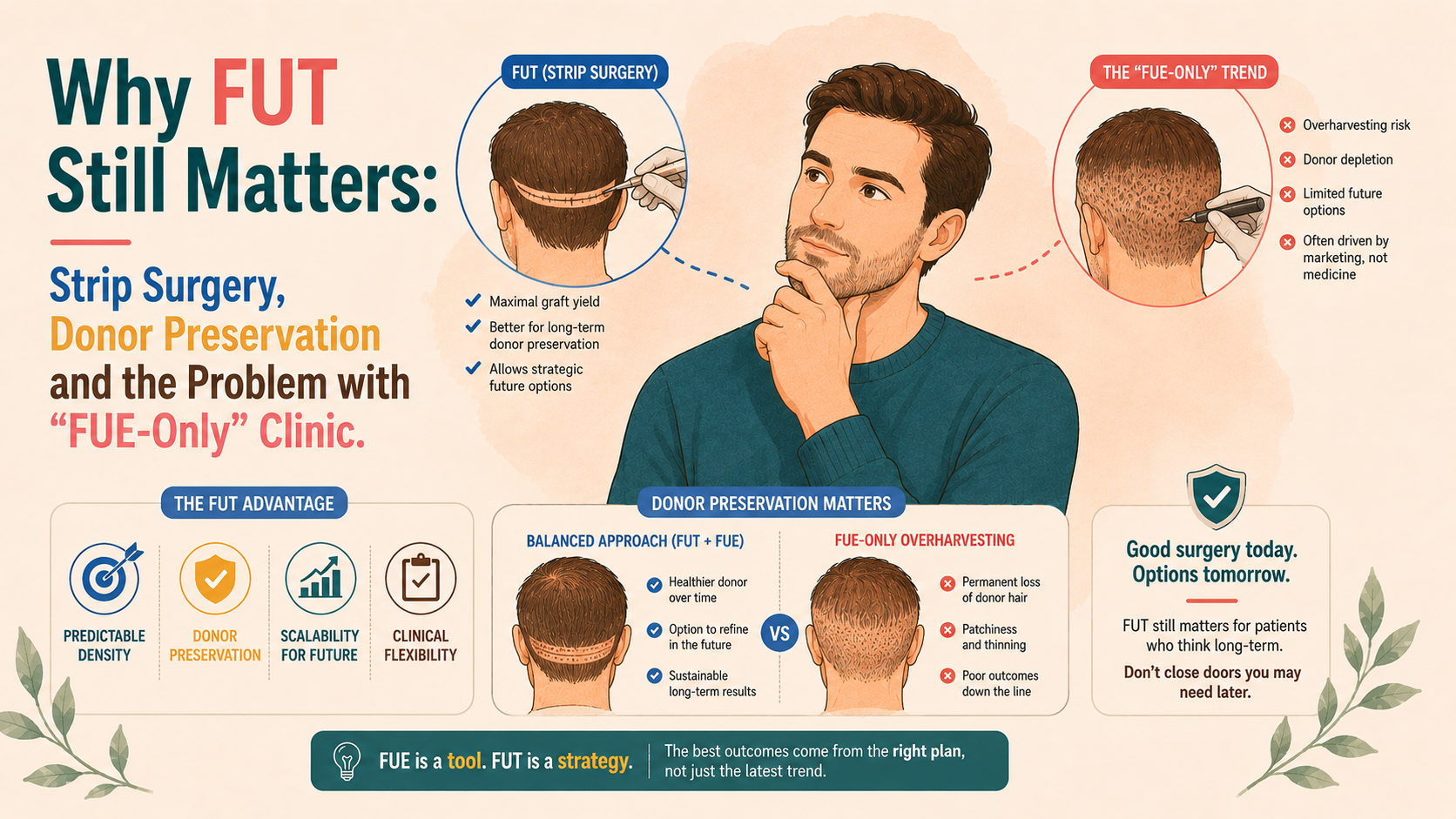
Read More ->Follicular unit excision (FUE) has transformed hair transplant marketing and made surgery more acceptable to many patients. But in the enthusiasm for “scarless”, “no incision” techniques, a quieter truth is at risk of being lost: follicular unit transplantation (FUT, or strip surgery) remains an important, and in many cases superior, option for donor conservation and lifetime planning. This article explains what FUT offers, how it compares to FUE, why the trend toward FUE-only practices can be problematic, and how patients can ensure they are genuinely being offered the full palette.
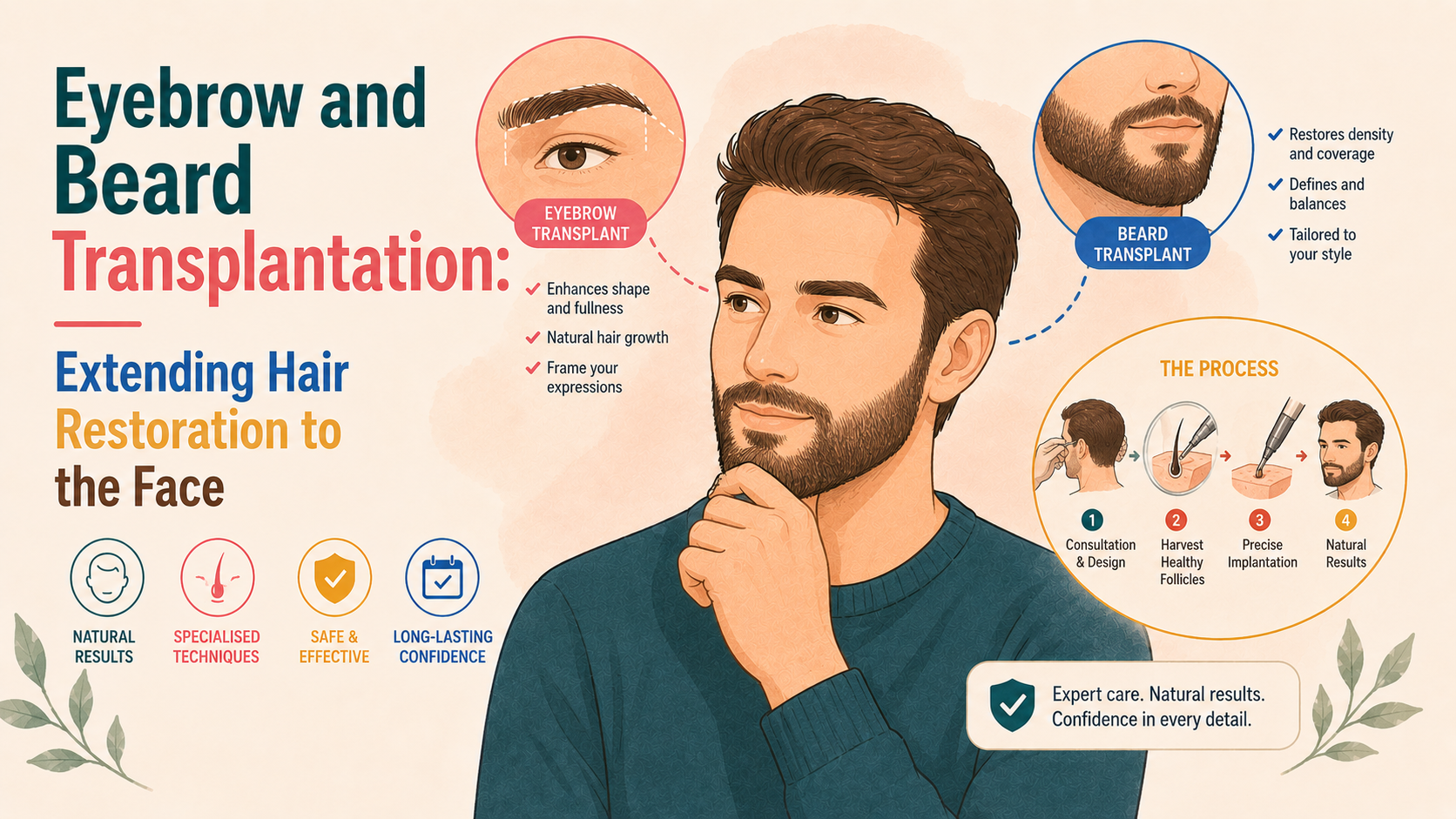
Read More ->Hair transplantation is no longer confined to the scalp. Over the last two decades, eyebrow and beard transplantation have matured into well-established procedures for selected men and women. This article explains why patients seek facial hair restoration, the anatomy and aesthetics involved, how the procedures are performed, who is a good candidate, and where caution is warranted to ensure that precious donor hair is used judiciously.
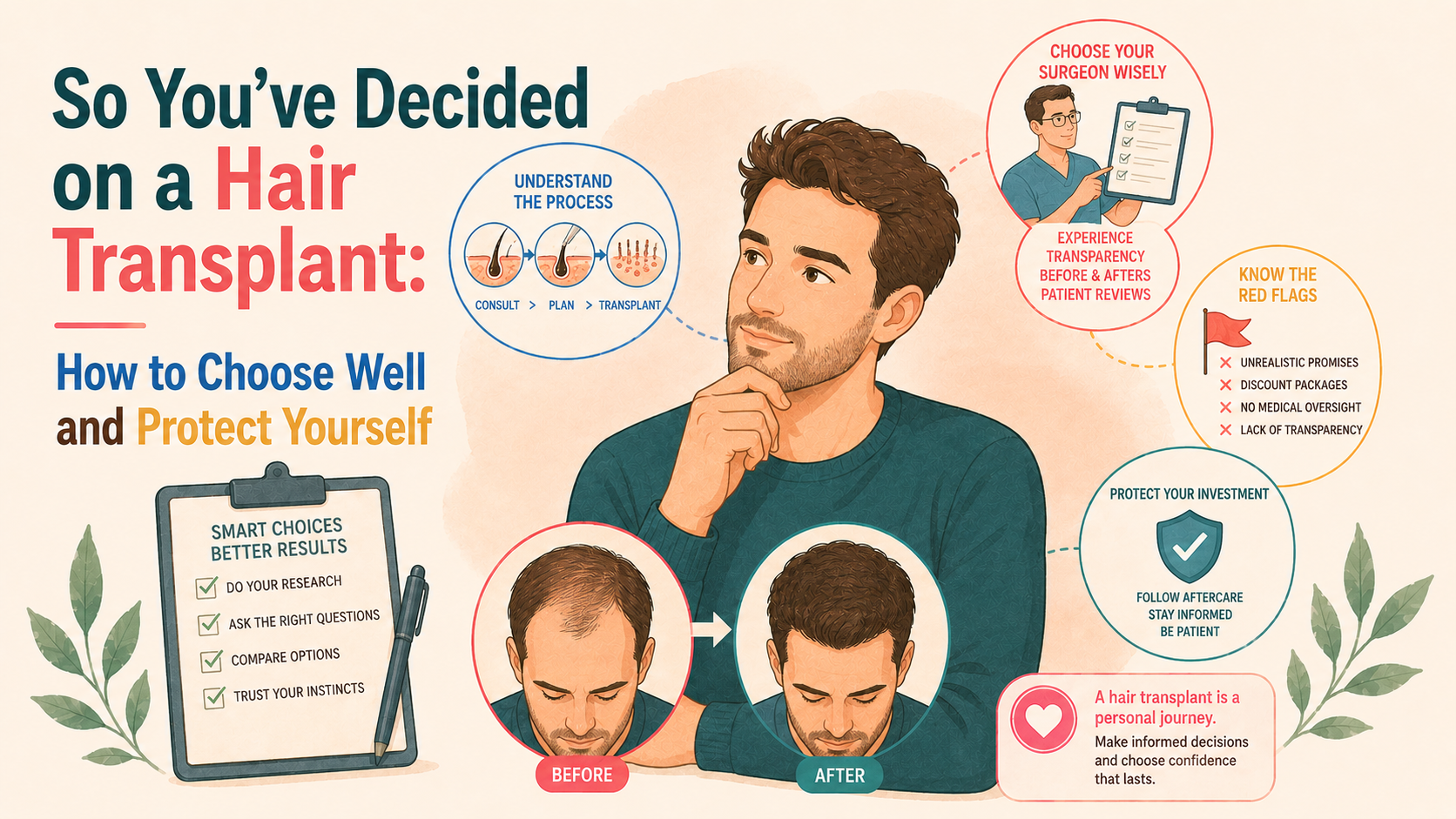
Read More ->Deciding to have a hair transplant is a major step. The quality of the outcome depends on your biology, your expectations, the surgeon, the clinic and what you do before and after the procedure. This article offers a structured guide for people who have already decided to proceed with surgery: how to recognise a good clinic and surgeon, how to avoid exploitation, why having surgery close to home often matters, how to prepare, and why ongoing medical therapy remains part of best practice.
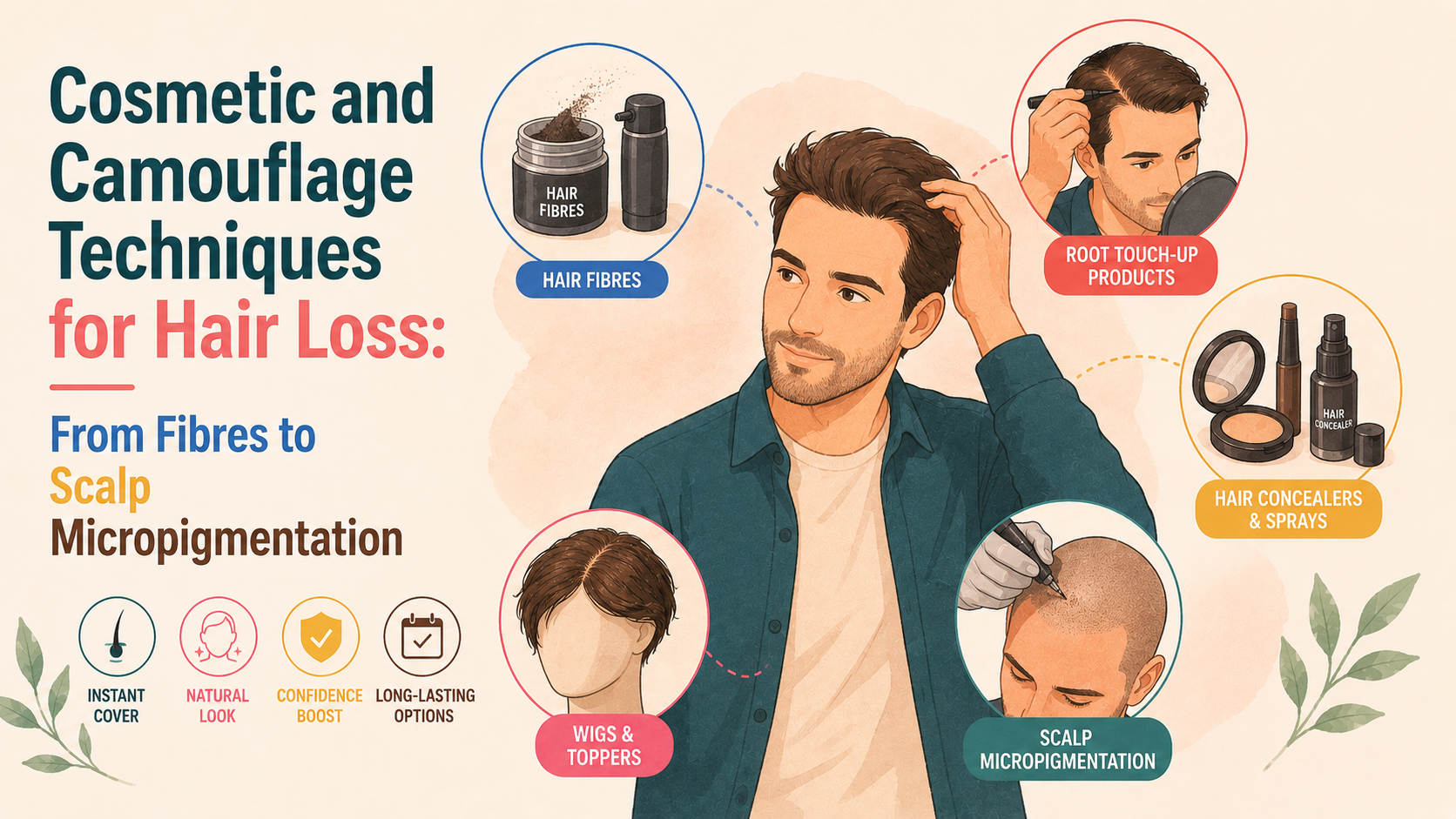
Read More ->Not everyone wants, needs or can tolerate medical or surgical treatment for hair loss. Cosmetic and camouflage techniques – from styling and concealers to wigs, hair systems and scalp micropigmentation – can make thinning far less visible and often improve confidence and quality of life. This article explains the main options, the science and psychology behind them, what evidence we have, and how to use them safely and thoughtfully.
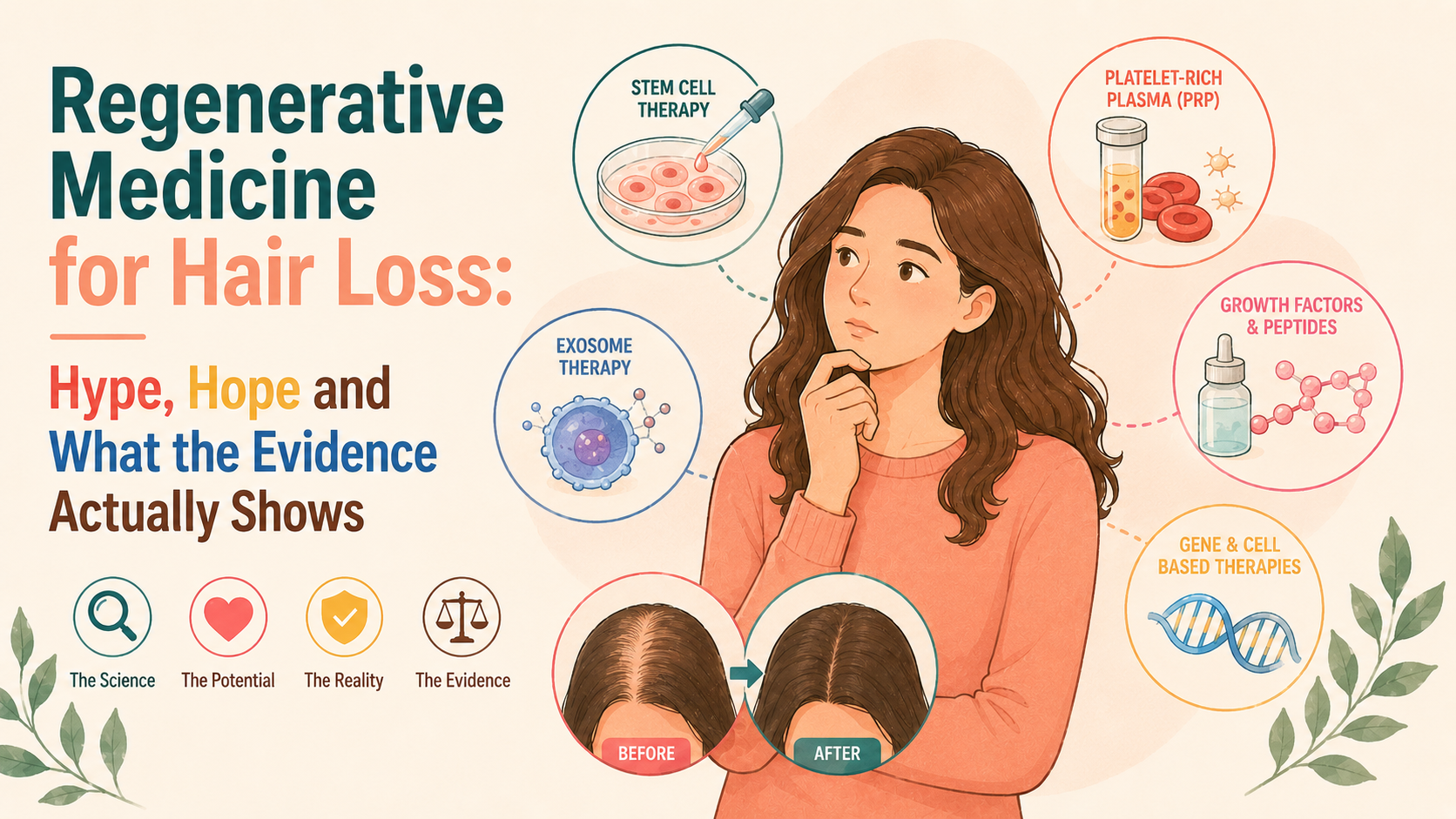
Read More ->Regenerative medicine aims to help the body repair and rebuild itself. In hair loss, that means trying to wake up sluggish follicles, protect their stem cells, and enhance their environment rather than simply slowing damage. This article explains the main regenerative approaches being used or studied in alopecia, including what we know, what remains experimental, and how to think about them sensibly.
Read More ->