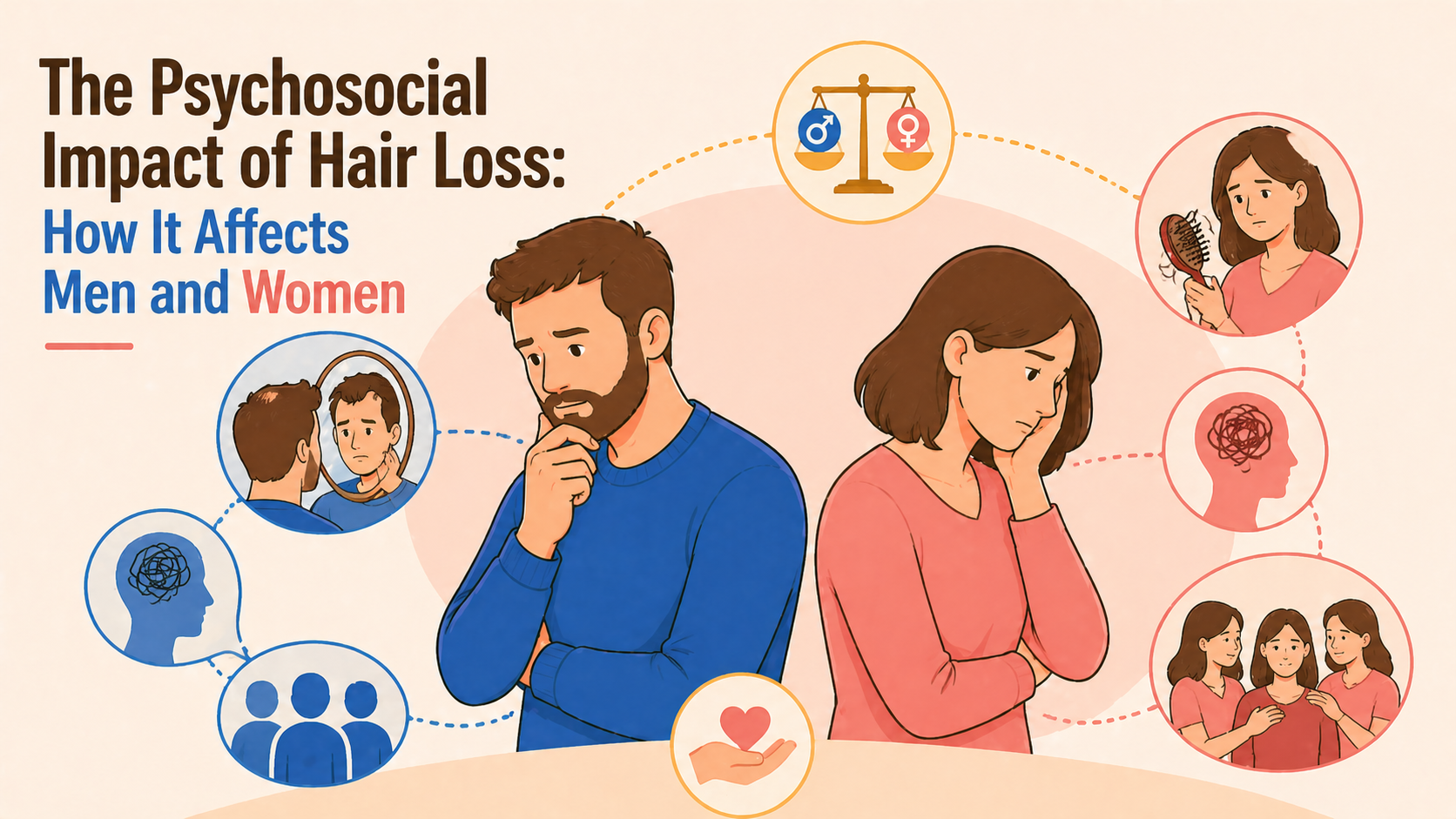
The psychosocial burden of hair loss can be significant. Explore resources to help including coping strategies.
![[headshot]](https://cdn.prod.website-files.com/68207da82e5b8c350c67932f/68c6a7436a552c0fe87a4da7_Screenshot%202024-11-27%20at%2011.38.11.png)

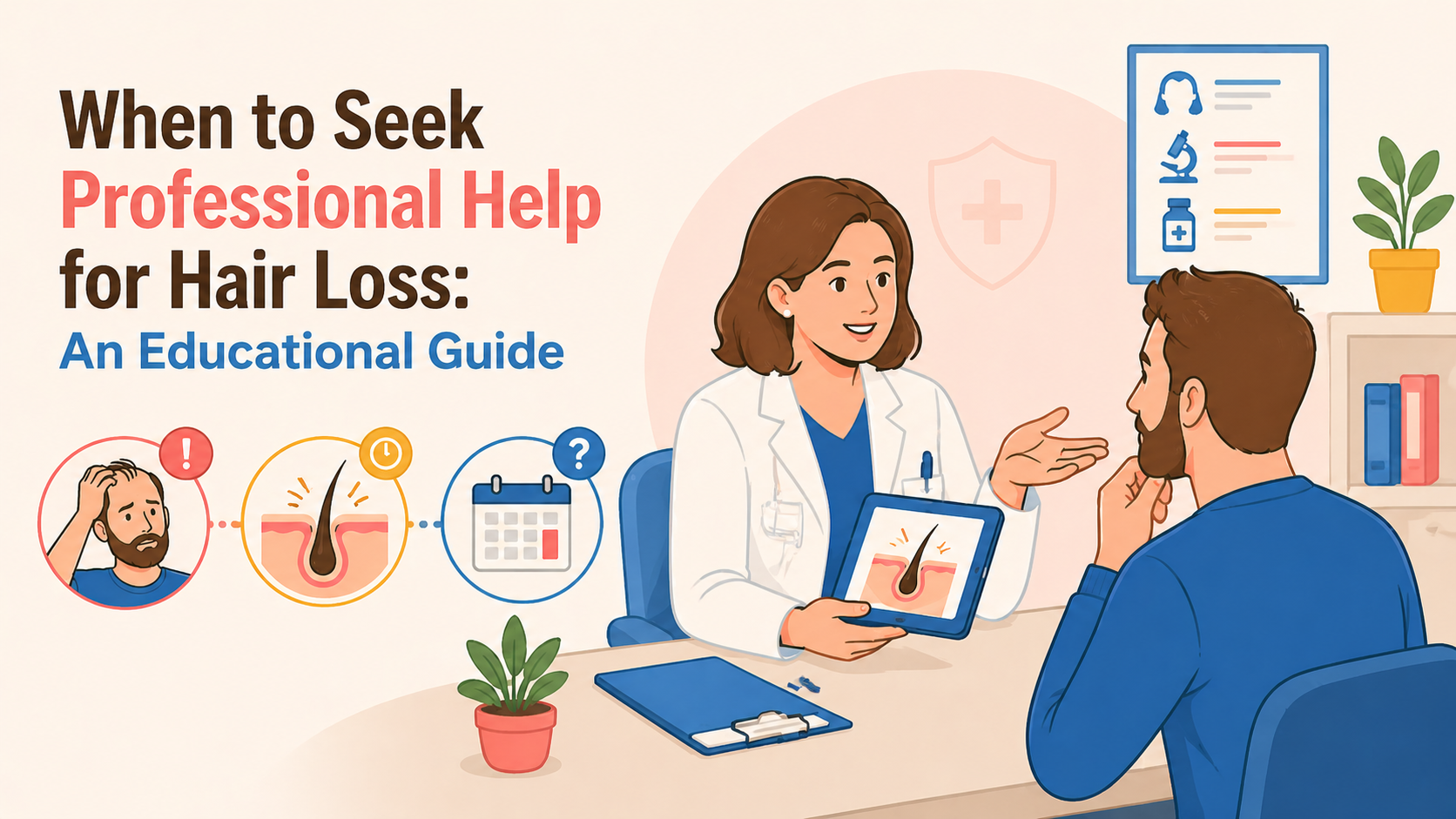
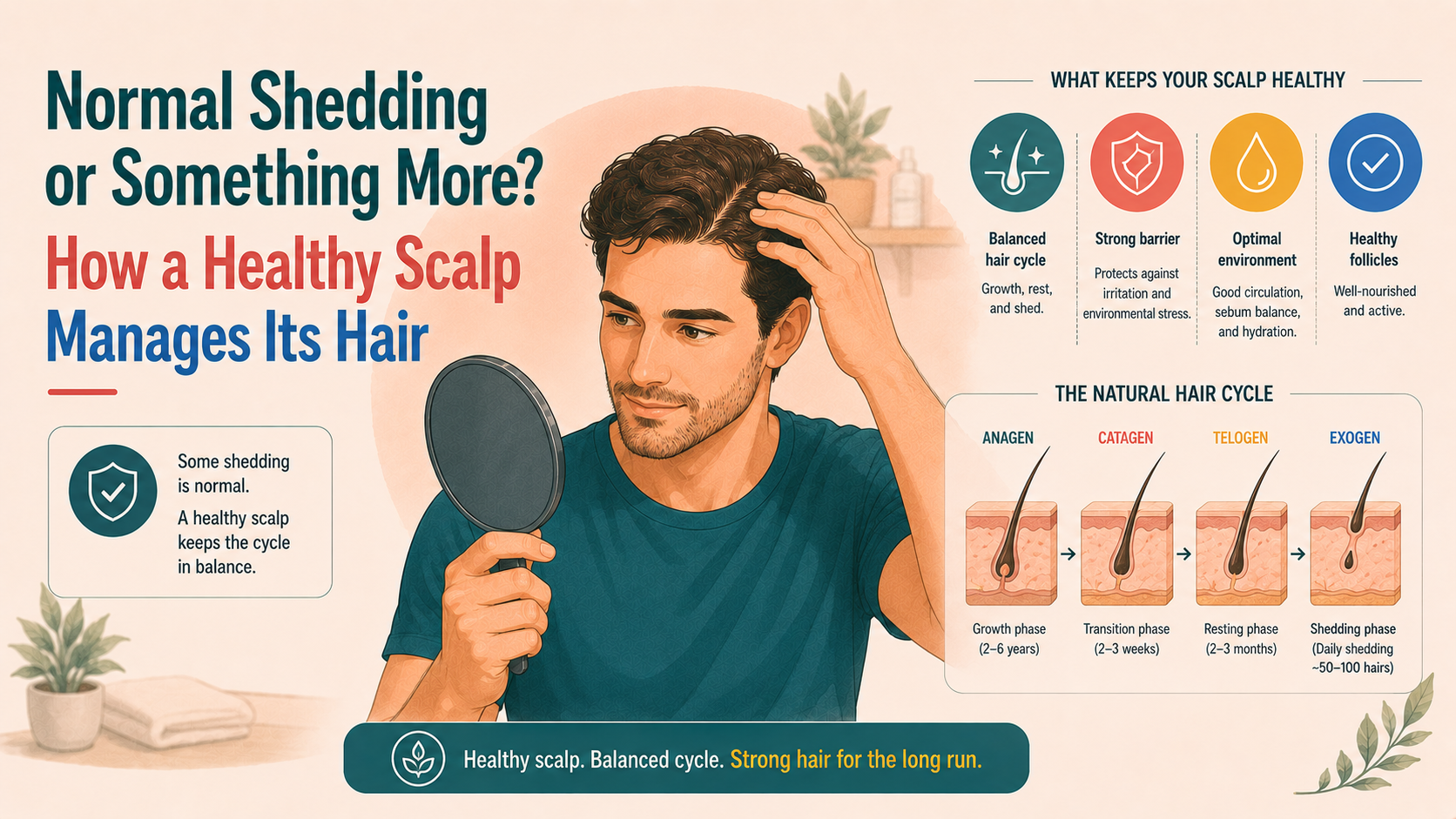
Many people are unsure when hair loss is “normal” and when it warrants medical attention. This article outlines when it is reasonable to watch and wait, when early assessment is helpful, which red flags need prompt review, and who to see – from general practitioners to dermatologists and, in some cases, mental health professionals.
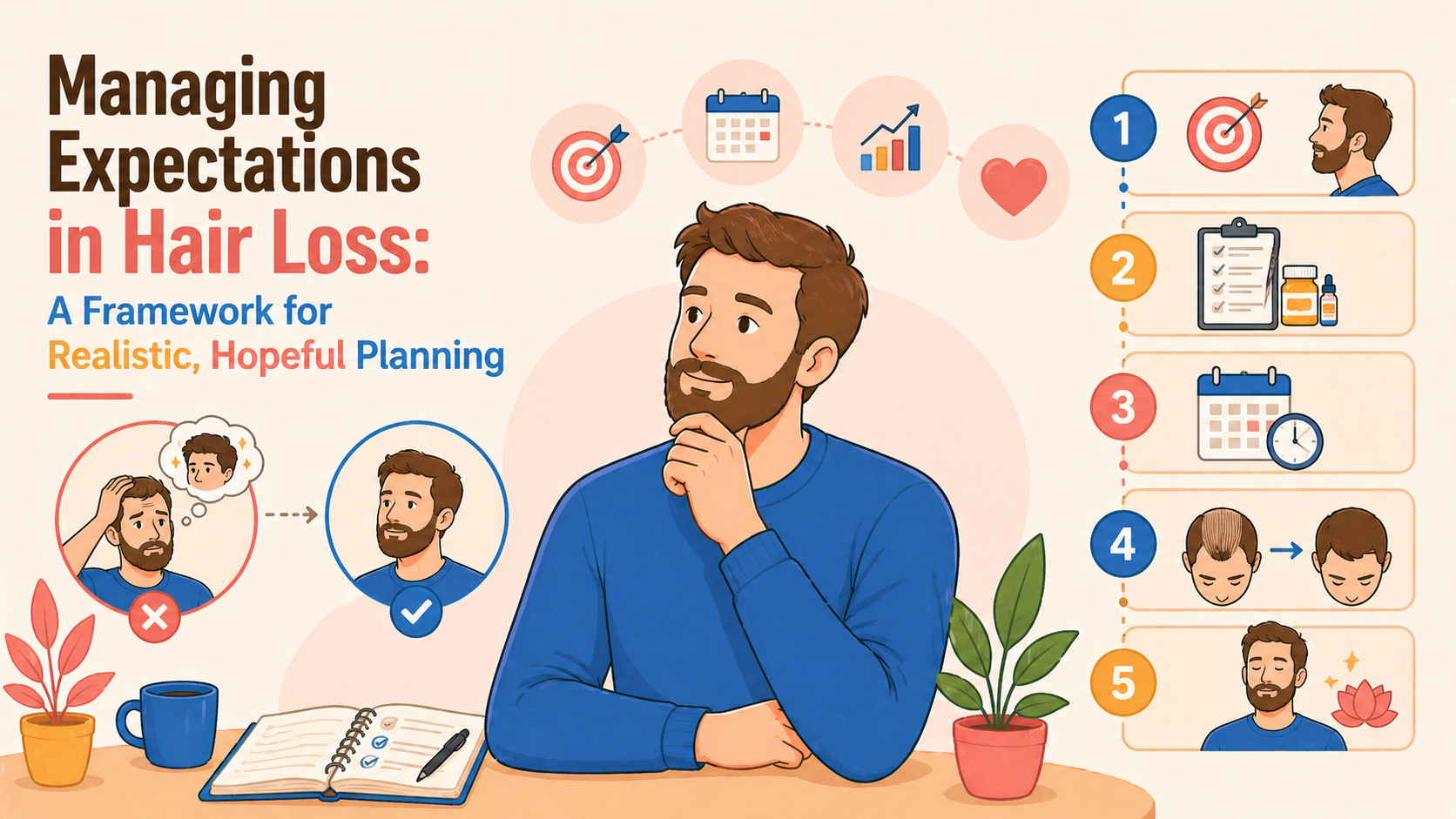
Read More ->One of the most important and under-discussed parts of treating hair loss is managing expectations. This article explores how hair loss typically behaves, what different treatments can and cannot reasonably achieve, the timelines involved, and how to approach conversations with clinicians and clinics so that hope is balanced with realism.
Read More ->Hair loss is not just a cosmetic change. It can affect how people see themselves, how they believe others see them, and how they move through work, relationships, and daily life. This article examines the research on the psychological and social impacts of different types of hair loss in men and women, where the burden tends to fall, and how people cope.
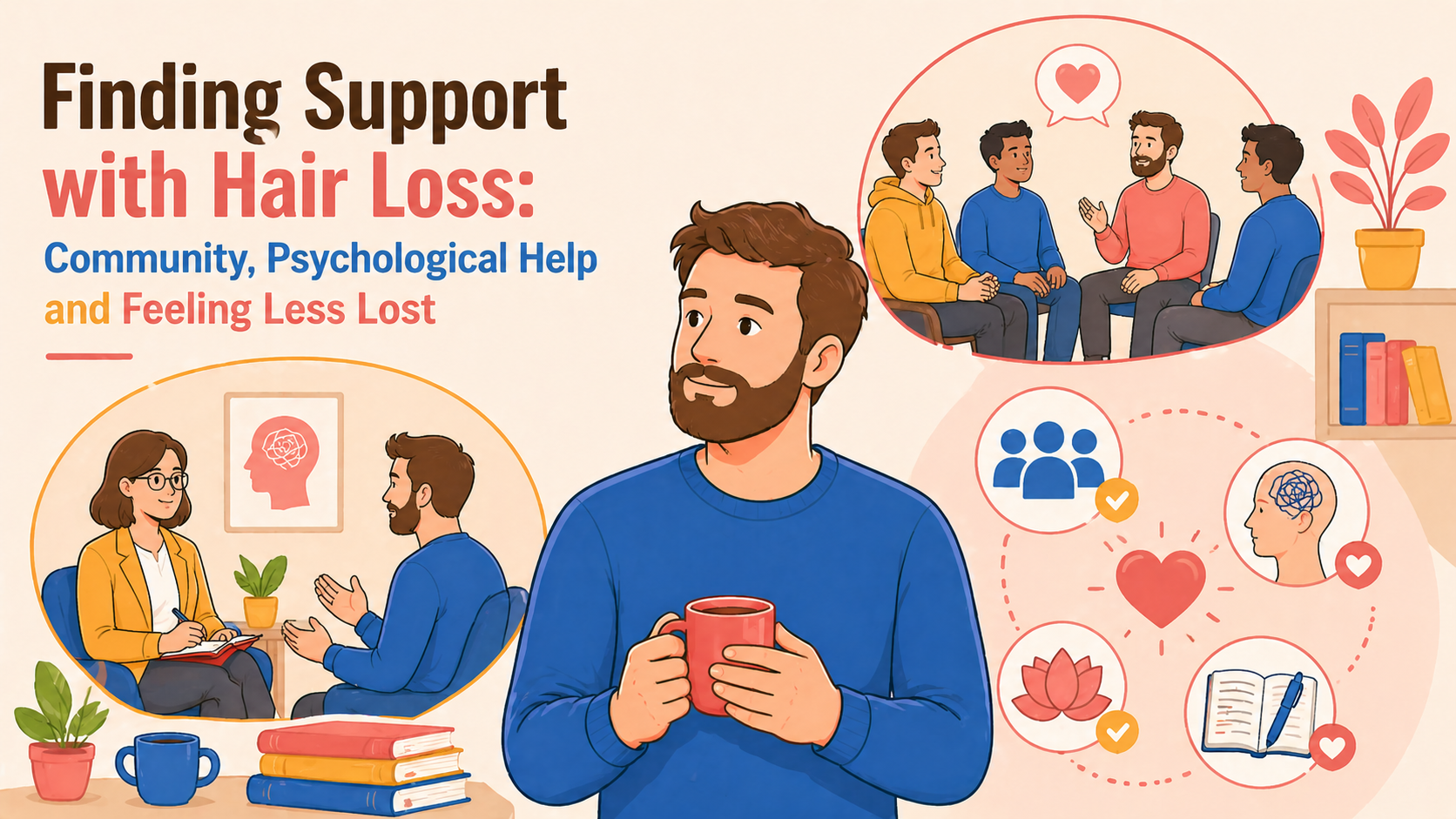
Read More ->Hair loss can be isolating, even though it is common. This article discusses where to find meaningful support, how to use communities and online spaces wisely, when it might be time to seek psychological help, and practical ways to feel less stuck and demotivated when you are living with ongoing hair changes.
Read More ->