1. Why lifestyle is not the whole story
Almost every patient with hair loss asks, at some point, “Is this something I did?”
In fact, most of us seem to attribute our illnesses to our lifestyle choices by default, hair or not. This can be both helpful and unhelpful.
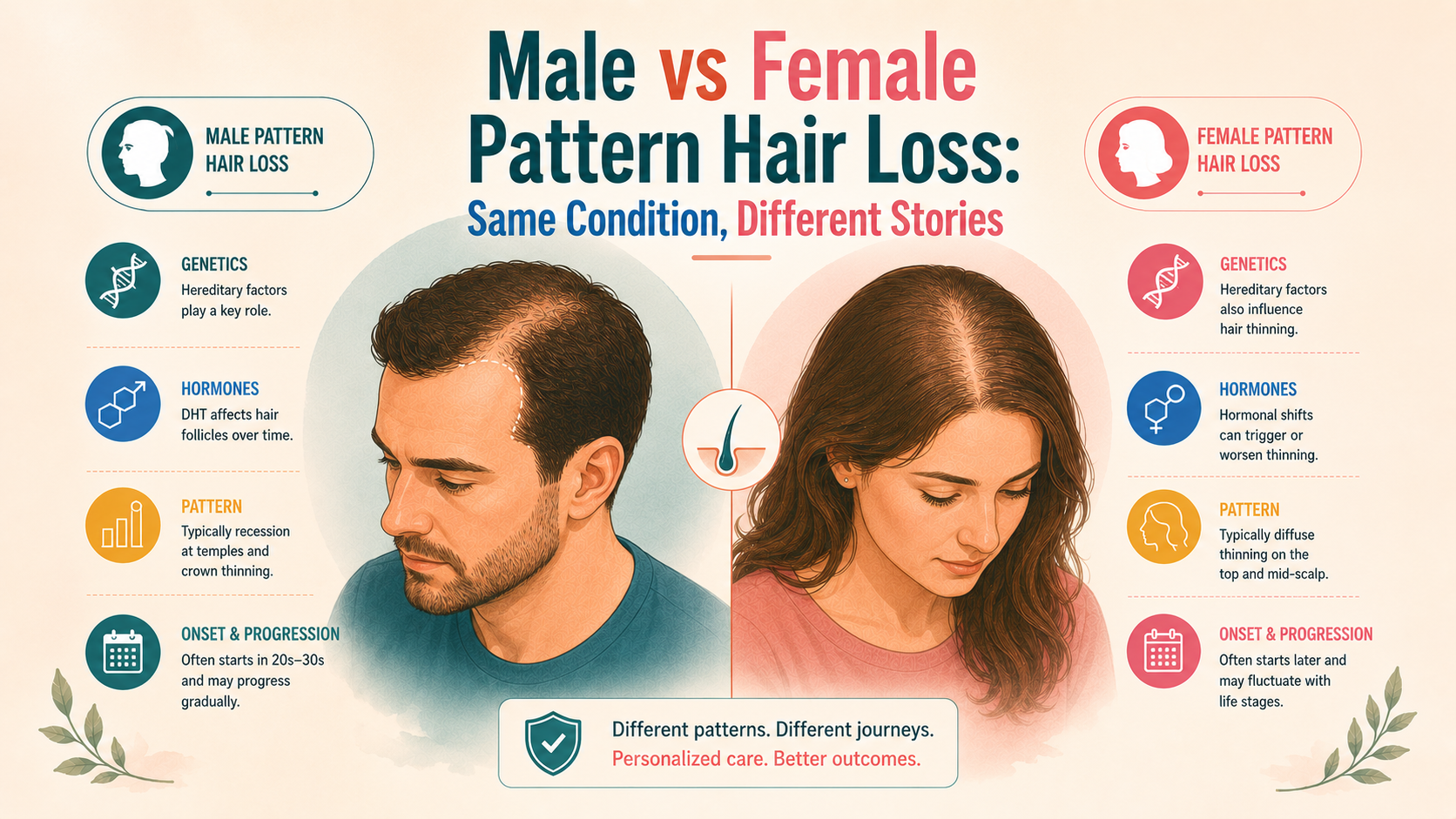
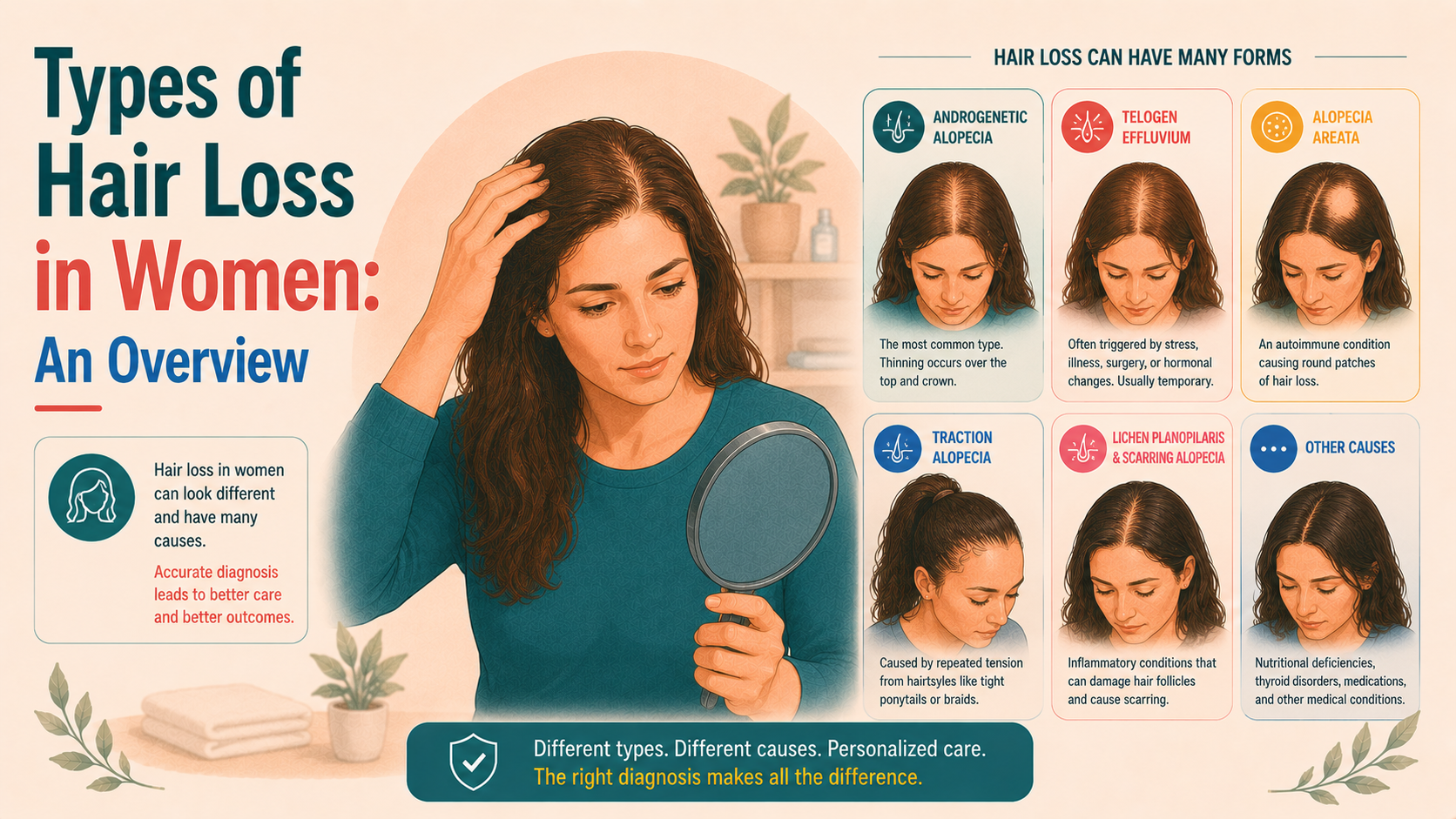
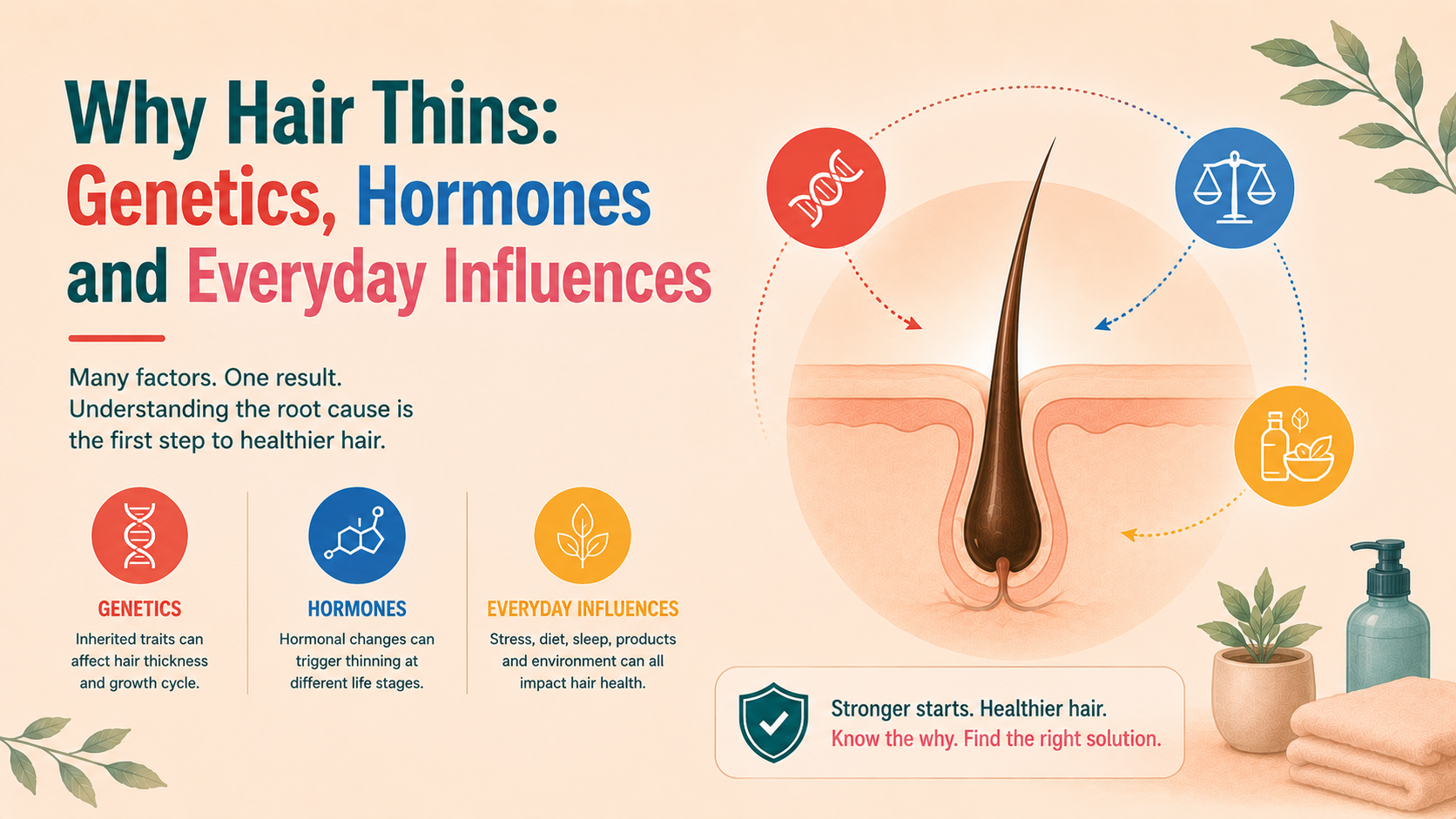
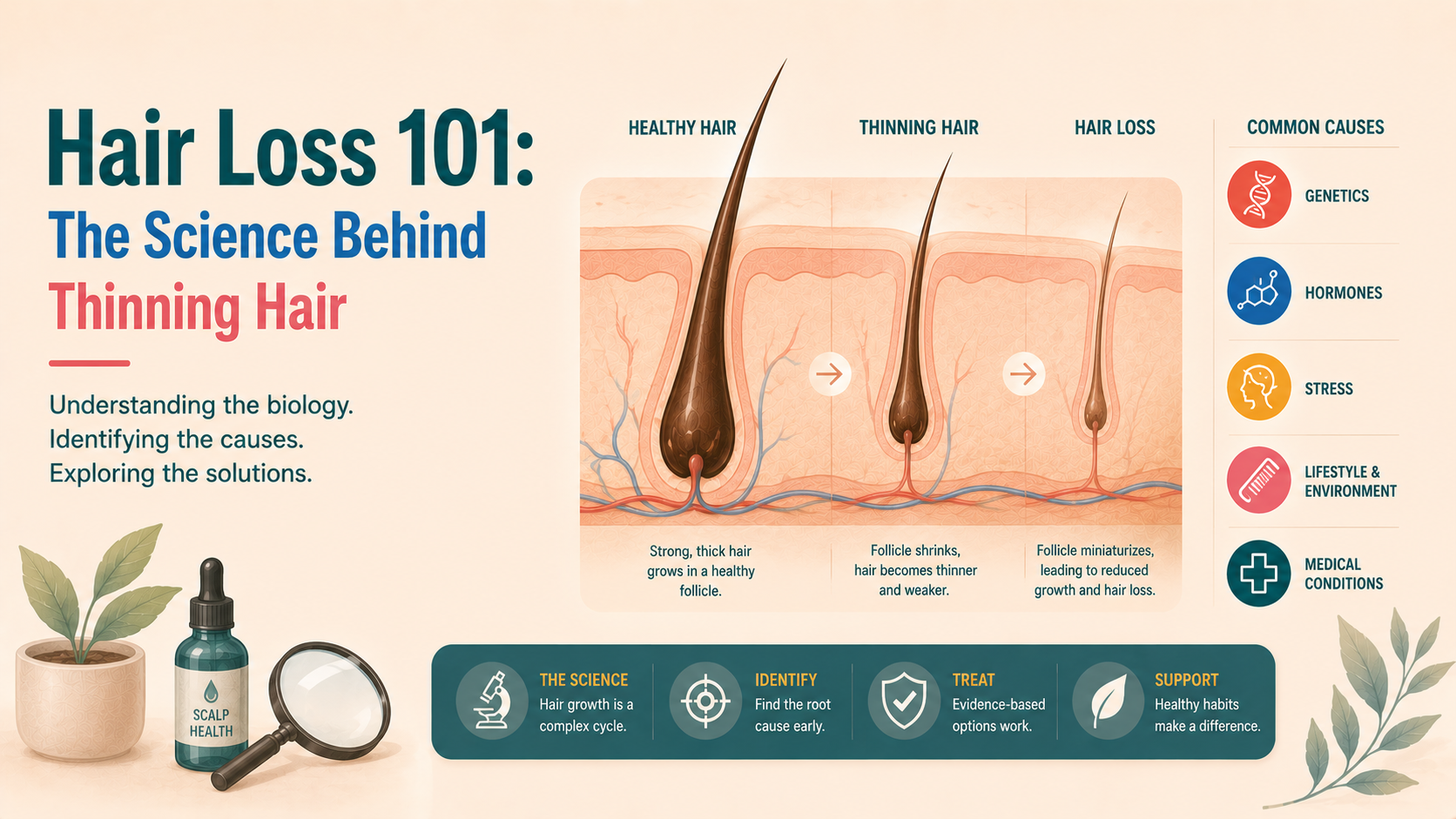
Helpful because some behaviours clearly increase follicular stress and can be modified. Unhelpful, because the core driver of the most common type of hair loss – androgenetic alopecia – is written into a person’s genetic and hormonal architecture, and is thus accountable for the vast majority.
Lifestyle choices do not rewrite that blueprint; however, they can either make life harder or easier for already vulnerable follicles.
A practical way to think about it is:
- Genetics and hormones decide which follicles are fragile.
- Lifestyle and environment decide how often those fragile follicles are pushed towards their thresholds.
The aim here is not to blame people for their habits, but to give a sober picture of which factors matter, how much, and where the evidence is thin.
2. Smoking: consistently unhelpful
What the literature shows
Smoking is one of the clearest lifestyle factors associated with worse androgenetic alopecia.
Mechanisms proposed in the literature include:
- Microvascular compromise: chronic smoking constricts the cutaneous microvasculature, causing transient local ischaemia around the dermal papilla.
- Genotoxic effects: smoke genotoxicants cause DNA damage in hair follicle cells, and mitochondrial DNA mutations have been documented in follicles of smokers.
- Pro-inflammatory milieu: pro-oxidant effects of smoking increase pro-inflammatory cytokines, promoting follicular micro-inflammation and possibly fibrosis.
- Endocrine effects: several studies report higher total and free testosterone in male smokers compared with non-smokers.
Anastassakis explicitly concludes that, even though not every mechanism is fully nailed down, cigarette smoking is likely associated with increased plasma androgens in men and a constellation of local follicular insults.
That being said, we all know many people who smoked long-term and retained a full head of hair; however, their favourable genetics likely prevailed.
Bottom line on smoking
- It probably accelerates pattern hair loss in genetically susceptible individuals.
- It adds extra vascular and inflammatory stress to follicles.
- It is one of the clearest modifiable risk factors with broader health benefits if reduced or stopped.
Quitting smoking will not magically reverse advanced androgenetic alopecia, but it removes a persistent stressor from an already stressed system.
3. Alcohol: dose, context and hormones
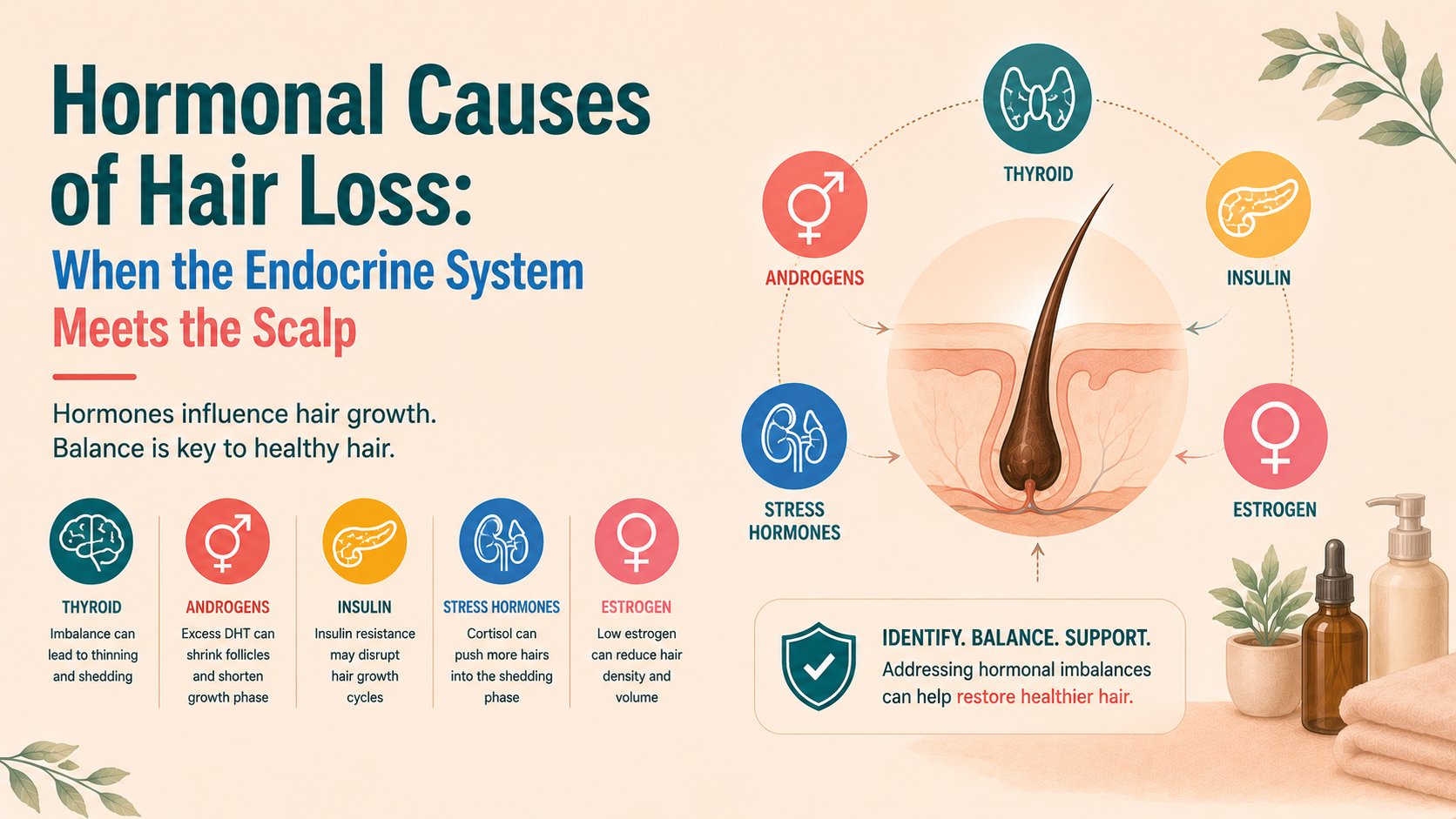
Alcohol is more nuanced than smoking. The relationship between drinking and hair is largely mediated by endocrine pathways and nutritional status.
3.1 Endocrine effects
Alcohol influences multiple hormonal axes, including:
- Hypothalamic–pituitary–gonadal (HPG) axis (brain and sexual organs)
- Hypothalamic–pituitary–adrenal (HPA) axis (brain and principal hormone gland)
- Thyroid and GH/IGF-1 axes (thyroid and growth factor pathways)
Heavy alcohol intake can:
- Suppress GnRH and LH secretion (sexual hormone stimulators),
- Directly impair testicular testosterone production in men,
- In pre-menopausal women, be associated with gonadal (sexual organ) dysfunction, amenorrhoea (irregular periods) and hyperandrogenic features.
In a large cohort, women consuming more than 25 g/day of alcohol had over 30% higher DHEA-S, total and free testosterone, and higher androstenedione and estrone than non-drinkers. In other words, chronic, excessive alcohol consumption affected their hormonal regulation, which may theoretically cause downstream effects on hair loss.
Anastassakis summarises that alcohol-related endocrine disruption is more pronounced in women and tends towards relative hyperandrogenism in heavy users (a similar hormonal picture to PCOS).
3.2 Nutritional and systemic effects
Chronic heavy drinking can also:
- Impair nutrient absorption,
- Contribute to liver disease,
- Alter immune and inflammatory signalling – all of which can feed into diffuse shedding or worsen underlying pattern loss.
Bottom line on alcohol
- Heavy, chronic intake may indirectly worsen hair loss through hormonal and metabolic strain, particularly in women.
- Evidence that moderate drinking alone drives hair loss is far weaker.
- As with many things, context and dose matter more than any single glass.
4. Diet, weight loss and “trendy” eating patterns
Diet gets blamed for a lot. The reality is a little more precise.
4.1 Crash diets and eating disorders
Deprivation diets and rapid weight loss can disturb serum androgen concentrations and frequently precipitate telogen effluvium and diffuse alopecia.
Anastassakis notes that:
- Crash diets, eating disorders and frank malnutrition can produce diffuse hair loss mimicking female pattern hair loss or diffuse unpatterned AGA.
- Simply “following a trendy diet” or omitting single food groups, in the absence of malnutrition, is unlikely to cause hair loss by itself.
4.2 Veganism and restrictive patterns
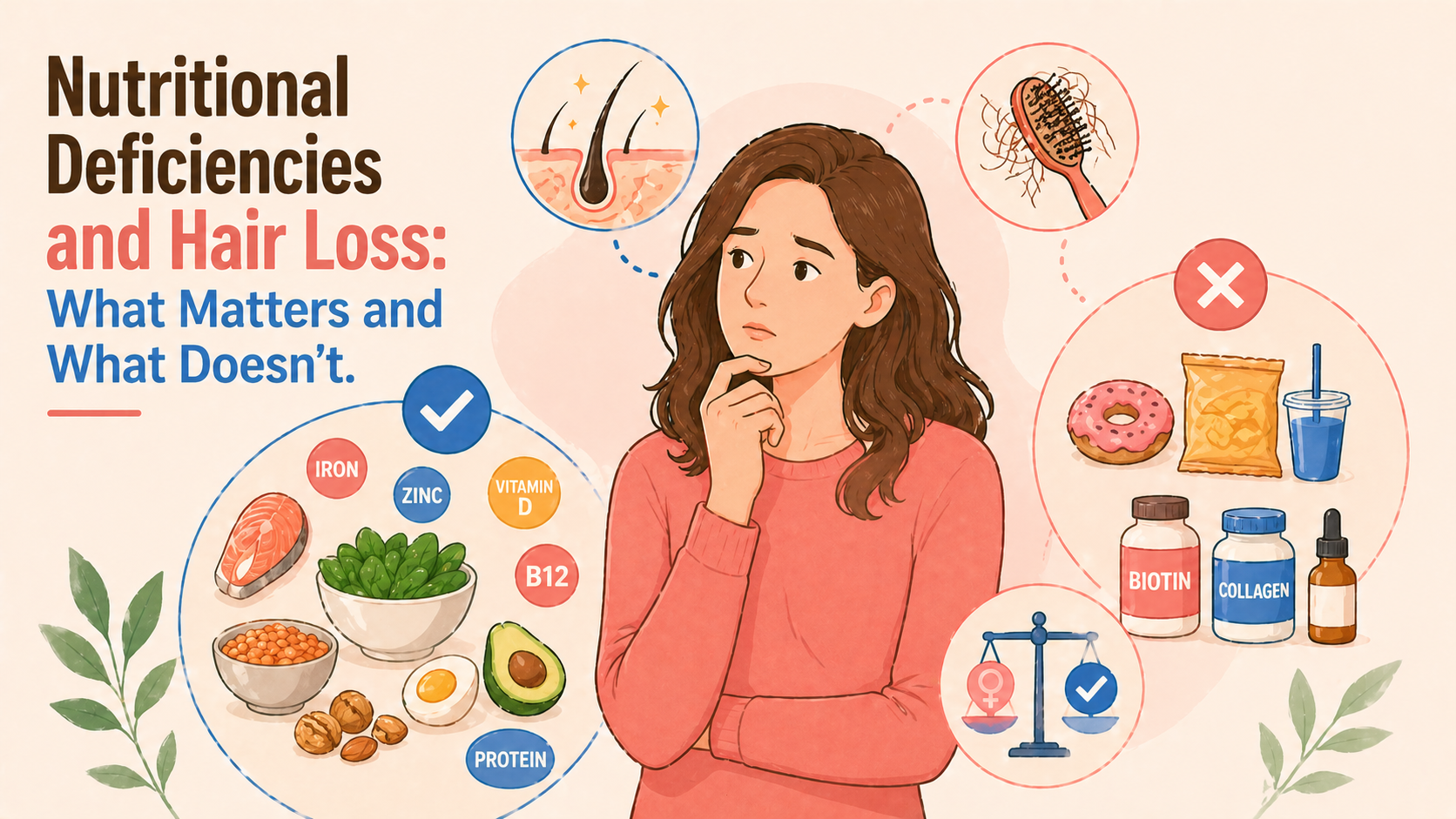
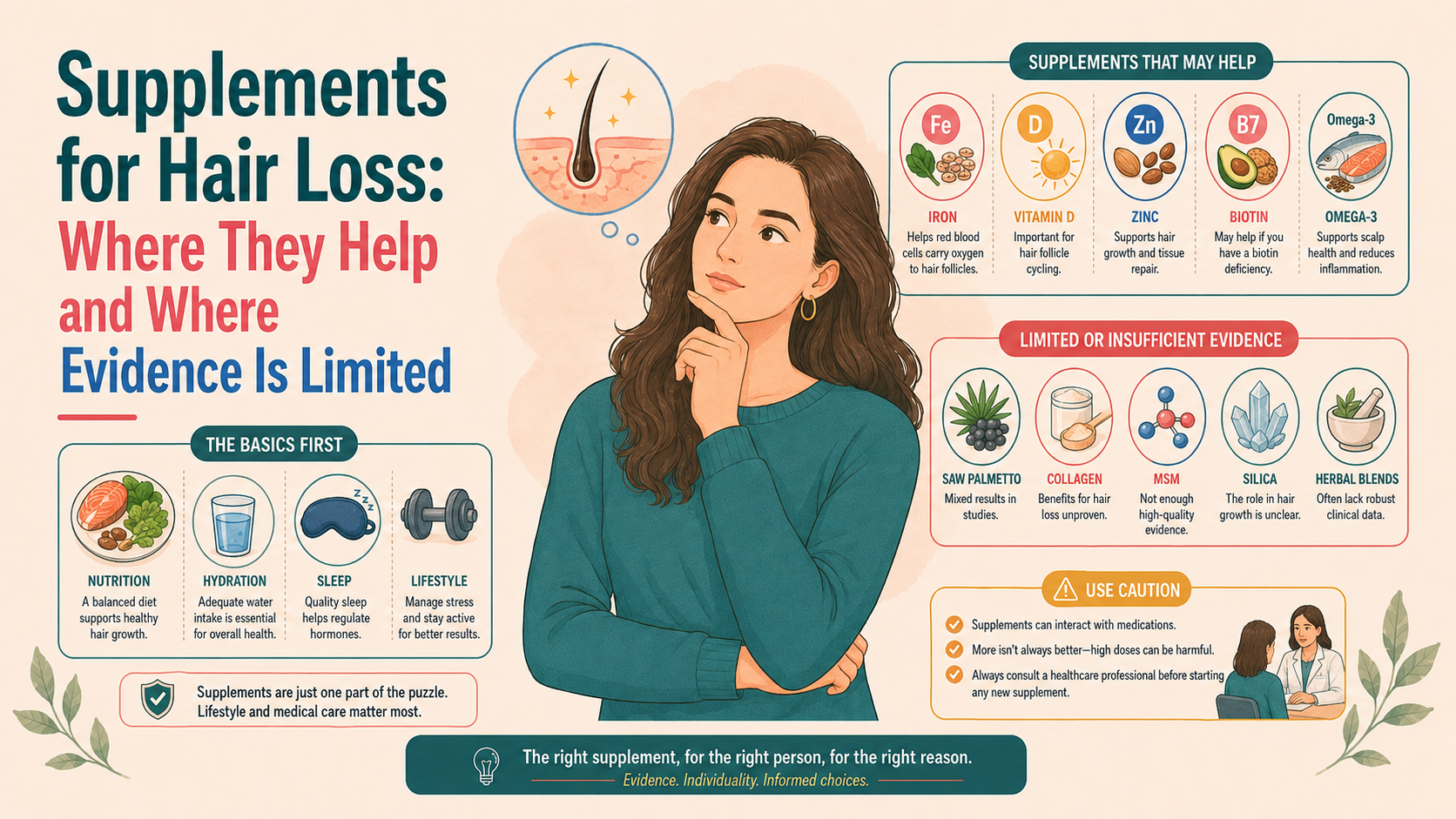
Strict veganism does not automatically cause hair loss, but it does increase the risk of iron deficiency, inadequate protein intake, and certain micronutrient deficiencies, which, if present and significant, can contribute to diffuse shedding.
The key is not the label of the diet but whether it provides sufficient energy and micronutrients.
Bottom line on diet
- Sudden, severe calorie restriction and prolonged under-nutrition are recognised triggers of hair shedding.
- Well-planned diets (including vegan diets) are compatible with healthy hair, provided iron, protein and key micronutrients are adequate.
- “Detox” or crash regimes are unhelpful to follicles, no matter how they are branded.
5. Anabolic steroids, testosterone and performance-enhancing drugs
This is one area where the connection to hair is not merely anecdotal.
5.1 Anabolic androgenic steroids (AAS)
Anastassakis highlights that:
- Hormones with pro-androgenic action, including anabolic steroids and performance enhancement drugs, are strongly related to hair loss in men, particularly young men.
- Alcohol abuse and illicit drug use may also contribute via hormonal disorders.
Perez et al.’s JAAD review reinforces this:
- Testosterone replacement and AAS use can trigger or exacerbate AGA, particularly in genetically predisposed men.
- In a cohort of 100 men using AAS for non-clinical indications, self-reported hair loss increased by about 10% within one year of use.
Transgender men on long-term androgen therapy also show high rates of AGA, consistent with the biology of androgen-sensitive follicles.
Bottom line on AAS and exogenous testosterone
Exogenous androgens can unmask or accelerate pattern hair loss in individuals with a genetic predisposition. They do not create this predisposition out of nothing. The risk is real and should be part of any honest discussion about performance enhancement or gender-affirming hormone therapy.
6. Creatine: the myth that refuses to die
Few topics generate more questions from gym-goers than creatine.
6.1 The origin of the concern
A small 2009 study in college rugby players reported that three weeks of creatine monohydrate supplementation led to:
- a 56% increase in DHT after a loading week,
- with levels remaining about 40% above baseline after two weeks of maintenance,
- without change in total testosterone.
No hair parameters were measured. The theoretical concern was that higher DHT levels might be associated with an increased risk of androgenetic alopecia.
6.2 What larger reviews show
A comprehensive review in the Journal of the International Society of Sports Nutrition notes that:
- The majority of available evidence does not support a link between creatine supplementation and hair loss or baldness.
- The rugby study’s hormonal findings have not been replicated in other work.
- Multiple trials have not demonstrated consistent increases in testosterone, DHT or adverse hair outcomes with creatine use.
A more recent 12-week randomised study also reported no significant differences in DHT levels, DHT:testosterone ratios or hair growth parameters between creatine and placebo groups.
Bottom line on creatine
- Current evidence does not indicate that creatine supplementation at standard doses causes hair loss.
- The “creatine causes baldness” idea rests almost entirely on a single small endocrine study with no hair endpoints, along with anecdotal experiences.
- People with a strong family history of androgenetic alopecia may still choose to be cautious. Still, it is more accurate to say that creatine rests within the “myth / unproven” category rather than the “established risk” group, based on the data available.
7. Cannabis and other recreational drugs
Compared with smoking, alcohol and AAS, the evidence around cannabis and hair is sparse and inconsistent.
- There is no robust evidence that cannabis directly causes androgenetic alopecia.
- Some authors have speculated that chronic heavy use might contribute to diffuse thinning via indirect pathways: poor sleep, altered appetite and nutrition, associated smoking, stress and other co-factors.
- Interestingly, certain cannabinoids, particularly CBD, are being investigated for potential hair-supportive effects in conditions such as alopecia areata, although this is early and not ready for routine practice.
Other recreational drugs may affect hair through nutritional neglect, sleep disruption, metabolic stress or direct endocrine effects, but direct associations are limited.
Bottom line on cannabis
- At present, cannabis sits in the “possible indirect effects, no clear direct causal proof” bucket.
- Lifestyle patterns around cannabis (diet, sleep, other substances) likely matter more than cannabis itself.
- Chronic heavy use is rarely a friend to overall health, but it is misleading to claim that occasional cannabis use definitively causes pattern baldness.
8. Alcohol, smoking and “party lifestyle” as a package
It is worth acknowledging that many of these factors cluster:
- Heavy drinkers often smoke.
- Recreational drug use often co-exists with erratic sleep, inconsistent nutrition and high perceived stress.
From the follicle’s perspective, this bundle looks like:
- increased oxidative and inflammatory stress,
- compromised microcirculation,
- endocrine fluctuations,
- and a higher chance of deficiency in iron and other nutrients.
It is often the sum total that makes the difference, rather than any single substance in isolation.
9. UV, hair care, styling and hats
Not strictly “lifestyle substances”, but still everyday factors.
- Chronic intense sun exposure has documented harmful effects on scalp hair, contributing to weathering, pigmentation changes and shaft fragility.
- Tight hairstyles, extensions and long-term traction can cause traction alopecia.
- Heat styling, home perm solutions or poorly applied colouring agents can damage shafts and occasionally the scalp.
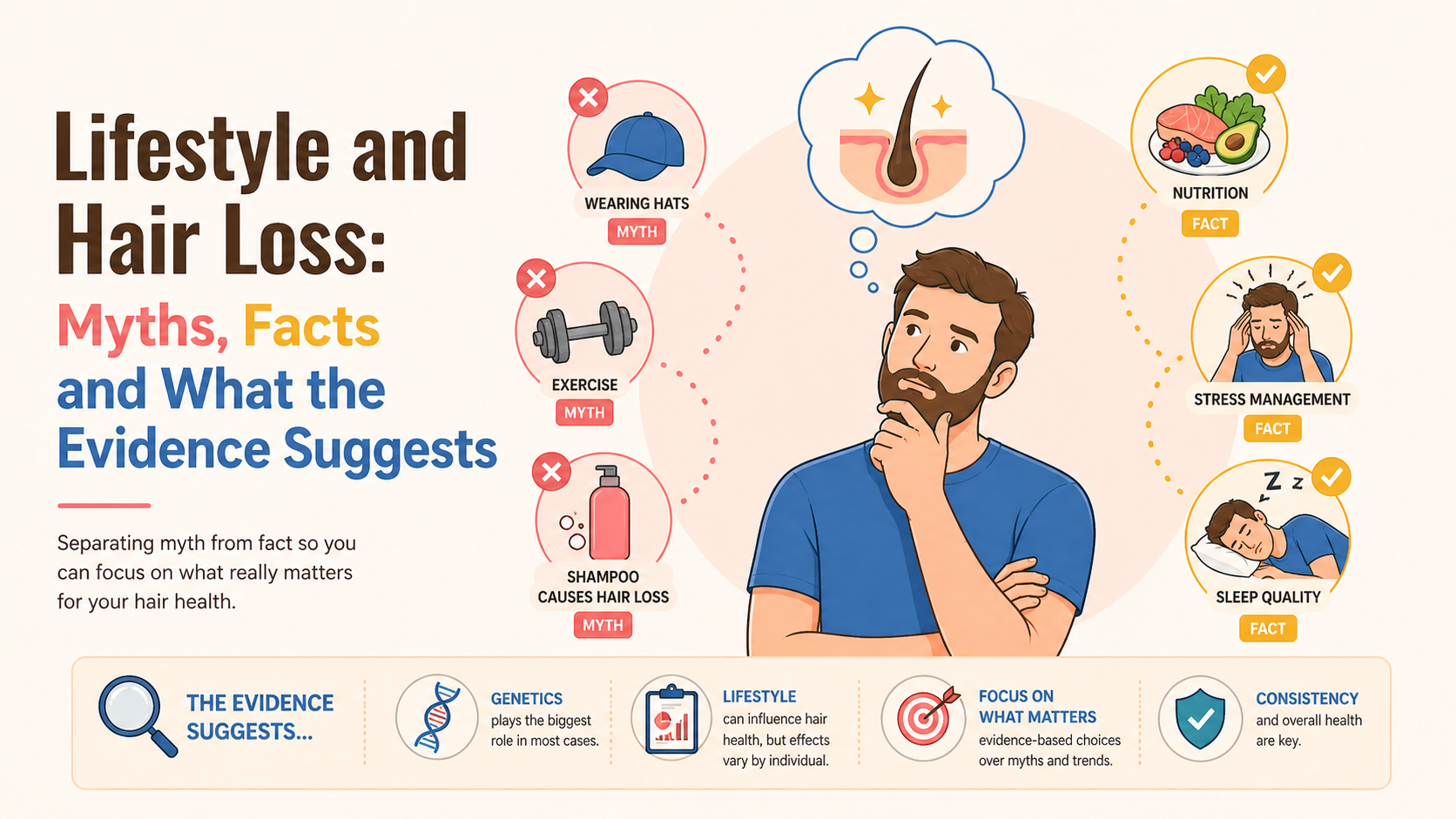
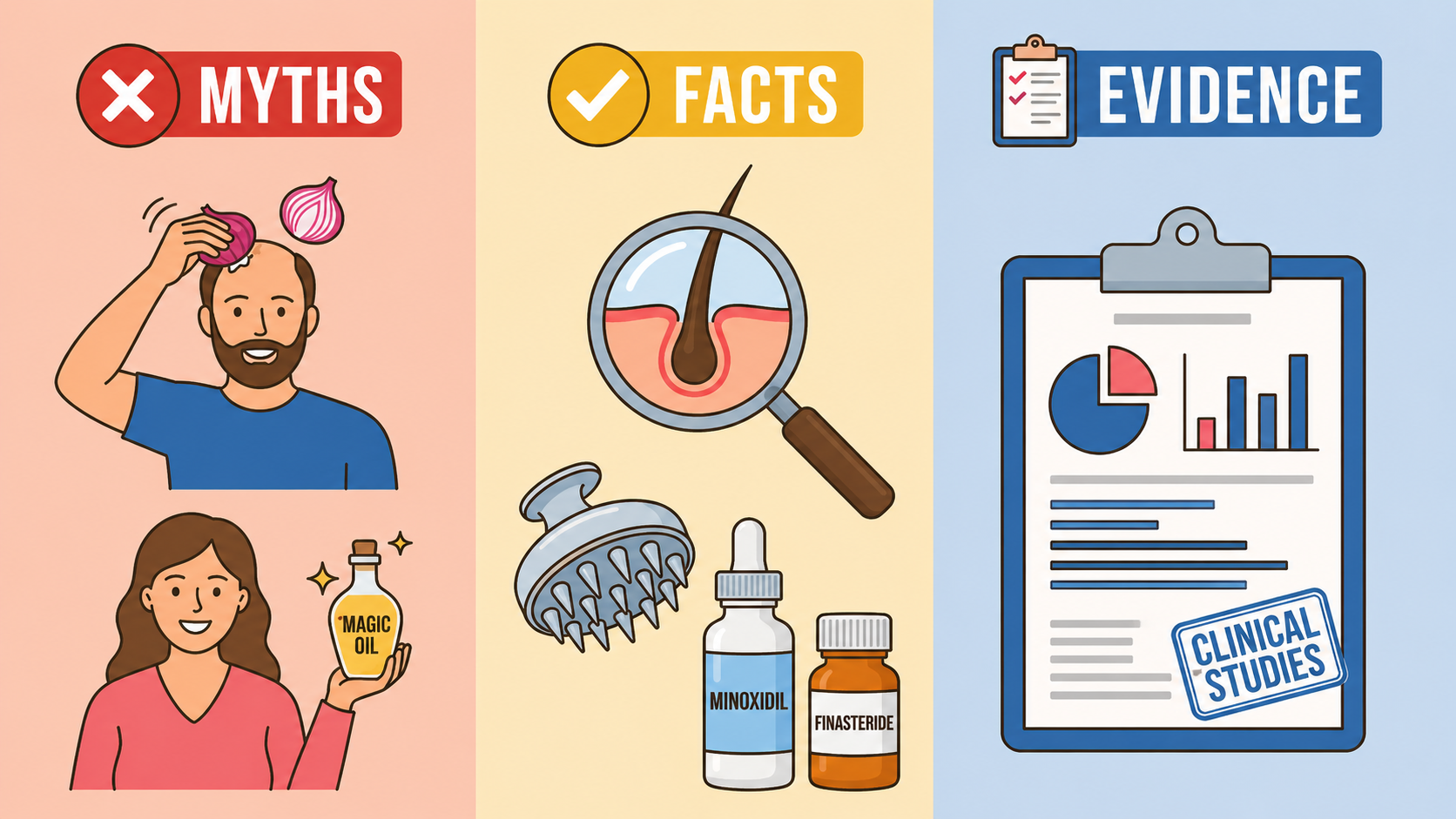
Common myths include:
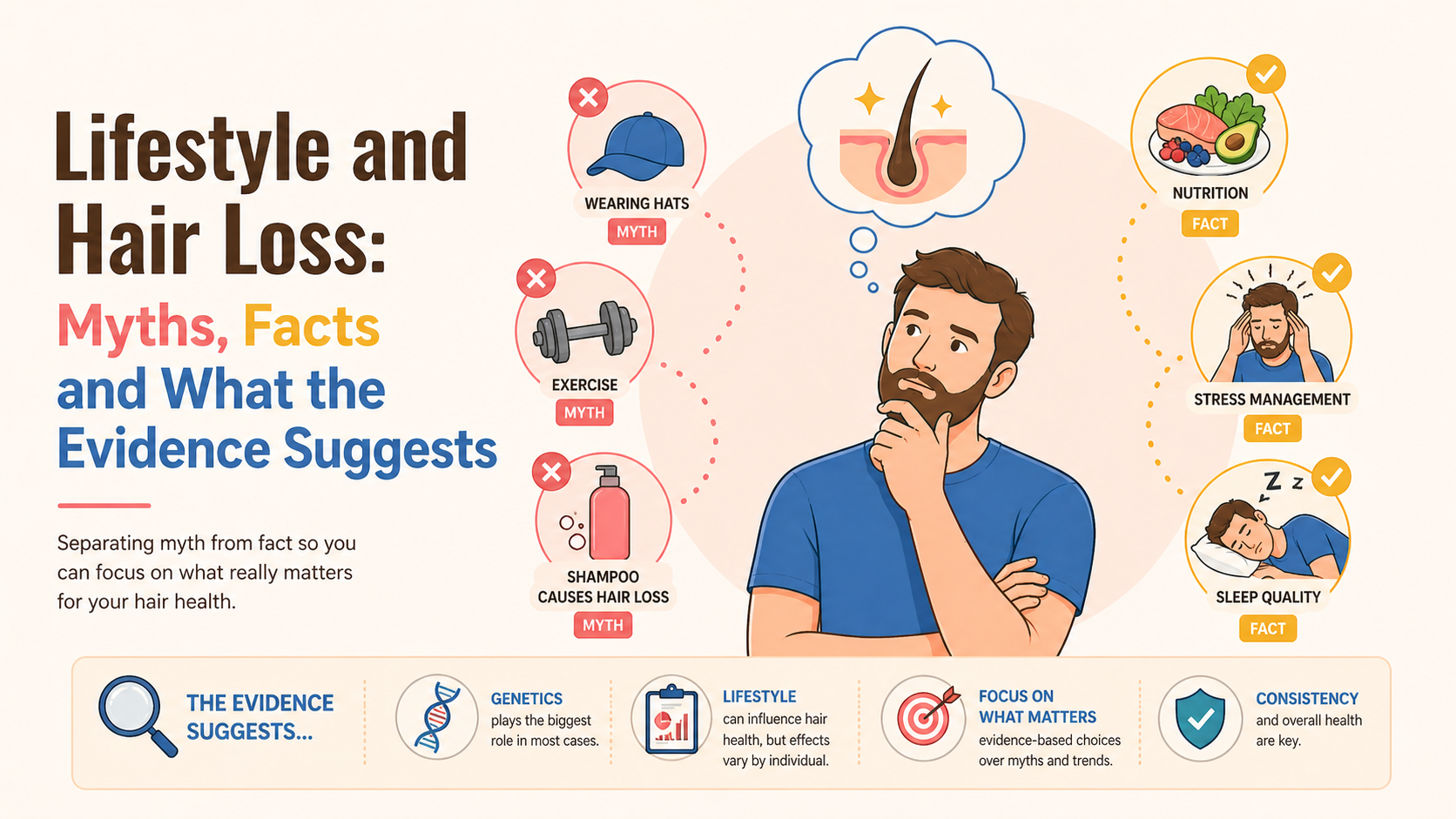
- “Hats cause baldness” – they do not. Provided they are not excessively tight and allow some air circulation, hats are protective for the scalp skin from sun exposure and do not cause androgenetic alopecia.
- “Hair products stop hair from breathing” – hair shafts are dead keratin; they do not breathe. Overuse of harsh products can irritate the scalp or damage shafts, but they do not directly reprogram follicles in the way hormones and genetics do.
10. Pulling it together: what really matters
From an evidence perspective, lifestyle factors fall into three broad categories:
Stronger signals
- Smoking – convincingly associated with microvascular damage, oxidative stress and possibly higher androgens, likely accelerating AGA in susceptible people.
- Crash diets and eating disorders – well-recognised triggers of telogen effluvium and diffuse thinning.
- Anabolic steroids and exogenous androgens – clearly linked to earlier or more aggressive AGA when the genetic background is present.
Moderate or context-dependent signals
- Heavy, chronic alcohol use – endocrine disruption and nutritional compromise, particularly in women, may worsen hair.
- Poor sleep and chronic stress – biologically plausible contributors to telogen effluvium; difficult to quantify but reasonable targets for improvement.
- Traction and harsh chemical treatments – clear mechanical and chemical stressors when used excessively.
Myths or weak signals
- Creatine – current human evidence does not support a direct causal link with hair loss.
- Cannabis – no robust evidence of direct causation; potential indirect effects through lifestyle factors around use.
- Hats and most standard hair products – not causes of androgenetic alopecia.
The central message is this: lifestyle does not determine your genetic predisposition, but it can influence how quickly that predisposition declares itself and how much additional, potentially reversible shedding is layered on top.
If you have a strong family history of hair loss, it is worth being thoughtful about smoking, extreme dieting and performance-enhancing drugs in particular. They are things you can control in a situation where much of the biology was decided before you were born.