Support should make hair loss easier to live with. I explain how to find useful communities, ask for the help you need and recognise when professional support could make a difference.

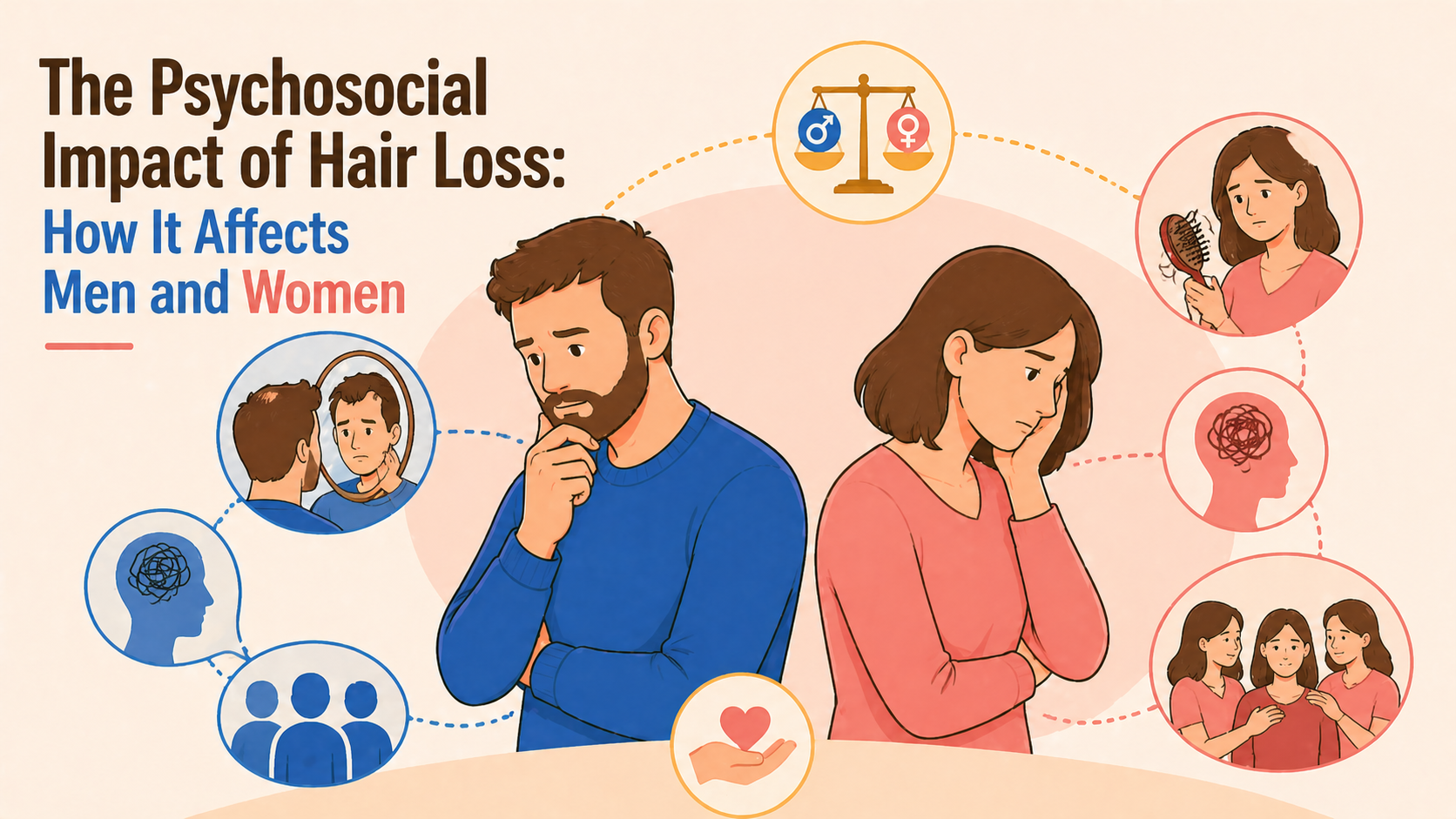
It can be surprisingly hard to tell someone that your hair is affecting you. You may worry that the concern will sound trivial, or that the only response will be “just shave it” or “nobody notices”. Neither answer necessarily addresses what you are living with.
I have found that the difficult part is often the amount of mental space hair occupies. Other people may see a perfectly ordinary day. You may have spent it managing lighting, weather and the possibility of someone touching your hair.
You can ask for support without deciding whether your reaction is reasonable enough first. Being listened to is not something you earn by reaching a particular stage of hair loss.
A medical appointment is useful for understanding the cause and weighing treatment. A friend may be better placed to hear how isolating it has become. Someone who wears a wig or uses fibres may understand practical difficulties that a person with unaffected hair has never considered.
You do not need one person to solve all of it. It can help to say what you want from a conversation: “I would like you to listen for a moment”, or “I need help deciding what to ask at my appointment”. That gives the other person a better starting point than trying to guess whether you want reassurance or advice.
If someone offers an unhelpful reassurance, you can explain the part they cannot see. The time spent concealing hair may be the burden, even when the concealment works.
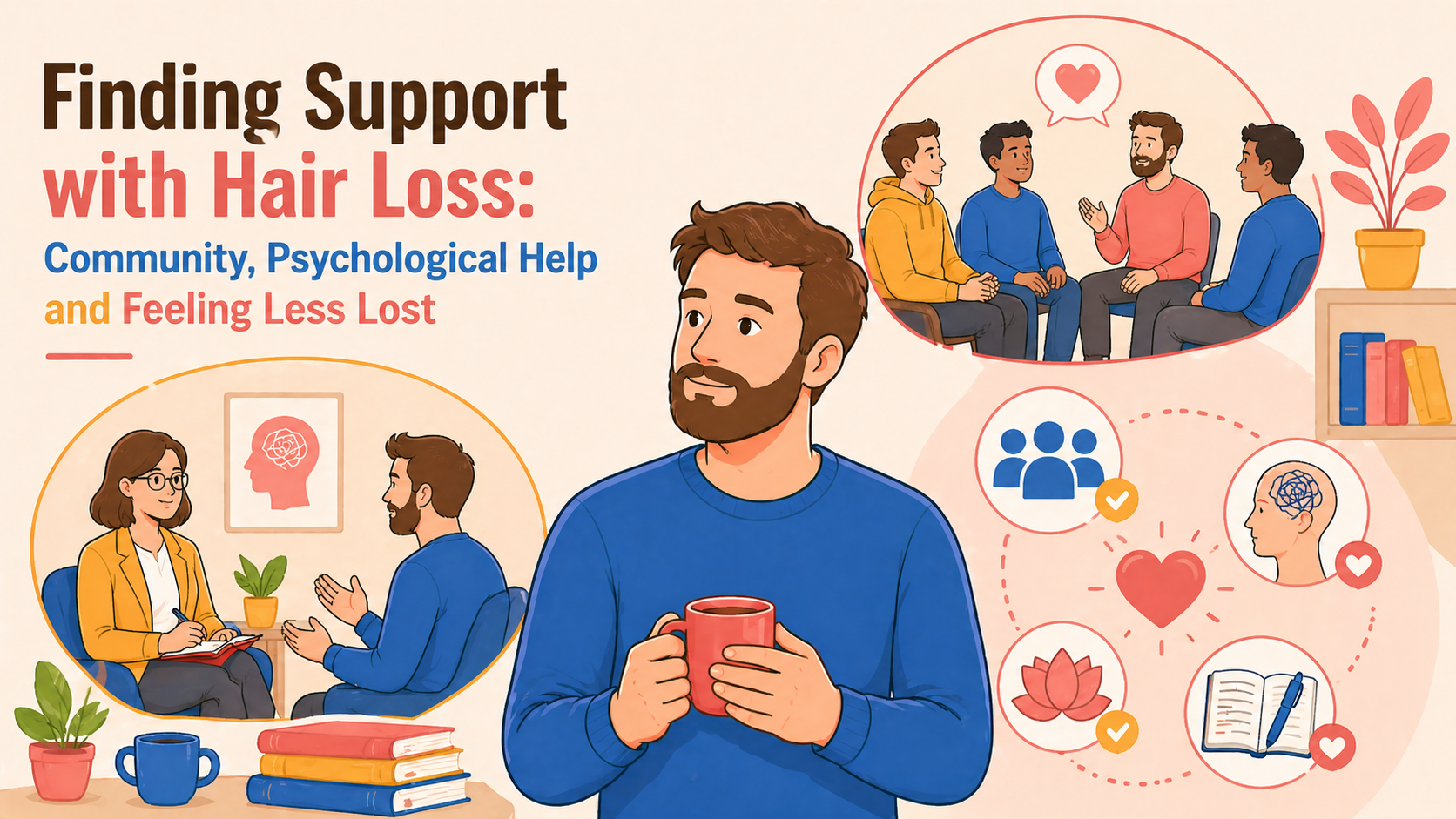
Peer support can make an unfamiliar experience feel less isolating. Patient organisations offer different groups depending on diagnosis, location and age. Check the eligibility and format before attending; a group designed around alopecia areata may have a different focus from one discussing pattern hair loss.
Alopecia UK lists its peer support groups, including information about who they are for. Your clinician may also know relevant organisations where you live.
A useful group leaves room for different choices. Treatment, wigs, hair systems and shaving should not become tests of whether someone is coping correctly. Be cautious when a group is dominated by product sales or pressure to copy a particular regimen.
Someone else can explain what taking a medicine felt like, how they discussed a hair system with a partner, or what surprised them after surgery. Those experiences can help you prepare questions.
A story cannot tell you the probability that the same thing will happen to you. Online communities do not provide a representative sample of everyone using a treatment, and dramatic experiences are often the most visible.
If reading leaves you repeatedly checking your scalp or reopening decisions you have already made with a clinician, consider setting a boundary around it. More information is useful when it answers a question. Endless searching can become another demand on your day.
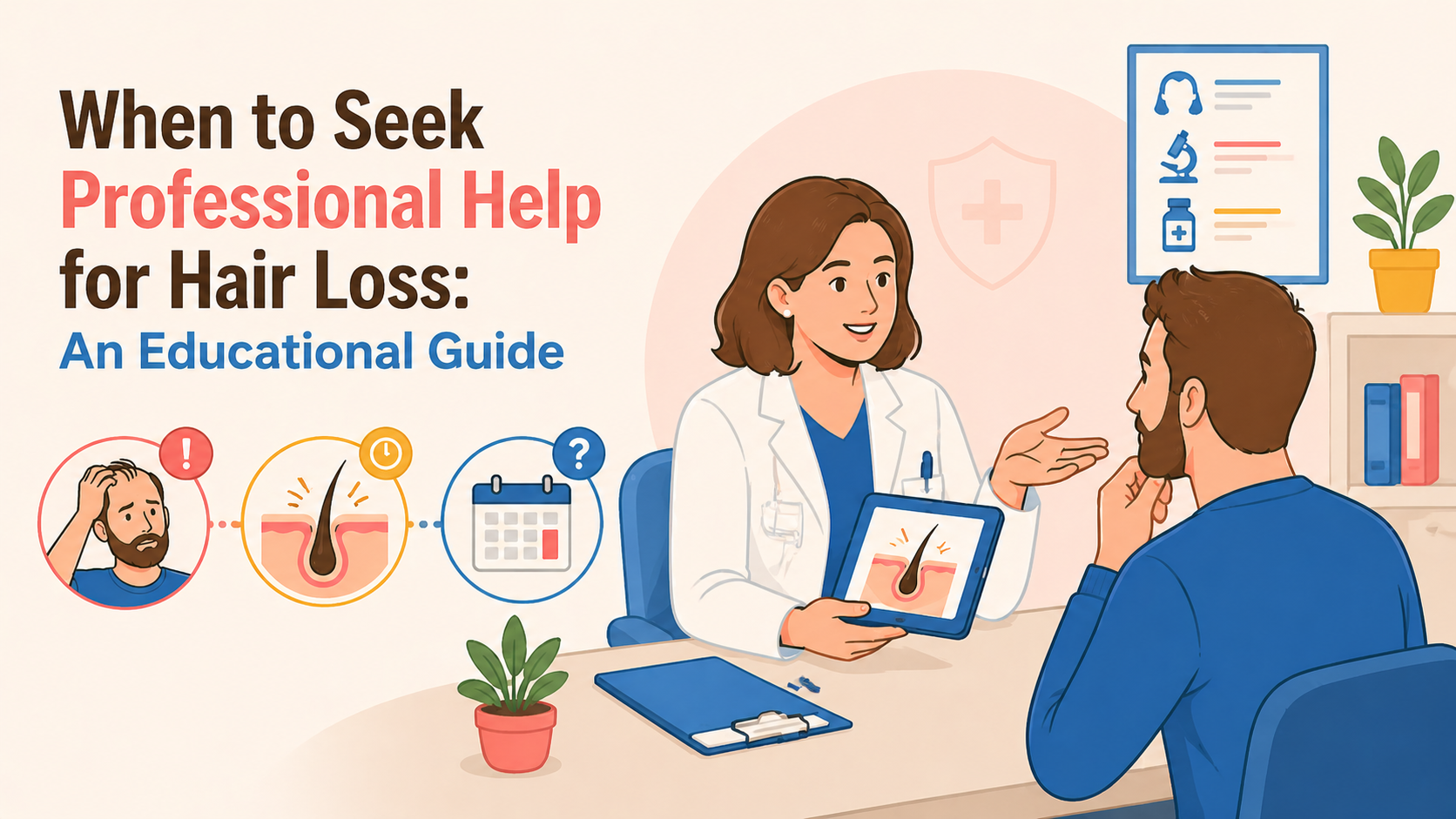
Consider speaking to your GP or a mental health professional if worry is interfering with relationships, sleep, work or activities you used to enjoy. Persistent low mood, increasing avoidance or spending large parts of the day checking your appearance are reasons to ask for help.
Therapy can address anxiety, unhelpful beliefs and patterns of avoidance while medical treatment continues. It does not require you to stop caring about your hair. Research on interventions specifically for alopecia is encouraging in places but remains limited, with small studies and different diagnoses. It is not a promise that a particular therapy will work for everyone.
If you feel at immediate risk of harming yourself, contact your local emergency service or attend an emergency department. Urgent support takes priority over finding the perfect hair treatment.
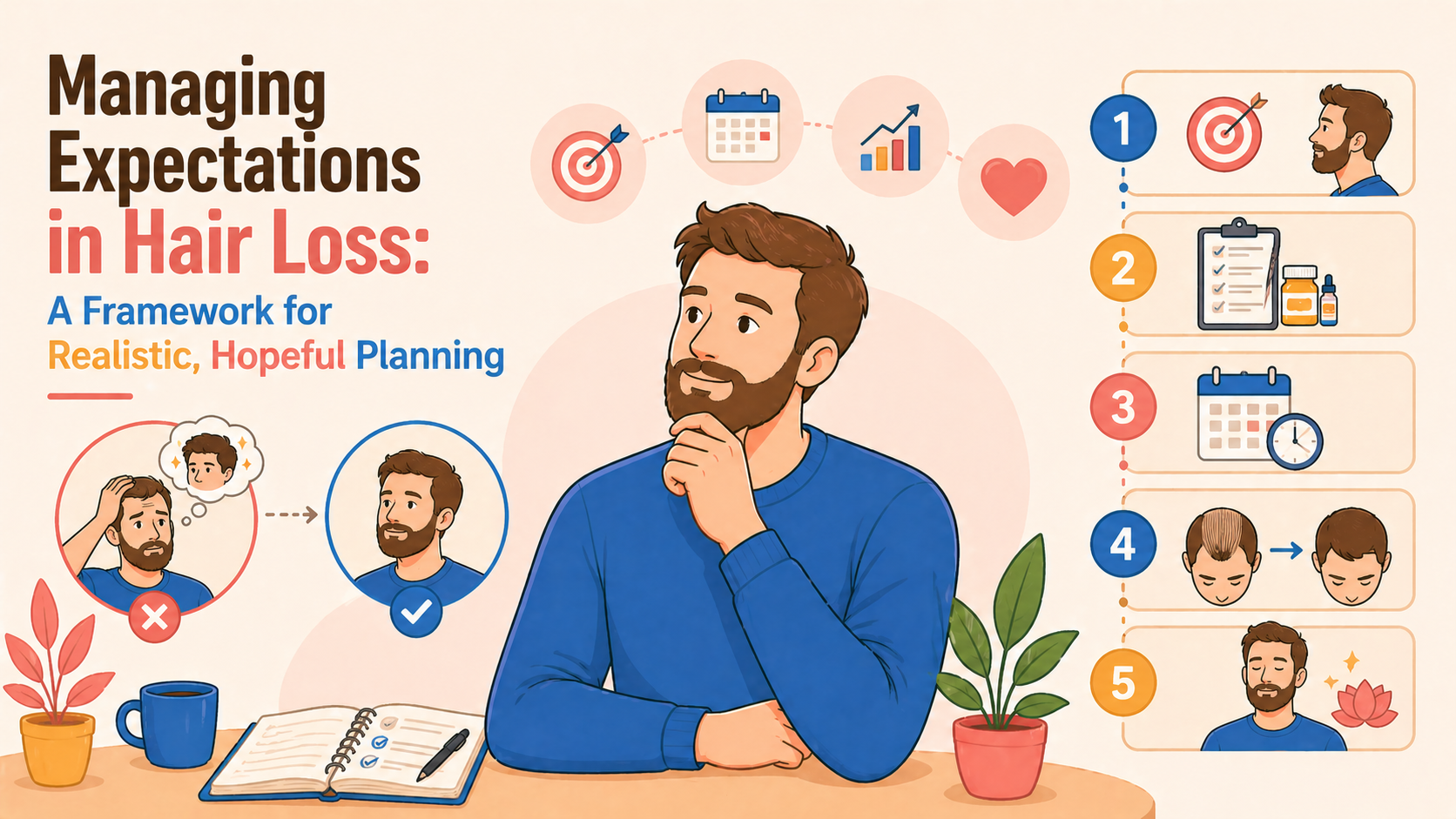
A clear treatment plan can reduce the feeling that you should be doing something new every week. Agree with your clinician what you are trying, when it will be reviewed and what would prompt an earlier conversation.
Alongside that, choose something you want to return to because it matters to you. It might be seeing a friend, going swimming or dating again. The aim is not to perform confidence or prove you are unaffected. It is to stop making every worthwhile experience wait for a different hairline.
My hope for Hairline Helpline is that better information helps you make decisions and then gives you some of your attention back. Support should help you build a life you want to be present in.