Women's Hair Loss

Types of Hair Loss in Women: An Overview

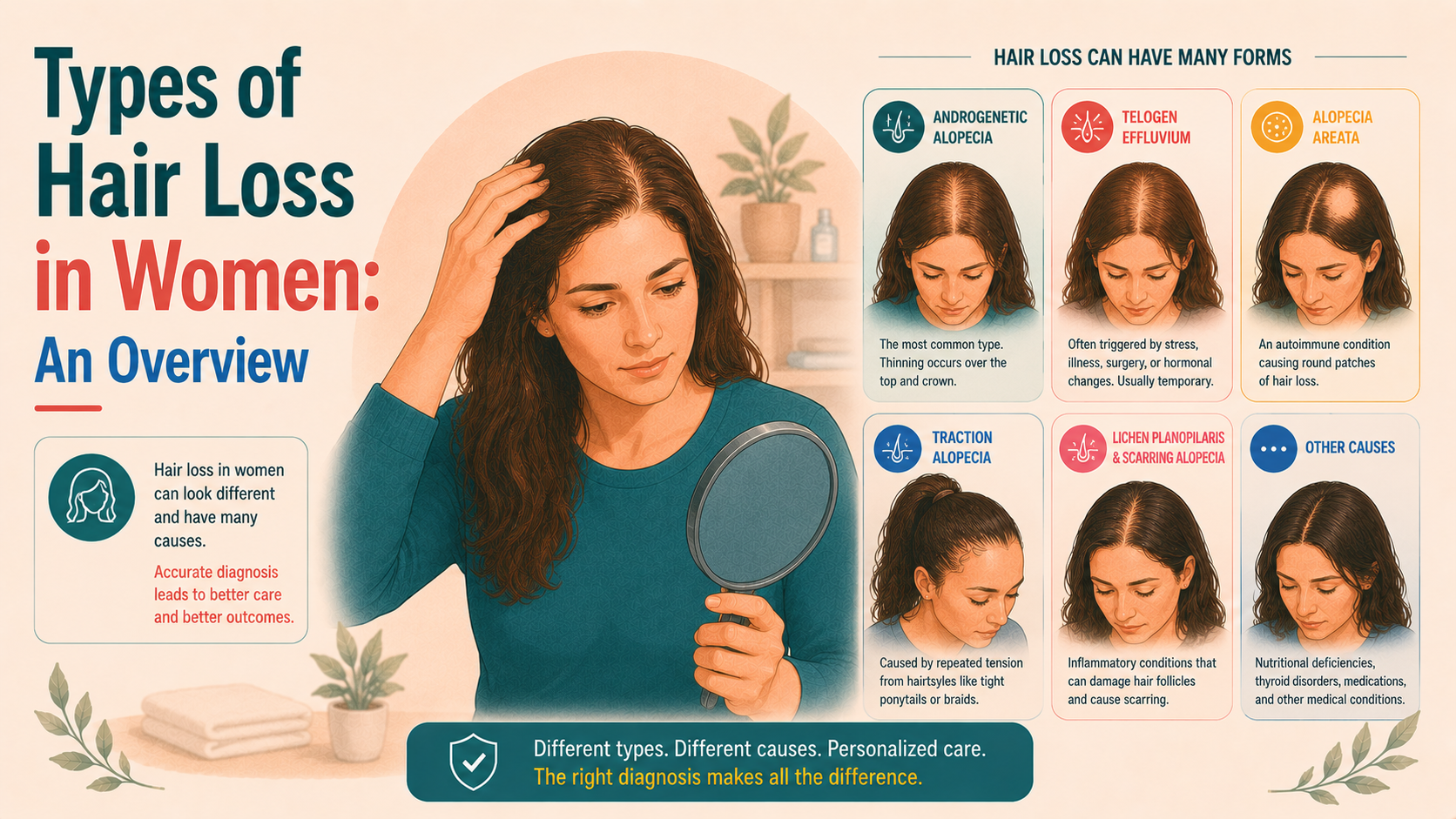
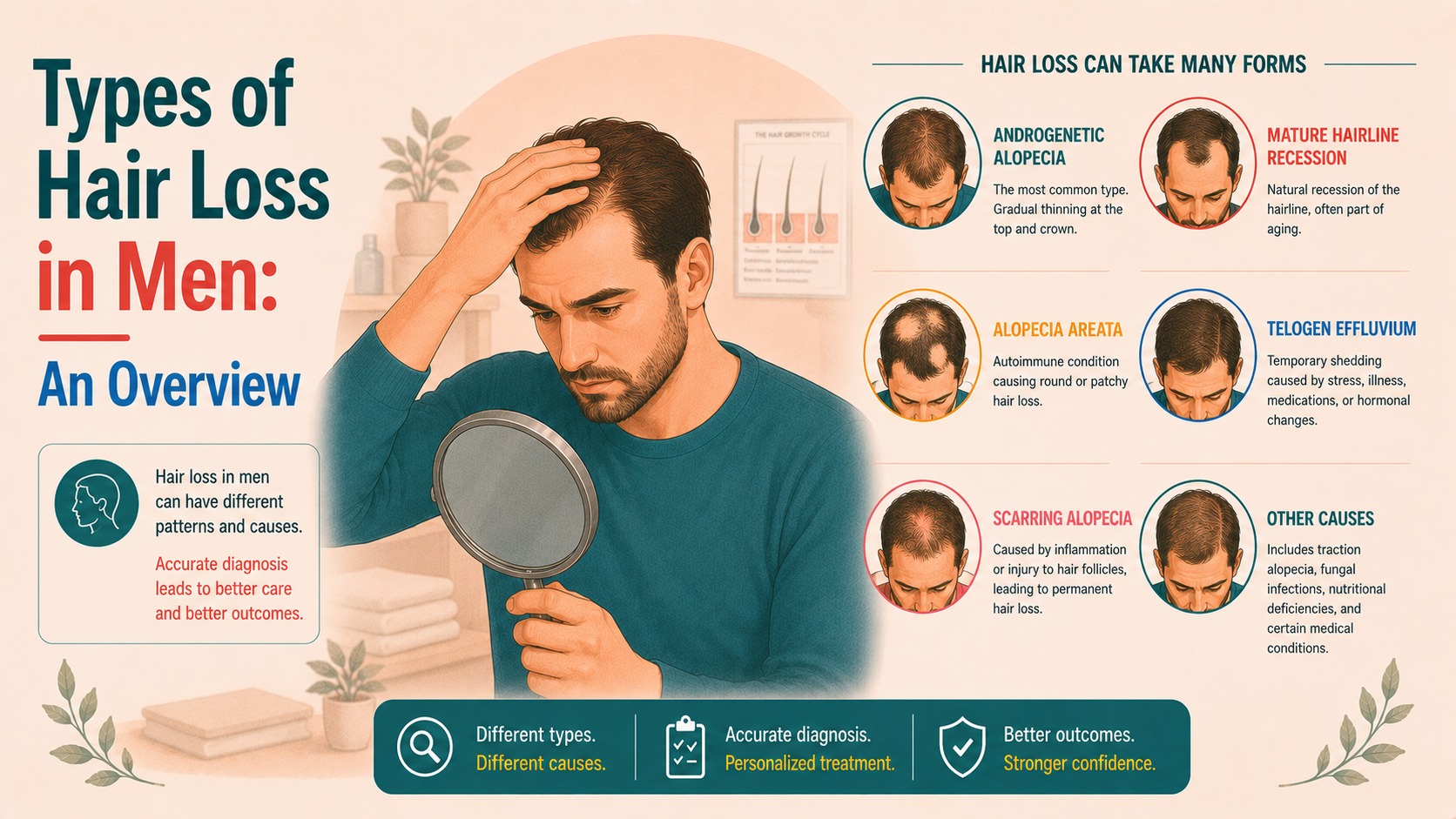
Women experience several distinct patterns and causes of hair loss, not just “female pattern baldness”. This article summarises the main types of hair loss in women – from pattern thinning and reactive shedding, to autoimmune and scarring conditions, traction, and behaviour-related loss – and explains why getting the type right matters.

[headshot]
Dr. Harry M Griffiths
Article Summary

1. Why women’s hair loss needs its own map

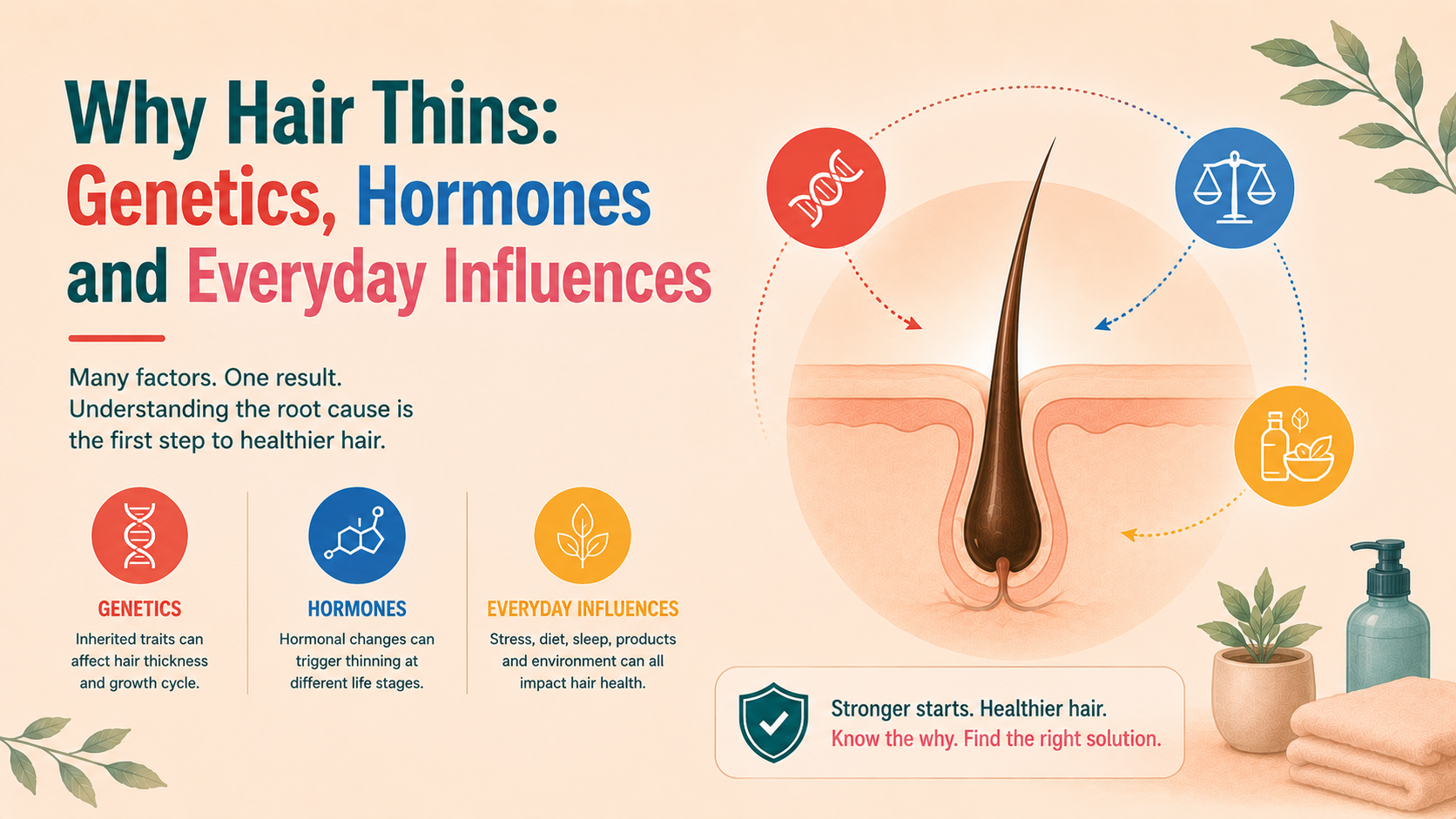
Similar to men, women’s hair loss is often minimised as stress, hormones, or simply ageing. In reality, a woman’s scalp can be affected by:

  • female pattern hair loss,
  • short-lived shedding after illness or childbirth,
  • chronic diffuse shedding,
  • autoimmune hair loss,
  • scarring inflammatory conditions,
  • traction from styling practices,
  • and, in some cases, compulsive hair-pulling.

Some of these are benign and self-limiting. Others require early, targeted treatment to avoid permanent loss. Understanding the range of possibilities is the first step towards making sense of your own experience, and towards sensible management.

2. Female pattern hair loss (FPHL)

2.1 Core features

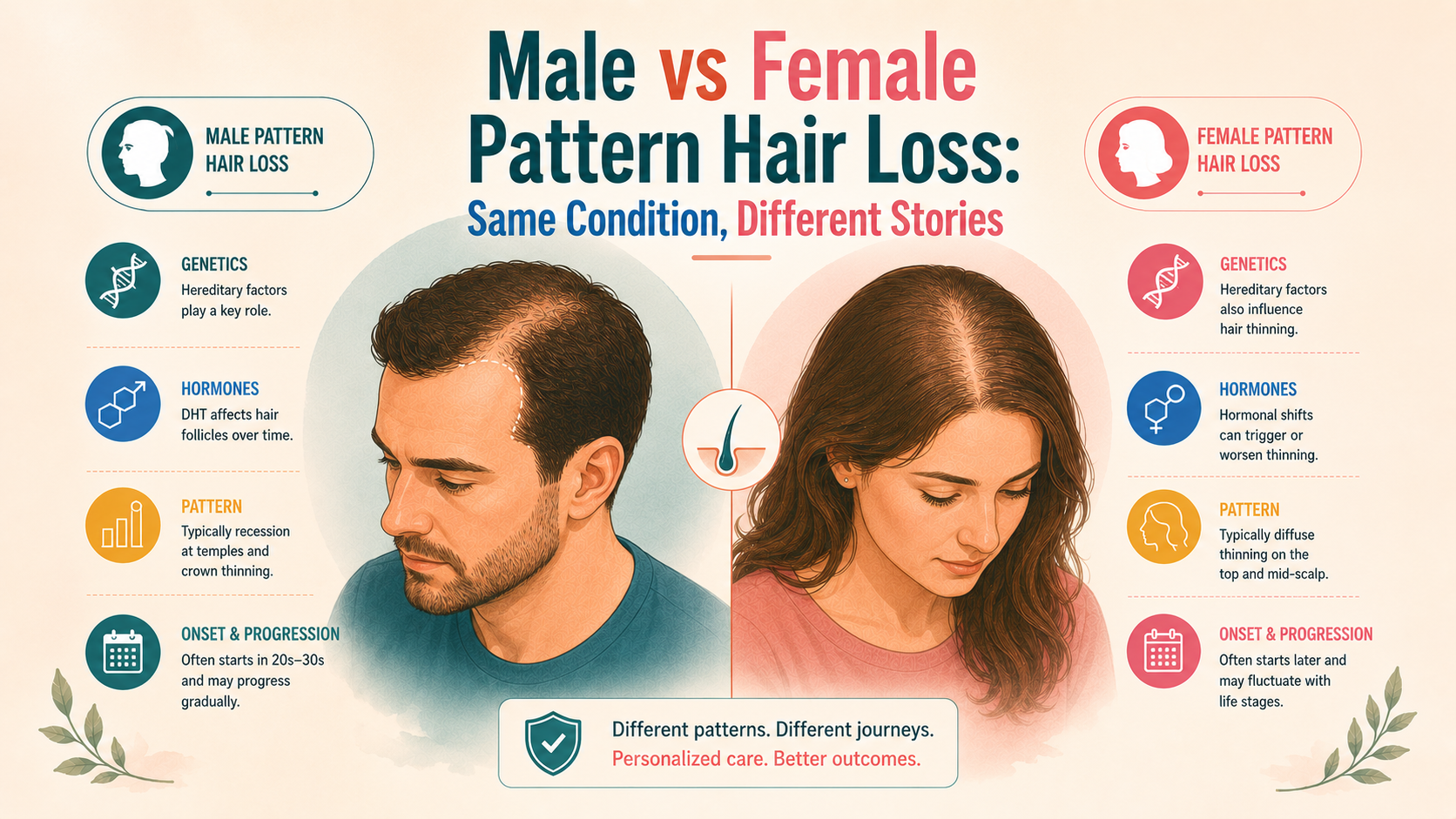
Female pattern hair loss (FPHL) is the most common chronic hair loss in women and represents the female expression of androgenetic alopecia.

Typical features:

  • Diffuse thinning over the mid-scalp and crown,
  • Preserved frontal hairline in most cases,
  • Visible widening of the central parting, sometimes with the “Christmas tree” pattern when viewed from the front,
  • Gradual, chronic progression rather than sudden shedding.

The Ludwig and Sinclair scales are used to grade severity, from mild part widening to marked crown thinning.

2.2 Biology in brief

FPHL is driven by:

  • Genetic susceptibility of follicles in certain regions,
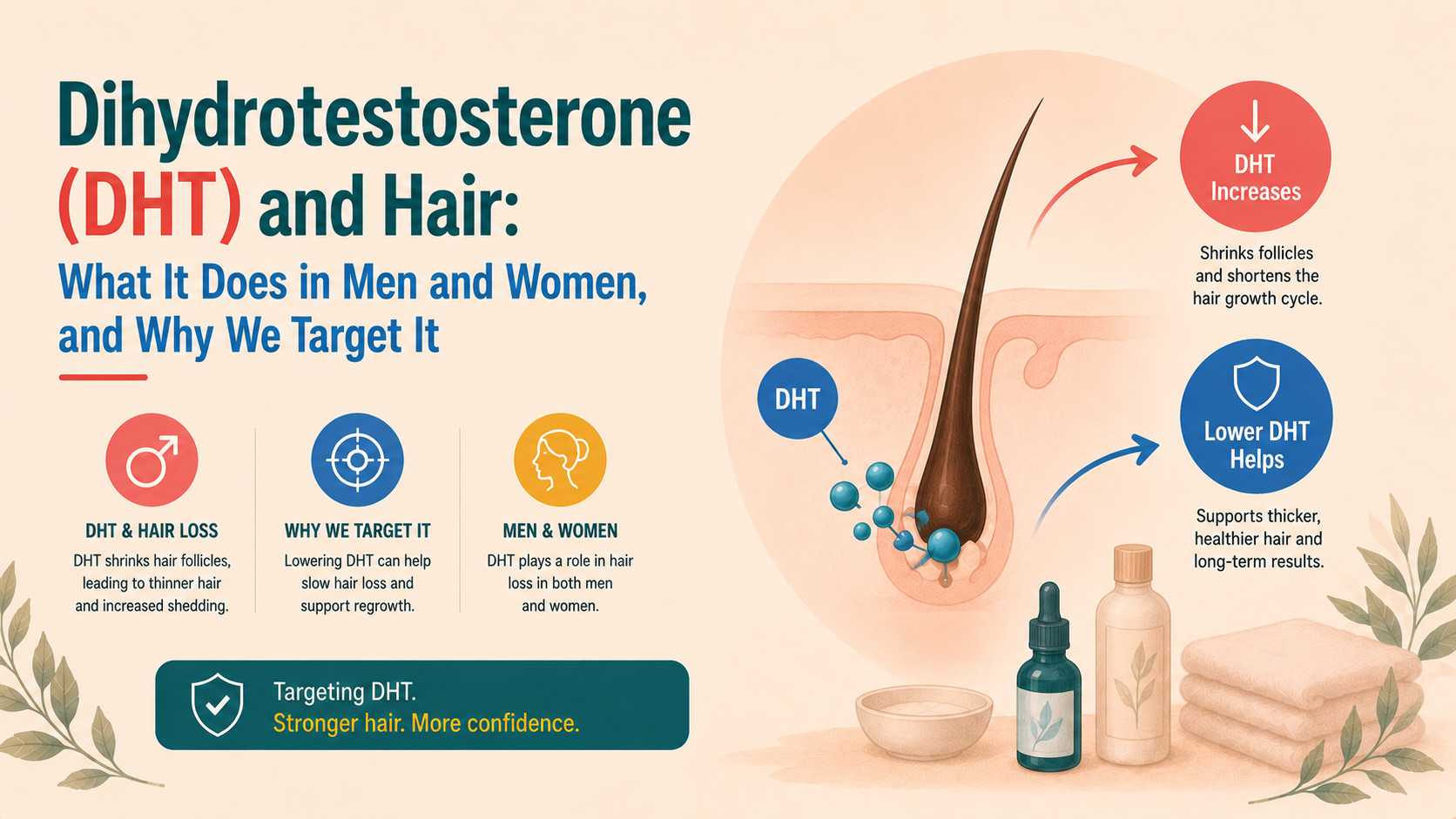
  • Androgen signalling (dihydrotestosterone, DHT), even when blood levels are normal,
  • Changes in the balance between androgens and oestrogens, particularly around menopause,
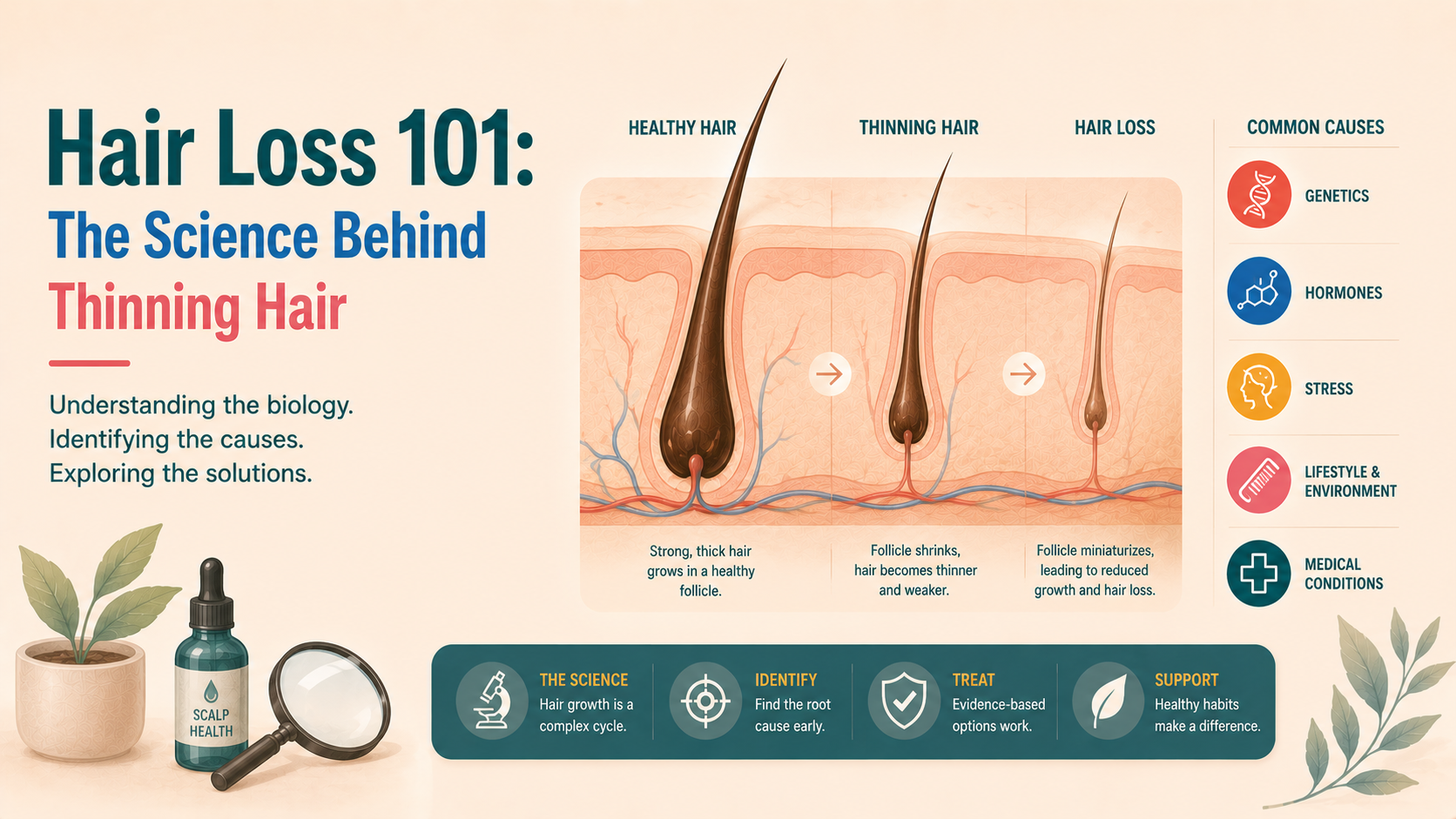
  • Follicular miniaturisation: thick terminal hairs are gradually replaced by finer, shorter hairs.

Some women with FPHL have overt hyperandrogenism (as in polycystic ovarian syndrome (PCOS)); many do not. The shared theme is follicular sensitivity, not serum hormone levels alone.

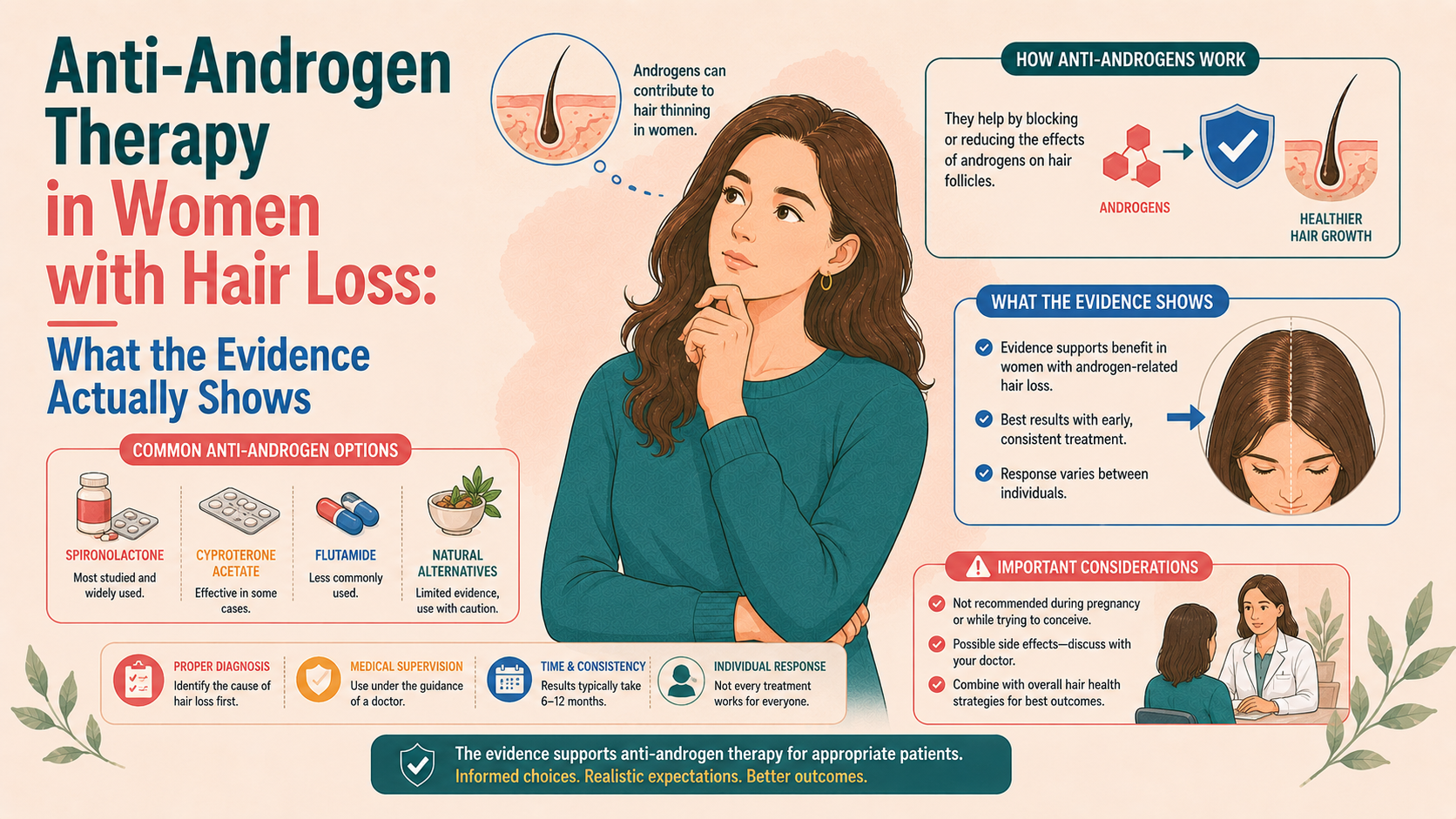
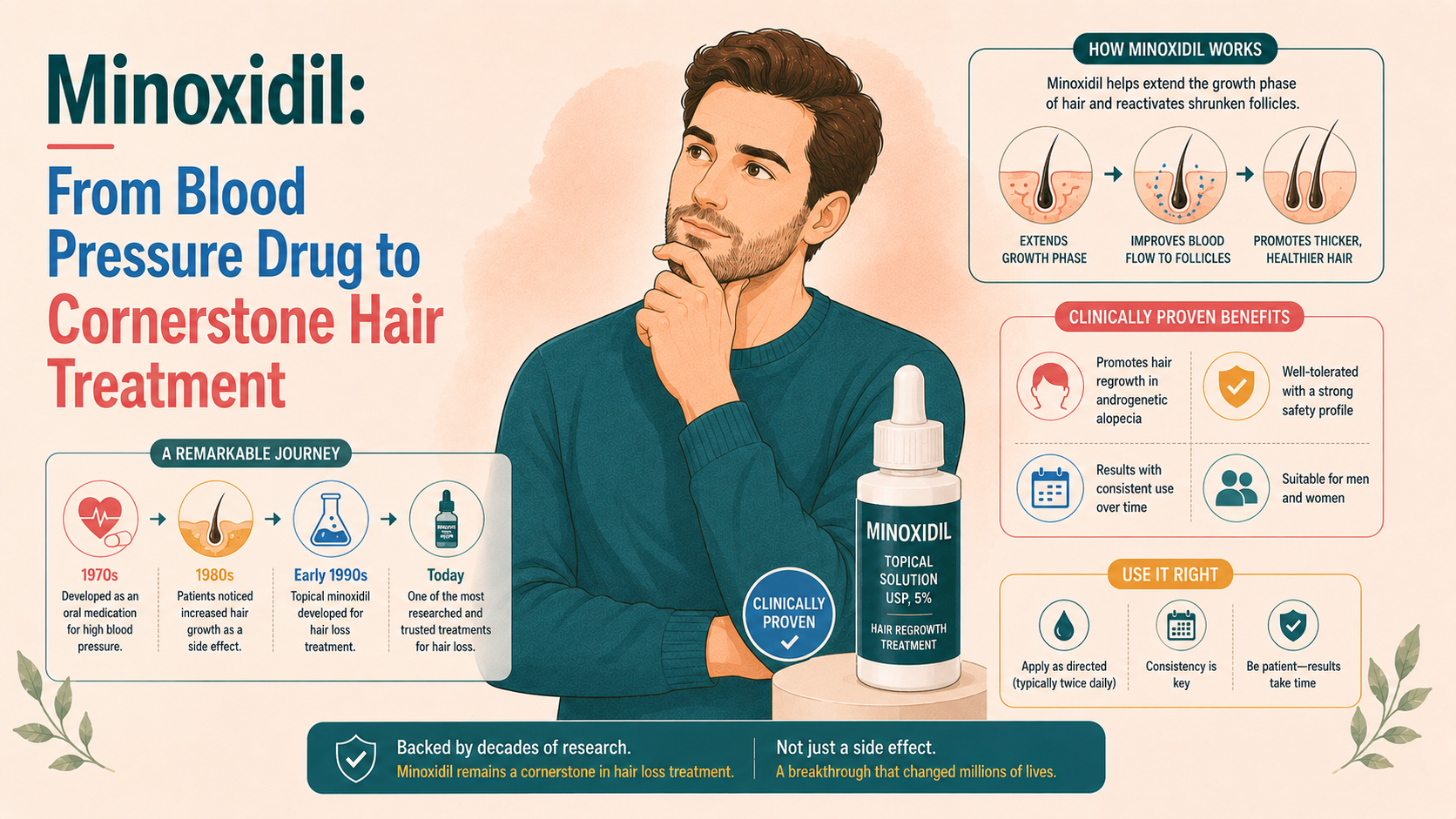
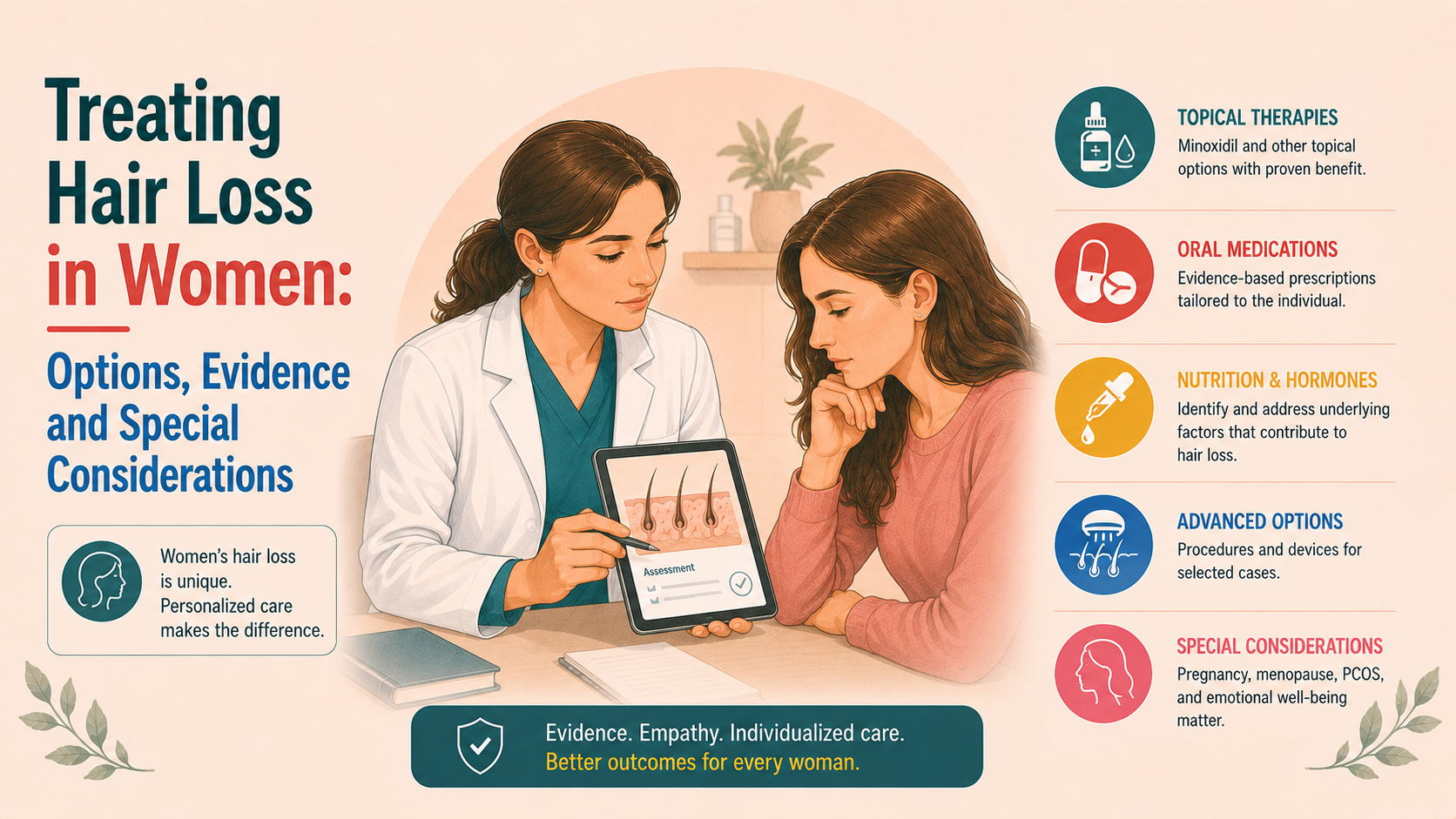
FPHL is chronic but often controllable with topical or oral minoxidil, or in selected cases, anti-androgens or 5α-reductase inhibitors under specialist oversight, along with supportive attention to iron status, thyroid function and other health factors when indicated. This is discussed in more detail in a separate article about Treatment Options in Women.

Because it evolves slowly, FPHL is often mistaken for “normal ageing” until density loss is substantial. Early recognition provides a greater opportunity to intervene.

3. Shedding disorders: telogen effluvium and postpartum loss

3.1 Telogen effluvium (TE)

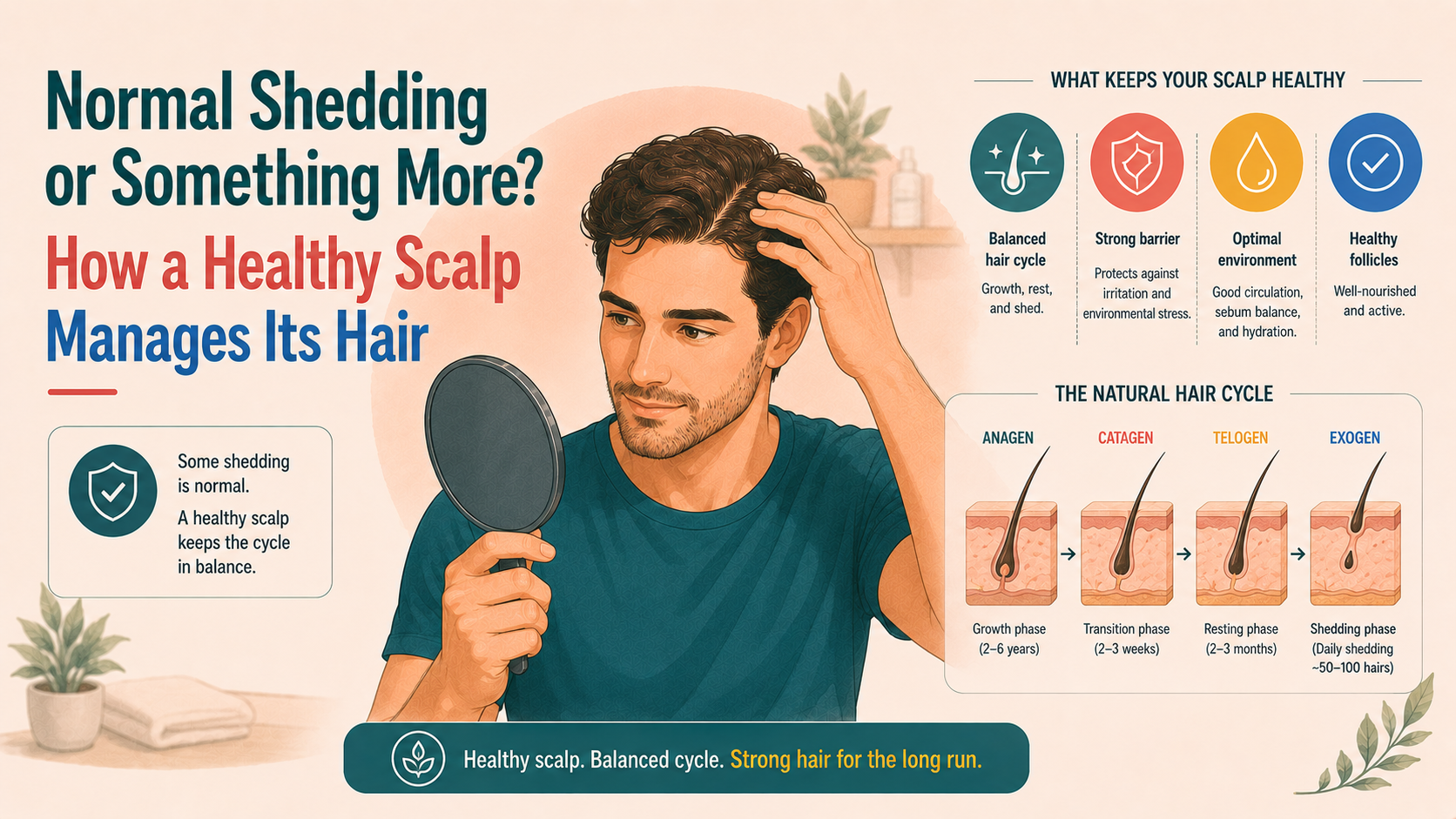
Telogen effluvium occurs when a larger-than-usual proportion of follicles shift from anagen (growth) into telogen (resting) in response to a trigger. A few months later, those telogen hairs shed.

Common triggers in women include:

  • major illness, high fever or surgery,
  • childbirth, miscarriage or abortion,
  • rapid weight loss or restrictive dieting,
  • severe psychological stress,
  • iron deficiency or other nutritional deficits,
  • certain medications (for example, some antidepressants, retinoids, endocrine therapies).

Features:

  • Diffuse shedding from the whole scalp,
  • Hairs on pillows, in the shower and on the hands after gentle pulling,
  • Often, there is a clear temporal link to a stressor three to four months earlier.

In acute TE, shedding lasts a few months, then settles as follicles re-enter anagen. In chronic TE, shedding can persist for longer than six months and may require a more detailed search for ongoing triggers.

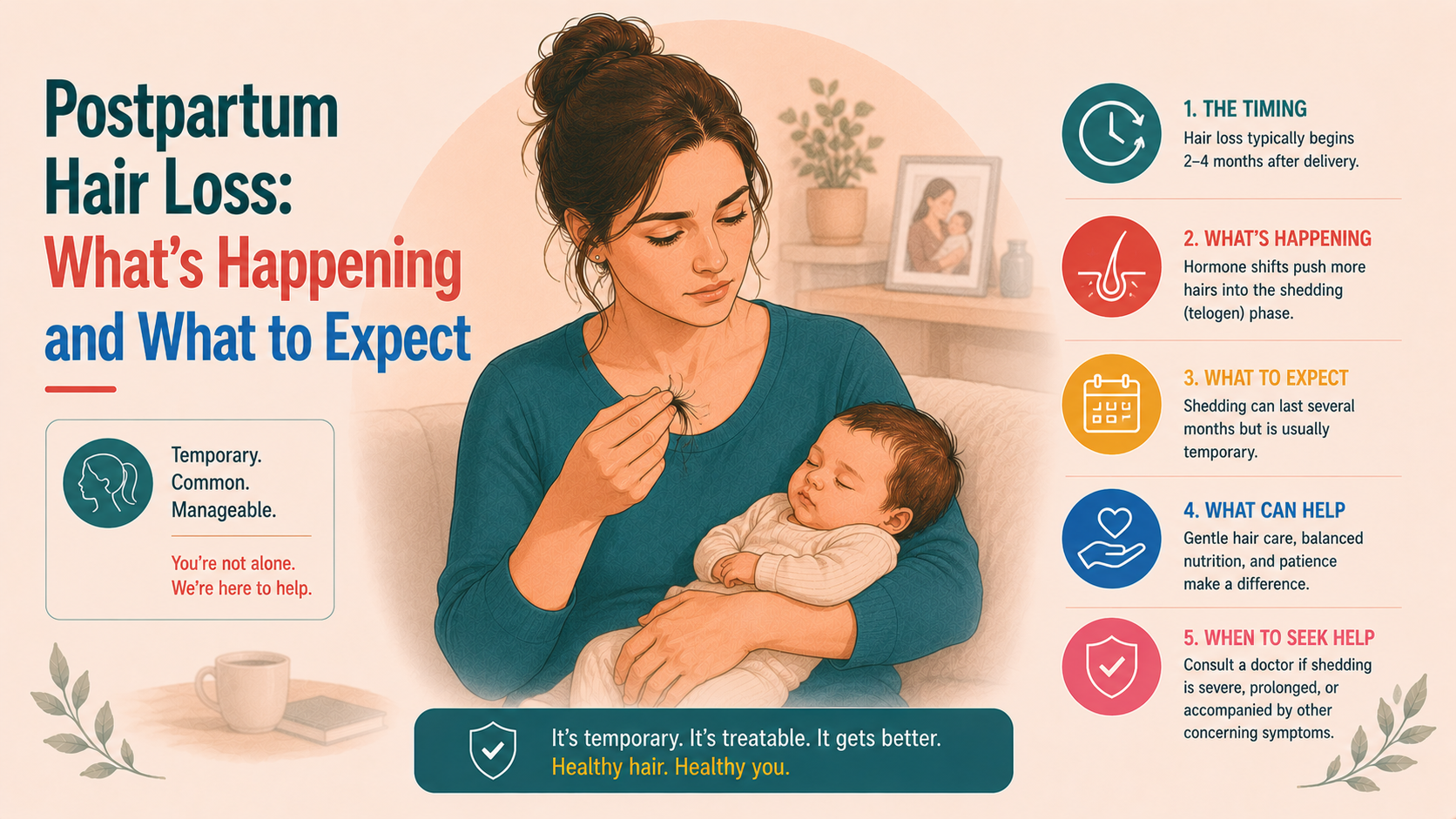
3.2 Postpartum telogen effluvium

Postpartum telogen effluvium is a special case:

  • During pregnancy, oestrogen prolongs anagen and many women notice thicker hair.
  • After birth, hormone levels fall, and many of these “delayed” follicles enter telogen together.
  • Shedding typically peaks two to four months postpartum, sometimes later, and then gradually abates over several months.

For most women, this is self-limiting, and density largely recovers within the first year after delivery. In some, an underlying FPHL is unmasked, and the mid-scalp remains thinner even once the postpartum shed passes.

4. Autoimmune hair loss: alopecia areata

Women are as susceptible as men to alopecia areata, an autoimmune condition where the immune system attacks the bulb of anagen hairs.

Patterns include:

  • Patchy alopecia areata – round or oval bald patches with smooth skin, often on the scalp, sometimes in the eyebrows or body hair.
  • Alopecia totalis – loss of all scalp hair.
  • Alopecia universalis – loss of all body hair.
  • Ophiasis – band-like loss along the hairline at the back and sides.

Typical features:

  • abrupt onset,
  • normal-looking skin without scarring,
  • “exclamation-mark” hairs and black dots at the edges on close inspection.

The course is variable: some women have a single patch that regrows spontaneously; others have chronic or relapsing disease. Newer targeted therapies, including Janus kinase (JAK) inhibitors, have opened meaningful options in more severe cases, but decisions must weigh efficacy against systemic risks.

5. Scarring alopecias in women

Scarring (cicatricial) alopecias are particularly important in women, because several of the most common forms are female-predominant. In these conditions, follicles are permanently destroyed and replaced with fibrous tissue. Early diagnosis and treatment can halt progression, but cannot revive already scarred areas.

5.1 Lichen planopilaris (LPP)

LPP is a lymphocytic scarring process targeting the upper hair follicle.

Features:

  • patches of hair loss with perifollicular erythema and scale,
  • symptoms of burning, tenderness or itch,
  • gradual replacement of follicles with smooth, atrophic skin lacking visible openings.

It may occur in isolation or as part of a broader lichen planus picture.

5.2 Frontal fibrosing alopecia (FFA)

FFA is considered a clinical variant of LPP and predominantly affects women, particularly postmenopausal.

Features:

  • progressive recession of the frontal hairline, often in a band-like fashion,
  • loss of eyebrows and sometimes body hair,
  • perifollicular erythema and scale at the active margin.

Left unchecked, it can produce a very characteristic “headband” of scarring alopecia. Topical, intralesional and systemic immunomodulatory strategies are used to stabilise disease; regrowth in scarred areas is not expected.

5.3 Central centrifugal cicatricial alopecia (CCCA)

CCCA is most common in women of African descent. It typically starts at the crown and expands outwards.

Features:

  • central thinning and breakage, progressing to scarring alopecia in a “centrifugal” pattern,
  • sometimes associated with scalp symptoms,
  • historically linked to certain styling practices, though genetics and intrinsic follicular vulnerability also play roles.

Early anti-inflammatory treatment and modification of exacerbating hair practices can slow or halt progression.

5.4 Discoid lupus erythematosus and other connective tissue diseases

Discoid lupus can involve the scalp with:

  • erythematous, scaly plaques,
  • follicular plugging,
  • dyspigmentation,
  • evolution to scarring alopecia if untreated.

Other vasculitic or connective tissue disorders may create patchy scarring, though less commonly.

6. Traction, styling and chemical damage

Women are more often exposed to hairstyles and treatments that exert chronic mechanical or chemical stress on the hair and follicles.

6.1 Traction alopecia

Commonly seen in:

  • tight braids, cornrows, weaves and locs,
  • tightly pulled ponytails or buns,
  • styles held under significant tension for long periods.

Early signs include small, broken hairs and thinning at the hairline or wherever tension is greatest, with perifollicular inflammation in some cases.

If traction is reduced early, follicles can recover. Long-standing traction leads to scarring, particularly along the frontal and temporal margins.

6.2 Chemical and heat-related damage

Relaxers, bleaching, frequent colouring, and high-heat styling can:

  • fracture shafts,
  • increase breakage and apparent fragility,
  • irritate the scalp.
These affect primarily the hair shaft rather than the follicle. They may contribute to overall poor hair quality and can interplay with other causes, but do not typically cause androgenetic or autoimmune alopecia by themselves.
7. Trichotillomania and body-focused repetitive behaviours

Women are also affected by trichotillomania, a compulsive hair-pulling condition.

Features:

  • irregular patches of reduced density,
  • hairs of different lengths, with broken shafts and coexisting normal hairs,
  • sometimes eyebrow or eyelash involvement,
  • a psychological component involving tension before pulling and relief afterwards, often followed by guilt or shame.

Early on, it is non-scarring. Chronic, severe pulling can damage follicles and create permanent thinning in the most targeted areas. Management is multidisciplinary, pairing scalp care with psychological and behavioural support.

8. Hair loss in the context of systemic disease and medication

Many women experience hair changes related to systemic conditions or their treatments.

Examples:

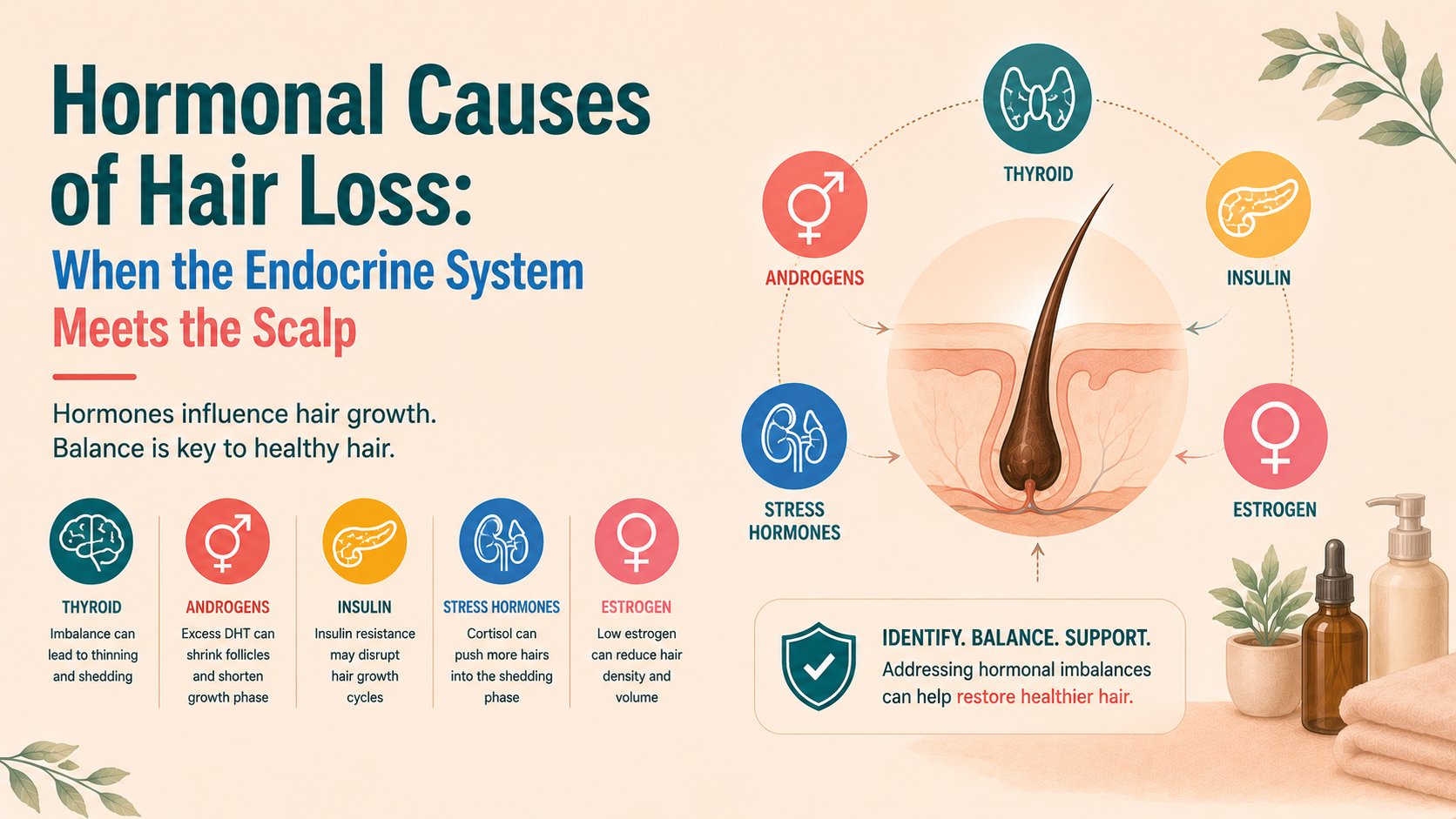
  • Thyroid disease – both hypo- and hyperthyroidism can cause diffuse shedding and texture changes.
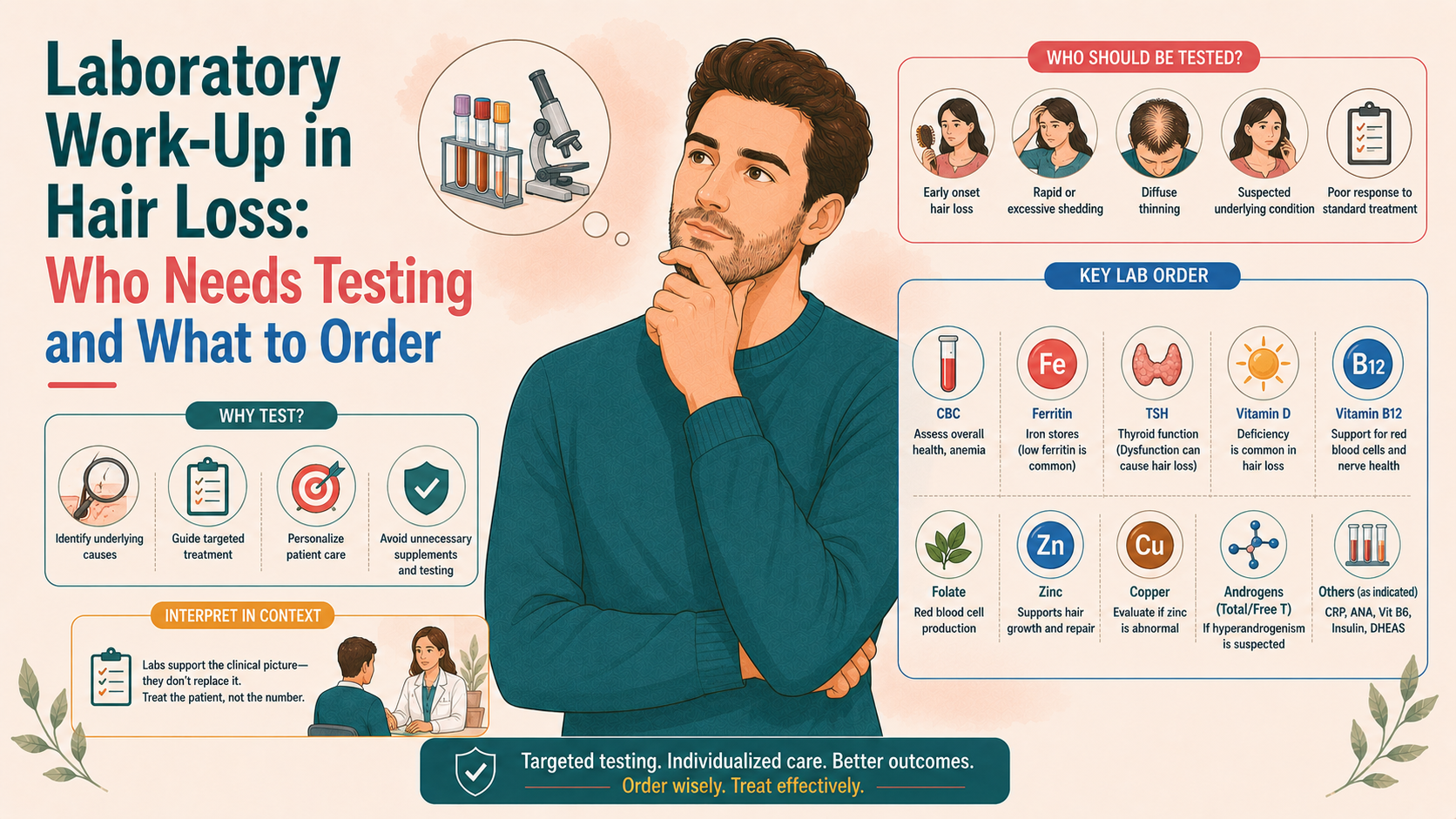
  • Iron deficiency – very common in pre-menopausal women, contributing to diffuse shedding or worsening of other patterns.
  • Chronic inflammatory illnesses – may promote telogen effluvium.
  • Medications – endocrine therapies for breast cancer, retinoids, anticoagulants, some antidepressants and anti-epileptics can all be associated with hair loss in a subset of patients.

The pattern may be diffuse shedding, acceleration of pre-existing FPHL, or, in chemo-type agents, abrupt anagen effluvium with almost complete loss during treatment.

9. Why a precise diagnosis matters in women

Unlike in many men, where a classic Hamilton–Norwood pattern dominates, women’s hair loss often presents as a blend:

  • FPHL plus telogen effluvium,
  • FPHL plus traction,
  • LPP or FFA mistaken for “receding hairline”,
  • underlying systemic disease contributing to diffuse shedding.

A precise diagnosis matters because:

  • FPHL and telogen effluvium are managed very differently from LPP, FFA or CCCA.
  • Scarring alopecias require early, aggressive anti-inflammatory treatment to prevent permanent loss.
  • Postpartum or stress-related shedding often need time and supportive care, not harsh or unnecessary treatments.
  • Trichotillomania calls for psychological and behavioural support alongside scalp care.

In other words, the label “hair loss” is far too vague to guide treatment. The type, pattern, and underlying process are pivotal to ensuring accurate diagnosis and management.

Sources
Last updated:
March 12, 2026

Read More from the Knowledge Hub: