Hair Loss 101

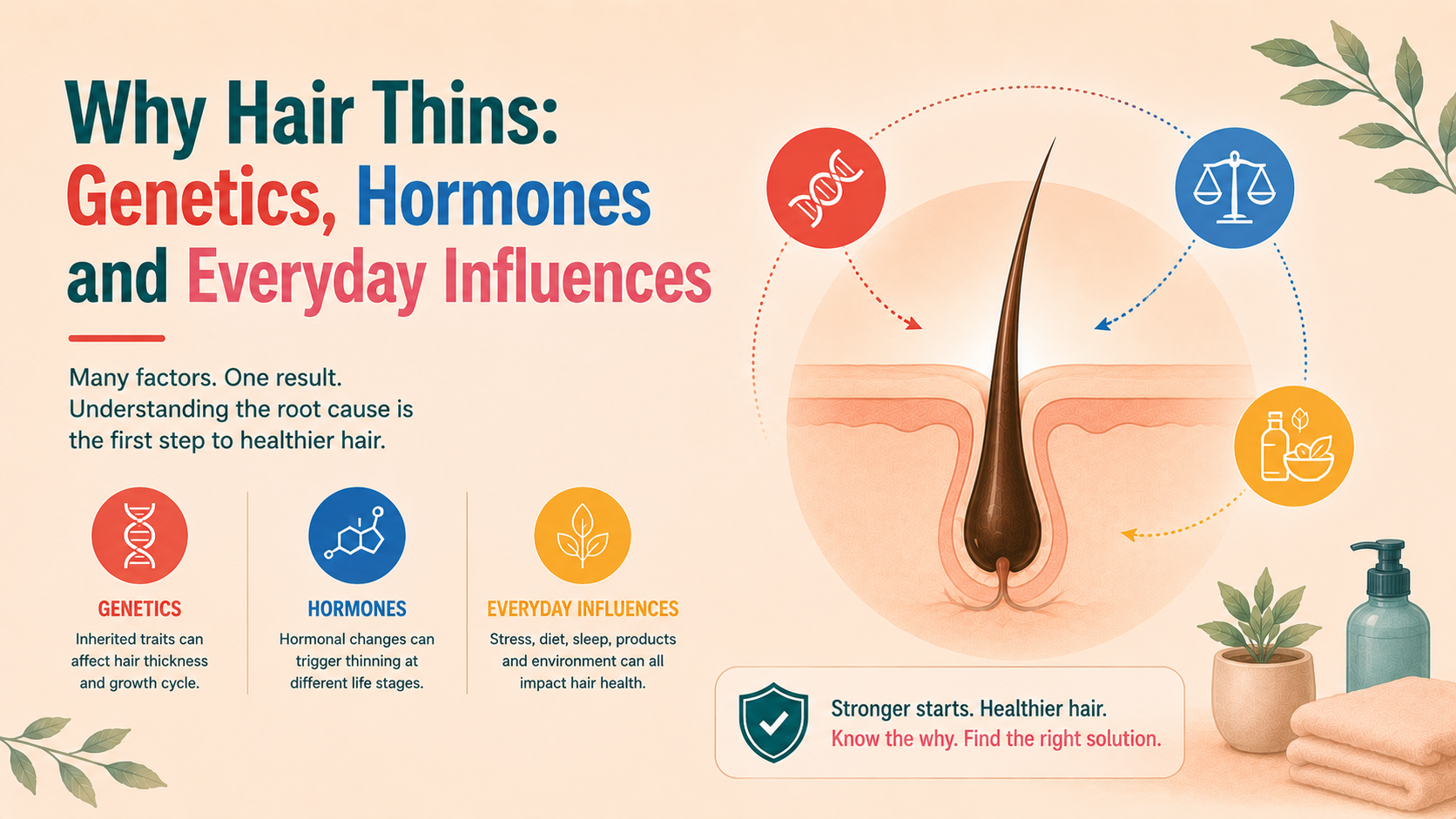
Why Hair Thins: Genetics, Hormones and Everyday Influences

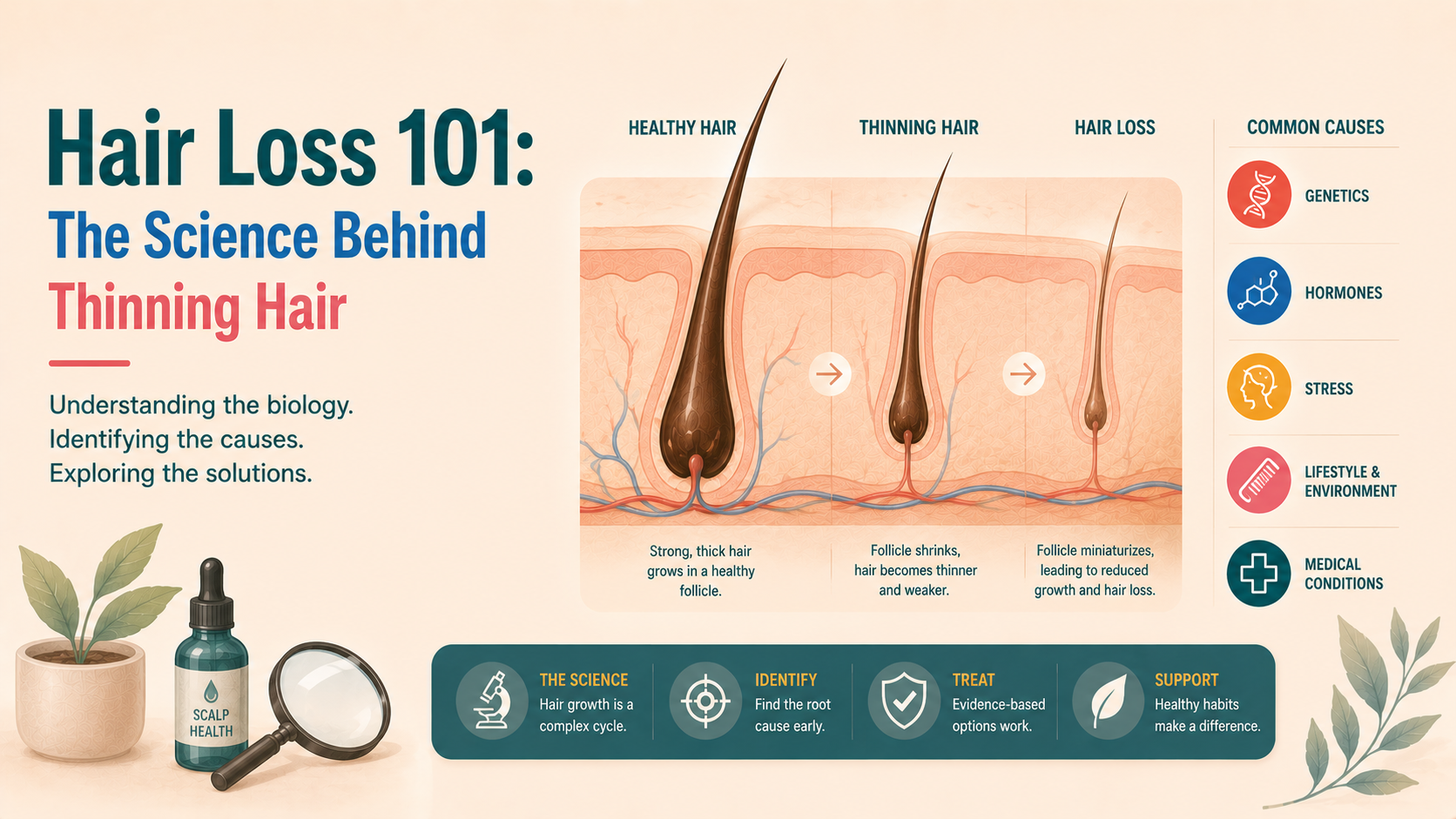
Hair loss is rarely caused by one factor alone. This article explains how genetics, hormones, lifestyle, nutrition and medical conditions interact to influence the health of your hair, and why some people thin while others do not.
[headshot]
Dr. Harry M Griffiths
Article Summary

1. The bigger picture: predisposition plus triggers

Most hair loss stories are a blend of two themes:

  • a biological predisposition built into the follicle, and
  • external or internal triggers that add stress to that system.

For some people, the genetic component is dominant. For others, a major illness, a period of under-eating or a powerful medication becomes the key driver. In reality, there is almost always interaction between the two.

Understanding the core causes is not about blame. It is about clarity. Once you can see which elements are fixed and which are modifiable, the path to sensible management becomes much clearer.

2. Genetics: the blueprint you inherit

2.1 Androgenetic alopecia as a polygenic trait

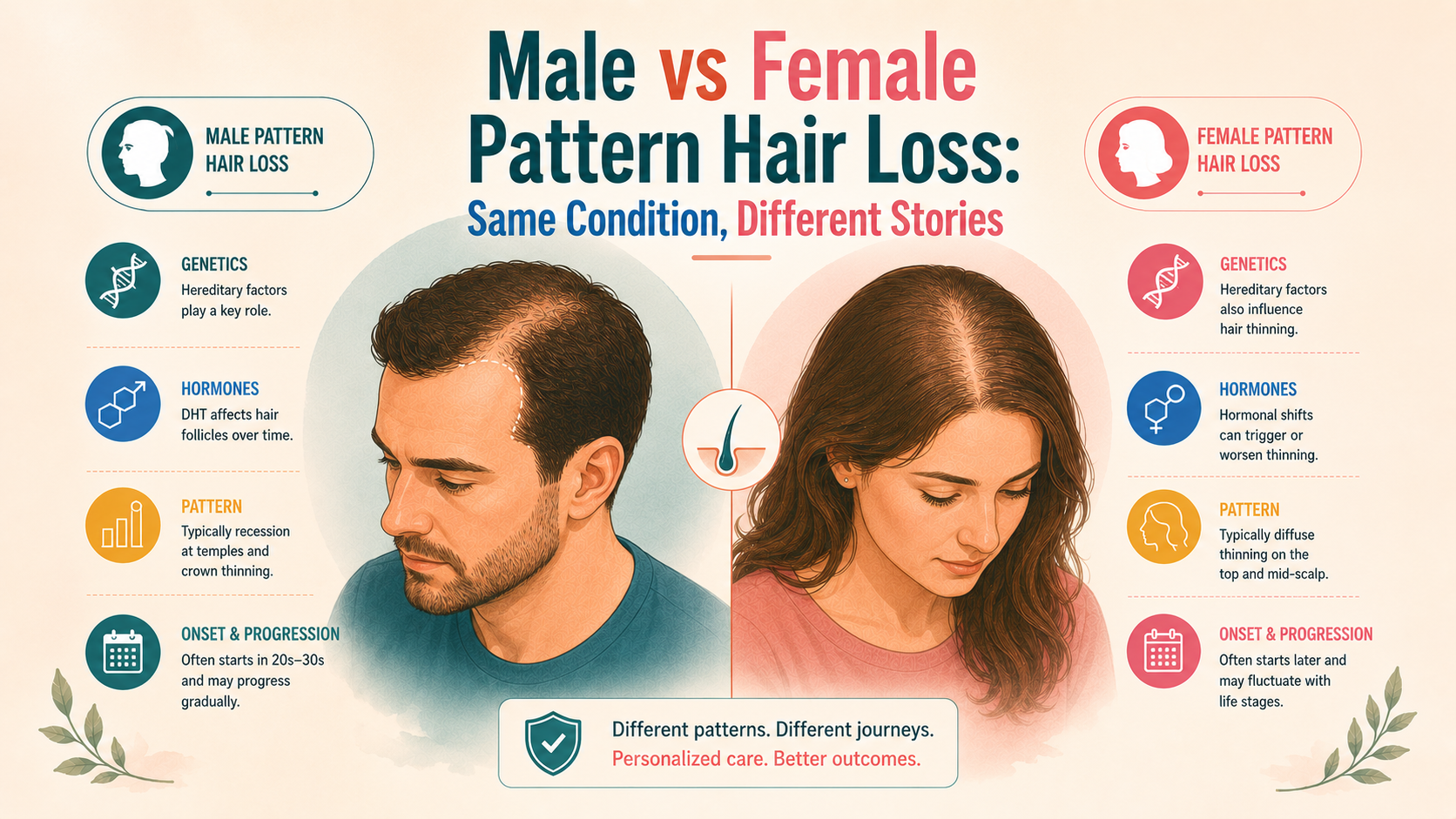
The best-studied example of genetics in hair loss is androgenetic alopecia (male and female pattern hair loss). It is not controlled by a single “baldness gene” that you either have or do not have. Instead, it is a polygenic trait influenced by many different genes, each contributing a small effect.

Key observations:

  • Pattern hair loss strongly clusters in families.
  • Identical twins show much higher concordance than non-identical twins.
  • Genetic variants in the androgen-receptor (AR) gene, 5-α-reductase enzymes, and other loci are associated with earlier onset and more severe thinning.

What these genes appear to control is the sensitivity of certain follicles to androgens and the way those follicles cycle. People with the same hormone levels can have very different outcomes depending on their follicular sensitivity.

2.2 Genetics in other hair disorders

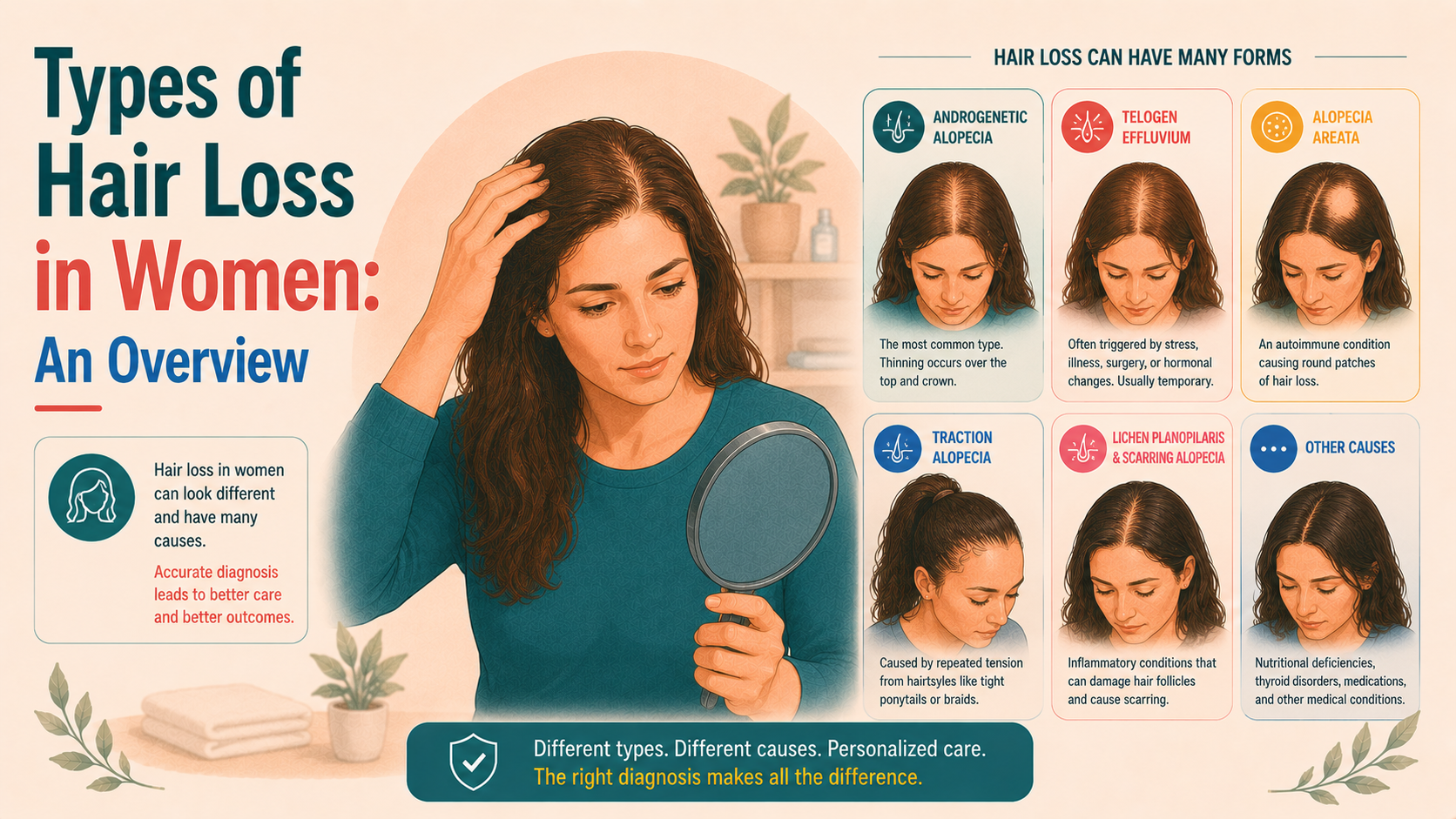
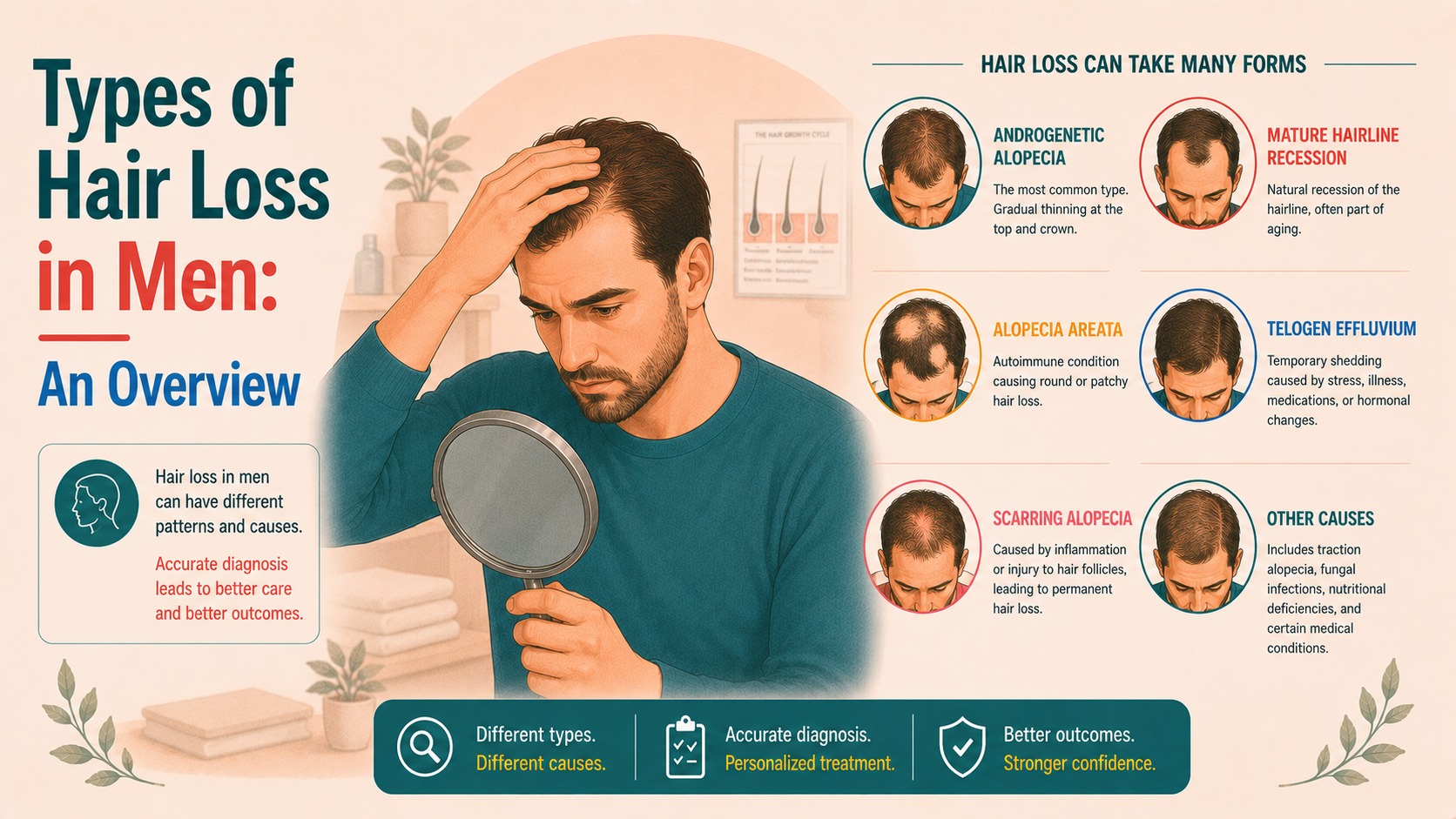
  • In alopecia areata, there is a genetic predisposition for autoimmunity, and many patients or their families have other autoimmune diseases.
  • Some scarring alopecias have emerging genetic associations, although environment and immune misdirection play larger roles.
  • Rare congenital hair disorders (such as monilethrix and certain forms of hypotrichosis) arise from specific gene mutations that directly affect hair shaft or follicle structure.

In short, genetics set the starting conditions for your follicles. They decide which sites on your scalp are resilient and which are vulnerable.

3. Hormones: powerful but nuanced

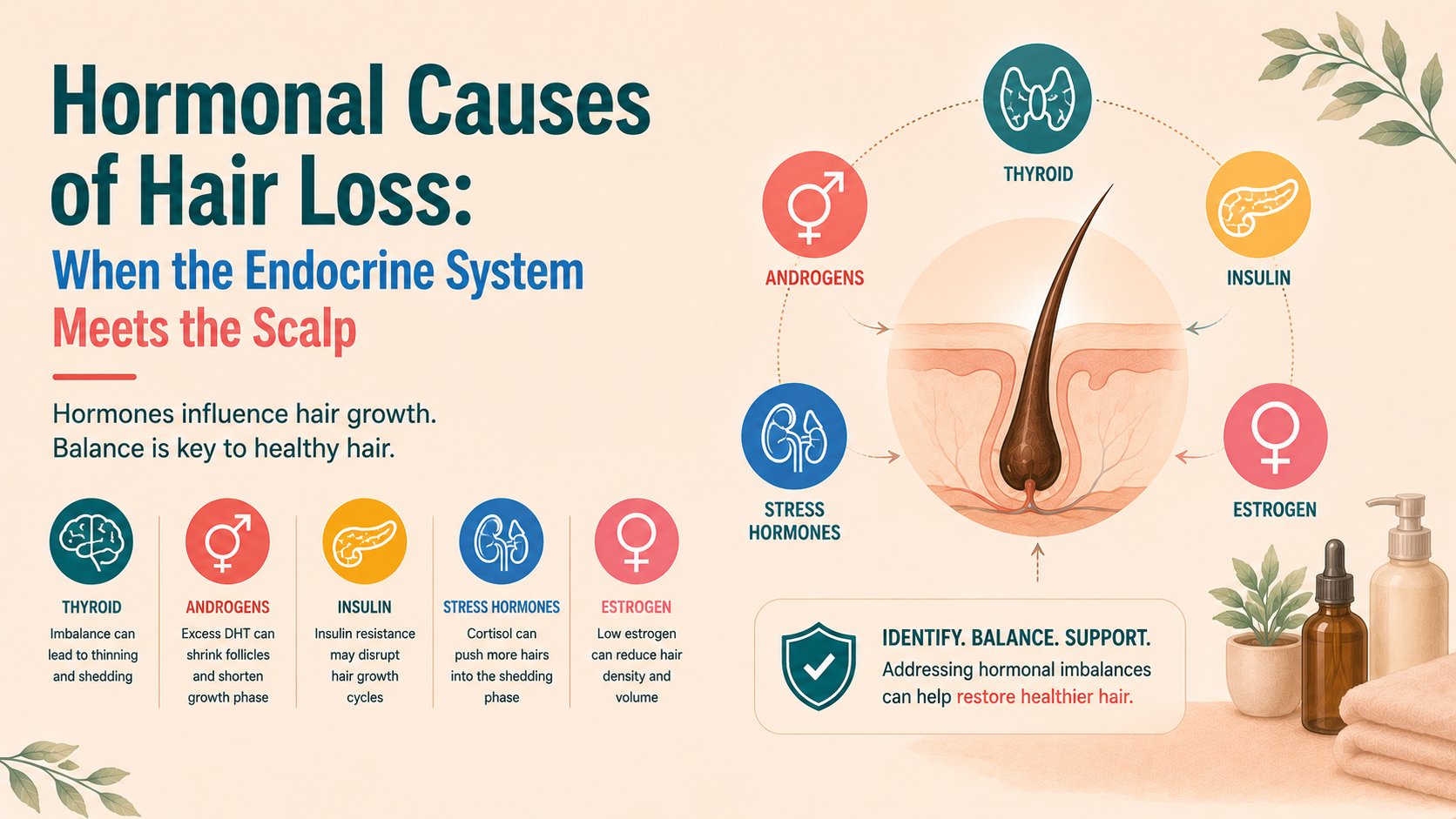
Hormones profoundly influence hair follicles, but their role is often misunderstood. High or low levels are not the only story; local metabolism and receptor sensitivity inside the follicle matter just as much.

3.1 Androgens: testosterone and dihydrotestosterone (DHT)

Androgens shape the patterns seen in androgenetic alopecia:

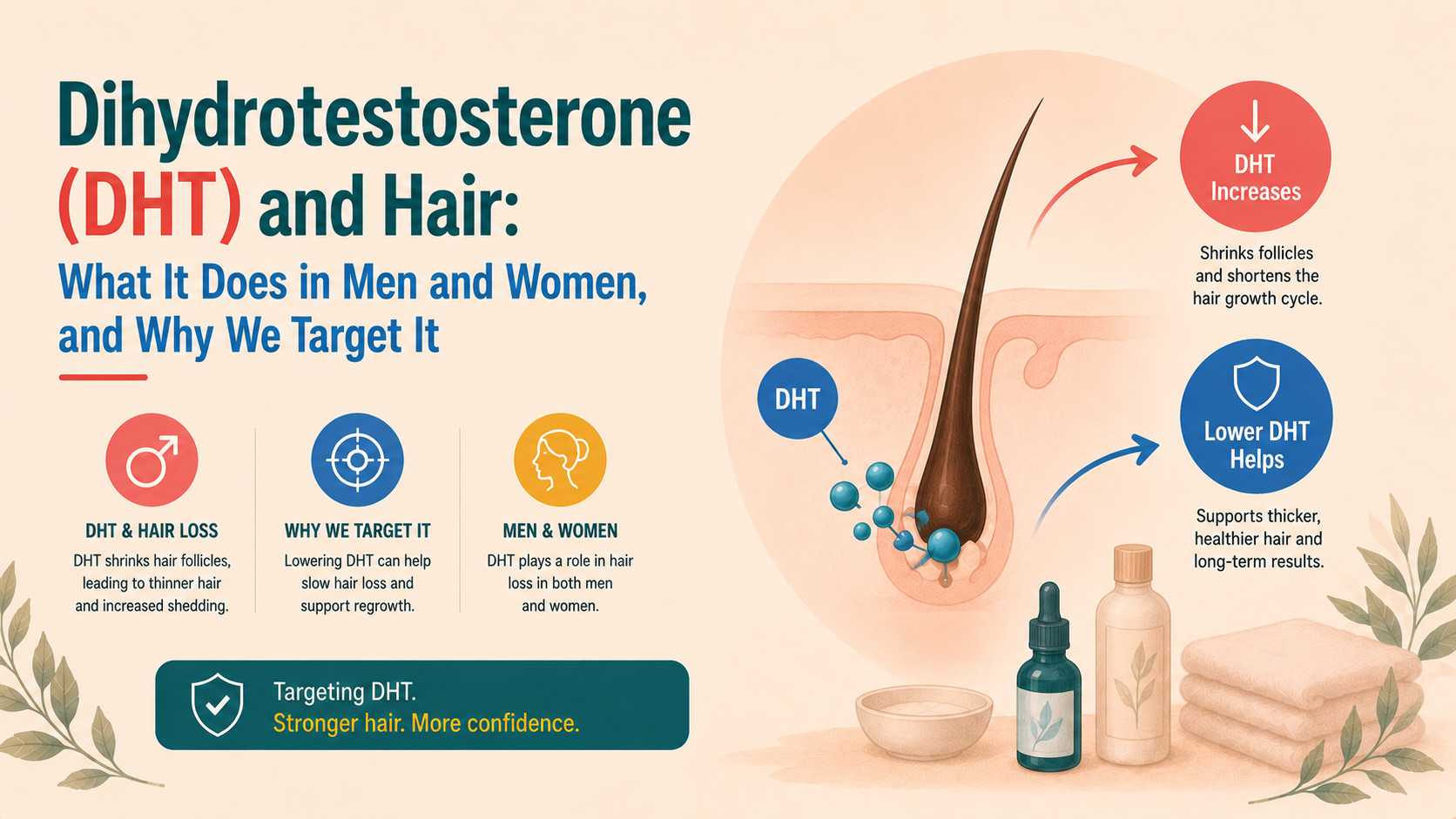
  • Testosterone is converted to DHT by the enzyme 5-α-reductase in the follicle and surrounding skin.
  • DHT binds to androgen receptors in susceptible follicles, altering gene expression, thereby shortening growth phases and promoting miniaturisation.
  • Occipital follicles (the “donor area” in transplant surgery) are relatively resistant; frontal and vertex follicles are more sensitive.

Crucially, many men and women with pattern hair loss have normal systemic androgen levels. The difference lies in how much 5-α-reductase is present locally, how many androgen receptors are expressed, and how those receptors signal inside the follicle.

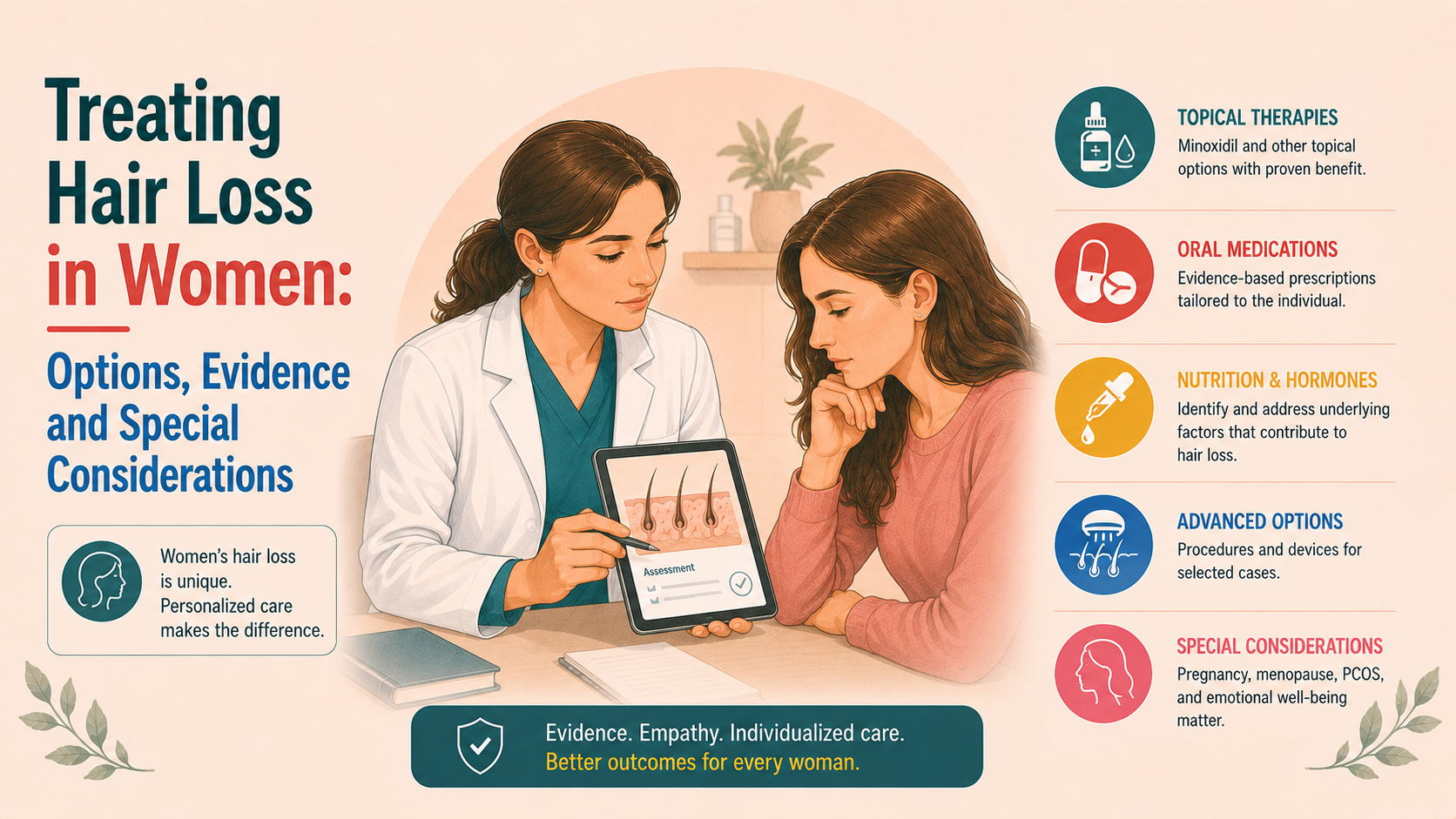
3.2 Oestrogens and life stages in women

Oestrogens generally have a protective effect on scalp hair:

  • During pregnancy, many women notice thicker hair as more follicles remain in anagen.
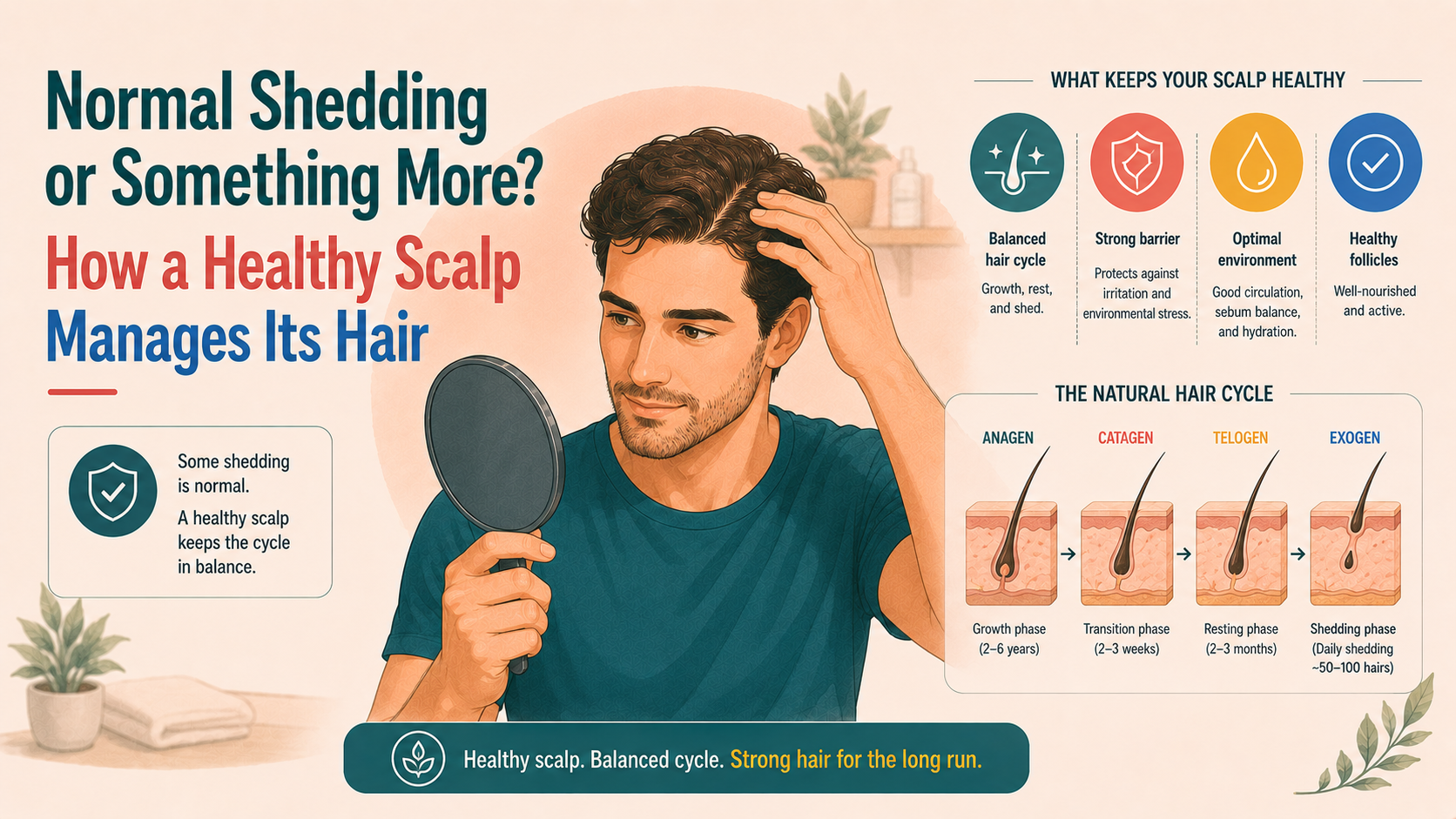
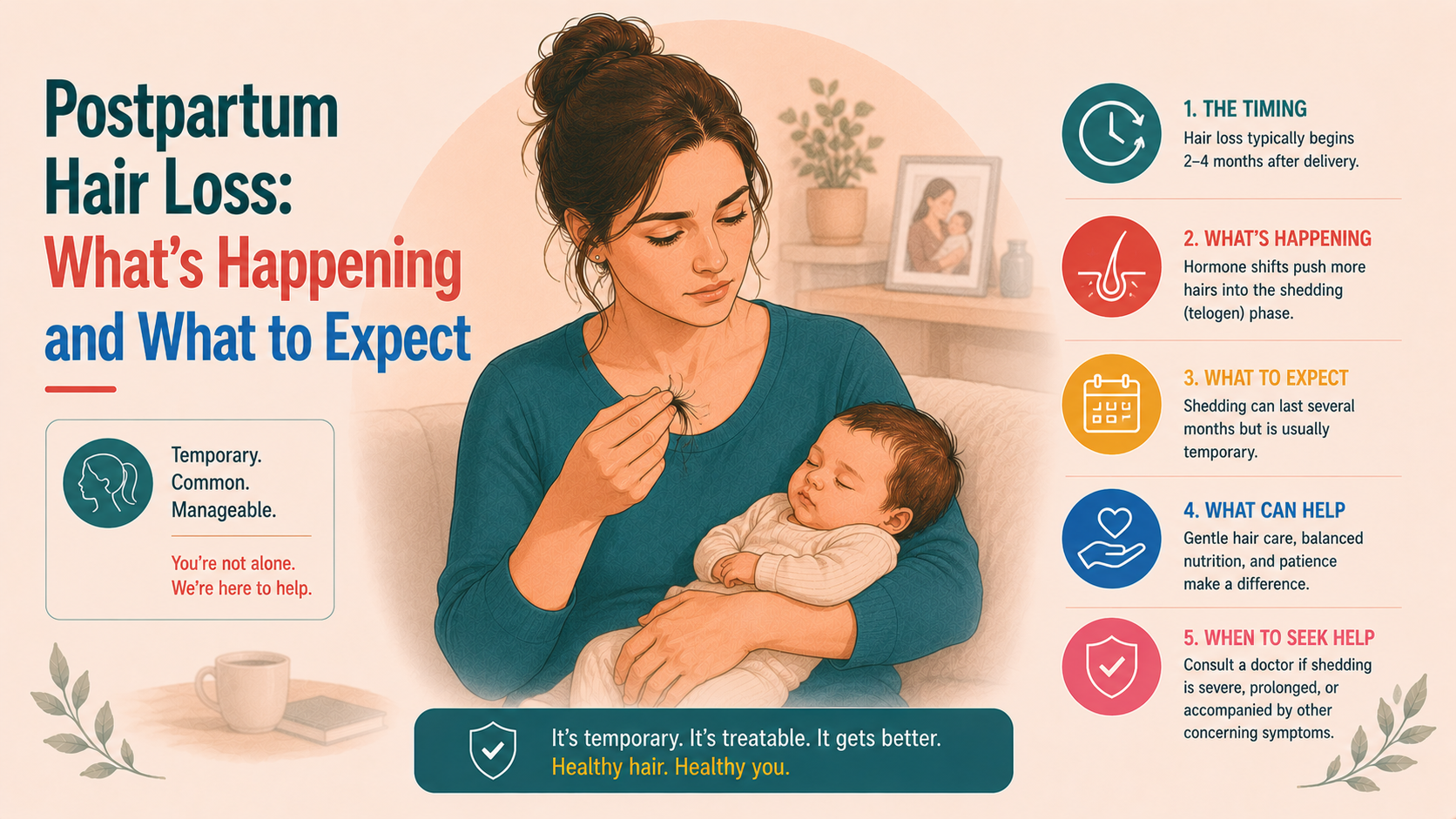
  • After delivery, the abrupt hormonal shift can trigger a postpartum telogen effluvium, with shedding a few months later.
  • Around menopause, falling oestrogen levels and changes in the oestrogen-androgen balance can unmask or accelerate female pattern hair loss.

Topical or systemic oestrogen therapies must always be considered in the wider context of breast health, cardiovascular risk and menopausal management. Hair is one piece of a larger hormonal landscape.

3.3 Thyroid hormones

Thyroid hormones influence many aspects of metabolism, including hair cycling:

  • Hypothyroidism tends to slow follicle turnover and can cause coarse, dry hair and diffuse thinning.
  • Hyperthyroidism accelerates metabolic processes and may lead to increased shedding.

Correcting the underlying thyroid imbalance is often enough to improve hair, although several cycles are usually required before a visible difference is seen.

3.4 Prolactin, cortisol and metabolic hormones

  • Prolactin can influence hair through interaction with other endocrine axes, and markedly elevated prolactin can be associated with diffuse shedding.
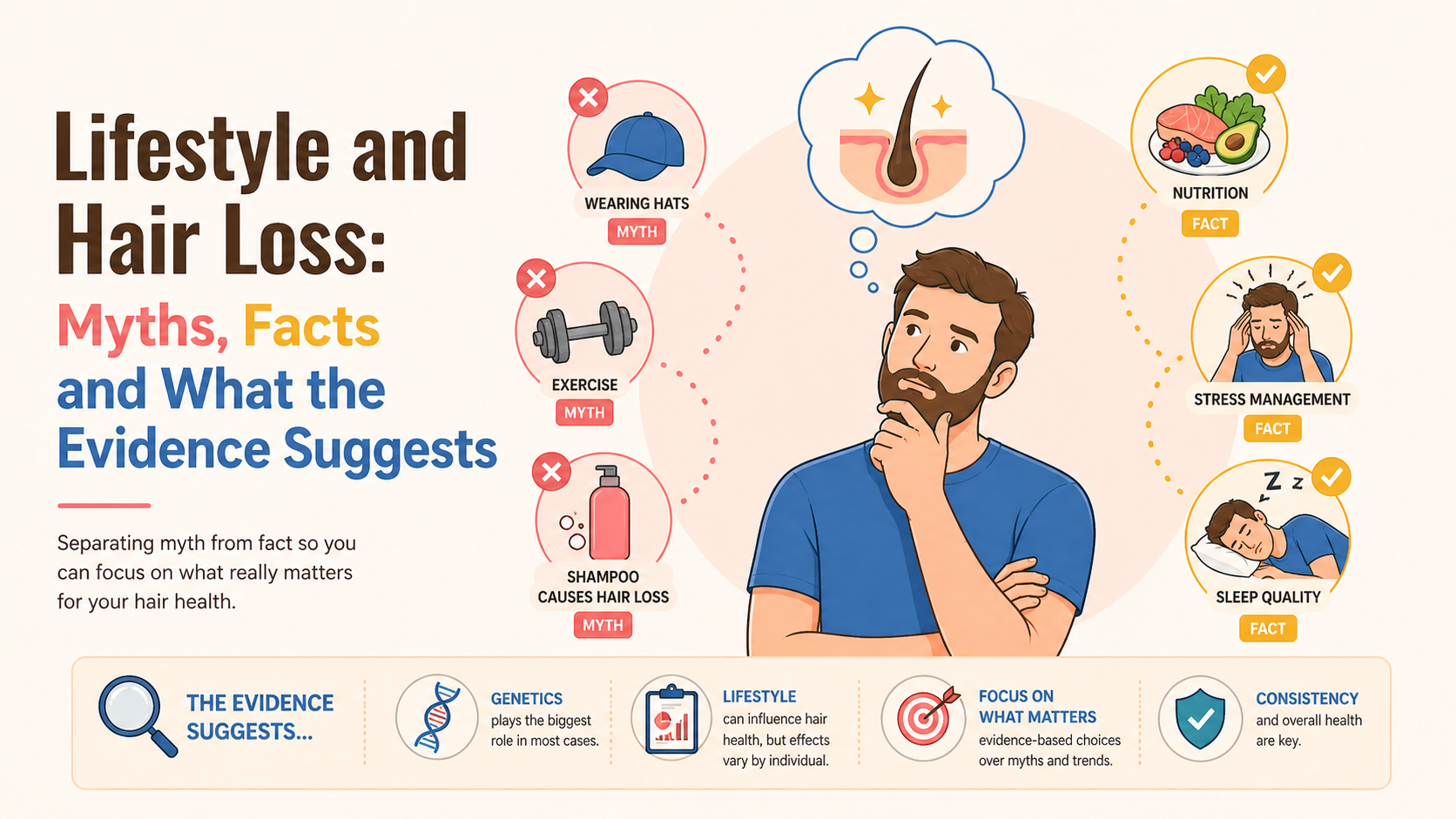
  • Cortisol, the principal stress hormone, indirectly affects hair cycling through its effects on blood flow, immune function, and energy allocation. Chronic stress and sleep deprivation are frequently linked to increased shedding, even when other tests are normal.
  • Insulin and IGF-1 influence hair follicles through metabolic and growth pathways. Insulin resistance and metabolic syndrome correlate with more severe androgenetic alopecia in some studies, likely through a combination of hormonal and vascular effects.

Hormones, therefore, act as both primary drivers (in pattern hair loss) and amplifiers of other stresses in susceptible individuals.

4. Lifestyle and environmental influences

The everyday environment in which follicles live for decades has a cumulative effect. None of these factors operates in isolation; together, they can push borderline follicles over their threshold.

4.1 Smoking

Smoking introduces oxidative stress and impairs microcirculation. In the scalp, this can compromise oxygen and nutrient delivery, impair the ability of follicles to repair routine damage, and potentially accelerate miniaturisation in already susceptible regions.

Several studies have found higher rates of pattern hair loss in smokers compared with non-smokers, particularly with heavy or long-term exposure.

4.2 Stress and sleep

Psychological stress is not simply in the mind. It has measurable physiological consequences:

  • Elevated cortisol and catecholamines,
  • Shifts in immune function,
  • Altered vascular tone and glucose handling.

Intense or prolonged stress can precipitate telogen effluvium, tipping more follicles into a resting-and-shedding pattern. Poor sleep amplifies these effects, acting as a chronic low-level stressor in its own right.

4.3 Hair care practices

Certain styling habits can impose mechanical or chemical strain:

  • Tight ponytails, braids, locs, and extensions can lead to traction alopecia, especially at the hairline and temples.
  • Frequent use of high heat, harsh dyes, relaxers or bleaching agents can fracture shafts and irritate the scalp. While shaft damage is distinct from follicular disease, chronic irritation may contribute to discomfort and poor hair quality.

Choosing lower-tension styles, moderating heat and spacing out intense treatments gives follicles and shafts more room to function well.

4.4 Ultraviolet and pollution

The scalp, particularly in thinning areas, is exposed to ultraviolet radiation and environmental pollutants. These can generate free radicals, damage cellular structures, and also contribute to micro-inflammatory changes around follicles.

Sun protection for the scalp, via hairstyles, hats, or (when appropriate) non-comedogenic sunscreens, protects not only the skin but also the microenvironment that follicles inhabit.

5. Nutrition and metabolic health

Hair follicles are metabolically active structures. They require a steady supply of energy and micronutrients to synthesise keratin and function properly. When the body is under nutritional strain, hair growth is often downgraded in favour of more critical processes.

5.1 Energy and protein

Restrictive diets, especially those that are abrupt, very low in calories, or low in protein, are well-known triggers of telogen effluvium. Follicles sense a negative energy balance, and more of them enter a resting state.

Gradual, sensible weight loss is usually well tolerated by follicles; however, sudden, extreme regimens are not.

5.2 Iron and key micronutrients

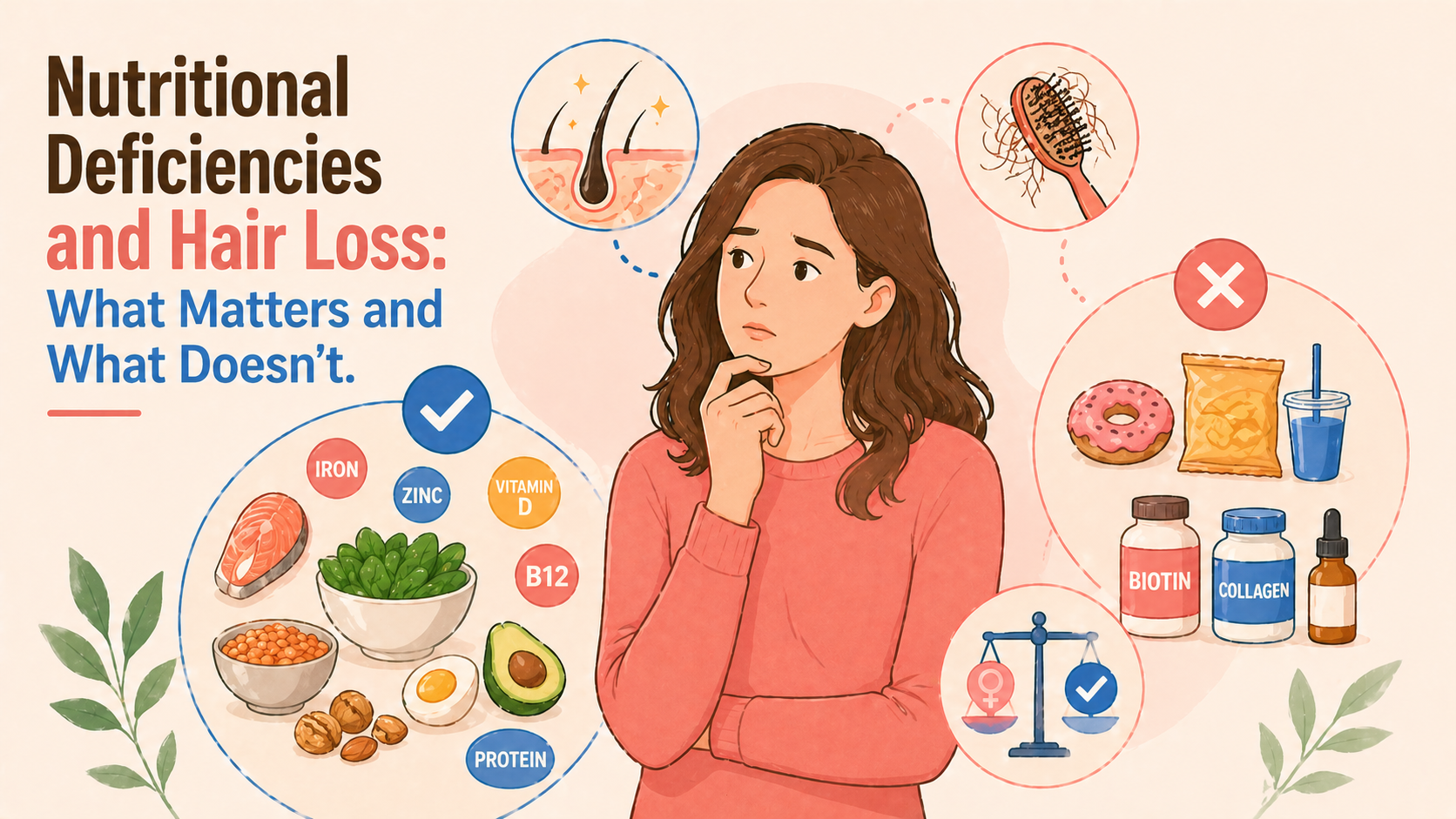
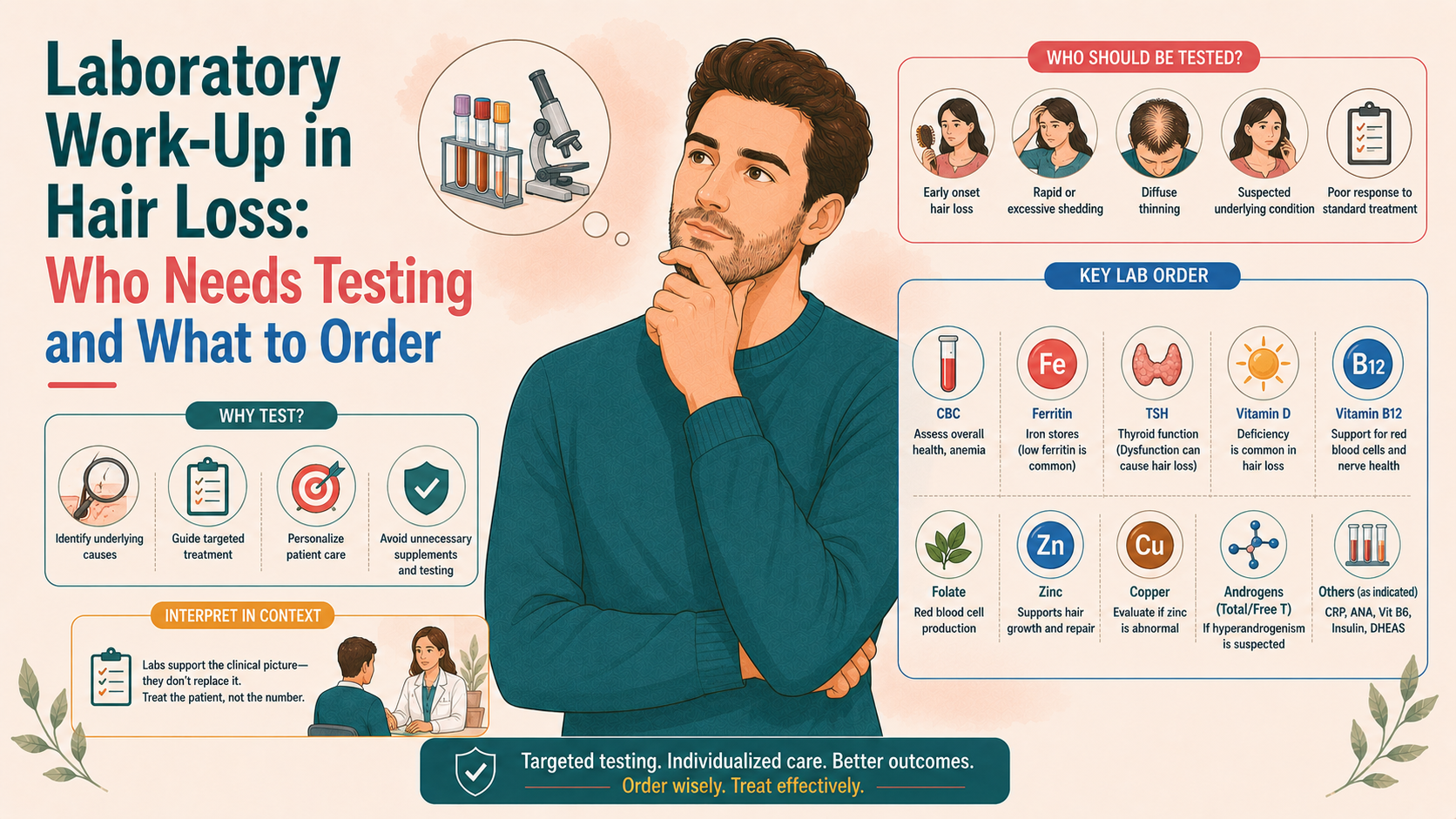
Iron deficiency (even without overt anaemia) is a common contributor to shedding in women of reproductive age. Iron is essential for oxygen transport and many enzymatic processes within the follicle.

Other micronutrients with supporting evidence include:

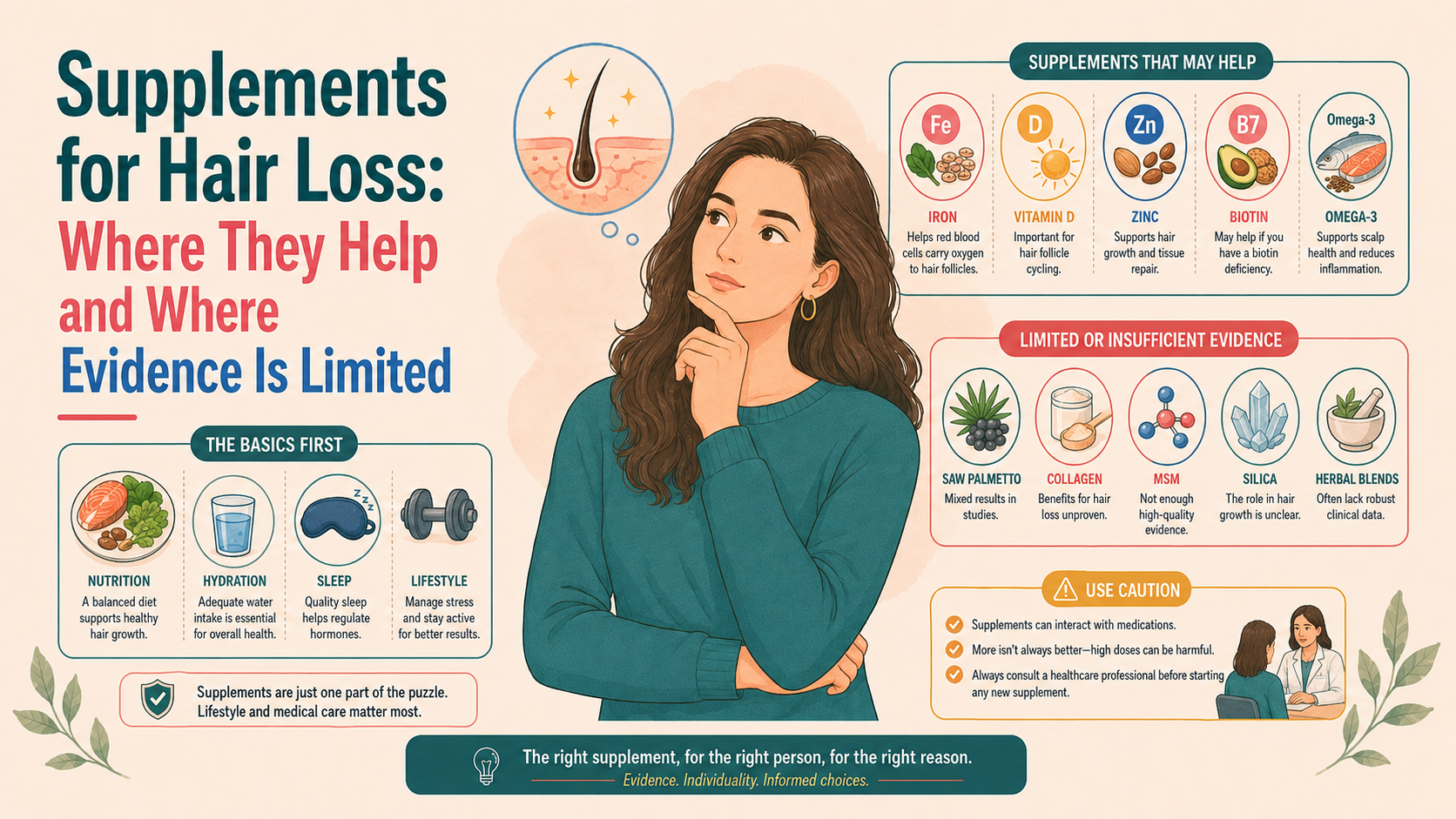
  • Zinc – involved in DNA synthesis and repair,
  • Vitamin D – involved in immune modulation and hair cycling,
  • B vitamins and biotin – essential in various metabolic pathways, though deficiency is far less common than marketing would suggest.

Correction of proven deficiency helps; indiscriminate supplementation rarely does.

5.3 Glycaemic load and insulin resistance

Habitually high-glycaemic diets and insulin resistance may indirectly harm hair through increased systemic inflammation, hormonal shifts favouring androgen activity, and vascular changes in the scalp.

Improving metabolic health supports follicles as part of an overall health strategy rather than as a single “hair trick”.

6. Medications and medical conditions

Beyond genes, hormones and lifestyle, a range of medications and systemic illnesses can directly or indirectly affect the hair.

6.1 Medications

Well-described drug-induced hair loss includes:

  • Chemotherapy agents – causing rapid anagen arrest and diffuse loss.
  • Endocrine therapies used in breast and prostate cancer – altering androgen/oestrogen balance in ways that can unmask androgenetic alopecia.
  • Certain anticoagulants (blood thinners), retinoids (usually for skin), anti-epileptics and beta-blockers (a type of heart-rate-slowing medication) are associated with telogen effluvium in some individuals.

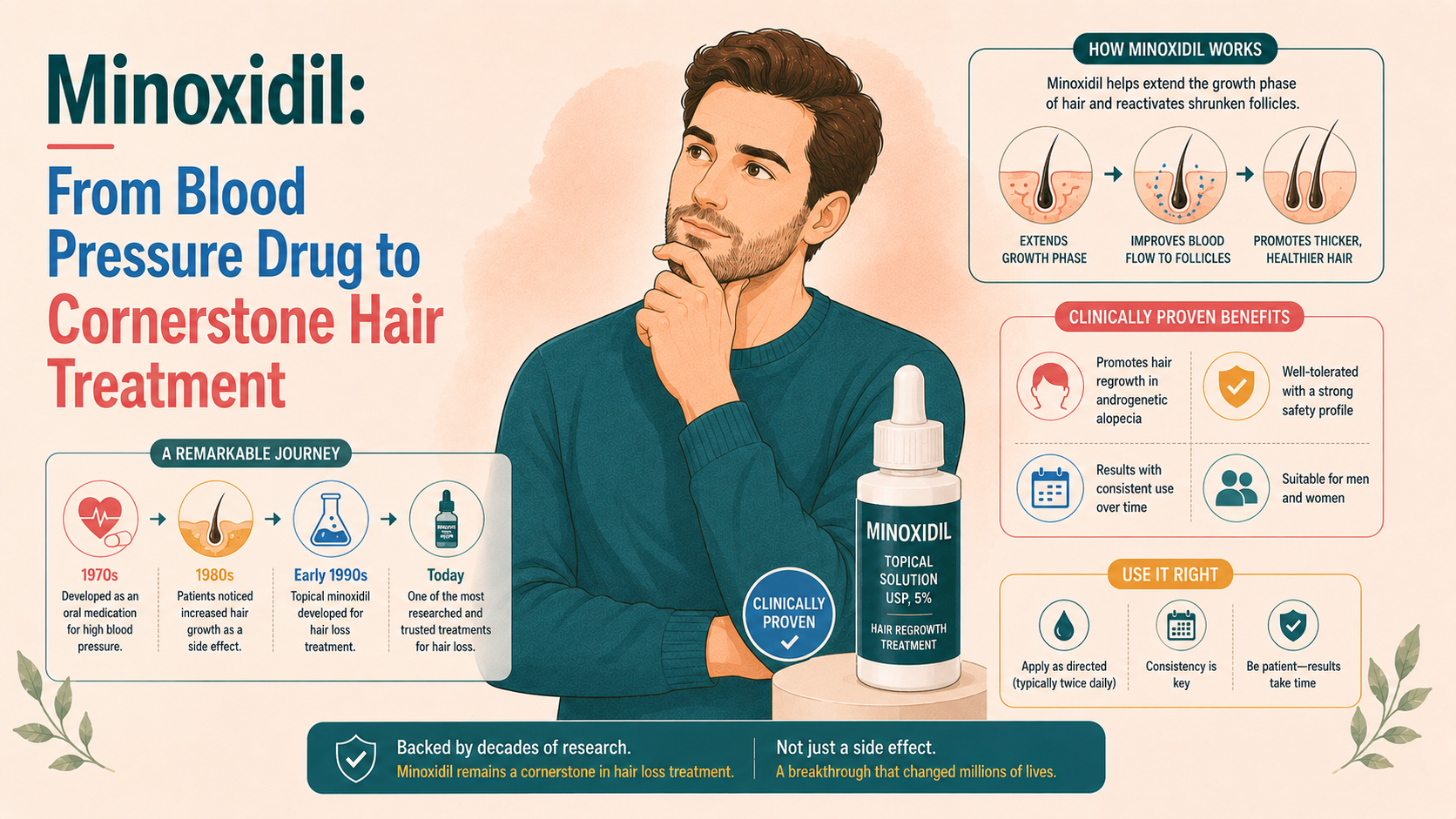
In many cases, the shedding is reversible once the drug is stopped or the body adapts. Still, with long-term endocrine therapies, there can be persistent pattern loss in those who are genetically predisposed.

6.2 Systemic and autoimmune disease

  • Chronic illnesses, major surgery and significant infections can all trigger reactive shedding through systemic stress.
  • Autoimmune diseases, including lupus and thyroid disease, can involve the scalp directly or indirectly.
  • Nutrient-malabsorptive conditions, such as coeliac disease or inflammatory bowel disease, may compromise the supply of key micronutrients to the follicle.

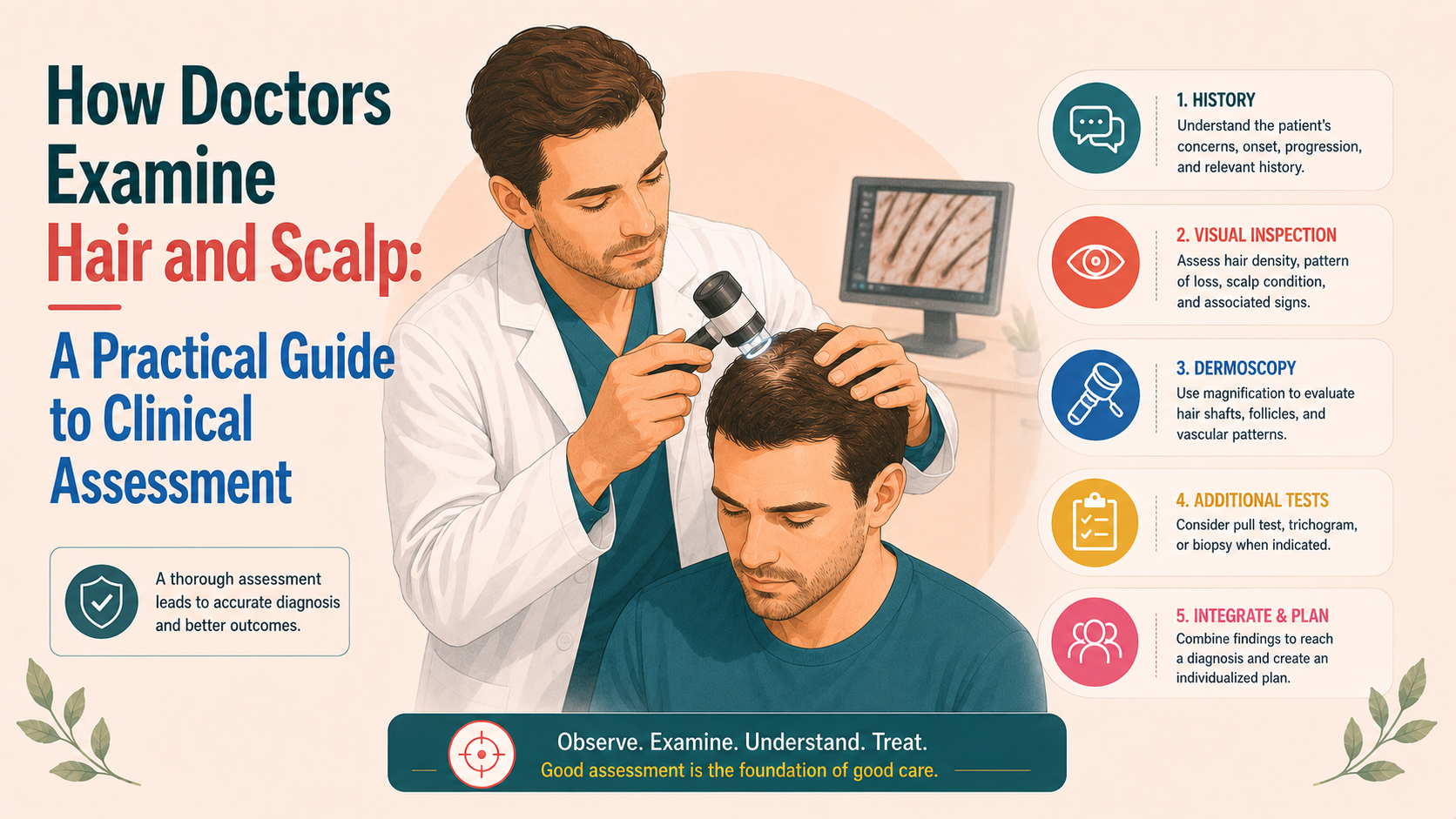
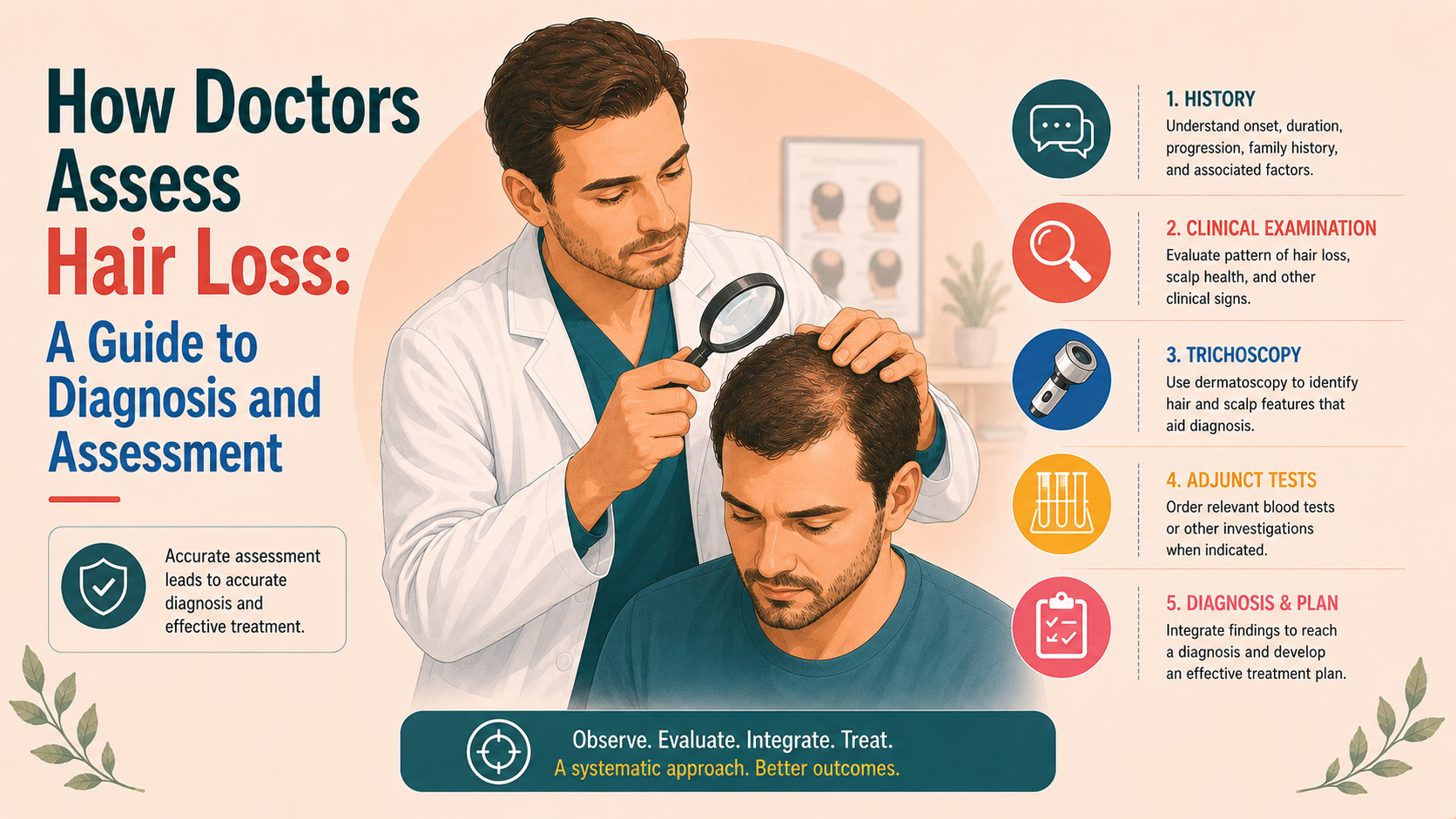
This is why a considered medical history is central to hair loss assessment: the scalp often reflects broader health.

7. Pulling it all together

Hair loss rarely has a single cause. More often, the story reads something like:

“Genetic susceptibility to pattern hair loss, unmasked in the presence of hormonal changes, then accelerated by stress, illness, or nutritional strain.”

Genetics is not modifiable, but it does not act in isolation. Hormones can be understood and, where appropriate, modulated. Lifestyle and nutritional factors can be aligned in the follicle’s favour. Medication choices and underlying illnesses can be managed with hair health in mind.

The purpose of understanding these core causes is not to encourage obsession over every variable, but to move away from simplistic narratives. Hair loss is not simply “because of age” or “because of stress”. It is usually the product of a specific interplay between your biology and your environment. That interplay is where meaningful intervention lives.

Read More from the Knowledge Hub:

Treatment

5α-Reductase Inhibitors for Hair Loss: Finasteride and Dutasteride Explained

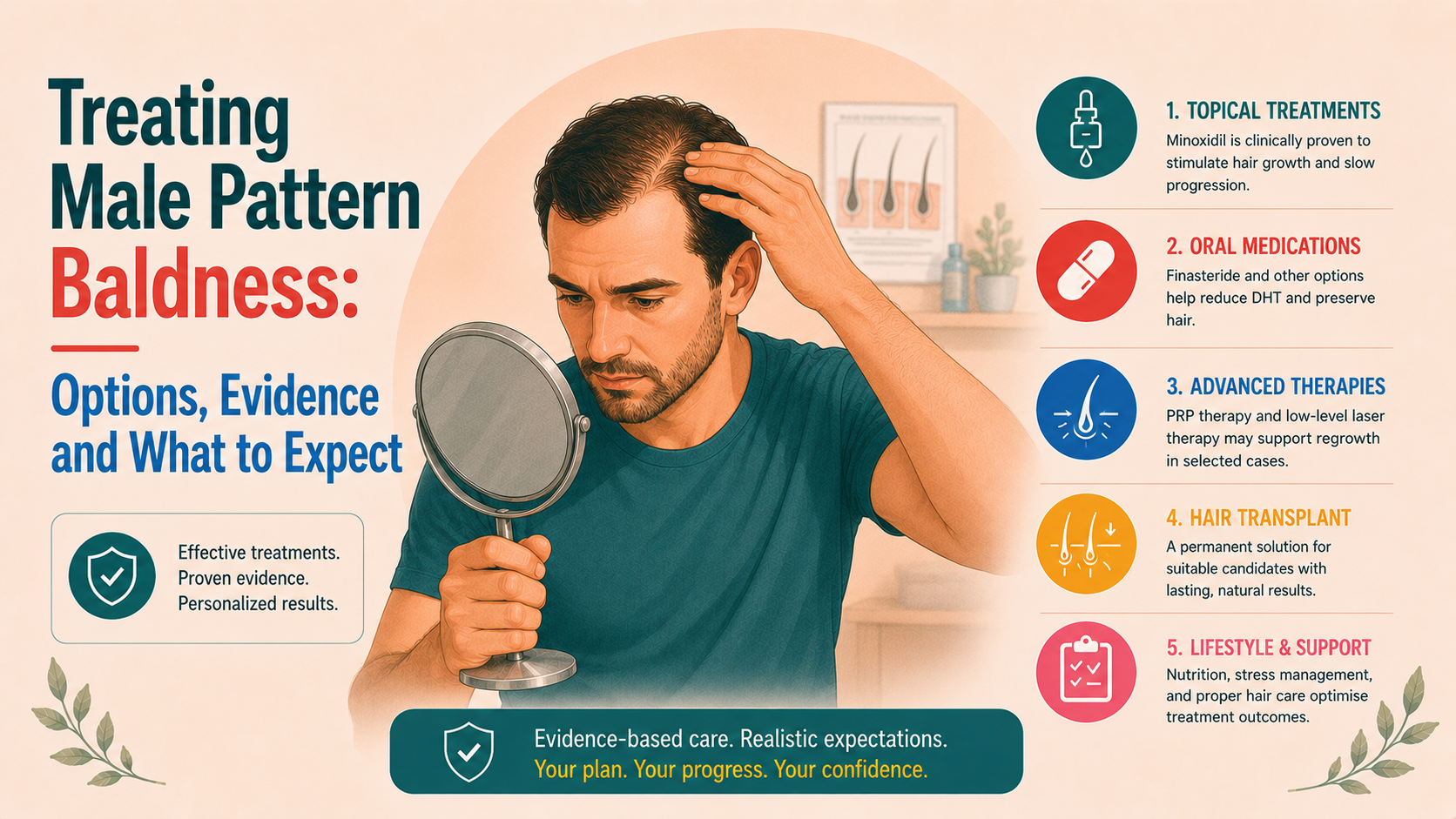
Finasteride and dutasteride are the main drugs used to tackle the hormonal component of androgenetic alopecia. This article explains how they were discovered, how they work, what the evidence shows for men and women, topical versus oral options, and side effects (including the controversies).
Myths & Facts

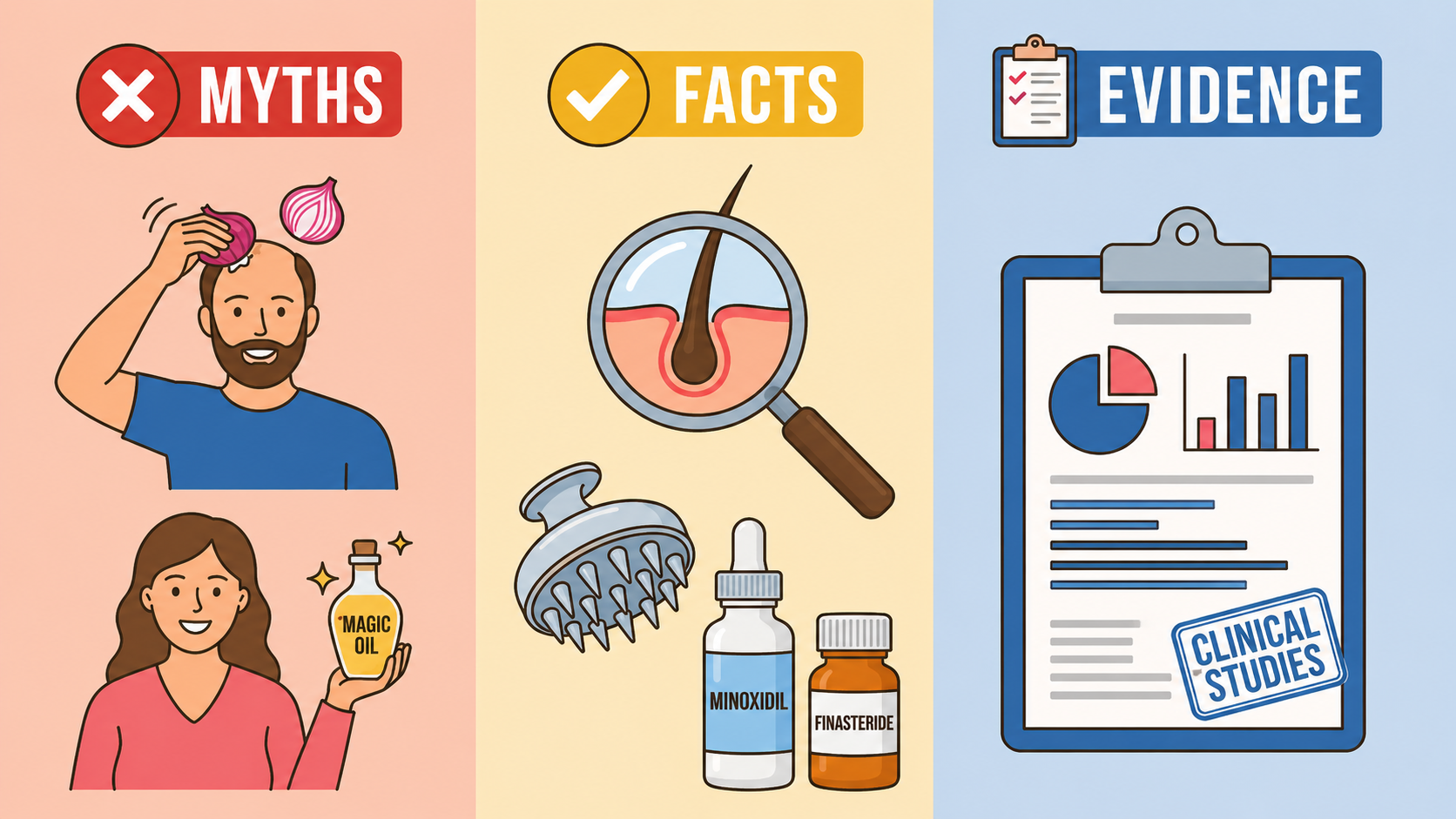
Treatments for Hair Loss: Myths, Facts and What the Evidence Supports

Hair loss treatments attract strong opinions. Some people are convinced “nothing works”; others believe a single product or procedure can fully restore their hair. This article reviews common myths about treatments – from minoxidil and 5α-reductase inhibitors to low-dose oral minoxidil, PRP, laser devices and surgery – and summarises what reasonably good evidence actually shows.
Myths & Facts

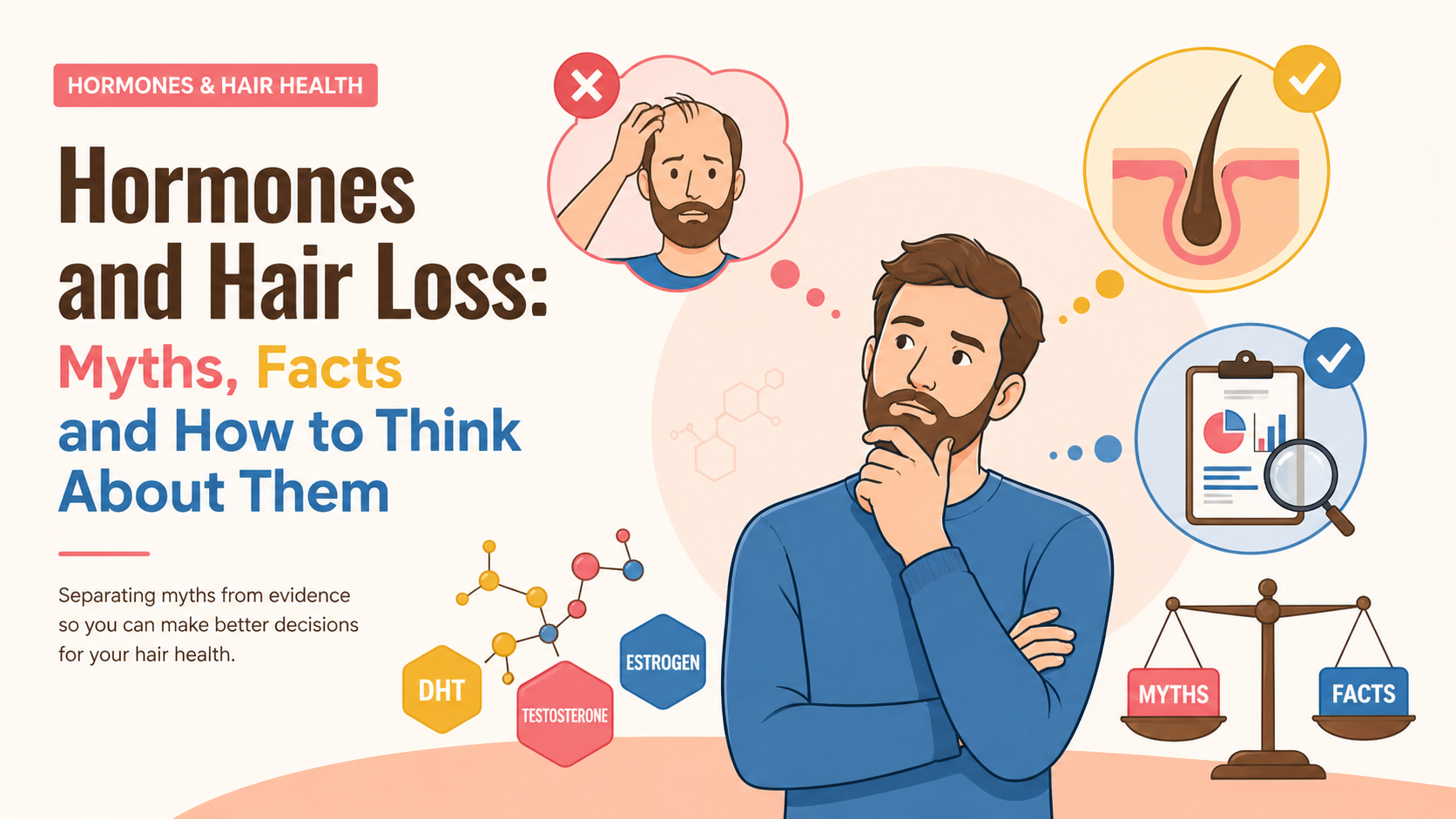
Hormones and Hair Loss: Myths, Facts and How to Think About Them

Hormones are central to certain forms of hair loss, particularly androgenetic alopecia and thyroid-related shedding. That does not mean every hair problem is hormonal, nor that a normal blood test rules out hormone involvement. This article reviews common hormone-related myths about hair loss and summarises what current evidence actually supports.
Myths & Facts

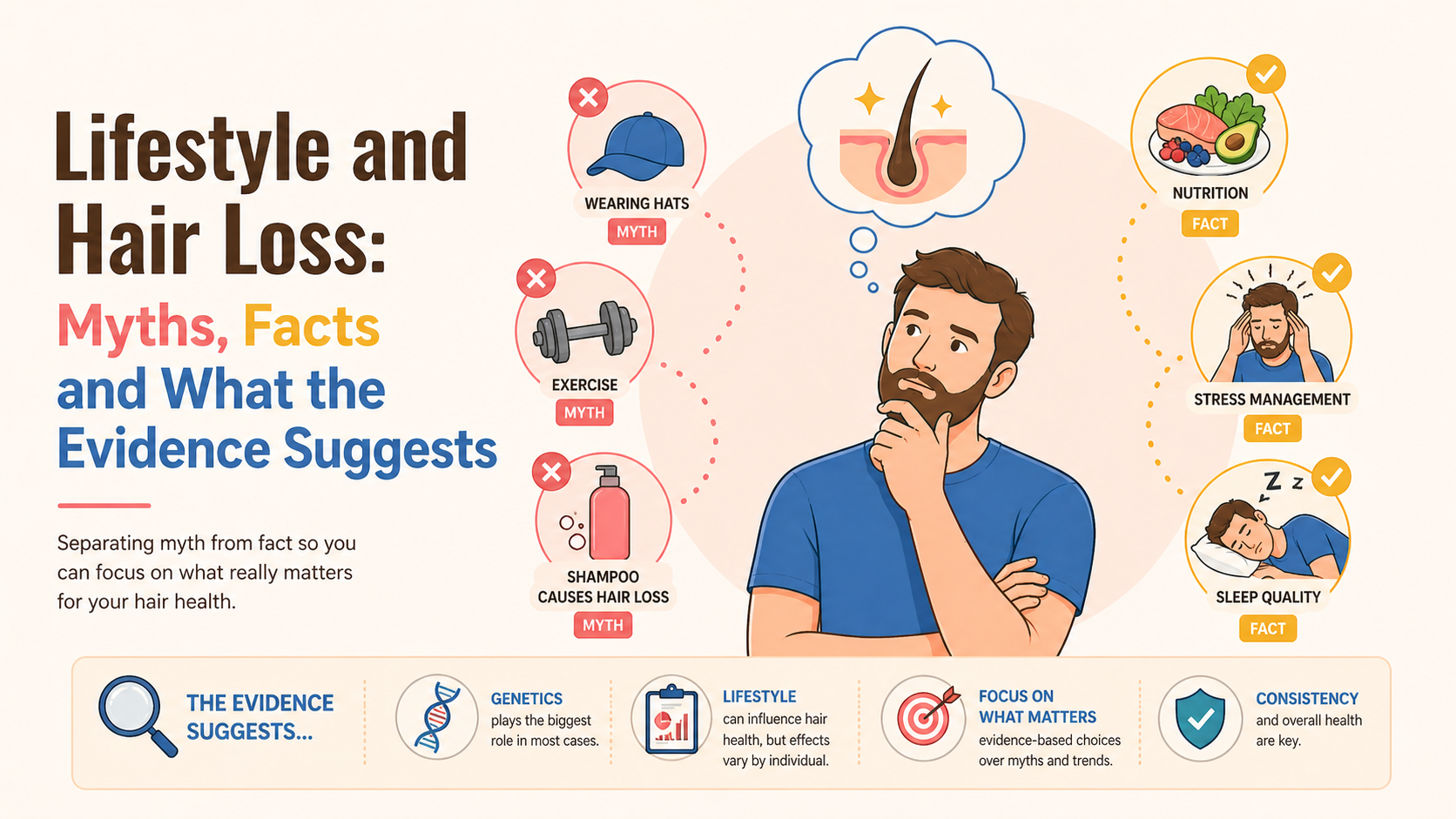
Lifestyle and Hair Loss: Myths, Facts and What the Evidence Suggests

Lifestyle choices can influence hair health, but not always with the severity people assume. This article reviews common lifestyle-related myths about hair loss – smoking, alcohol, stress, washing, hats, diet and tight hairstyles – and summarises what current evidence actually supports.