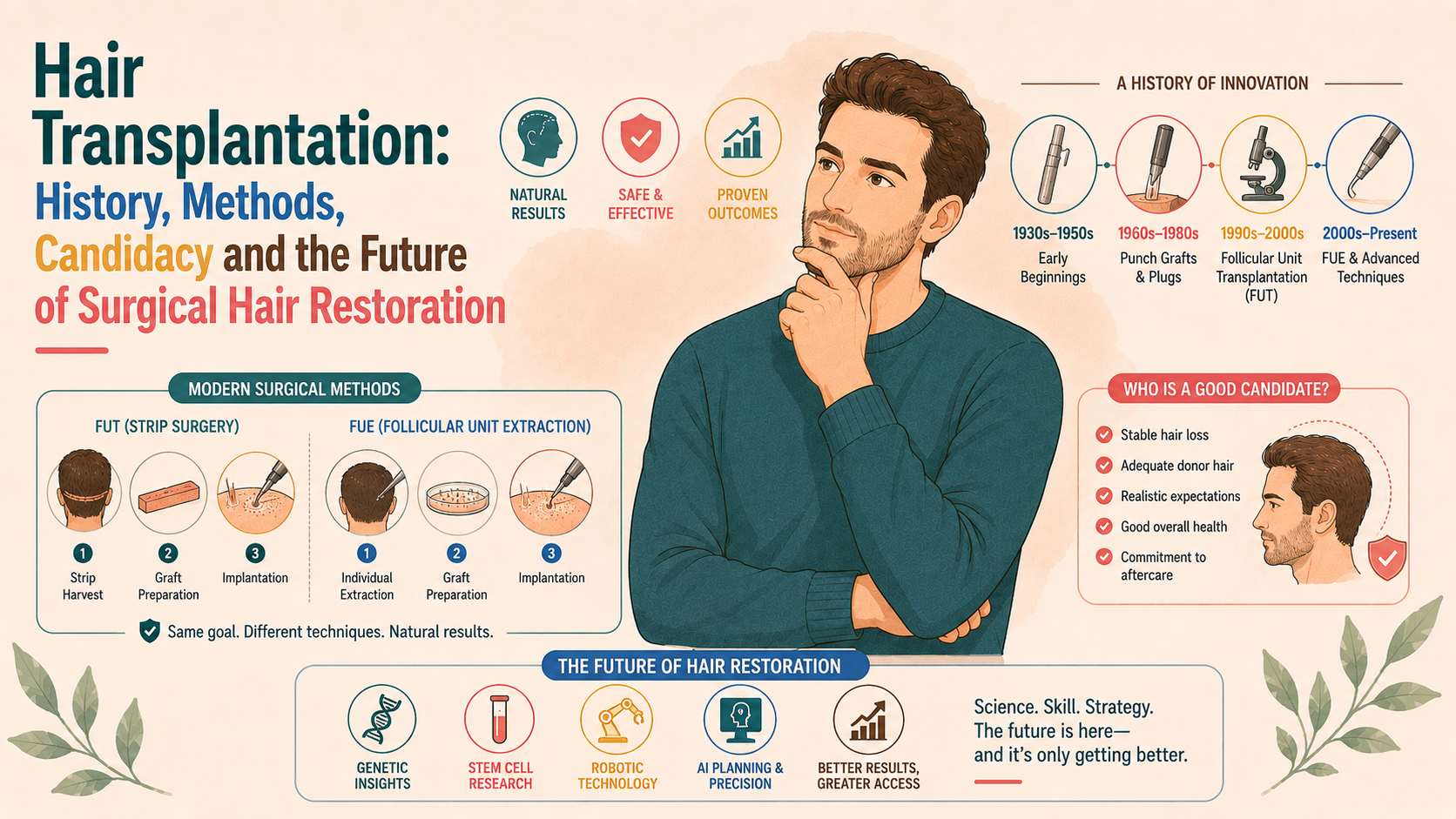
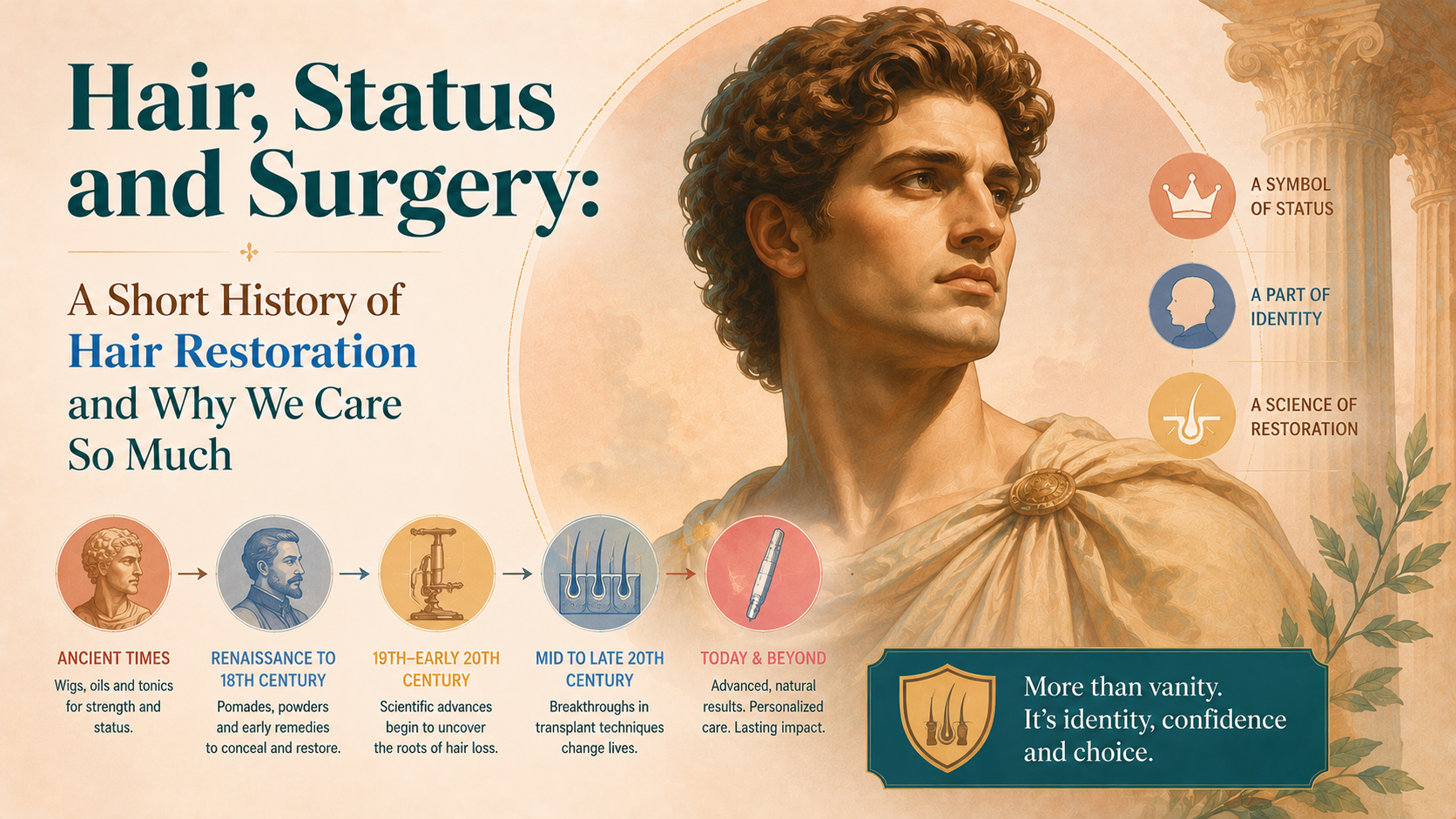
Hair has carried social meaning for centuries. The history of restoration helps explain both the treatments available today and why losing hair can feel so personal.
![[headshot]](https://cdn.prod.website-files.com/68207da82e5b8c350c67932f/68c6a7436a552c0fe87a4da7_Screenshot%202024-11-27%20at%2011.38.11.png)
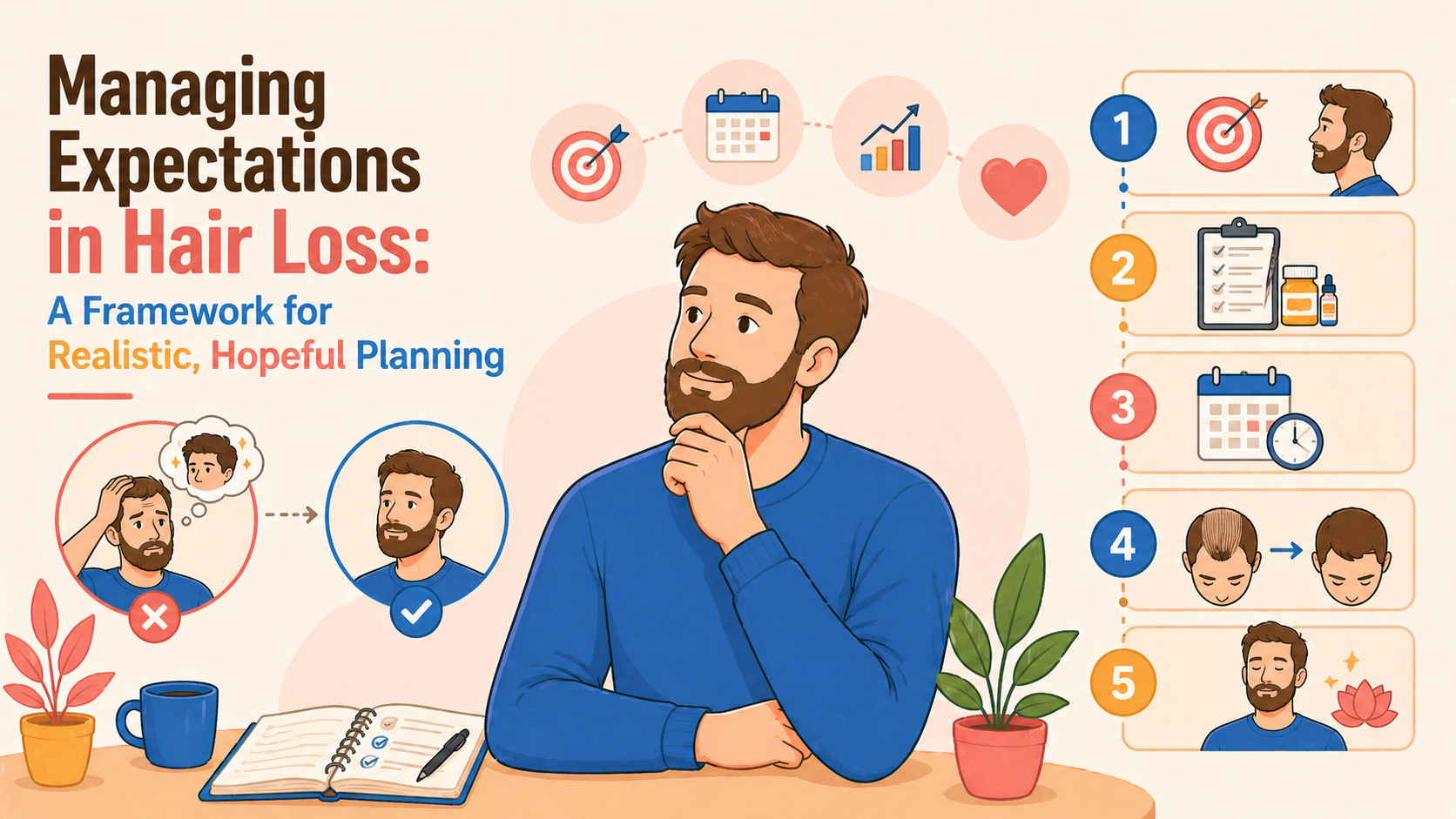
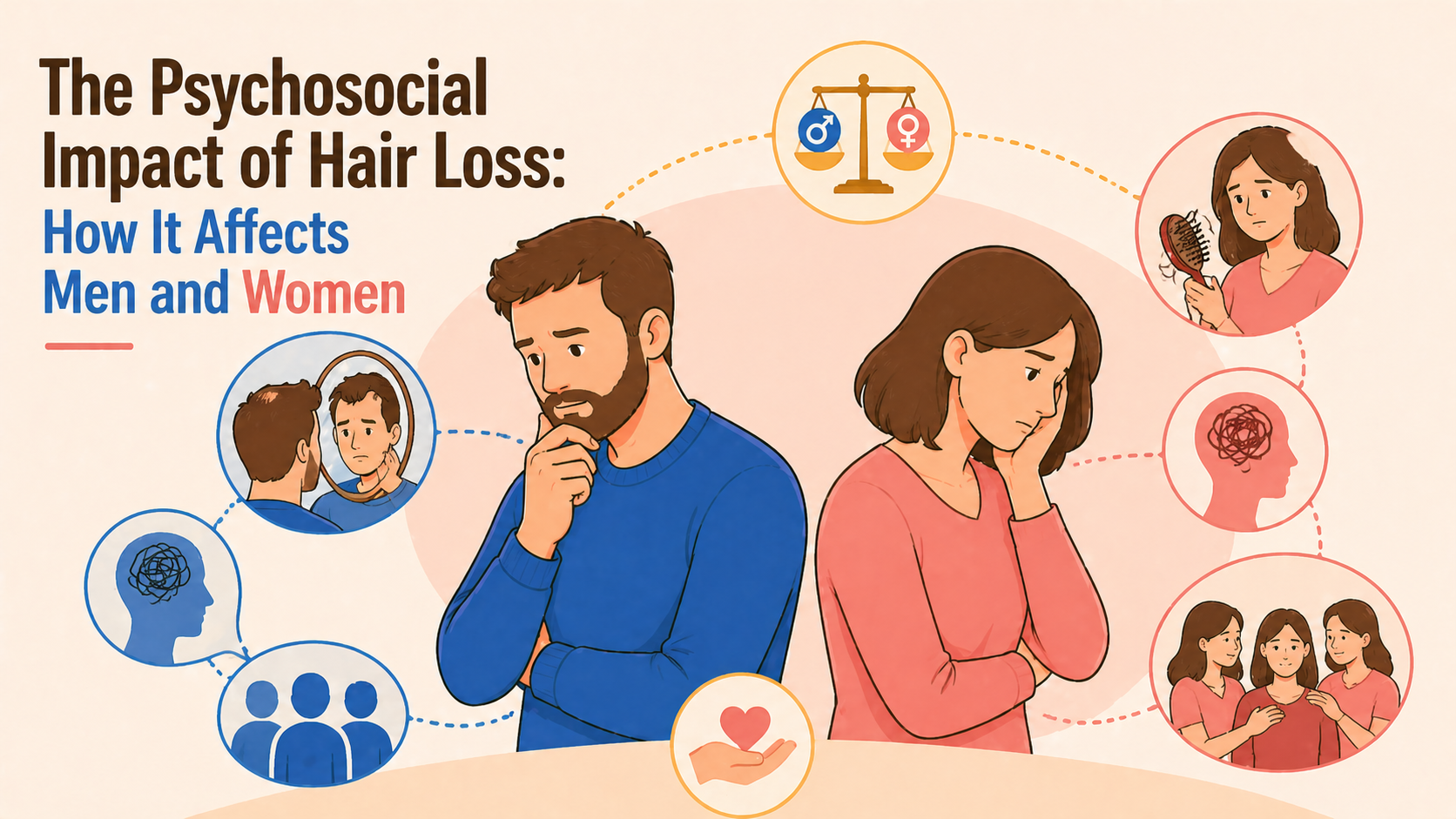
When my hair started changing, I was not mainly worried about the biological function of the follicles. I was worried about what I looked like, how other people might see me and whether I still looked like myself.
That is why “it is only hair” rarely helps. Something can be medically harmless and still matter enormously to the person experiencing it. The connection between hair and identity also has a history much longer than the current market for transplants and supplements.
At the same time, there is no universal meaning of hair. Losing it does not make someone less healthy, less capable or less attractive by definition. It is worth understanding the associations without treating them as facts about a person’s value.
Archaeologists study combs, surviving hair and representations of hairstyles because they can tell us about identity and social life. Hair is something people shape, display, cover and care for. The significance of those choices depends on the time and place.
An ancient Egyptian wig in the British Museum, for example, combines curled hair and plaits and is associated with a man of high status. Wigs were not simply an unsuccessful attempt to regrow hair. They could be skilled objects of fashion and social expression.
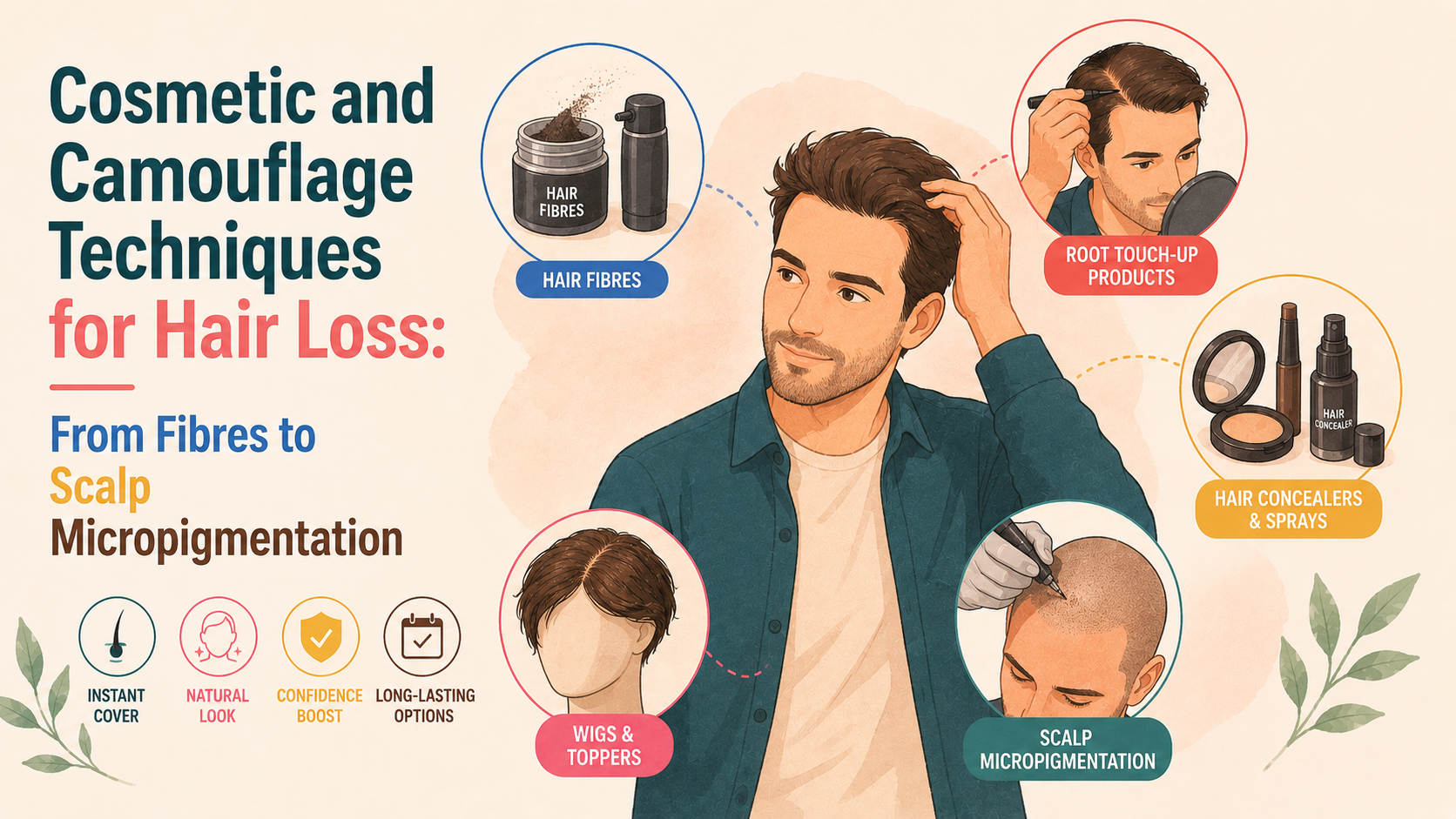
I think that distinction matters today too. A wig, hair system or concealer does not have to be a confession of insecurity, and a shaved head does not have to signal that someone has stopped caring. People can choose how they present themselves without having to justify it as either treatment or acceptance.
In 1939, the Japanese dermatologist Shoji Okuda described transplanting small pieces of hair-bearing skin to areas that lacked hair, including scars and parts of the face. Much of this work concerned reconstruction rather than ordinary male pattern hair loss.
His papers were written in Japanese and remained little known internationally for decades, with the Second World War contributing to that separation. They are an important reminder that the history did not begin with a single clinic or one Western invention.
The biological question was whether hair could survive and keep growing after being moved. The cosmetic question was harder: could it be arranged in a way that looked natural?
Norman Orentreich’s 1959 paper helped establish transplantation for pattern hair loss through the concept of donor dominance. In simple terms, follicles moved from a suitable donor area can retain characteristics of where they came from.
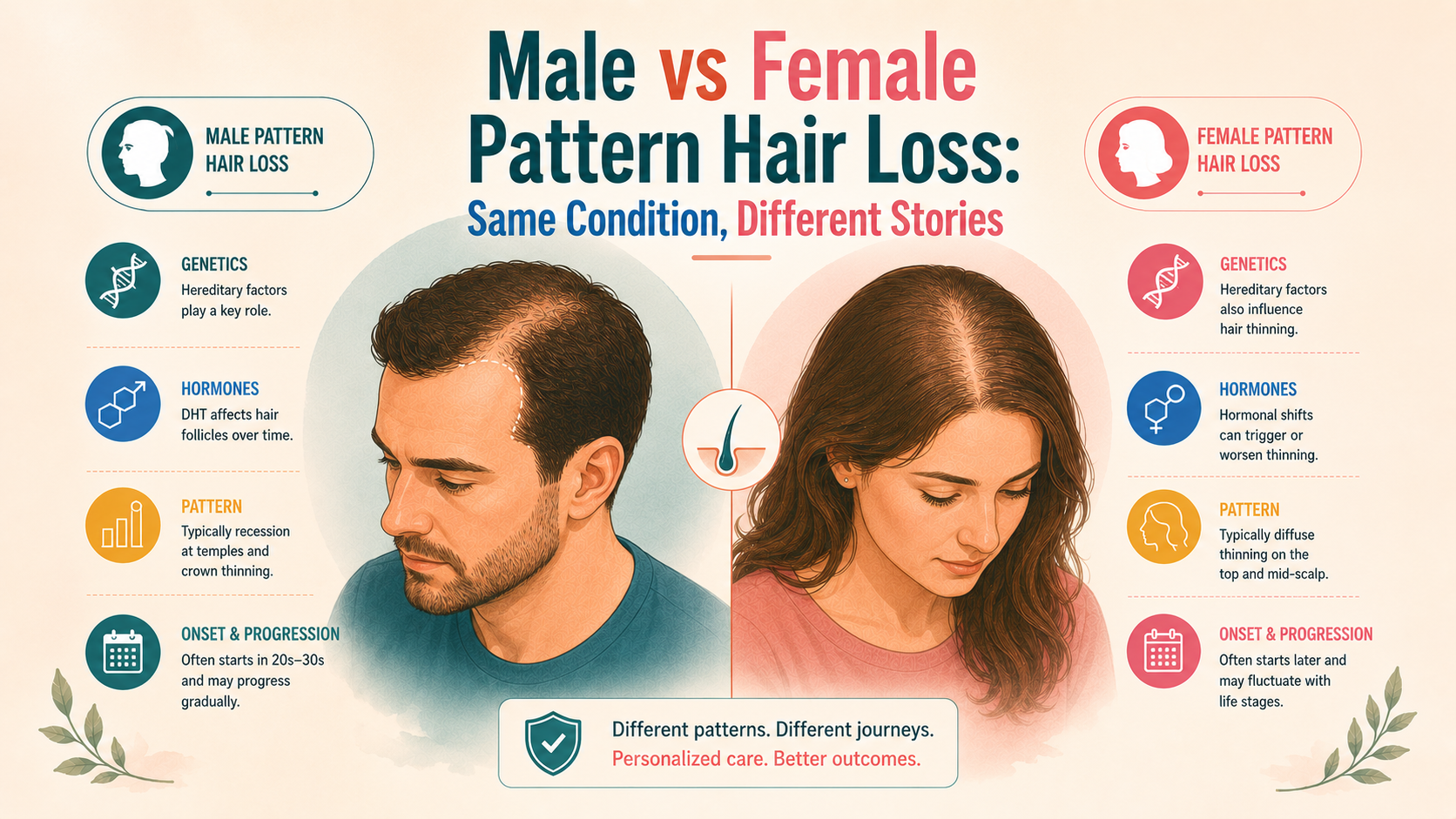
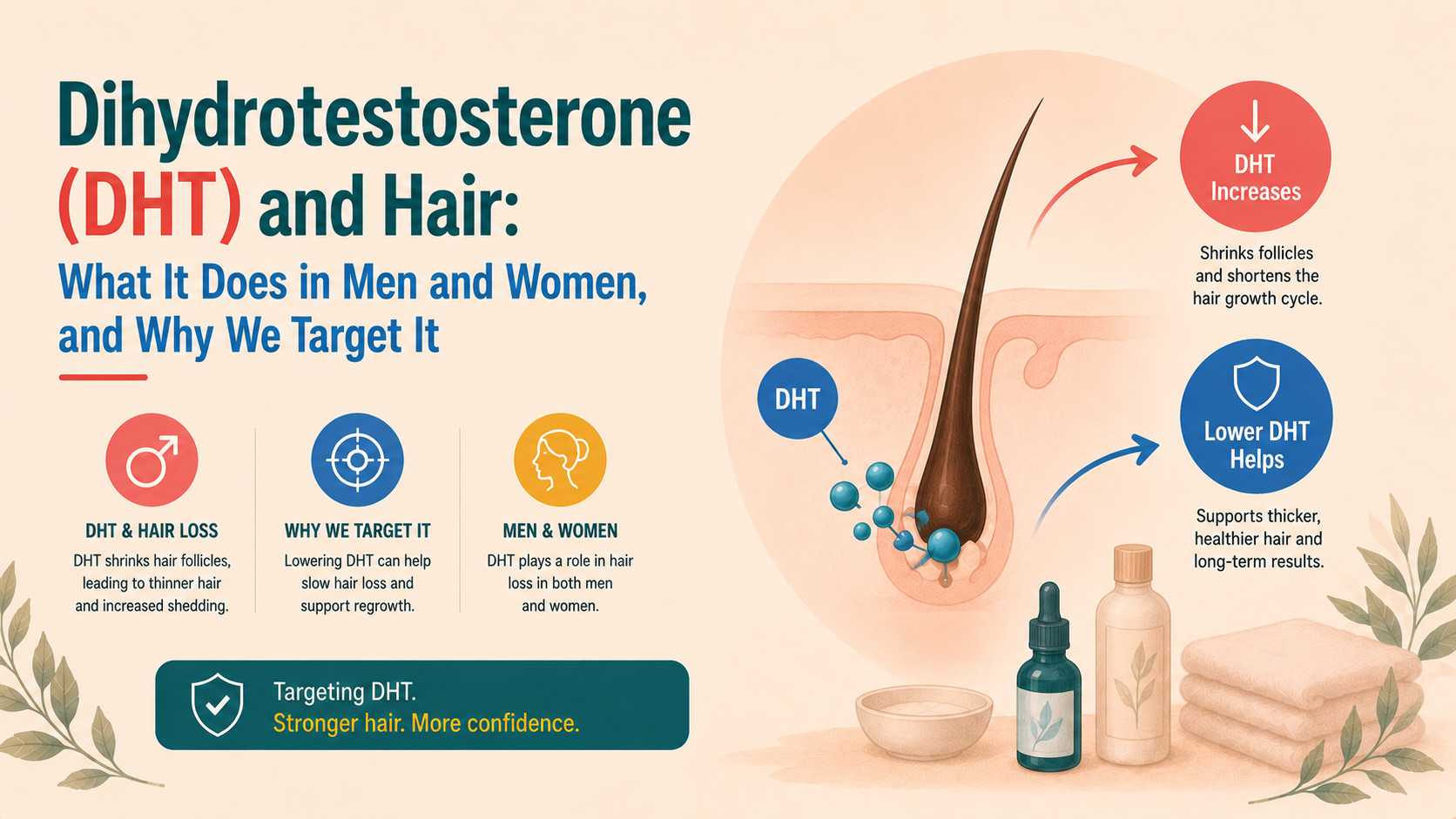
Hair at the back and sides of the scalp is often relatively resistant to the miniaturisation affecting the front and crown. Moving suitable follicles can therefore provide coverage in an area where the original hair has thinned.
“Relatively resistant” matters. Donor hair still needs assessing, and no operation creates an unlimited supply or stops loss in the surrounding native hair. The principle explains why a transplant can work, not why every proposed transplant is a good idea.
Large circular grafts could grow hair successfully but leave obvious clusters, especially at the hairline. A procedure could succeed biologically while looking unnatural. Smaller grafts and more careful placement gradually improved the cosmetic result.
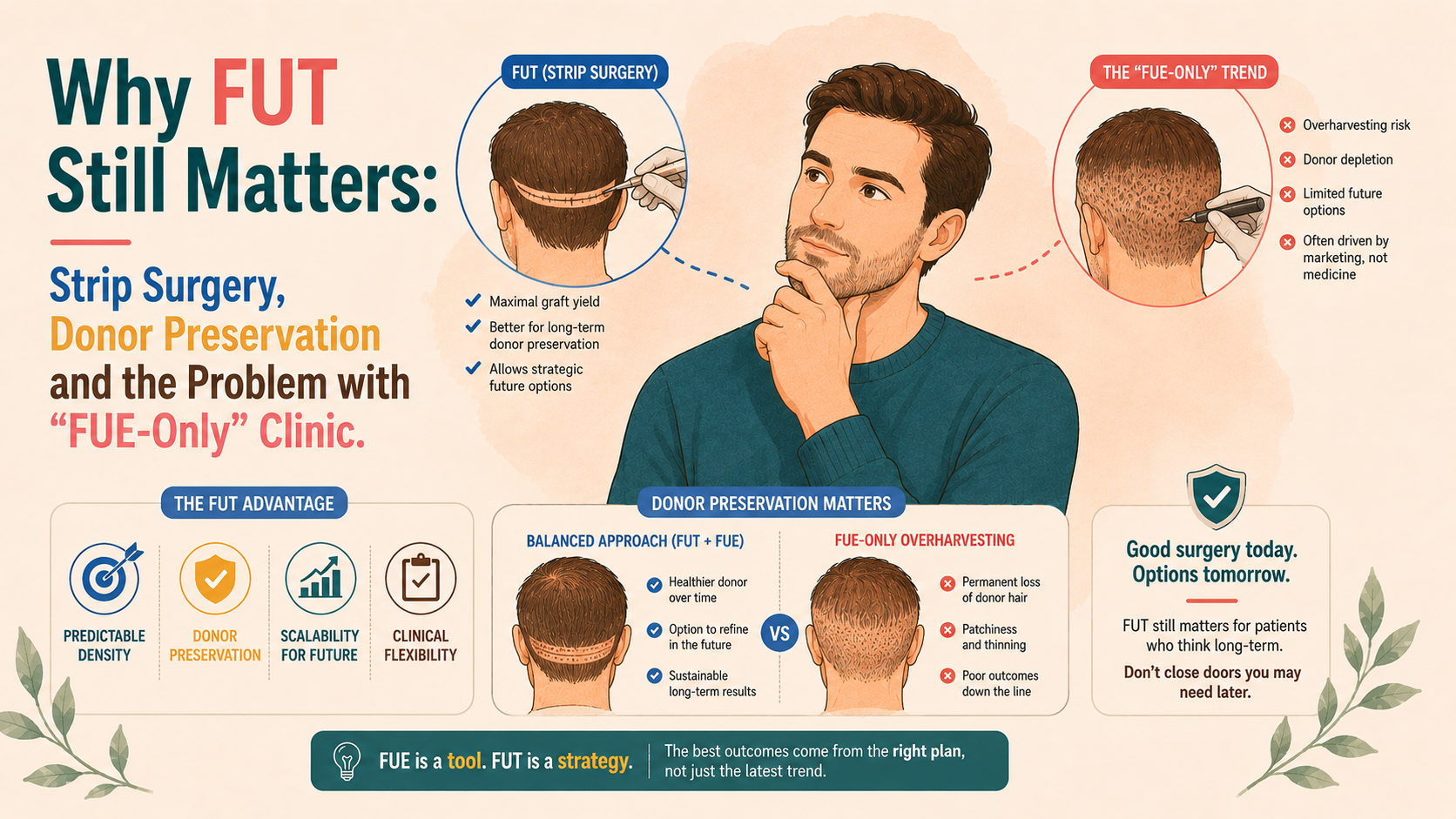
Modern surgery commonly uses follicular units, the small groups in which scalp hairs naturally grow. These can be obtained by removing a strip of donor skin and dissecting it into grafts, usually called FUT, or by removing units individually with small punches, called FUE.
Both methods can produce natural results in suitable hands, and both leave scars. FUE generally leaves small scattered scars rather than the linear scar of strip surgery. Hairline design, graft handling and donor management remain important whichever method is used. A newer device or fashionable label cannot take their place.
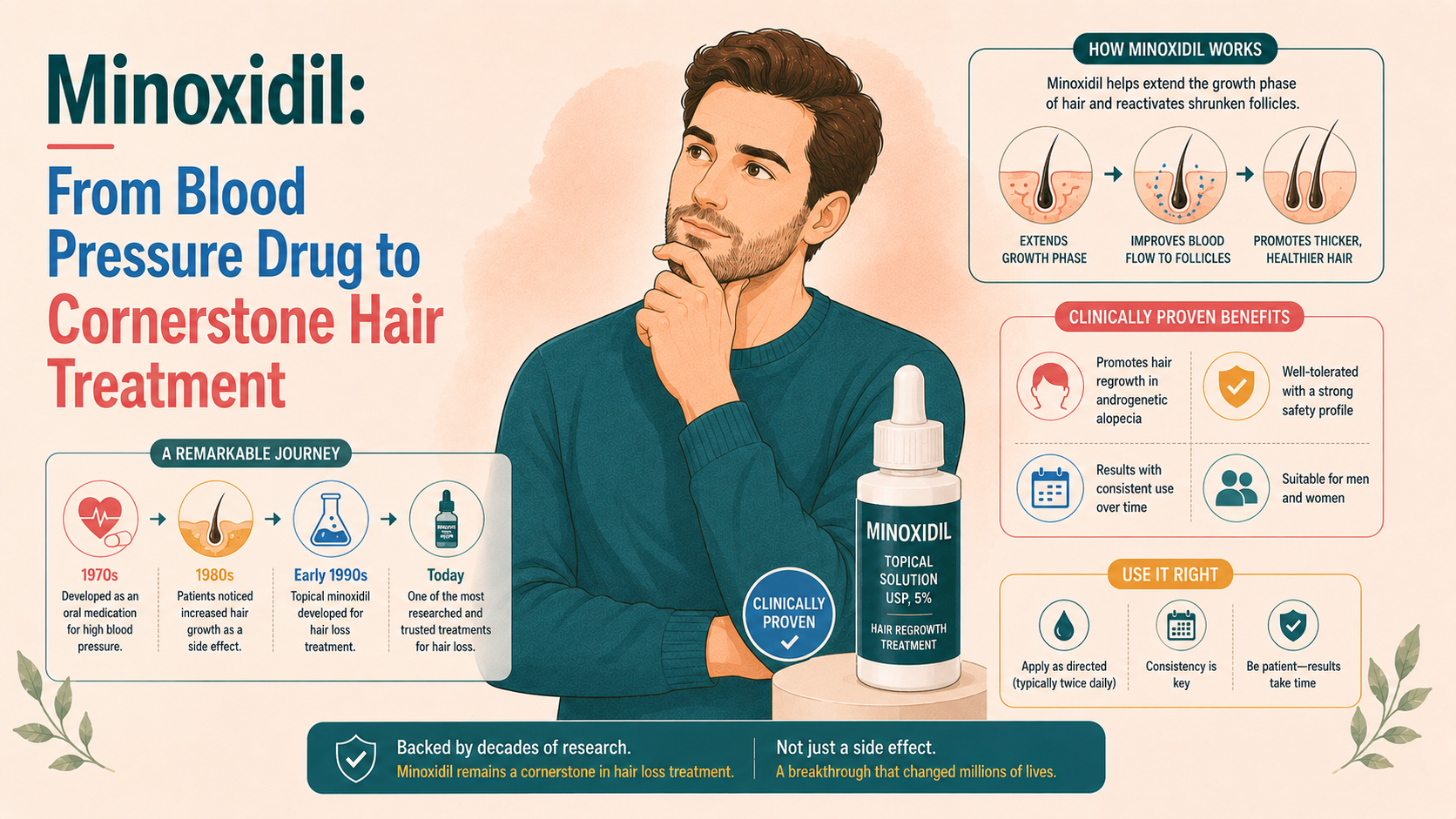
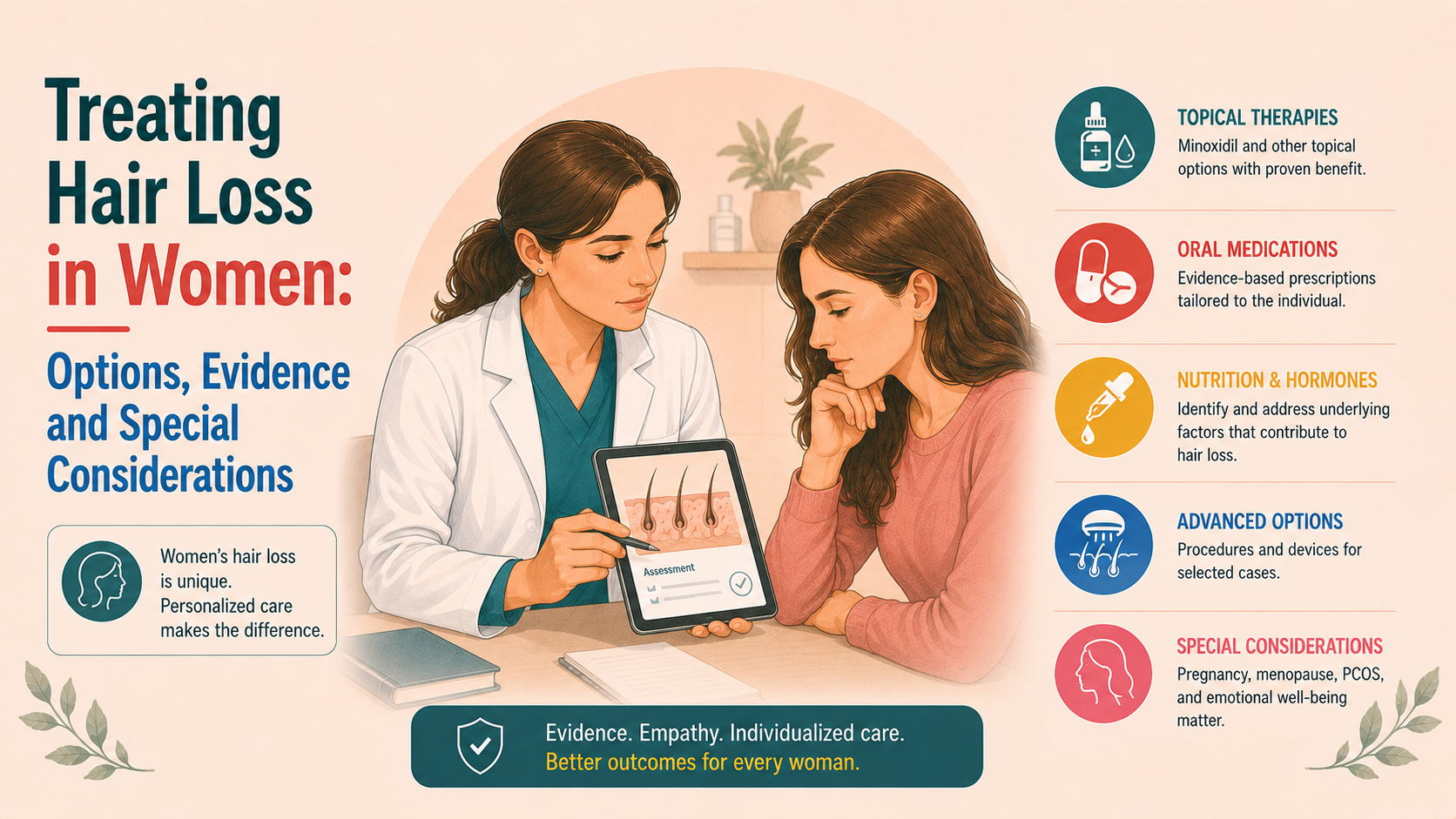
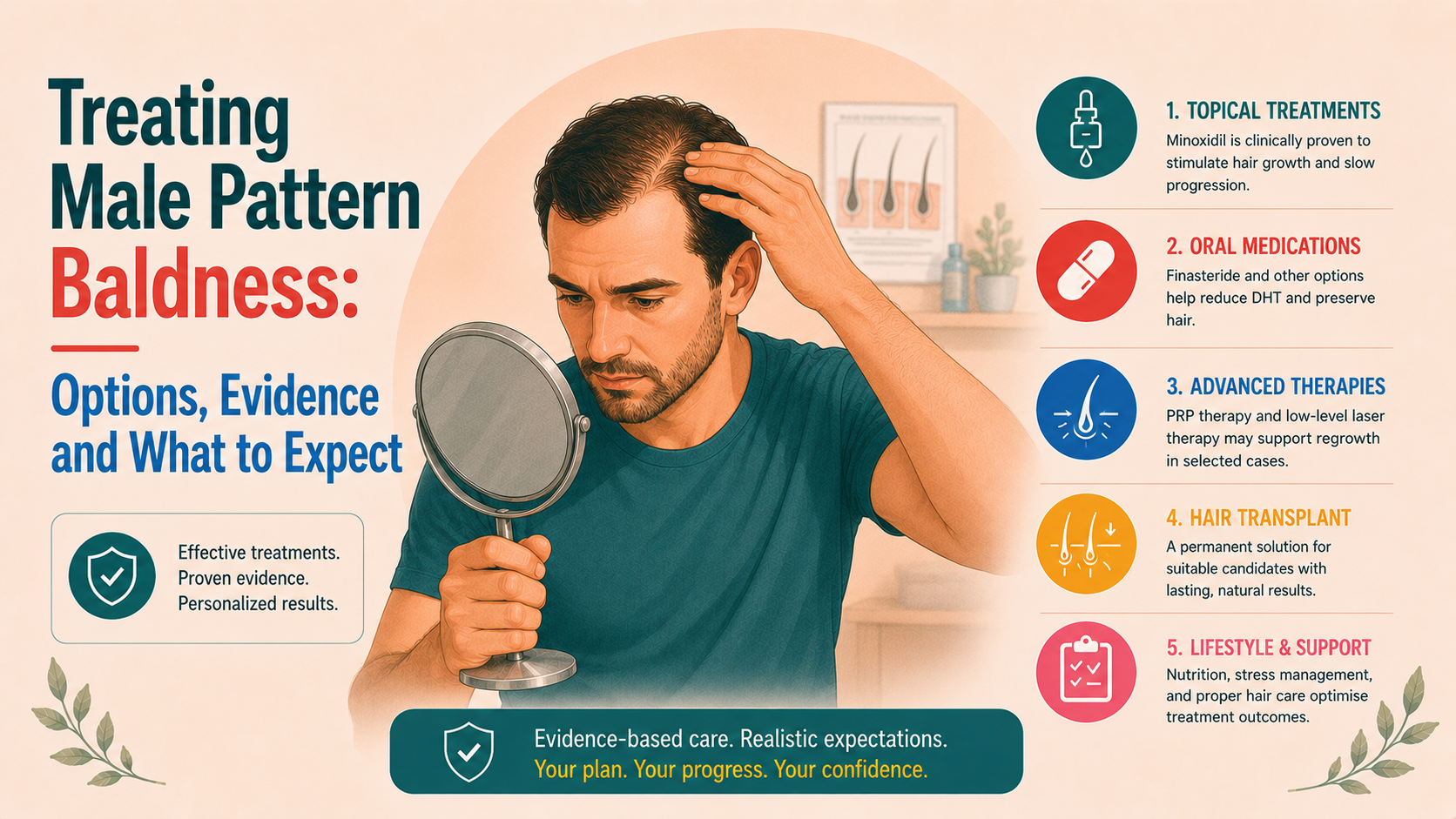
Medicines such as topical minoxidil and finasteride expanded the options for appropriate patients with pattern hair loss. They can help preserve or improve existing hair, which surgery alone cannot reliably protect from continued miniaturisation.
These treatments have limitations and possible adverse effects. Suitability depends on the diagnosis and the individual, including sex, pregnancy considerations and medical history. The aim is an informed choice, not the assumption that everyone should follow the same regimen.
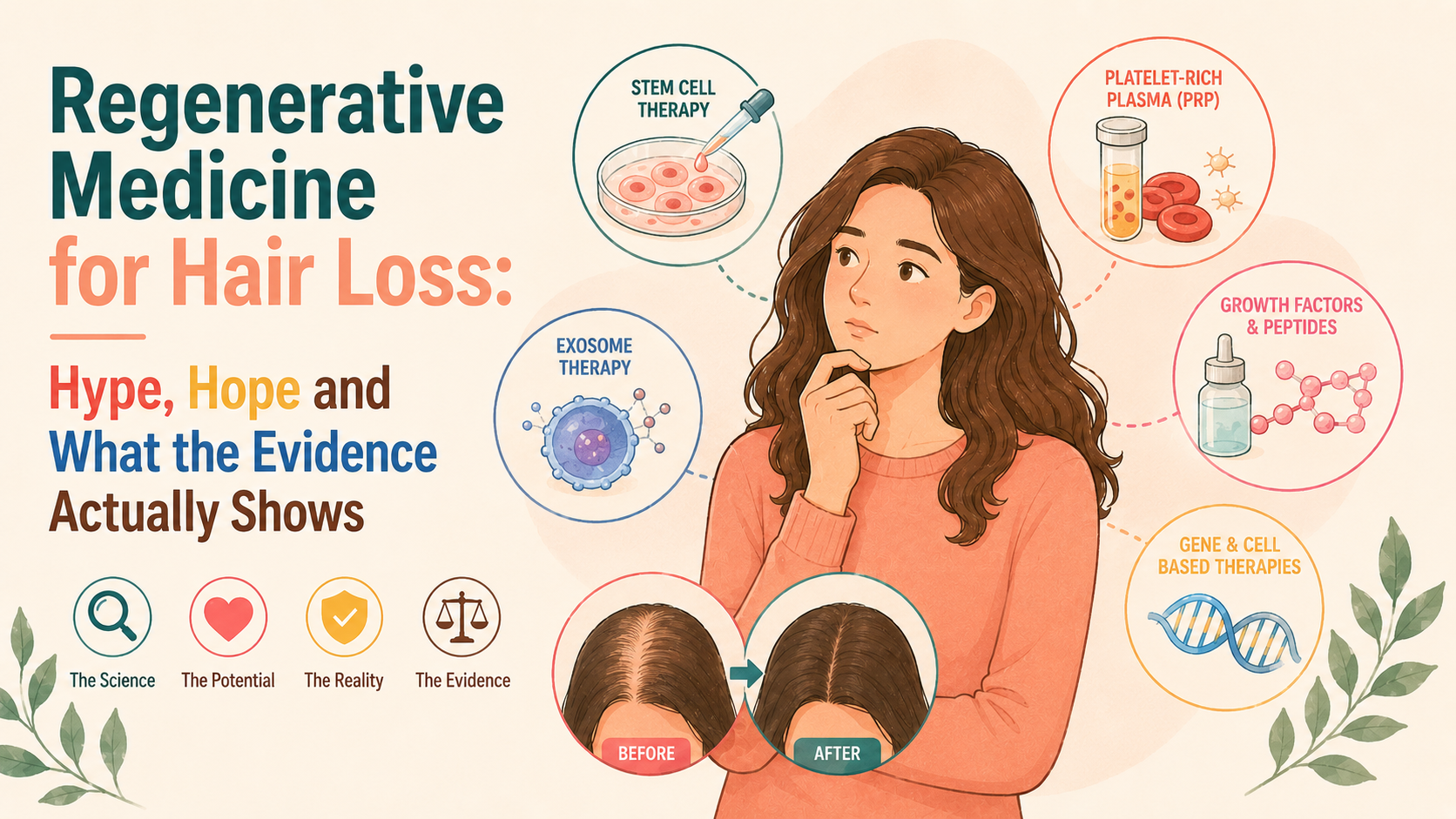
Research into platelet-rich plasma, light devices and cell-based approaches has continued. These are not one category with a shared level of proof. In particular, an experimental finding about cells or hair follicles is not the same as a reliable clinical method for producing an unlimited donor supply. I would judge a treatment by the outcomes demonstrated in people, rather than how futuristic it sounds.
There is a recurring temptation in hair restoration to sell the next development as the moment everything becomes simple. The techniques have improved, but the decisions still involve limits, risks and personal preferences.
For me, the most useful kind of progress is having better information and more room to choose. That might mean treating hair loss, having carefully planned surgery, using a hair system or deciding that the maintenance is not worth it. Those choices can also change over time.
Hair restoration can improve someone’s life. It should not require them to believe that the life they have now is on hold. Understanding why hair matters can make room for compassion, without giving it authority over everything else.