Men's Hair Loss

Types of Hair Loss in Men: An Overview

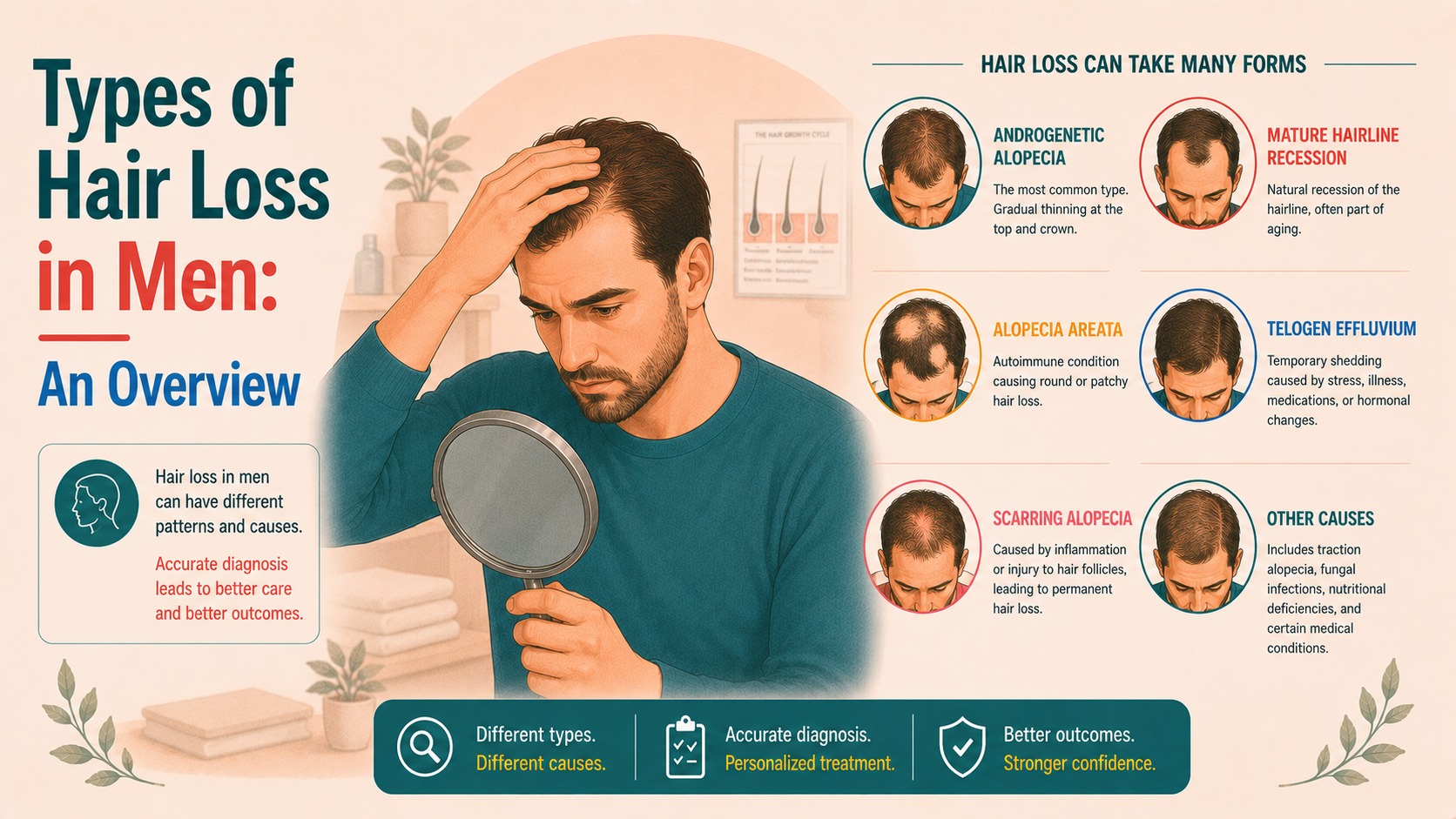
Androgenetic alopecia (male pattern baldness) is the most common cause of hair loss in men, but it is not the only one. This article maps out the main types of hair loss that affect men – from pattern baldness to scarring conditions, shedding disorders, autoimmune causes and mechanical damage – and explains how they differ.
[headshot]
Dr. Harry M Griffiths
Article Summary

1. Why look beyond male pattern baldness?
When a man loses hair, almost everyone calls it “male pattern baldness” by default. In fairness, androgenetic alopecia is extremely common and does explain the majority of thinning in men. But it does not explain all of it.

Men can be affected by:

  • transient shedding problems,
  • autoimmune hair loss,
  • scarring inflammatory diseases of the scalp,
  • traction and self-inflicted damage,
  • infections and structural hair disorders.

Some of these are benign and reversible. Others are scarring and need early recognition to prevent permanent loss. This overview gives the lay of the land so that later, more specific articles sit in a clear context.

2. Two big groups: non-scarring and scarring alopecia

Most classification schemes start by asking a single question:

“Are the hair follicles still structurally present, or have they been destroyed and replaced by scar tissue?”

  • If follicles are still there – even if miniaturised or dormant – the hair loss is non-scarring. Regrowth is possible.
  • If follicles have been destroyed and replaced by fibrous tissue, the hair loss is scarring (cicatricial). Regrowth from those sites is not possible.

Both types occur in men. Within each category, patterns and causes diverge.

3. Non-scarring hair loss in men

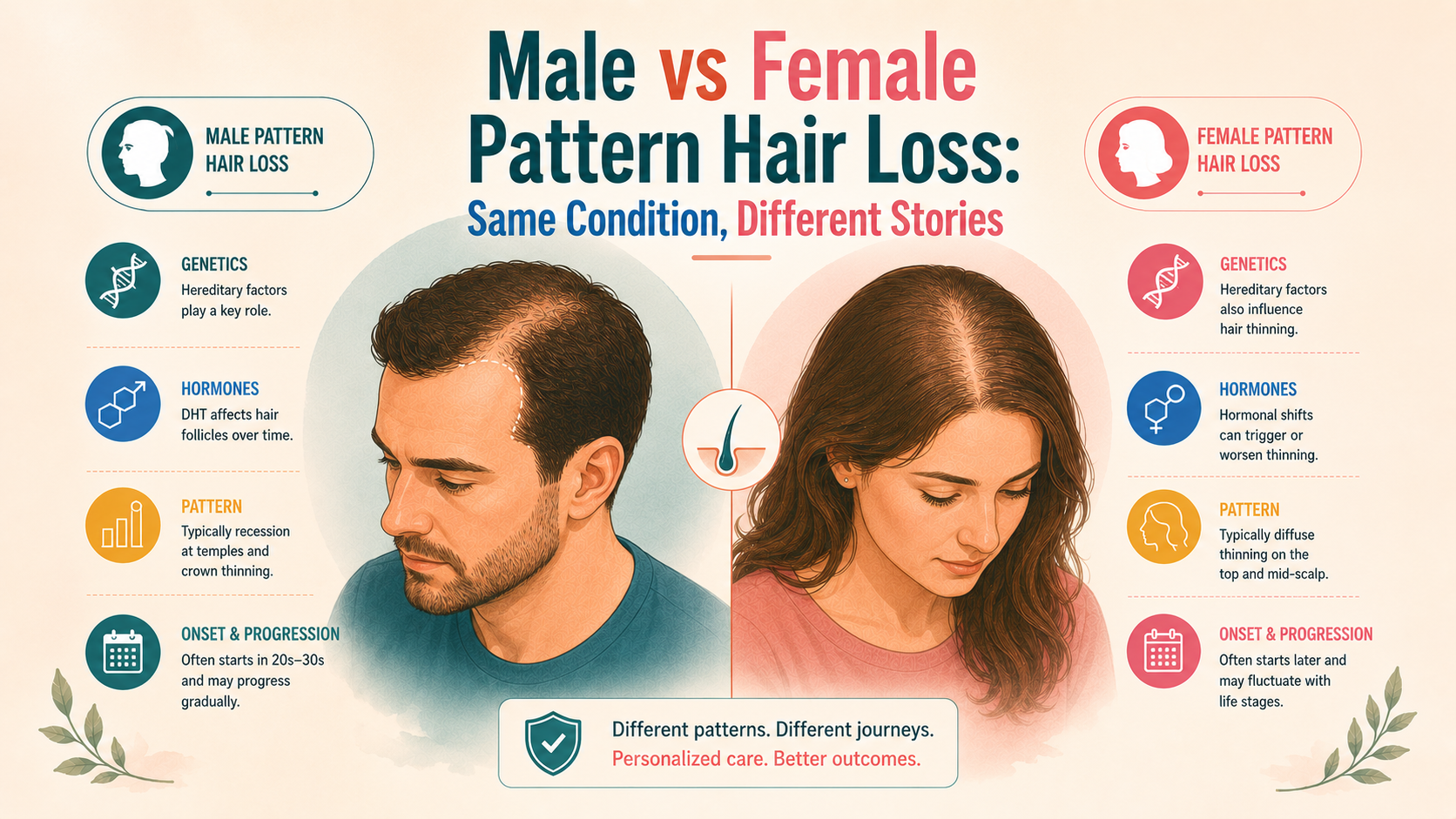
3.1 Androgenetic alopecia (male pattern hair loss)

This is by far the most common form of hair loss in men.

Key features:

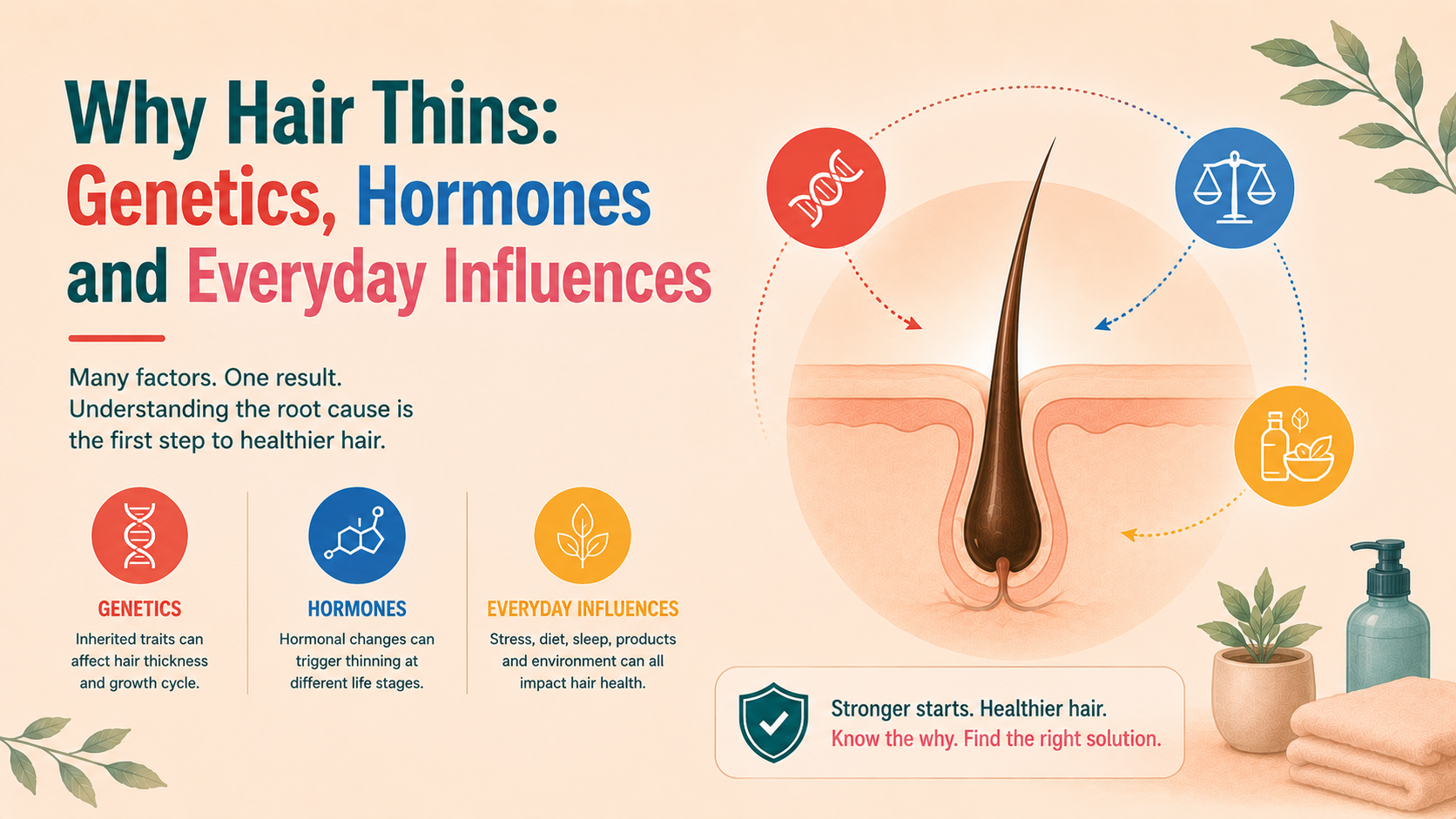
  • Strong genetic component, polygenic inheritance.
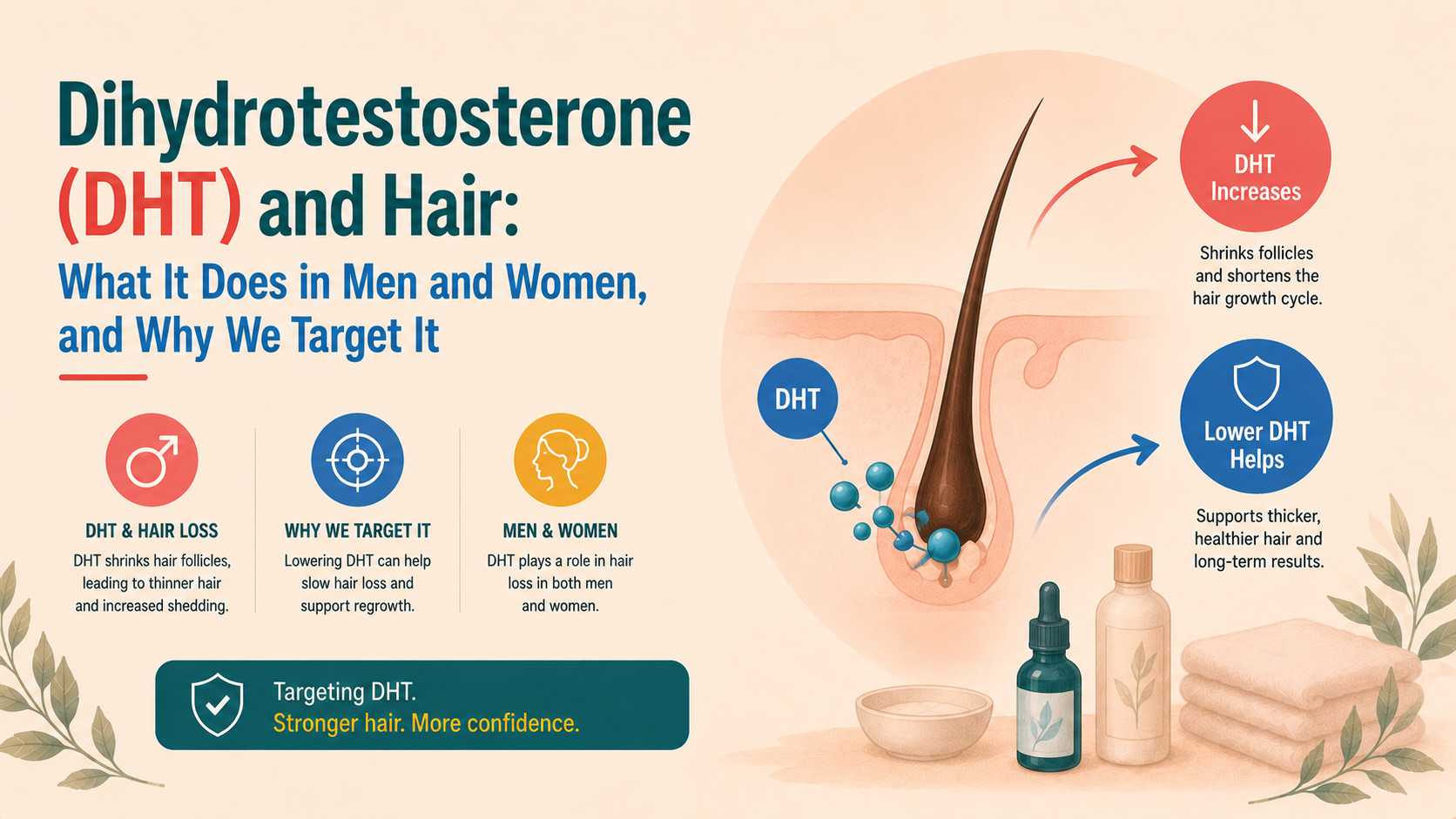
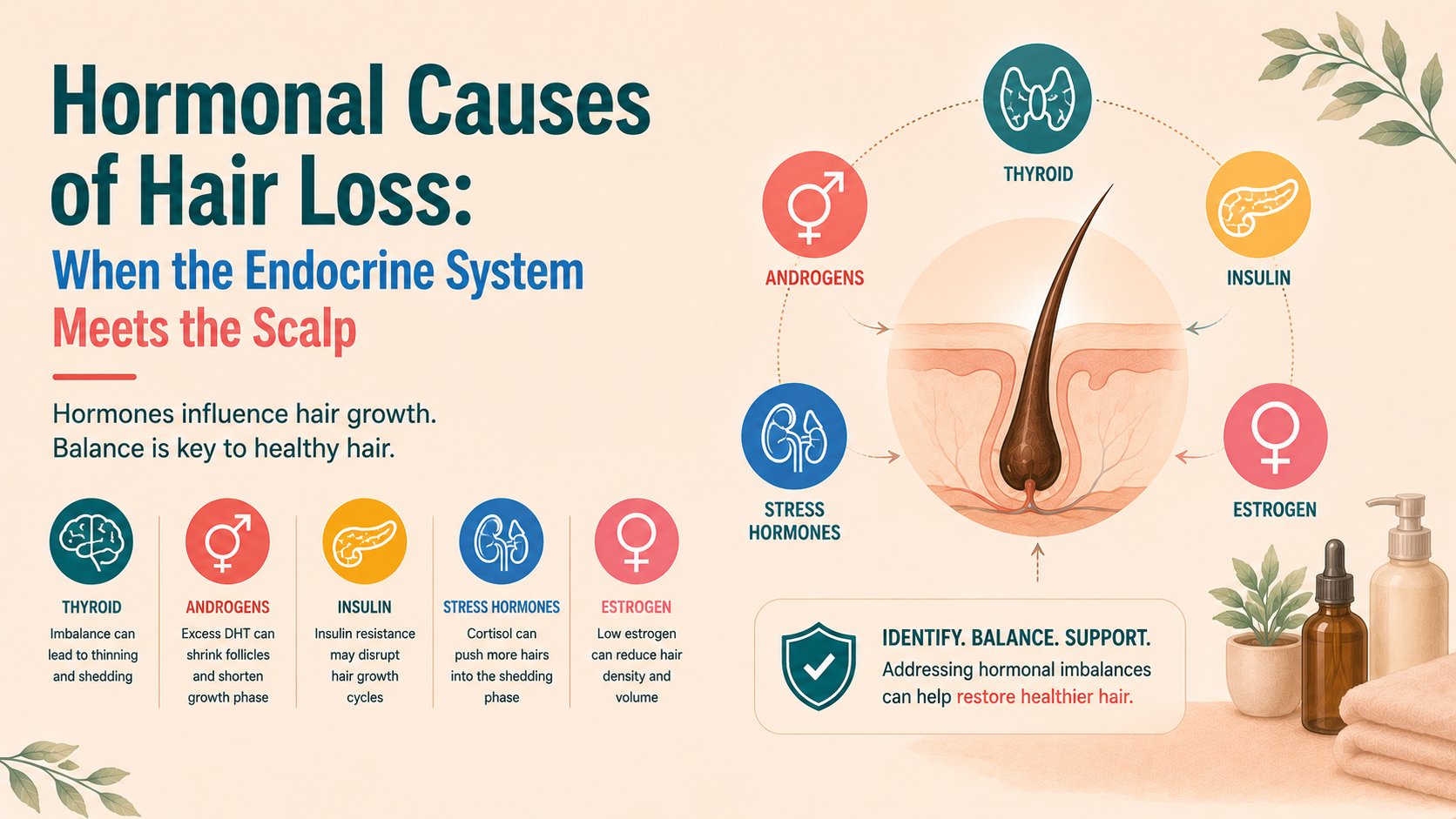
  • Driven by androgens, especially dihydrotestosterone (DHT), acting on genetically susceptible follicles.
  • Patterned loss:
    • frontal hairline recession and bitemporal thinning,
    • vertex (crown) thinning,
    • eventual merging of these areas to leave a horseshoe of hair around the sides and back.

Biology in brief:

  • Testosterone is converted to DHT by 5α-reductase in scalp follicles and surrounding skin.
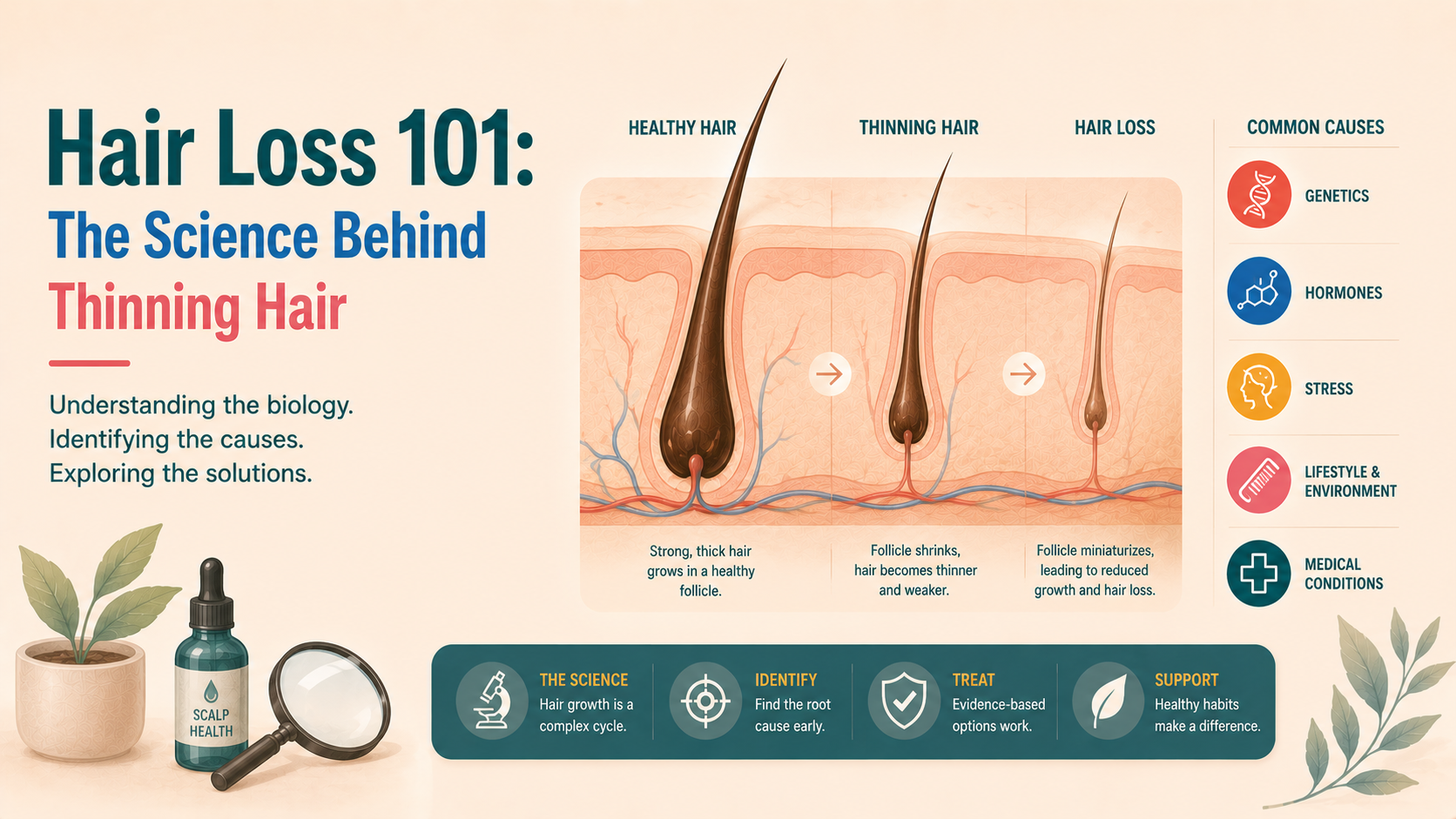
  • In susceptible follicles, DHT alters gene expression and signalling in the dermal papilla, shortening the anagen phase and causing miniaturisation: thick terminal hairs become thinner, shorter vellus-like hairs.
  • Occipital follicles are relatively resistant and often preserved even in advanced stages.

This pattern is characterised using the Hamilton–Norwood classification, ranging from early recession (Types II–III) to extensive baldness (Type VII).

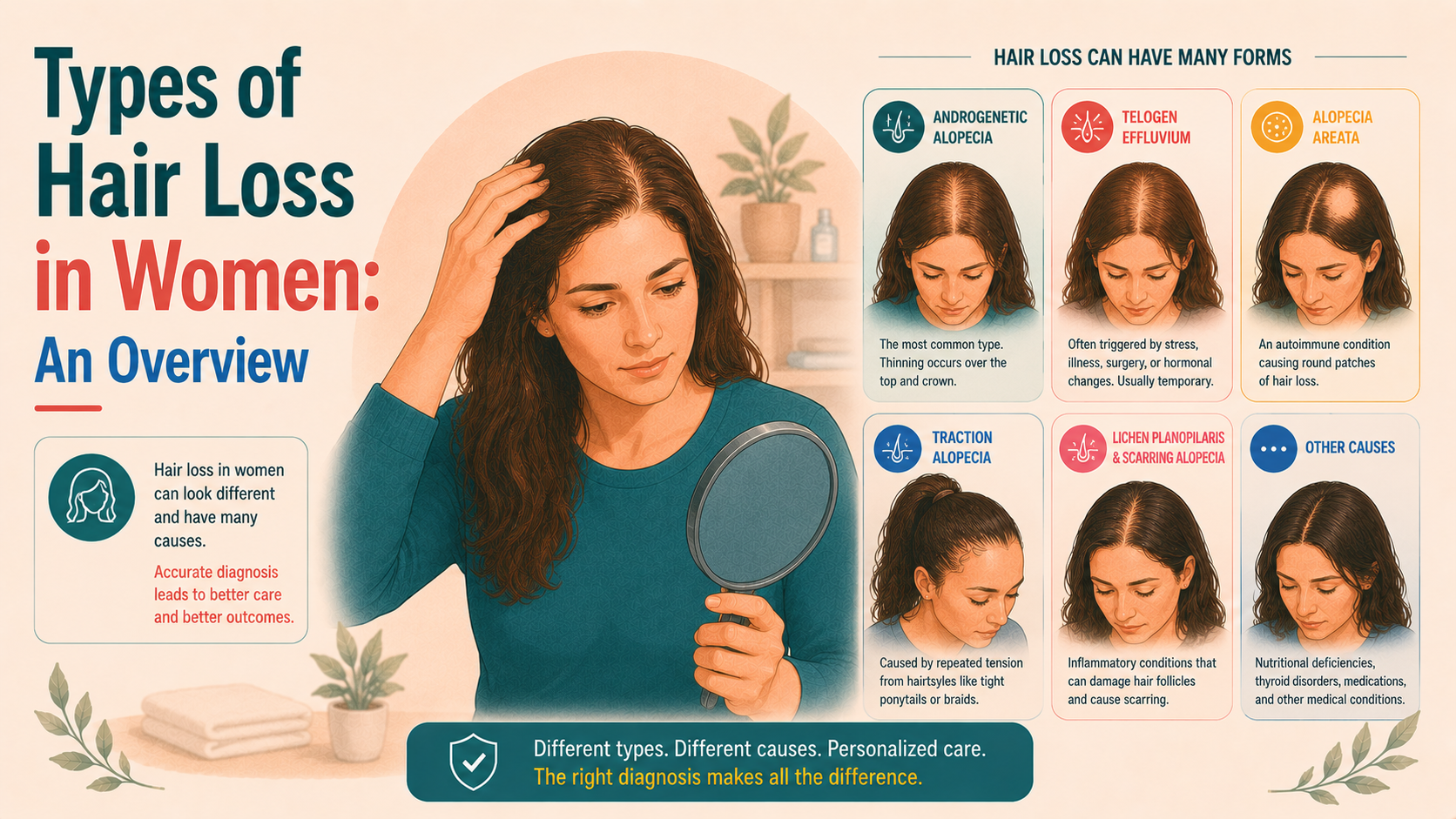
3.2 Telogen effluvium (reactive shedding)

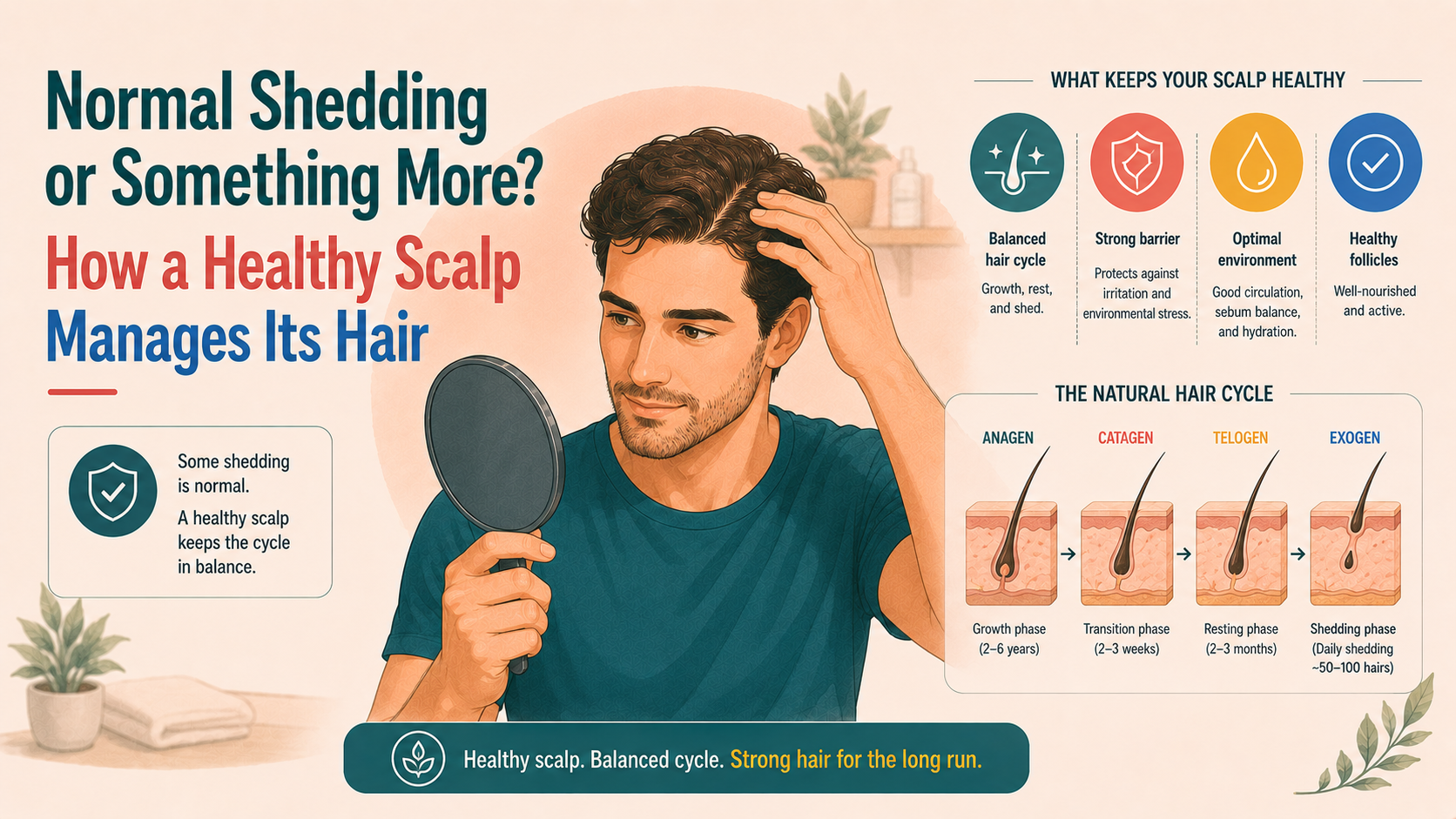
Telogen effluvium is a state where more follicles than usual enter the telogen (resting) phase in a synchronised way, thus leading to a synchronised exogen, causing sudden, increased shedding a few months later.

Typical triggers in men include:

  • high fever, significant infections, major surgery,
  • rapid weight loss or extreme dieting,
  • severe psychological stress,
  • certain medications,
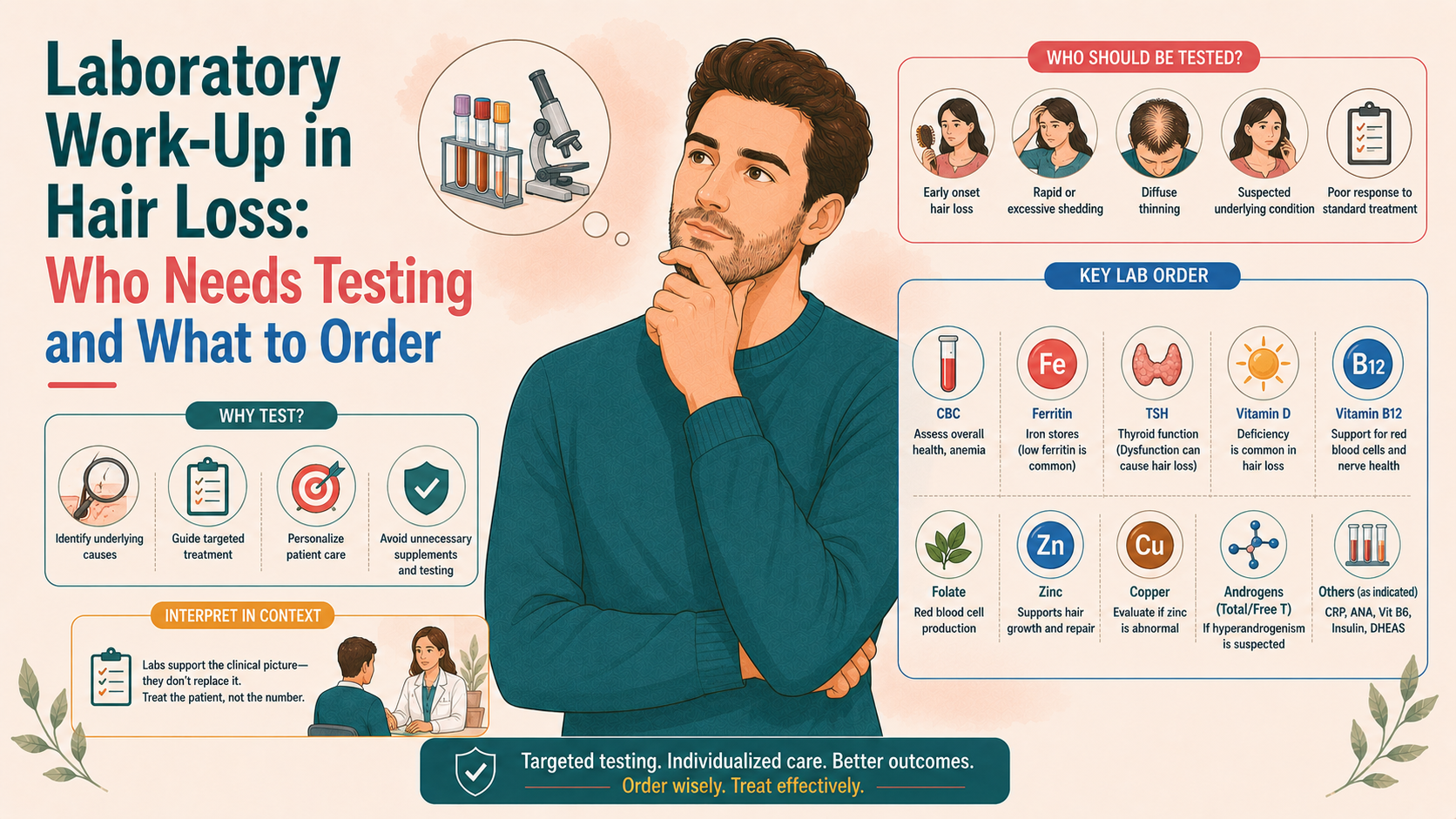
  • systemic illness (for example, uncontrolled thyroid disease, iron deficiency).

Features:

  • diffuse shedding from all over the scalp,
  • often a noticeable increase in hairs on pillows, in the shower or on the hands after running fingers through the hair,
  • the pattern of androgenetic alopecia (if present) may become more obvious as background density drops.

In classic telogen effluvium, follicles are not destroyed. Once the trigger resolves and systemic health is restored, the cycle usually normalises over several months. In many men, telogen effluvium and androgenetic alopecia coexist; the former unmasking or worsening the visible pattern.

3.3 Alopecia areata

Alopecia areata is an autoimmune condition in which immune T-cells target the lower hair follicle in anagen, causing rapid shedding.

In men, it can present as:

  • round or oval patches of complete hair loss on the scalp,
  • “ophiasis” pattern (band-like loss along the occipital and temporal margins),
  • more extensive forms:
    • alopecia totalis – loss of all scalp hair,
    • alopecia universalis – loss of all body hair, including eyebrows,
  • focal loss in the beard area (“alopecia areata barbae”), eyebrows or other sites.

The scalp skin in affected areas looks smooth and normal; there is no scarring. Exclamation mark hairs and black dots may be seen on close inspection. The course is unpredictable: some men experience one or two patches that regrow spontaneously, while others have chronic or relapsing disease.

3.4 Traction alopecia

Traction alopecia results from chronic tension on the hair, most often from:

  • tight braids or locs,
  • tight ponytails or man-buns,
  • hairpieces or weaves attached with tension,
  • occupational headgear combined with tight styles.

In men, it is less common than in women, but does occur, particularly along the hairline. Early on, it is non-scarring and reversible with the removal of the traction. Sustained traction over years, however, can lead to scarring at the most stressed margins.

3.5 Trichotillomania and body-focused repetitive behaviours

Trichotillomania involves recurrent hair pulling, often associated with rising internal tension and a sense of relief during pulling. In men, it may affect the scalp, beard, eyebrows or body hair.

Clinically, the hallmark is an area with hairs of variable length, broken shafts, and sometimes co-existing normal hairs. The pattern may be irregular and does not conform to the classic pattern of androgenetic alopecia. Over time, chronic mechanical trauma can damage follicles and create permanent thinning in the most affected areas.

3.6 Tinea capitis (scalp ringworm)

Though more common in children, tinea capitis can occur in adult men, particularly those with close contact with children or in certain occupational settings.

Features:

  • patches of hair loss with broken hairs, scale and sometimes pustules,
  • “black dots” where broken shafts are at the scalp surface,
  • sometimes a boggy inflammatory mass (kerion).

This is a fungal infection, not an immune or hormonal problem. It requires systemic antifungal treatment. Delay can increase the risk of permanent scarring in severely inflamed cases.

3.7 Chemotherapy and medication-induced hair loss

Some men experience telogen effluvium – abrupt, diffuse hair loss – with chemotherapy agents that forcibly arrest matrix cell division. The pattern depends on the regimen.

Other medications associated with non-scarring hair loss (usually telogen effluvium) include:

  • retinoids (like Accutane),
  • anticoagulants (blood thinners),
  • some anti-epileptics,
  • certain antidepressants,
  • endocrine therapies for prostate cancer or other malignancies.

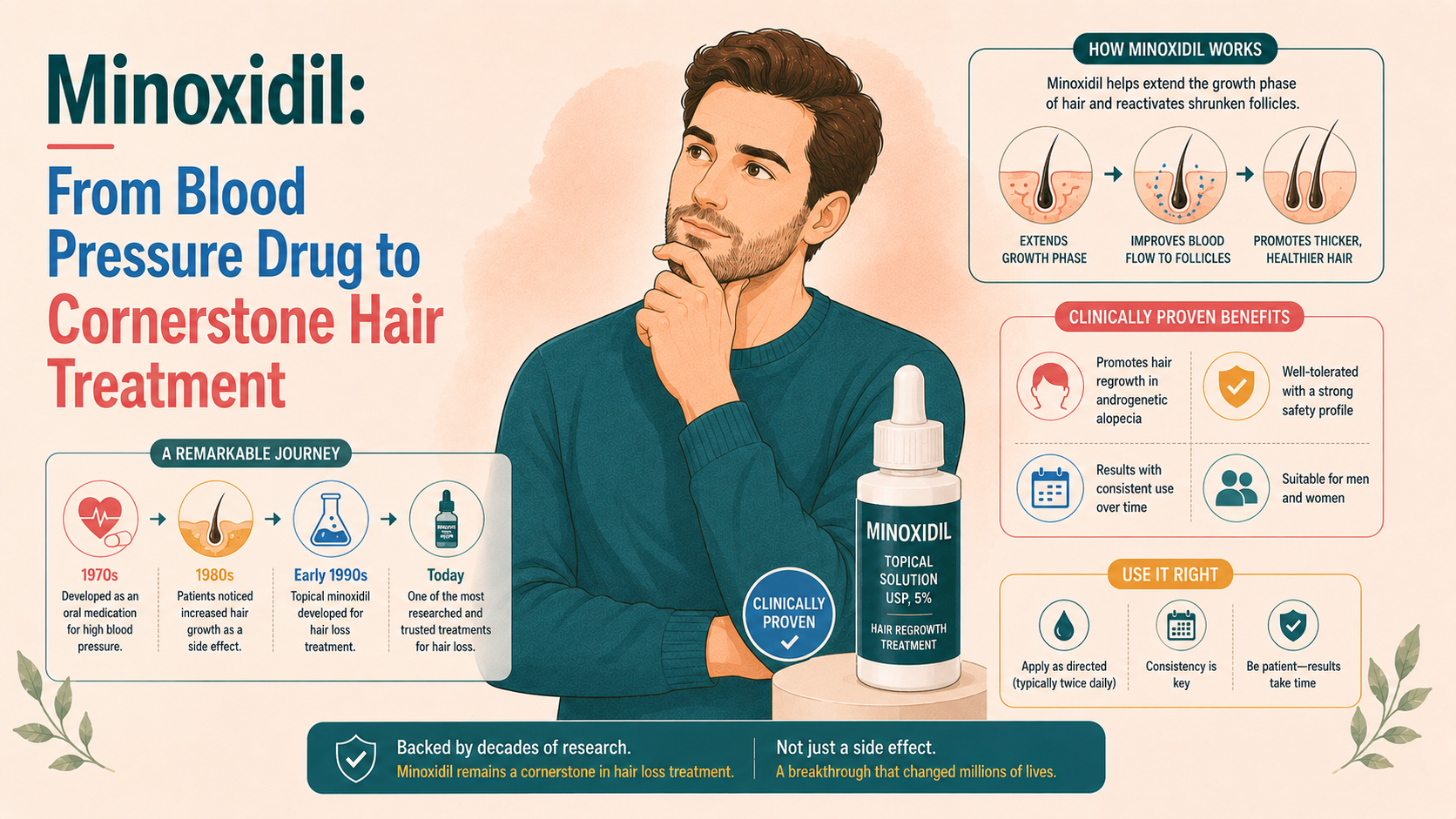
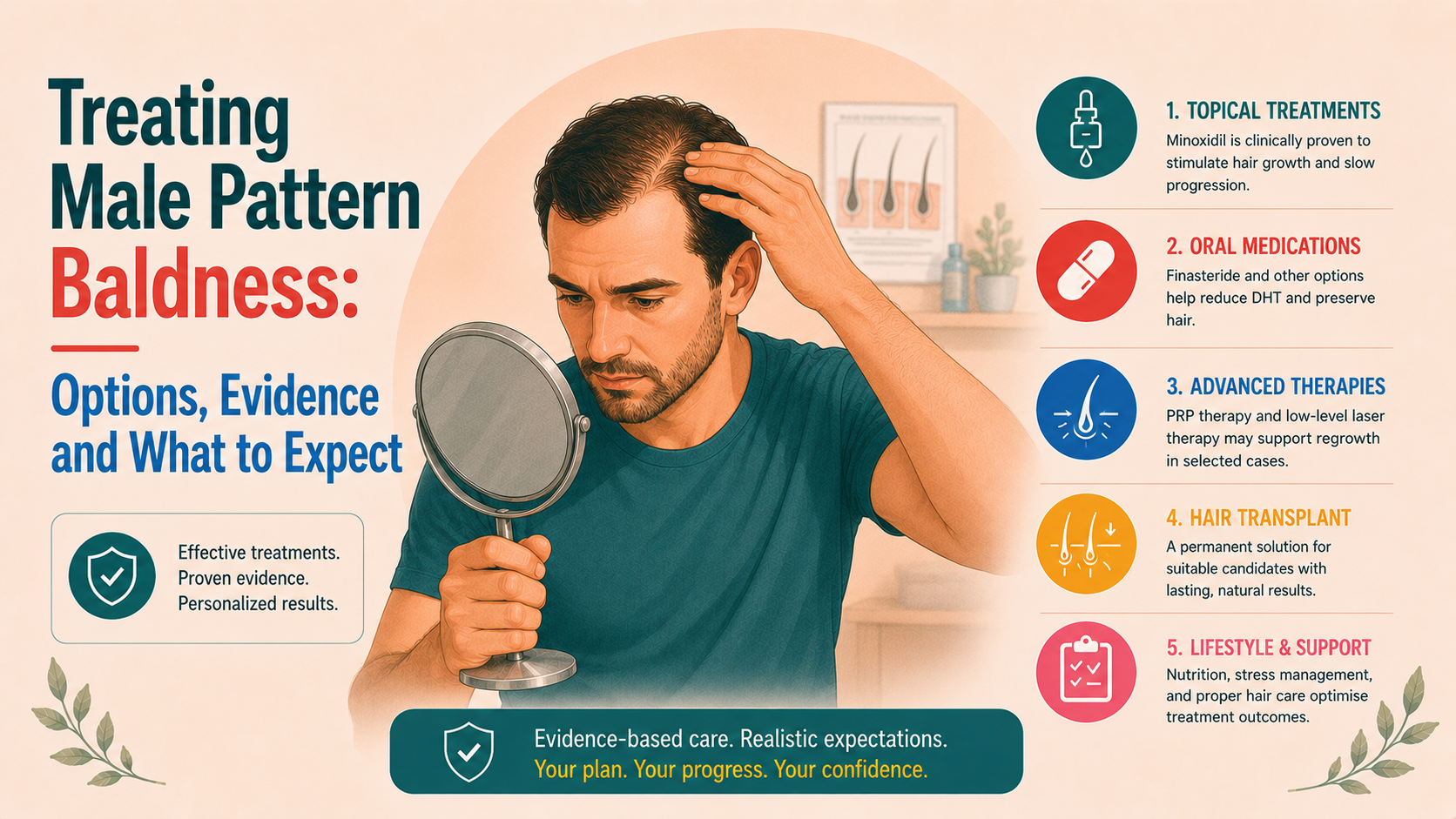
Temporary shedding can also occur after starting new hair-loss treatments, such as minoxidil or finasteride; it is common and usually resolves, indicating the treatment is working. It's advised to continue treatment in this instance.

In many cases of drug-induced hair loss, hair regrows once treatment is completed, though the timeline and extent vary.

4. Scarring (cicatricial) alopecia in men

Scarring alopecias are less common than non-scarring conditions but more serious, as follicles are permanently destroyed. They should be on the radar for any male patient with:

  • patchy loss and shiny skin,
  • symptoms such as pain, burning or persistent itch,
  • visible inflammation, pustules, scale or crusting.

4.1 Lichen planopilaris and frontal fibrosing alopecia

Lichen planopilaris (LPP) is a lymphocytic scarring alopecia targeting the upper follicle. In men, it may cause:

  • patchy areas of hair loss with perifollicular erythema and scale,
  • symptoms of burning or tenderness,
  • eventually, smooth, scarred areas lacking follicle openings.

Frontal fibrosing alopecia (FFA) is considered a clinical variant of LPP. It is more common in women but does occur in men, often presenting as:

  • a band-like recession of the frontal hairline,
  • loss of sideburns and sometimes beard or body hair,
  • perifollicular erythema and scale at the active edge.

Early recognition and immunomodulatory treatment can halt progression, but do not regrow scarred areas.

4.2 Central centrifugal cicatricial alopecia (CCCA)

CCCA classically affects women of African descent, with scarring alopecia radiating from the crown. It is much less common in men, but can appear with similar crown-centred patterns. Differentiation from advanced androgenetic alopecia may require dermoscopy and biopsy in equivocal cases.

4.3 Folliculitis decalvans

Folliculitis decalvans is a neutrophilic scarring alopecia, usually in men, characterised by:

  • follicular pustules and crusts,
  • tufted hairs (“doll’s hair” tufting),
  • expanding areas of scarring hair loss.

It reflects a chronic, destructive follicular inflammation often associated with bacterial colonisation. Long-term antibiotic and anti-inflammatory regimens are typically required.

4.4 Dissecting cellulitis of the scalp

Dissecting cellulitis primarily affects young adult men, particularly of African descent. Features include:

  • painful, deep nodules and abscesses,
  • sinus tract formation,
  • purulent discharge,
  • eventual scarring alopecia in affected areas.

It is part of the “follicular occlusion tetrad” along with acne conglobata, hidradenitis suppurativa and pilonidal disease. Early dermatological management can reduce long-term damage.

4.5 Discoid lupus and other autoimmune scarring processes

Discoid lupus erythematosus (DLE) can involve the scalp in men, causing:

  • scaly, erythematous plaques,
  • follicular plugging,
  • dyspigmentation,
  • scarring with complete loss of follicles.

Other vasculitides and connective tissue diseases can occasionally create scarring scalp lesions. These are rare but important to recognise early.

4.6 Trauma, burns and radiotherapy

Physical injury to the scalp, thermal burns, and high-dose radiotherapy can all destroy follicles and leave sharply demarcated areas of permanent loss. In these settings, the cause is usually evident from history and the pattern of scarring.

5. Congenital and structural hair disorders

These are much rarer, but for completeness:

  • Congenital atrichia and some forms of hypotrichosis present with very sparse scalp hair from infancy.
  • Hair shaft disorders such as monilethrix, pili torti or trichorrhexis nodosa cause brittle, easily broken hair and apparent thinning, though the follicles themselves may be intact.
  • Some of these have defined genetic bases; management focuses on supportive care and, in some cases, emerging targeted therapies.

These conditions are typically recognised in childhood or adolescence rather than presenting as new adult hair loss.

6. Why this distinction matters for men

From a practical standpoint:

  • A young man with frontal recession and crown thinning, a family history of baldness and a normal-looking scalp almost certainly has androgenetic alopecia.
  • A man with rapid shedding after surgery or severe illness, with otherwise preserved pattern and no scarring, may have telogen effluvium superimposed on his baseline.
  • A man with itching, burning, pustules or shiny patches requires urgent evaluation for scarring alopecia or infection, not just reassurance about “male pattern baldness”.
  • A man with beard patches or patchy scalp loss with smooth skin may have alopecia areata, with a very different prognosis and treatment approach.

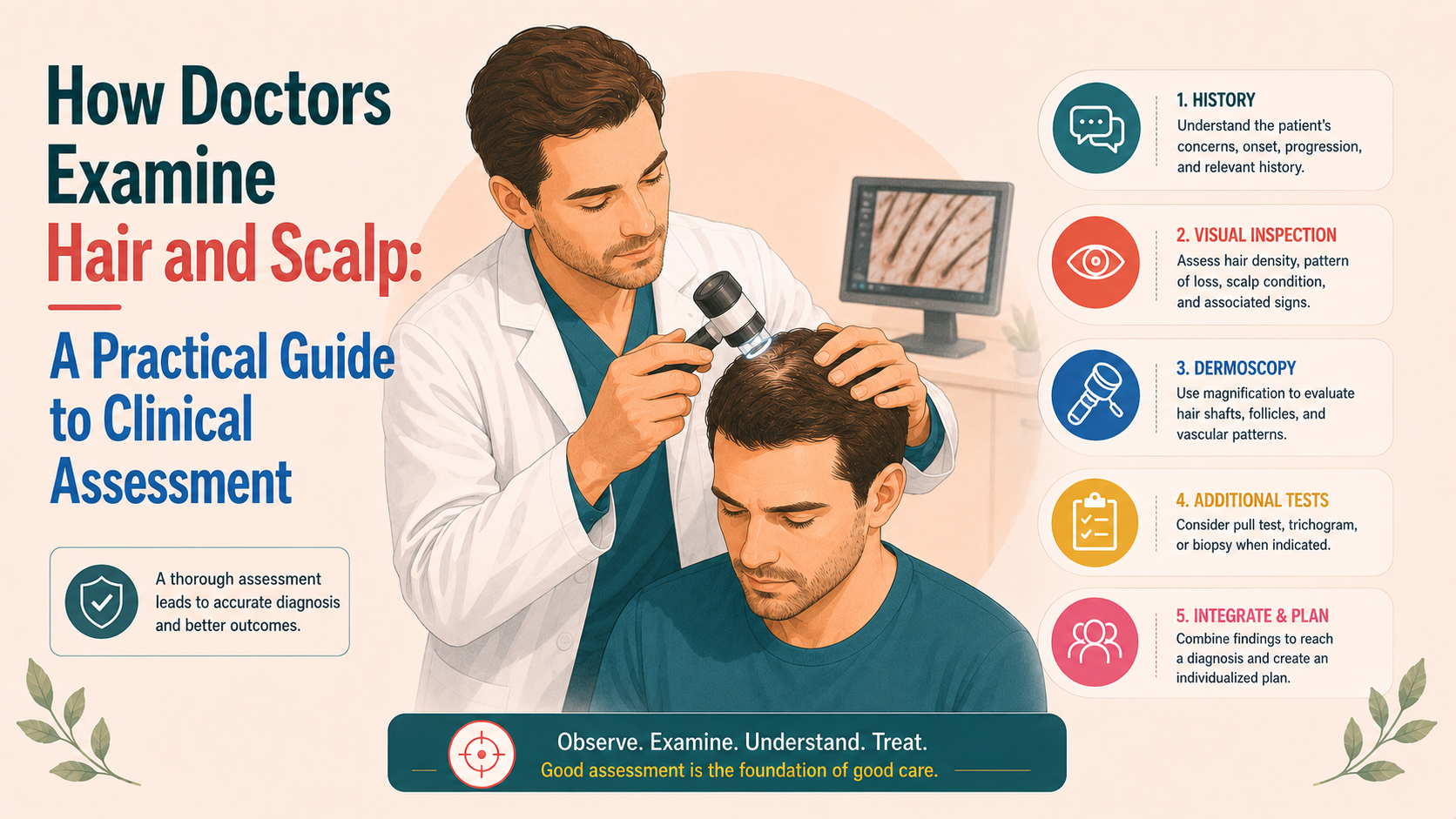
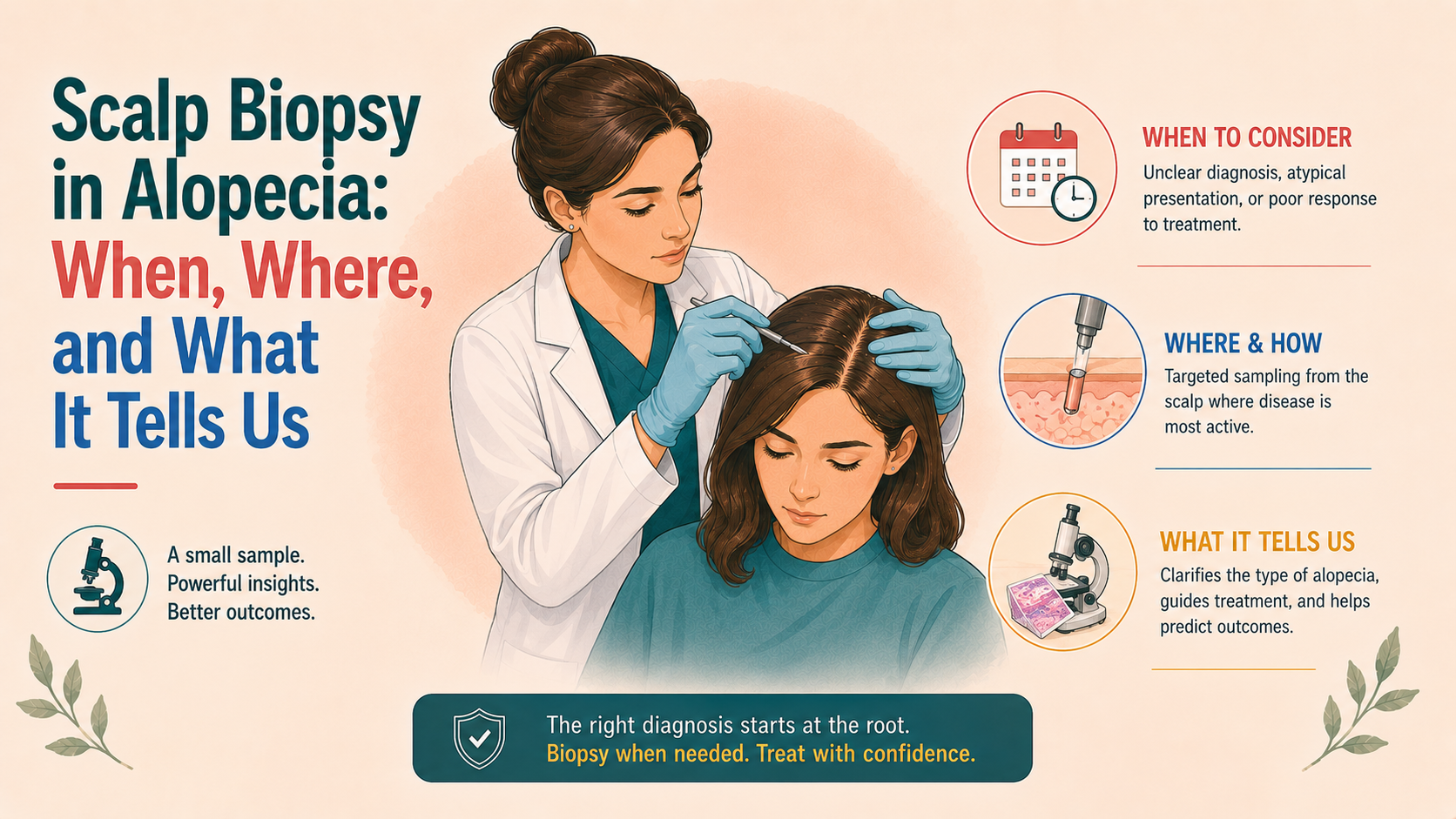
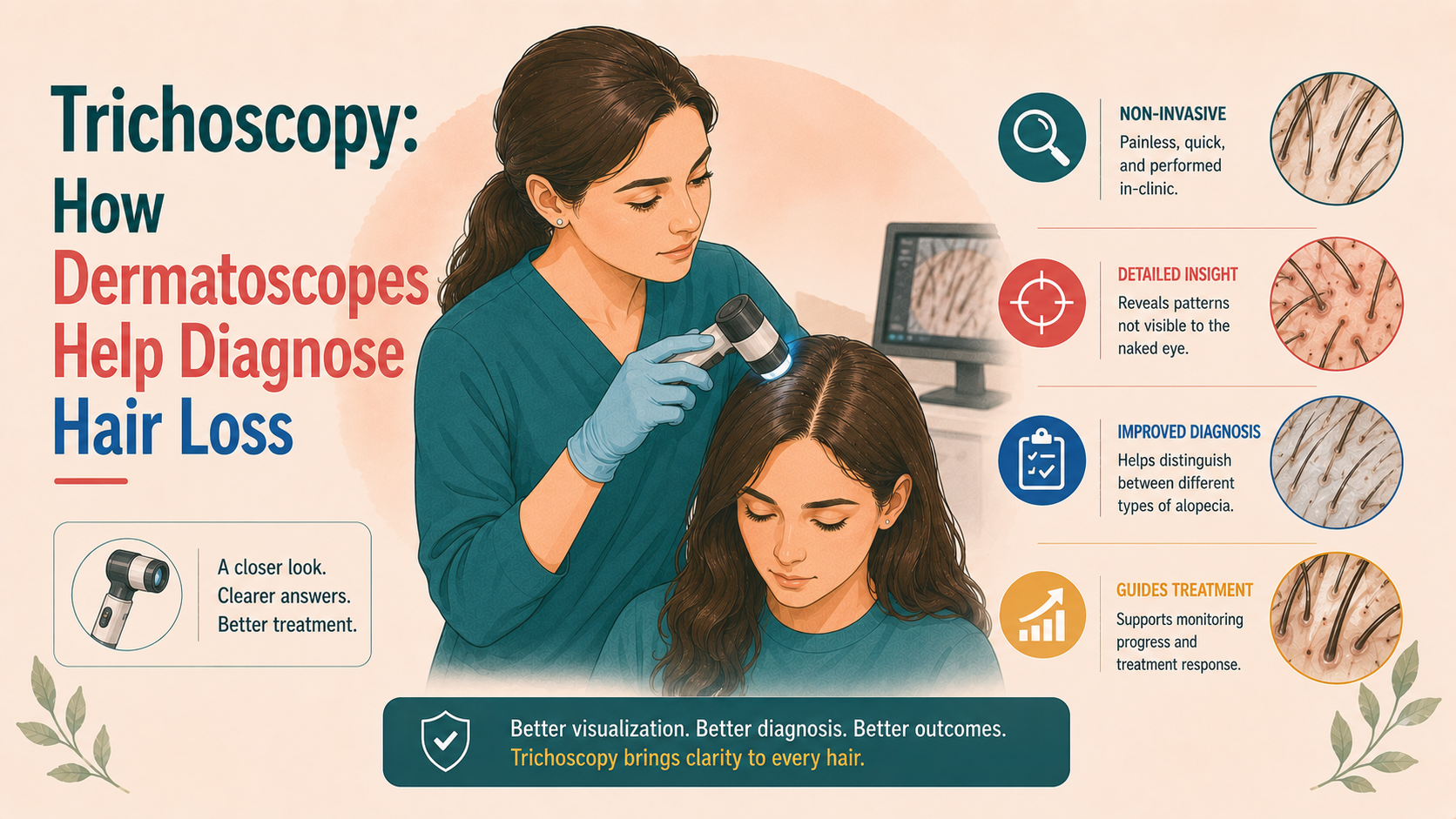
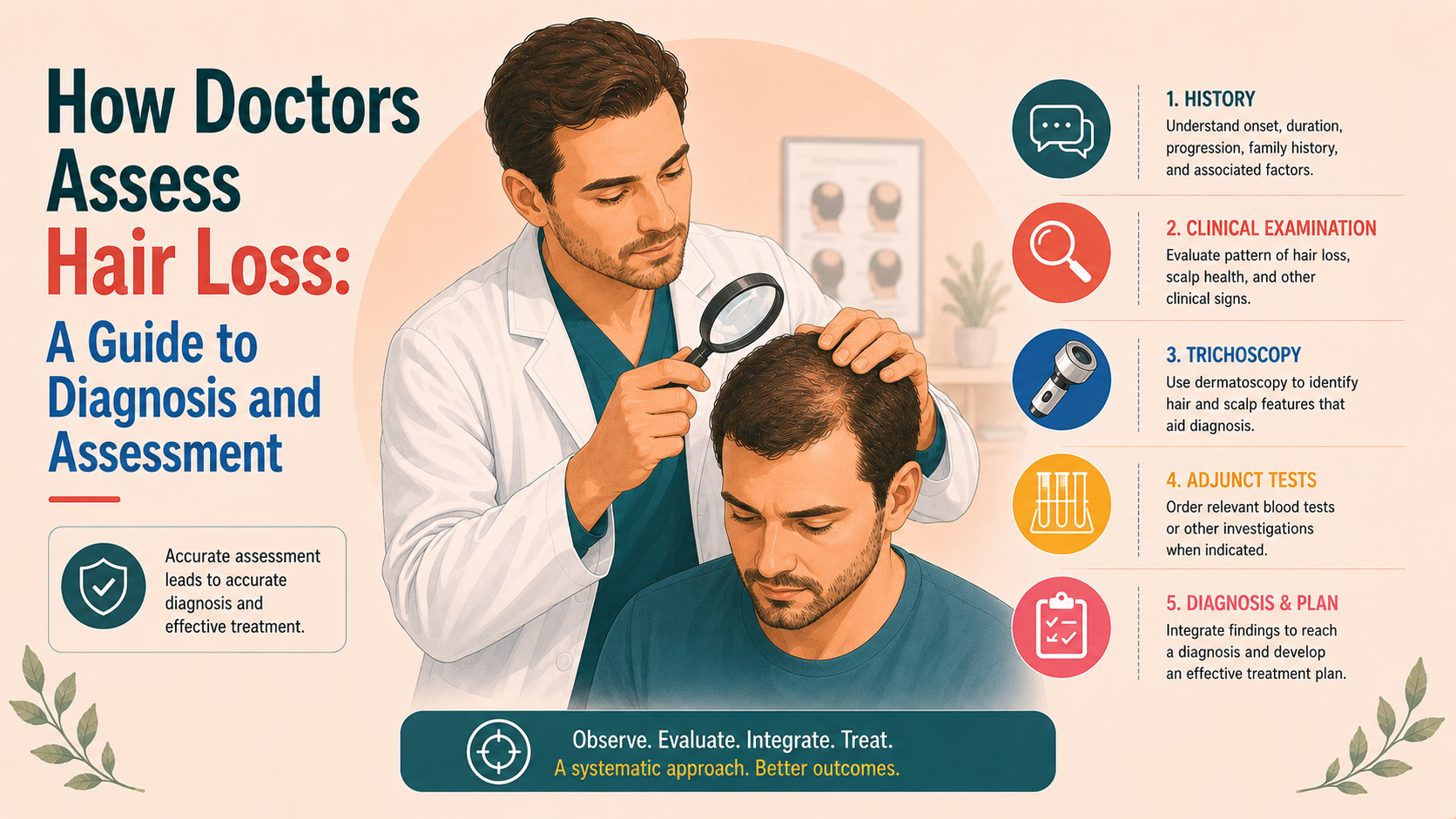
The key message is that not all hair loss in men is simply the same condition manifesting at different speeds. Good care begins with pattern recognition and, when needed, dermoscopy and biopsy to confirm which of these processes are present.

Read More from the Knowledge Hub:

Treatment

5α-Reductase Inhibitors for Hair Loss: Finasteride and Dutasteride Explained

Finasteride and dutasteride are the main drugs used to tackle the hormonal component of androgenetic alopecia. This article explains how they were discovered, how they work, what the evidence shows for men and women, topical versus oral options, and side effects (including the controversies).
Myths & Facts

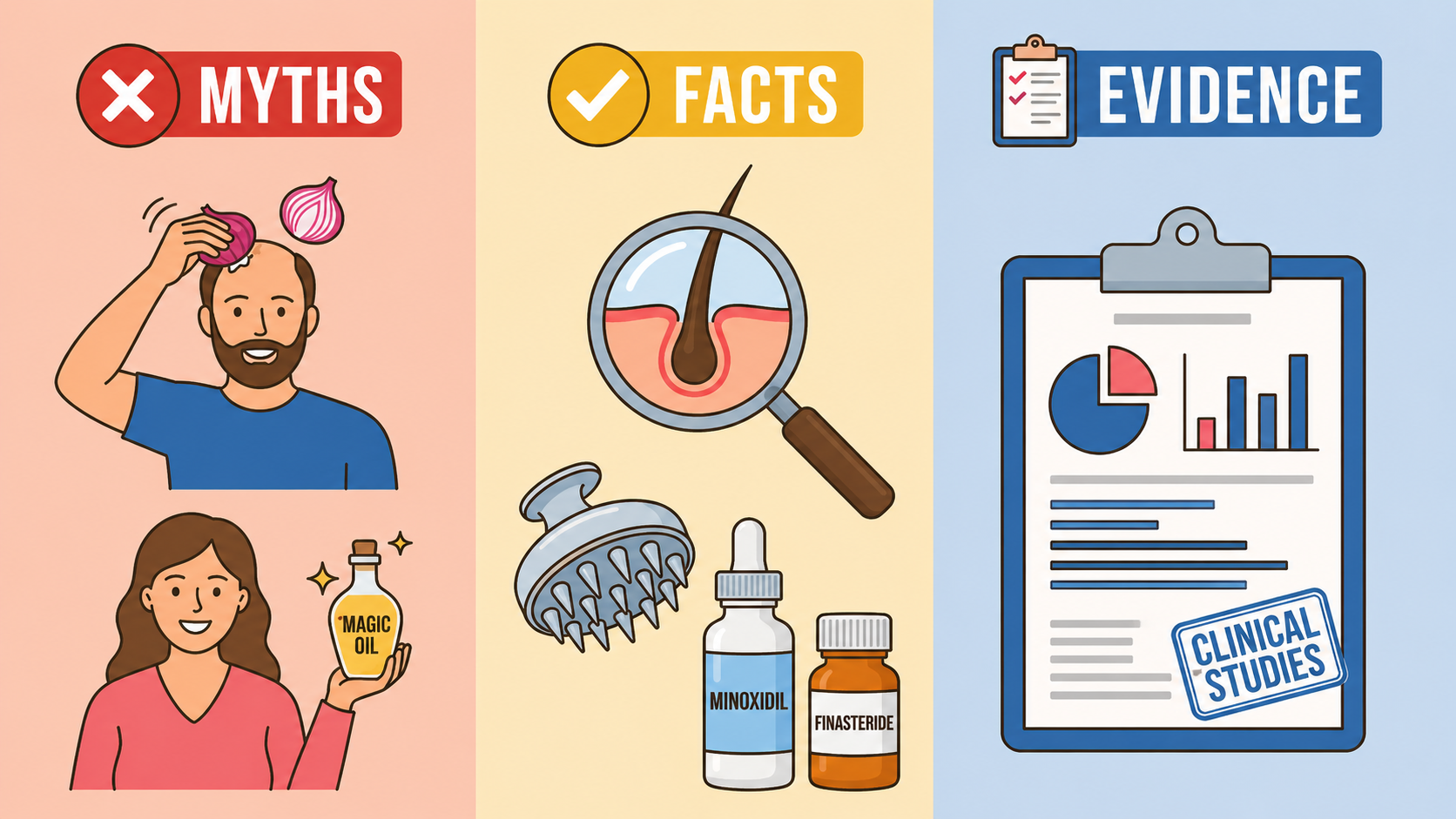
Treatments for Hair Loss: Myths, Facts and What the Evidence Supports

Hair loss treatments attract strong opinions. Some people are convinced “nothing works”; others believe a single product or procedure can fully restore their hair. This article reviews common myths about treatments – from minoxidil and 5α-reductase inhibitors to low-dose oral minoxidil, PRP, laser devices and surgery – and summarises what reasonably good evidence actually shows.
Myths & Facts

Hormones and Hair Loss: Myths, Facts and How to Think About Them

Hormones are central to certain forms of hair loss, particularly androgenetic alopecia and thyroid-related shedding. That does not mean every hair problem is hormonal, nor that a normal blood test rules out hormone involvement. This article reviews common hormone-related myths about hair loss and summarises what current evidence actually supports.
Myths & Facts

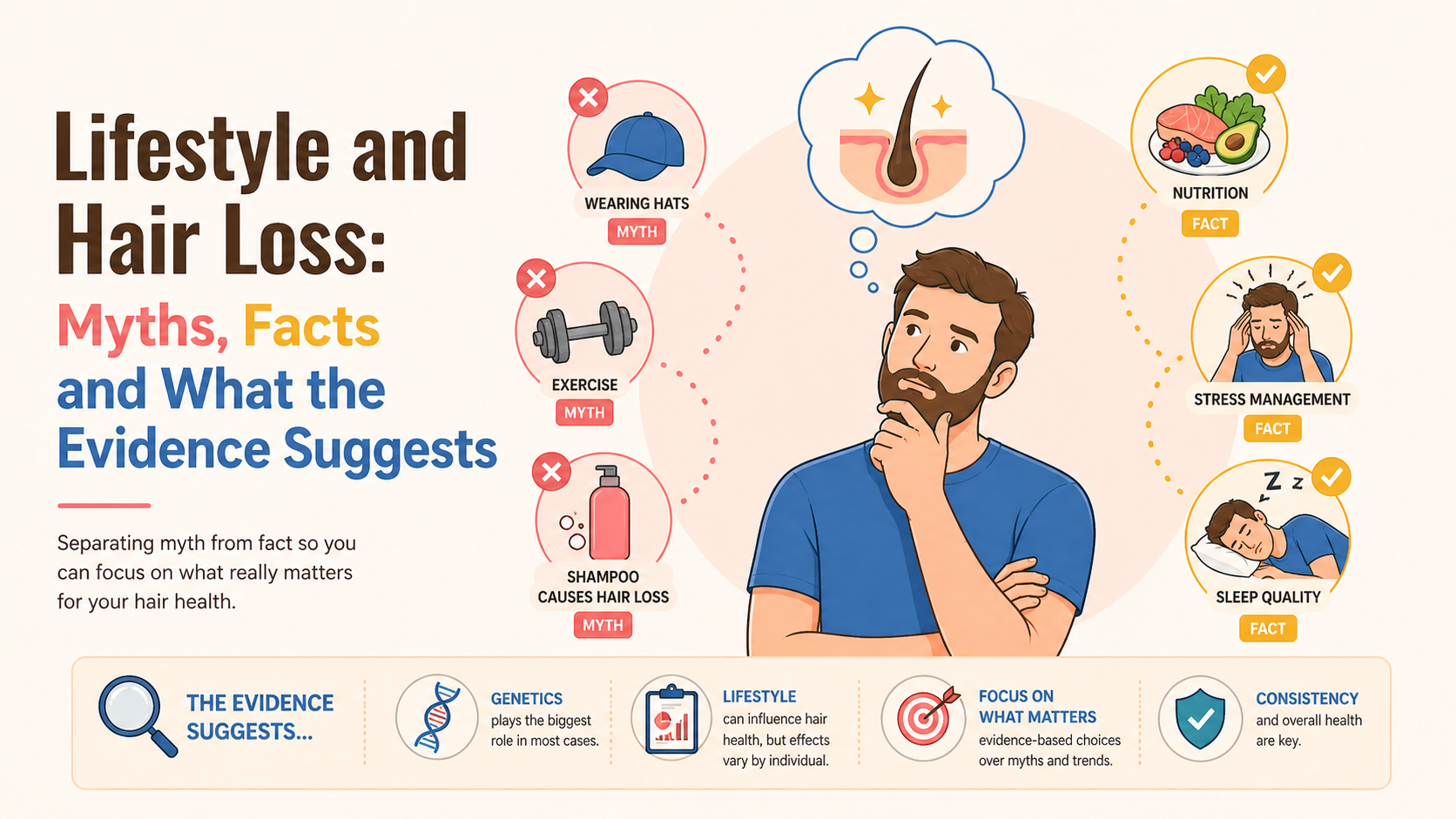
Lifestyle and Hair Loss: Myths, Facts and What the Evidence Suggests

Lifestyle choices can influence hair health, but not always with the severity people assume. This article reviews common lifestyle-related myths about hair loss – smoking, alcohol, stress, washing, hats, diet and tight hairstyles – and summarises what current evidence actually supports.