Treatment for women starts with the diagnosis. A practical guide to minoxidil, prescription alternatives, shedding, procedures and choosing a plan that fits your life.
![[headshot]](https://cdn.prod.website-files.com/68207da82e5b8c350c67932f/68c6a7436a552c0fe87a4da7_Screenshot%202024-11-27%20at%2011.38.11.png)
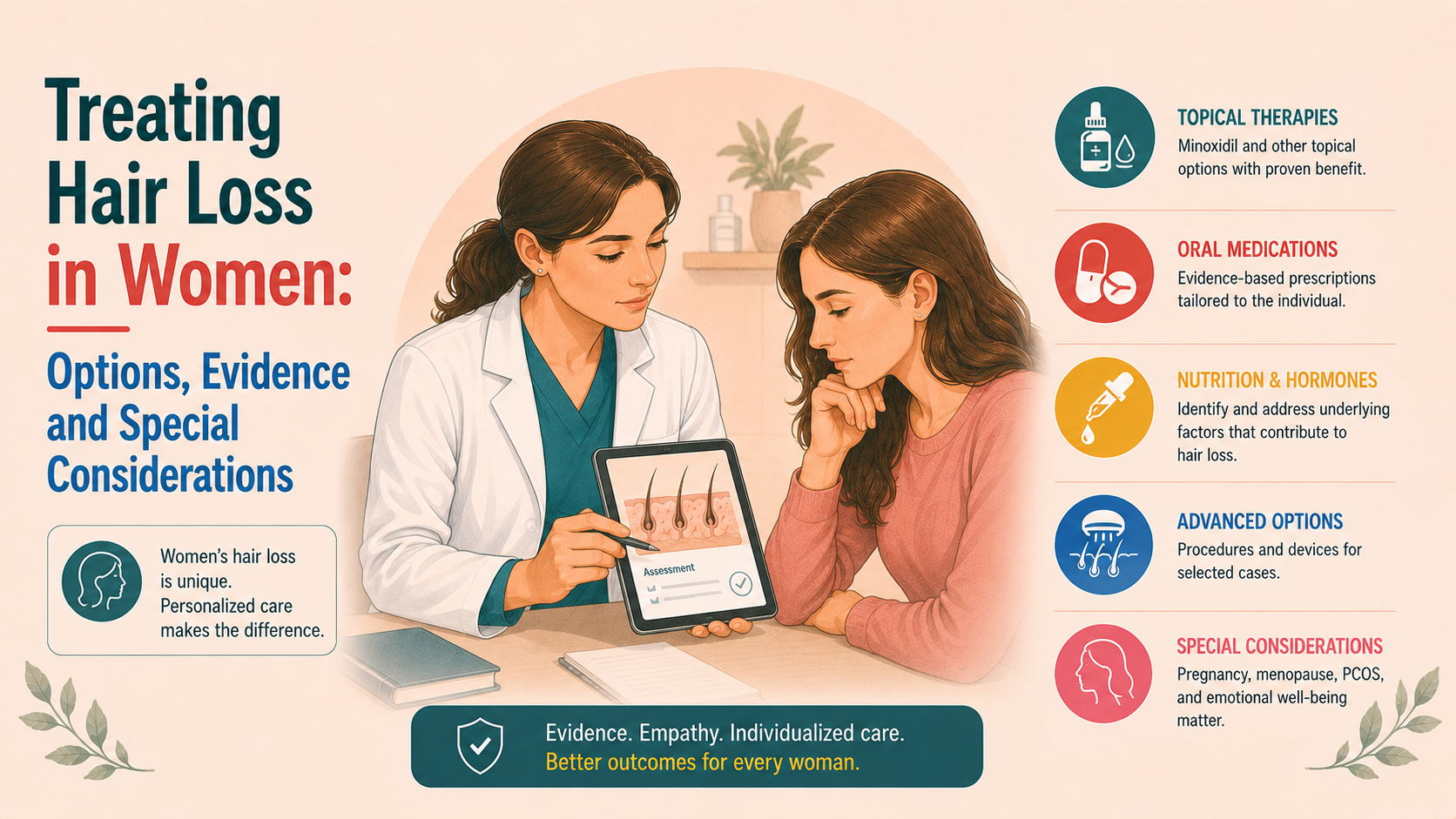
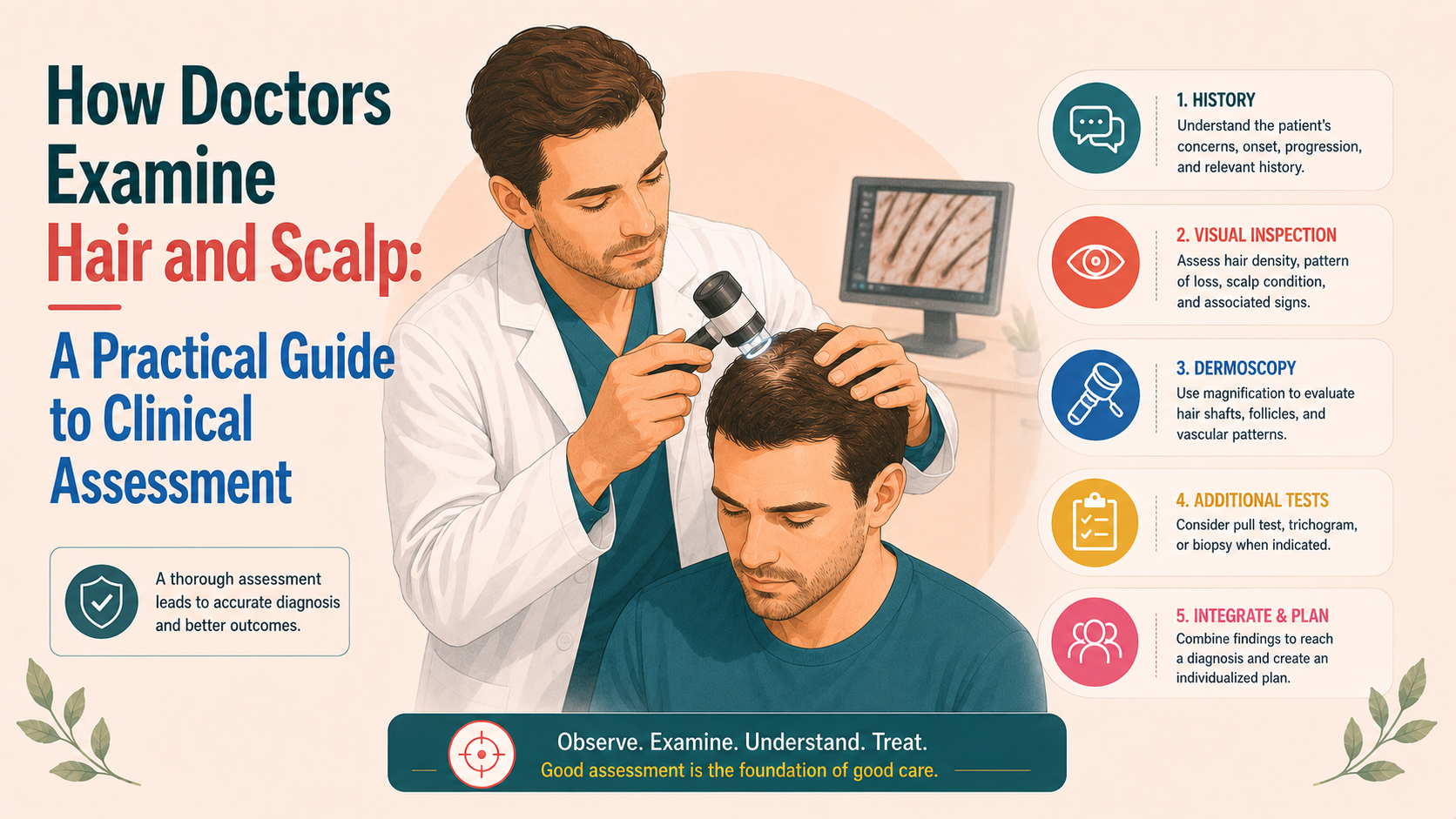
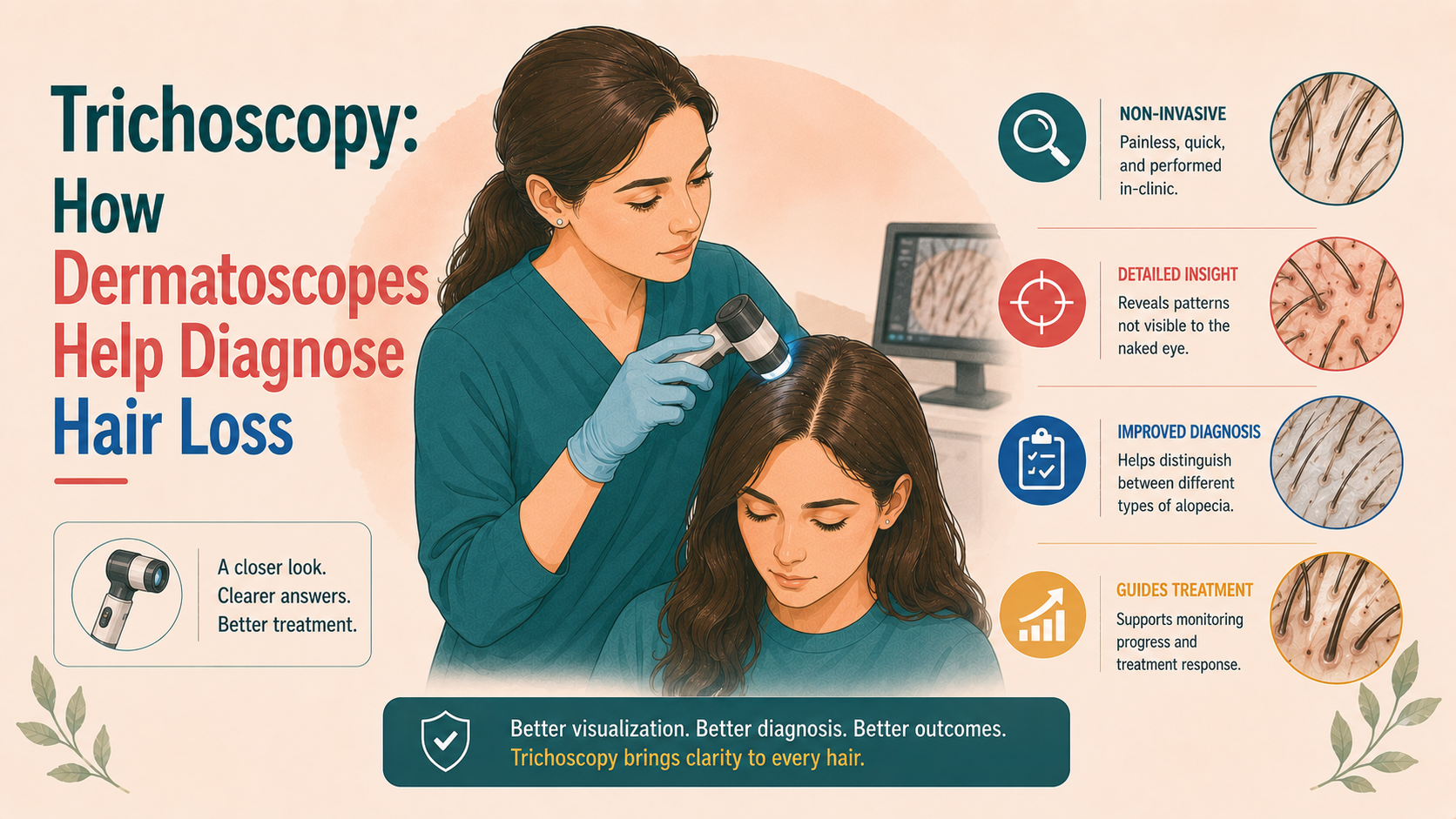
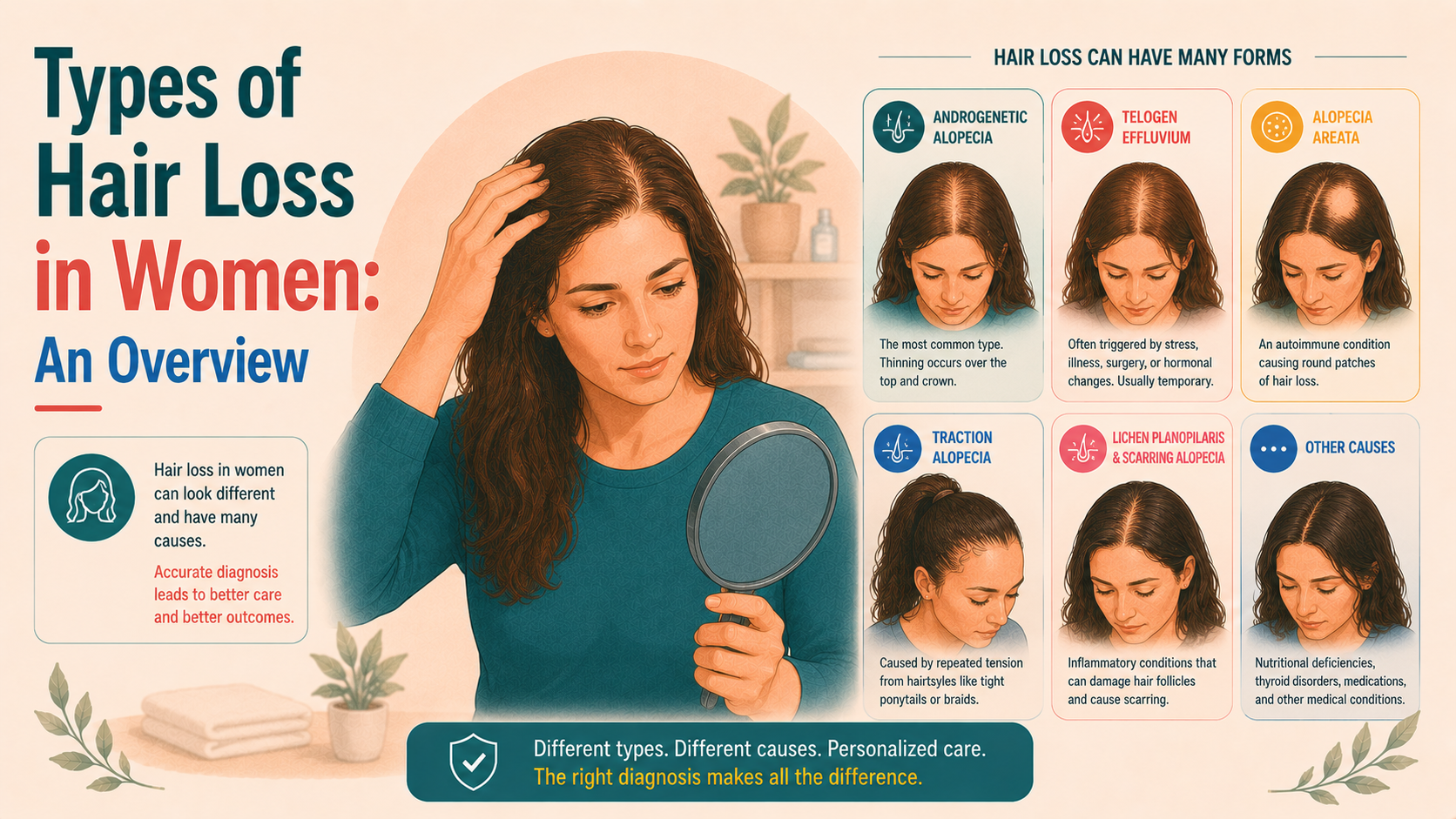
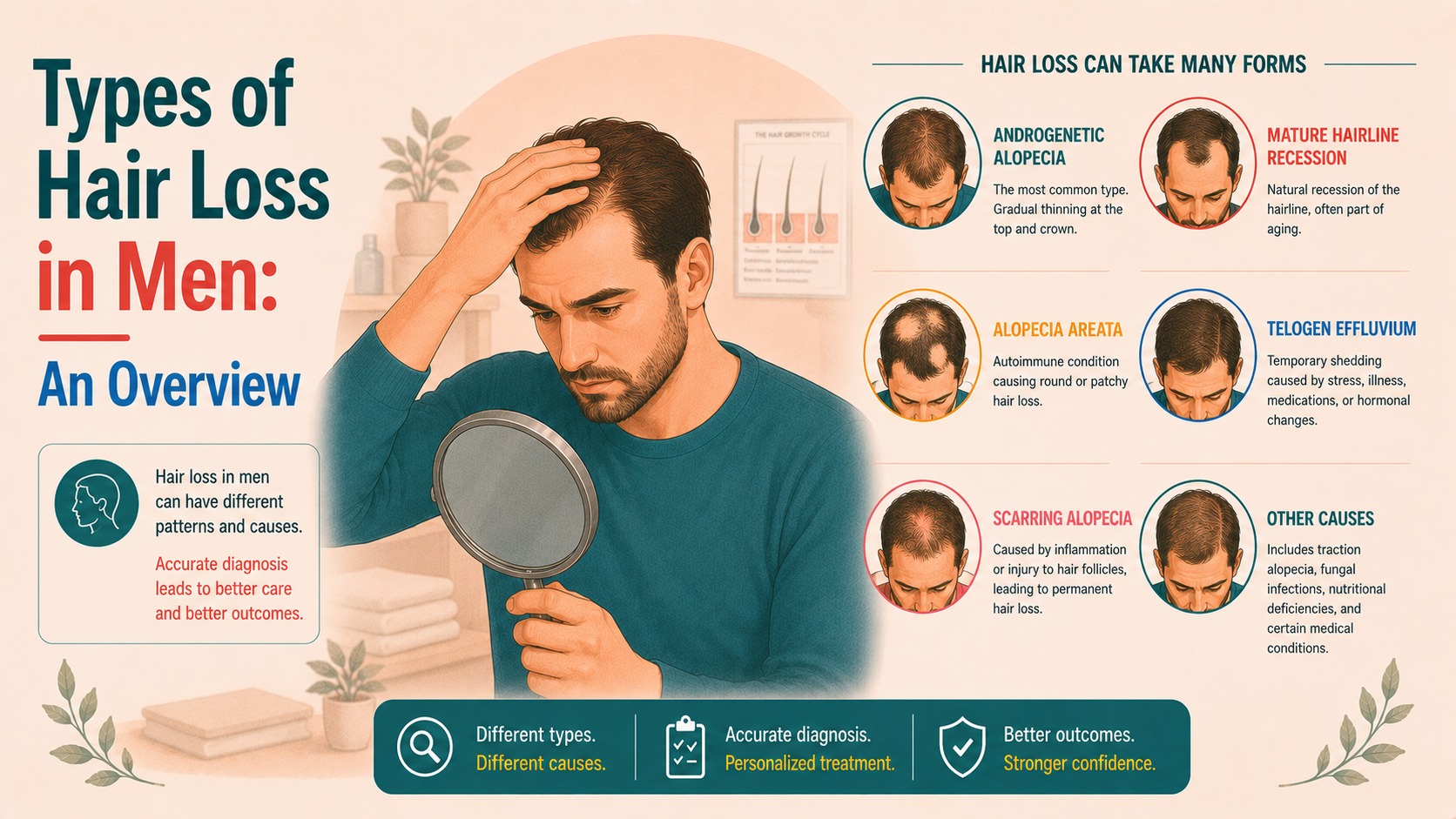
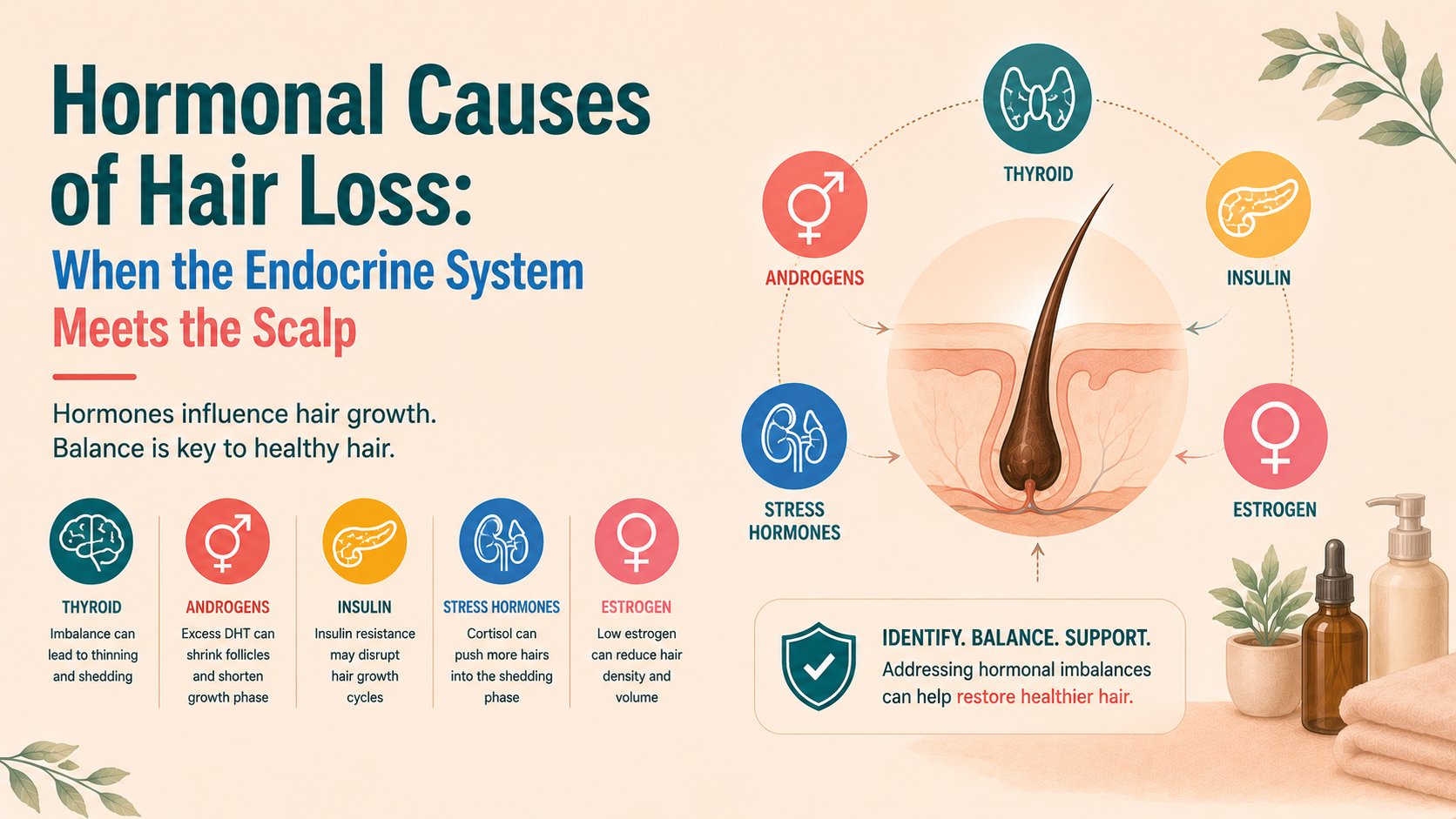
Being told that women’s hair loss is “hormonal” does not tell you what to do about it. Before choosing a treatment, establish whether the problem is pattern loss, increased shedding, inflammation, traction or a combination.
For female pattern hair loss, success may mean keeping more of the hair you have, improving coverage, or slowing a change that previously felt relentless. Stabilisation counts. It is also reasonable to want more than reassurance, even if your thinning looks mild to someone else.
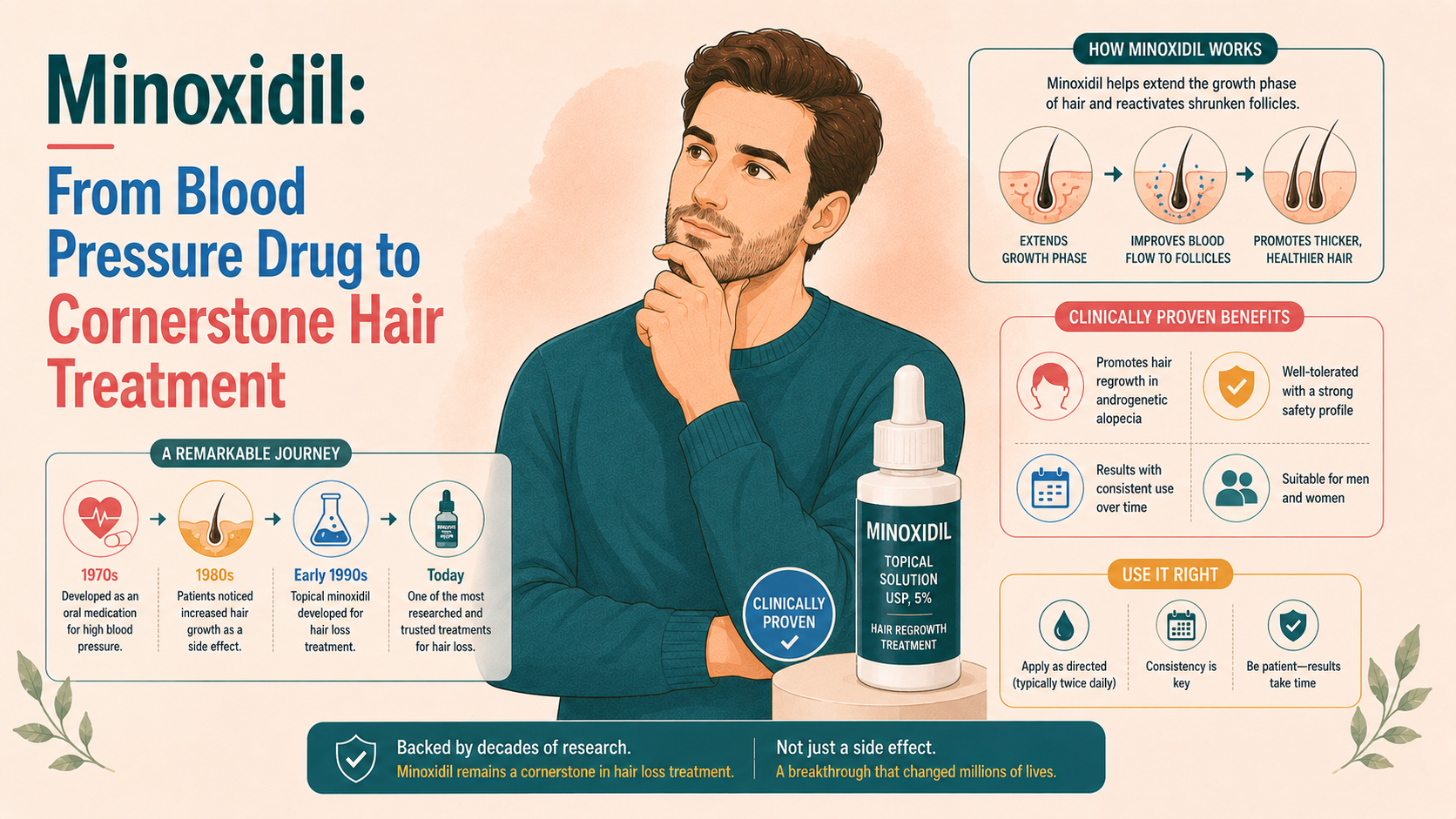
Minoxidil helps some follicles spend longer growing and produce thicker hair. Its effects are more complicated than simply increasing scalp blood flow. It does not correct every possible cause of hair loss.
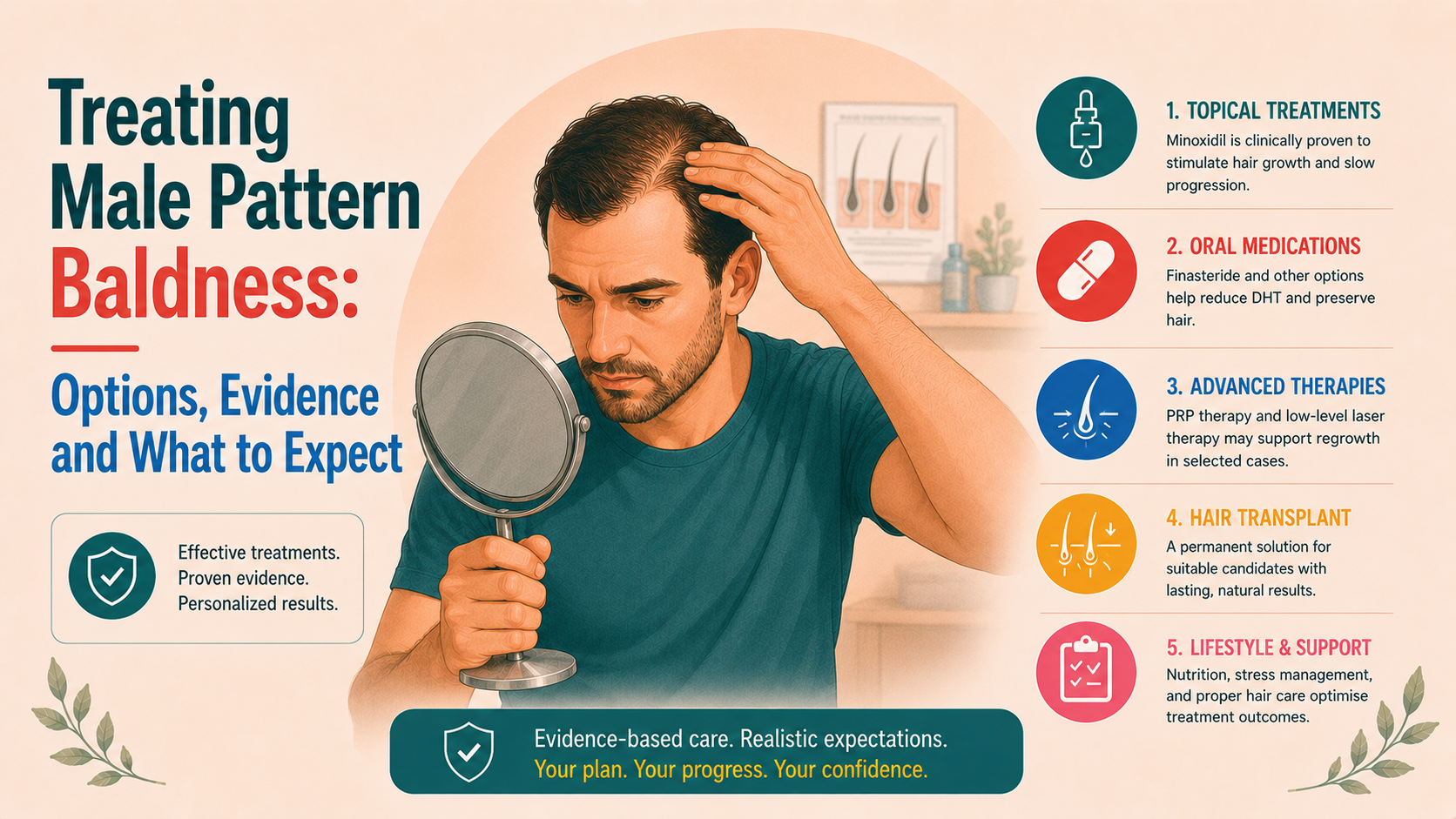
Topical minoxidil is a common first treatment for female pattern hair loss. The appropriate strength and schedule depend on the formulation and local product licence. Follow the product instructions or your clinician’s advice rather than assuming that applying more will work better.
Visible improvement takes months. An early shed can happen, but it does not prove the treatment is working, and persistent or severe shedding should be reviewed. Scalp irritation and unwanted facial hair are possible. Continuing treatment is usually necessary to retain its benefit.
Apply it to the scalp, wash your hands and prevent transfer to children or pets. Minoxidil can be seriously toxic to animals, particularly cats. It should not be used during pregnancy; discuss breastfeeding and pregnancy plans with your clinician before treatment.
A tablet may be worth discussing when topical treatment is poorly tolerated or difficult to use consistently. Low-dose oral minoxidil is prescribed off-label for hair loss in many countries, meaning this use is outside its formal licence.
It is not simply a stronger version with no practical downside. Unwanted facial or body hair, fluid retention, dizziness and palpitations can occur. Rare serious cardiovascular problems are also possible. Blood pressure, heart and kidney history, other medicines and monitoring needs should be considered by the prescriber. Pregnancy and breastfeeding require particular caution.
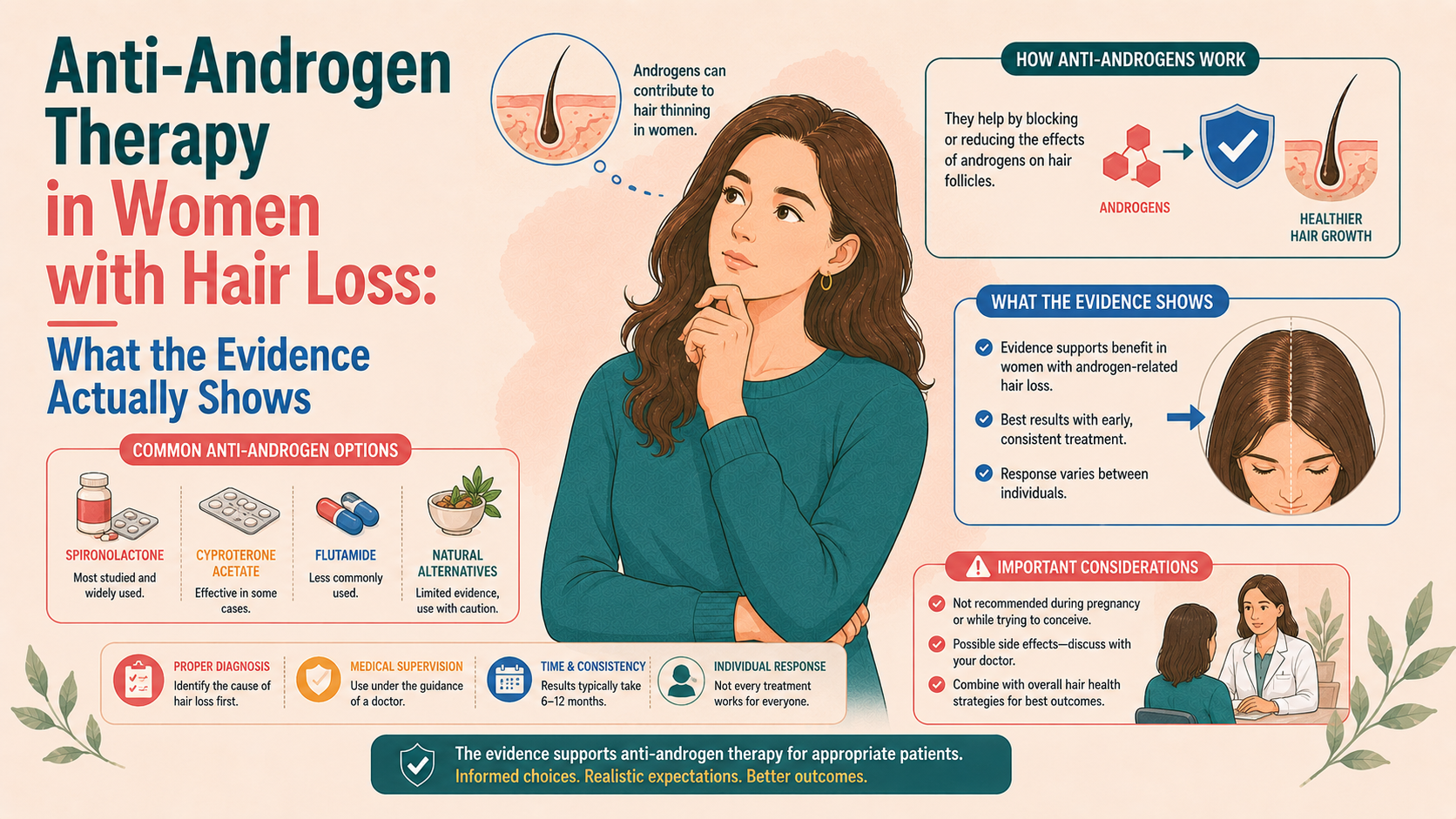
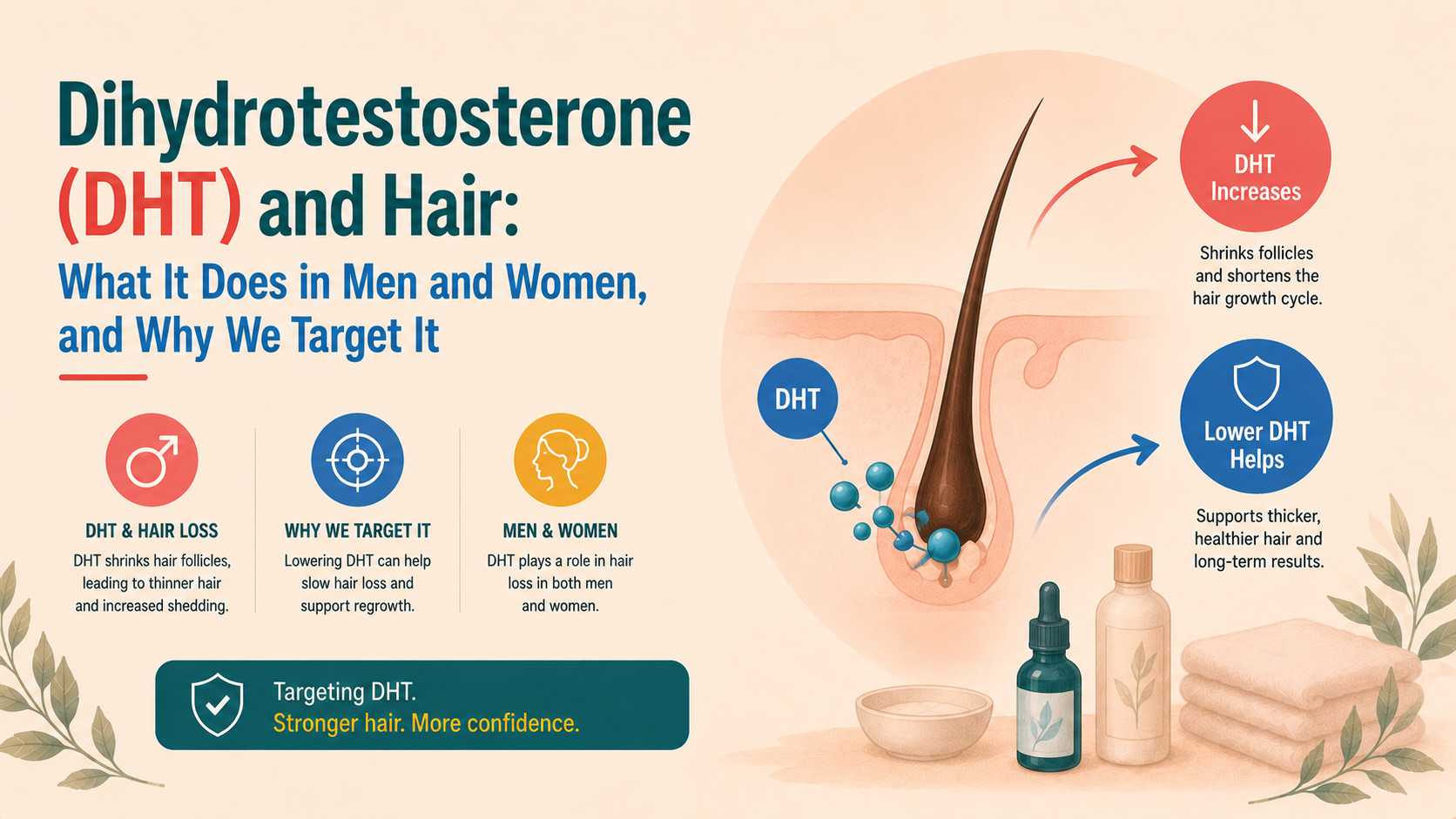
Spironolactone is commonly used off-label for female pattern hair loss, sometimes alongside minoxidil. Evidence supports a possible benefit, but it is less extensive than the evidence for topical minoxidil. It may be considered even when blood androgen levels are normal; the decision should follow a clinical assessment.
Possible effects include irregular periods, breast tenderness, increased urination and low blood pressure. Potassium and kidney function monitoring depend on individual risk and other medicines. It is unsuitable during pregnancy, so contraception and plans to conceive need discussing.
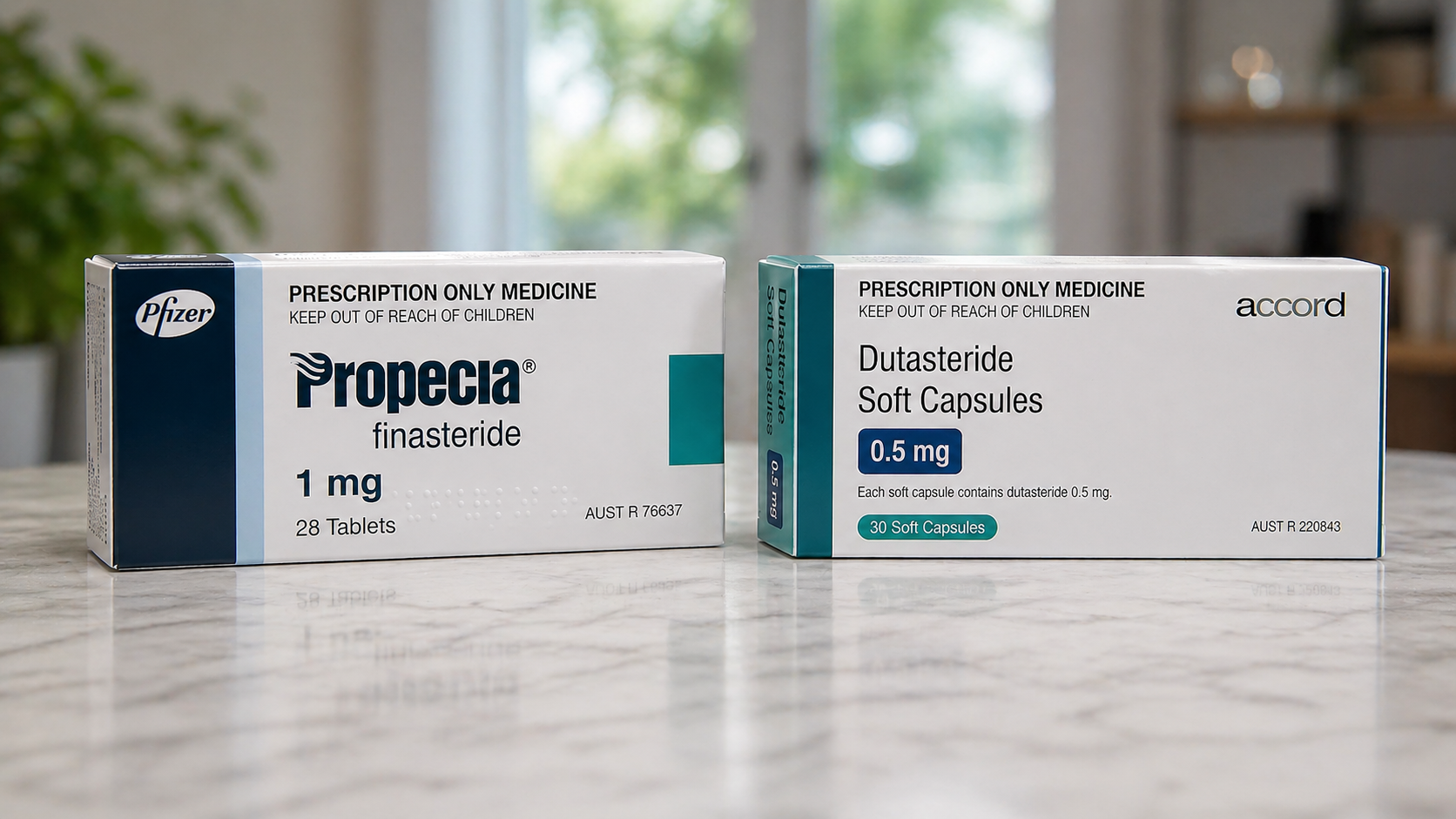
Finasteride and dutasteride are specialist options in selected women, with more limited evidence than in men. The standard 1 mg finasteride trial in postmenopausal women did not demonstrate benefit. Higher-dose reports do not remove the need for caution. These medicines must not be used during pregnancy, and topical formulations can still be absorbed.
Other anti-androgens have additional safety issues and should not be treated as interchangeable alternatives. The separate anti-androgen guide explains these decisions in more detail.
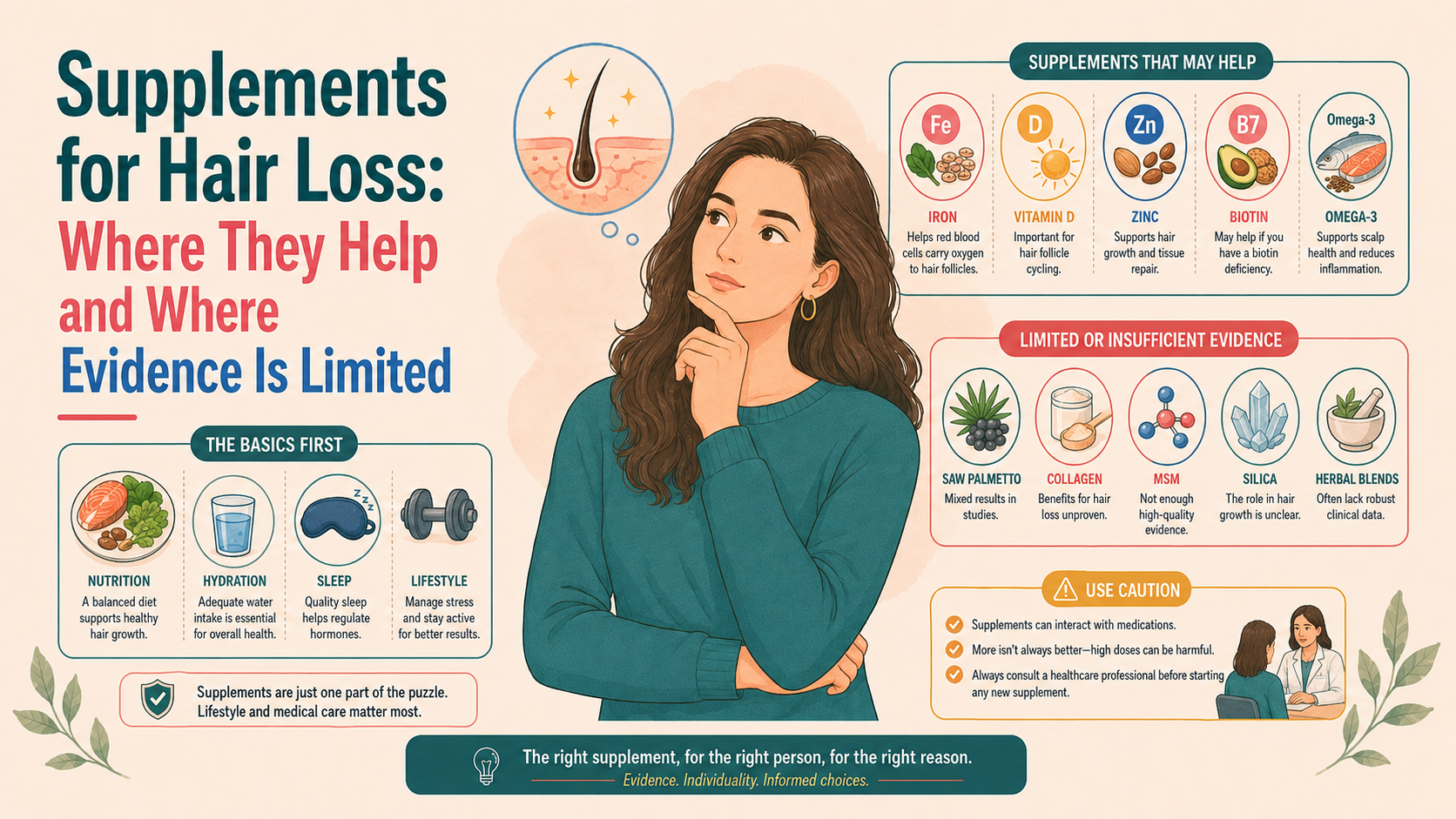
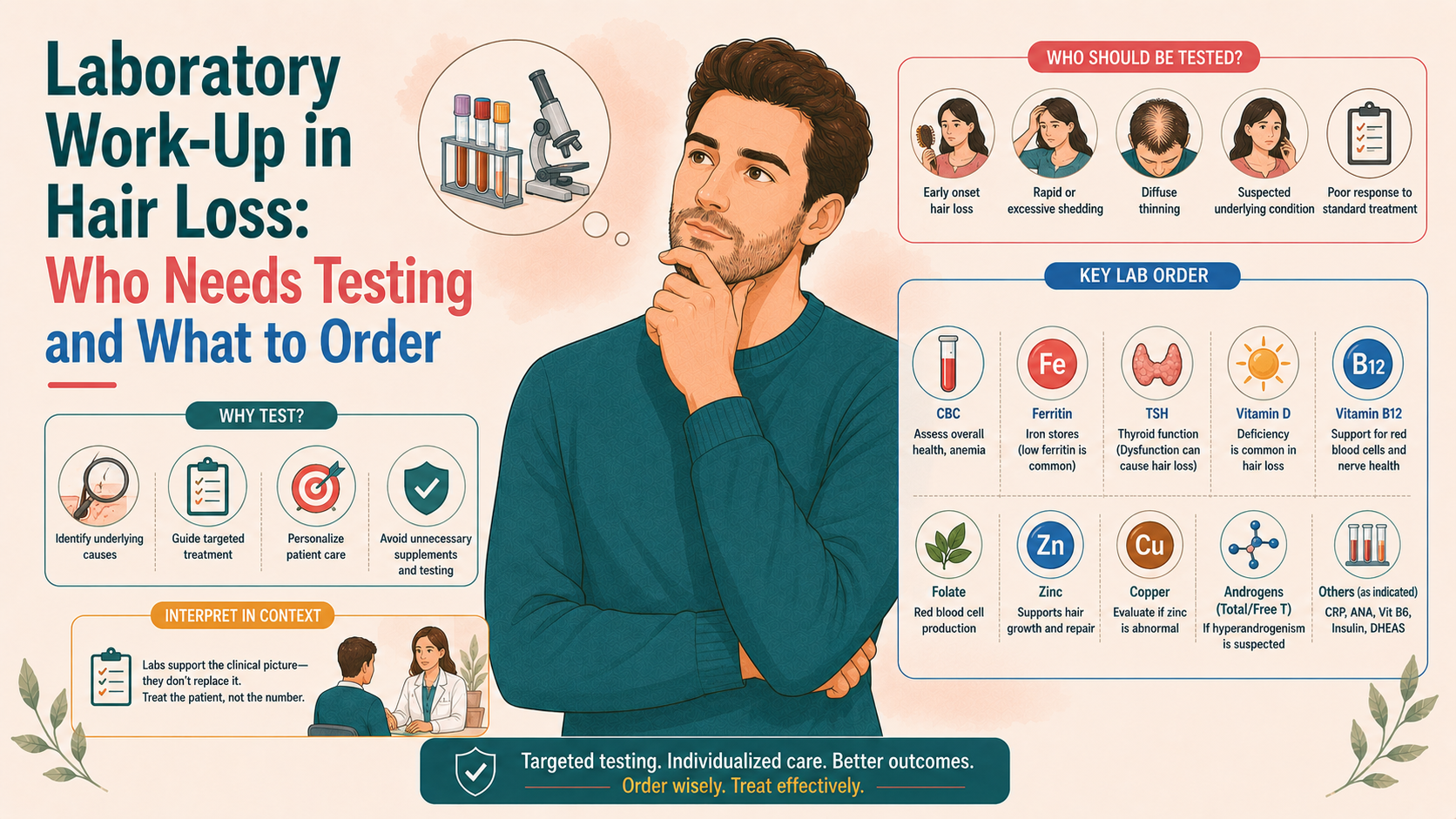
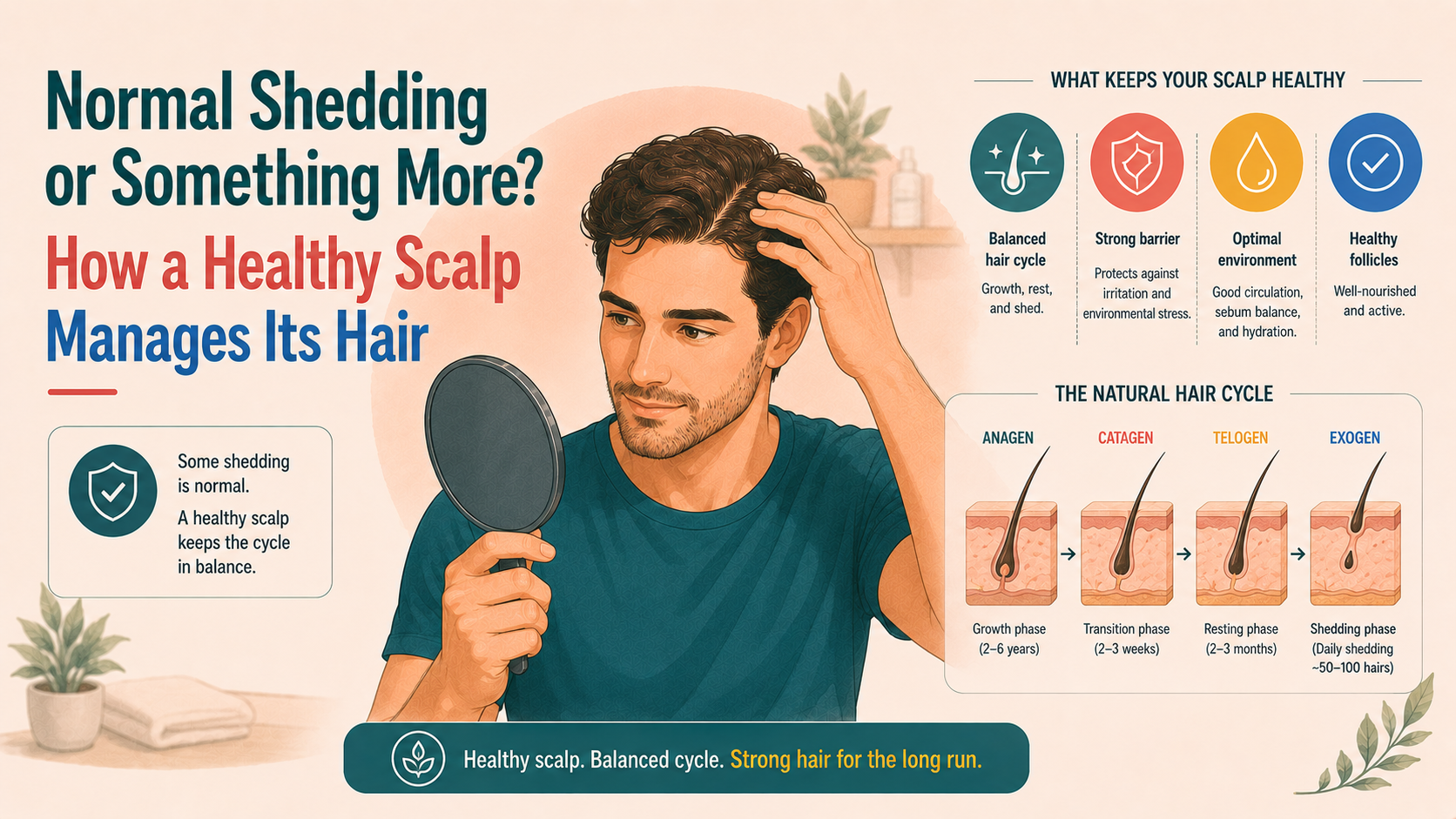
For telogen effluvium, the useful intervention is often identifying and addressing a trigger, such as iron deficiency, illness or inadequate food intake. Recovery takes time because the hair cycle cannot reset overnight. Supplements are useful when there is a reason to replace a nutrient, not automatically because hair is shedding.
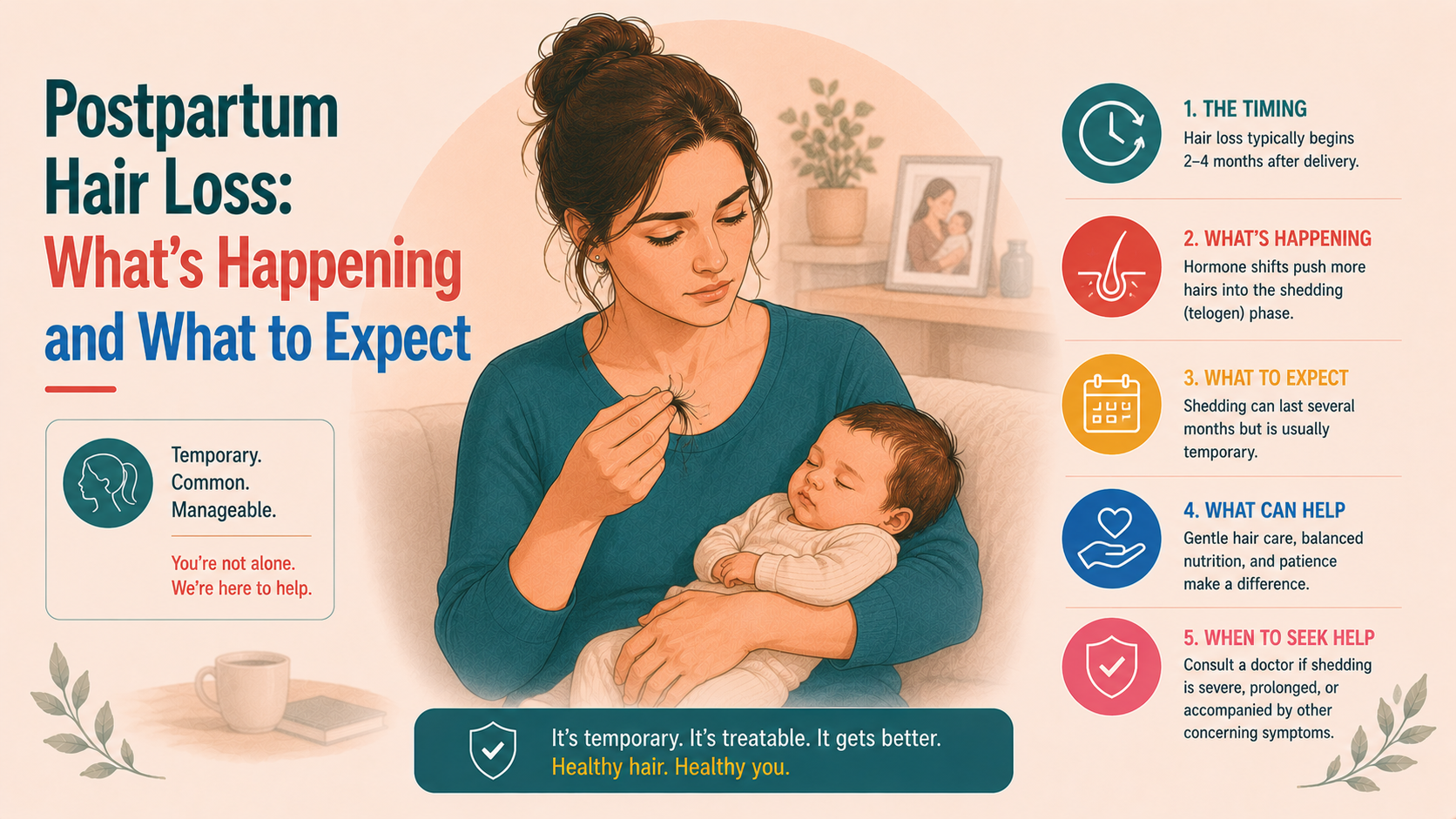
Postpartum shedding usually improves naturally. Do not start a hair-loss medicine during pregnancy or breastfeeding just because it helped someone online.
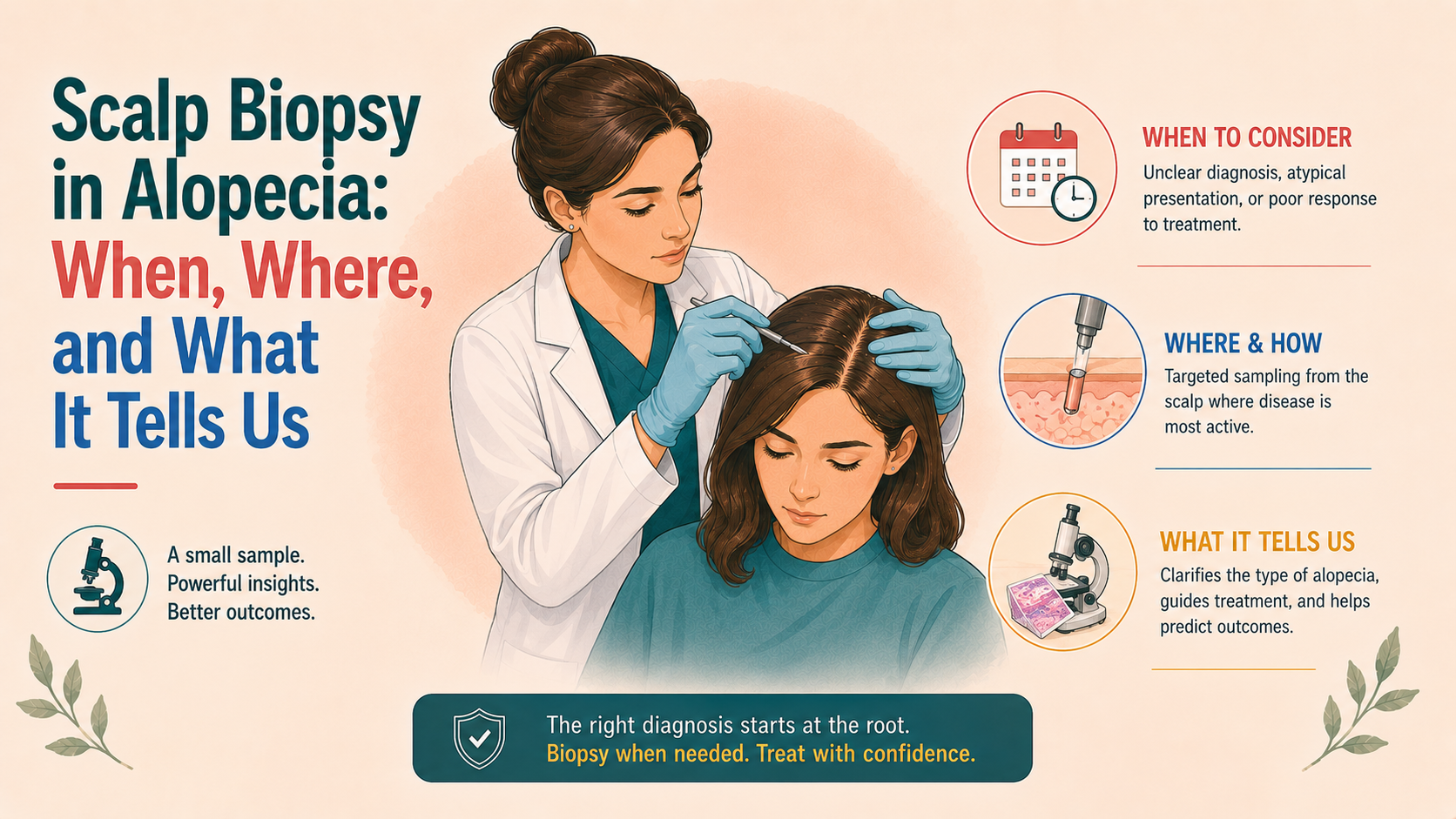
Scarring alopecias need prompt assessment and treatment directed at inflammation. Minoxidil alone cannot protect follicles from an untreated inflammatory process. The aim is usually to preserve remaining hair, rather than promise regrowth in areas that have scarred.
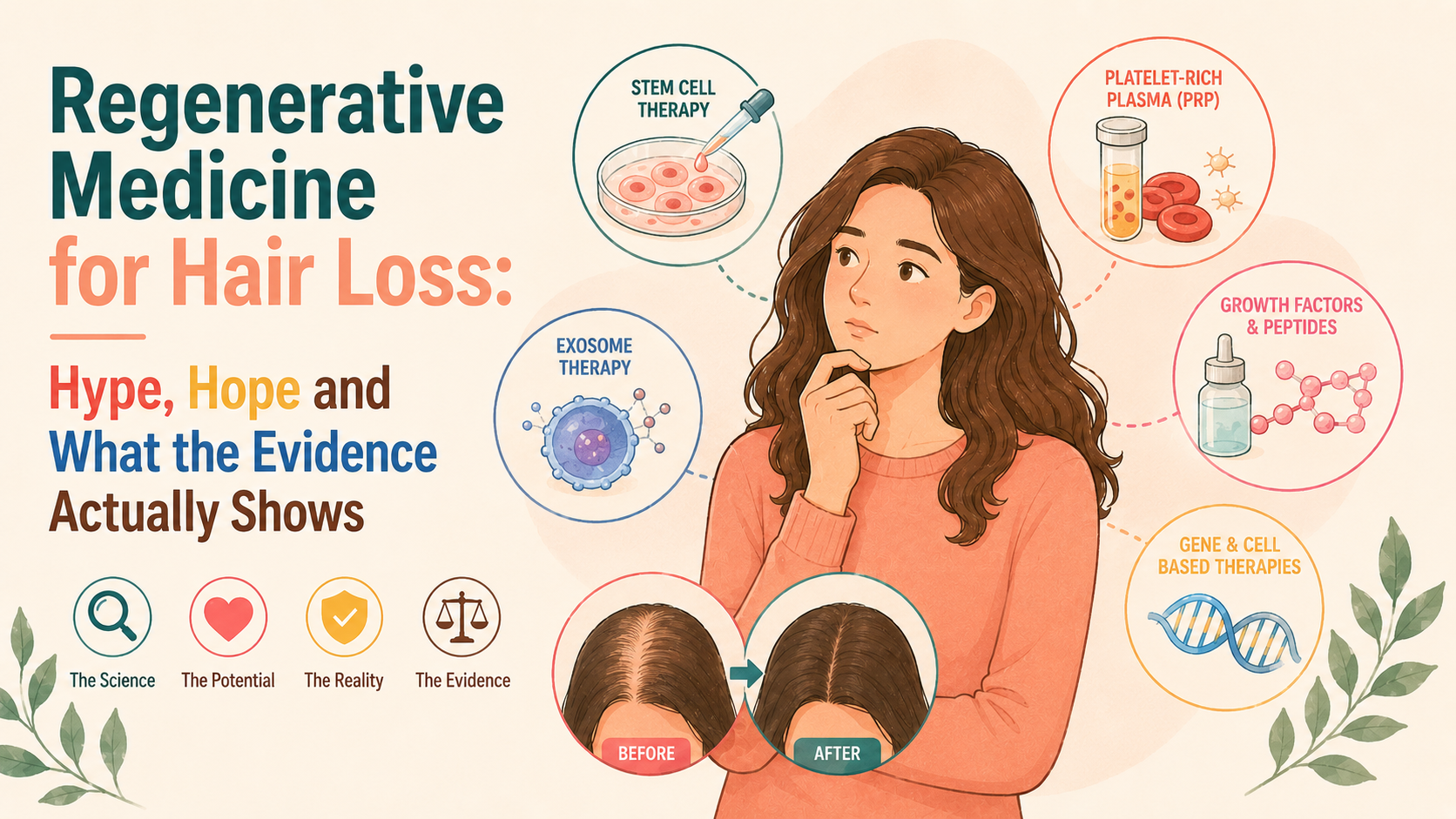
Platelet-rich plasma and low-level light devices have some supportive evidence, but protocols, cost and response vary. Microneedling studies are mixed, particularly when looking specifically at women. A 2026 trial found no added benefit from the low-depth schedules it tested alongside minoxidil. That is a reason to discuss uncertainty, not to assume deeper or more frequent needling is the answer.
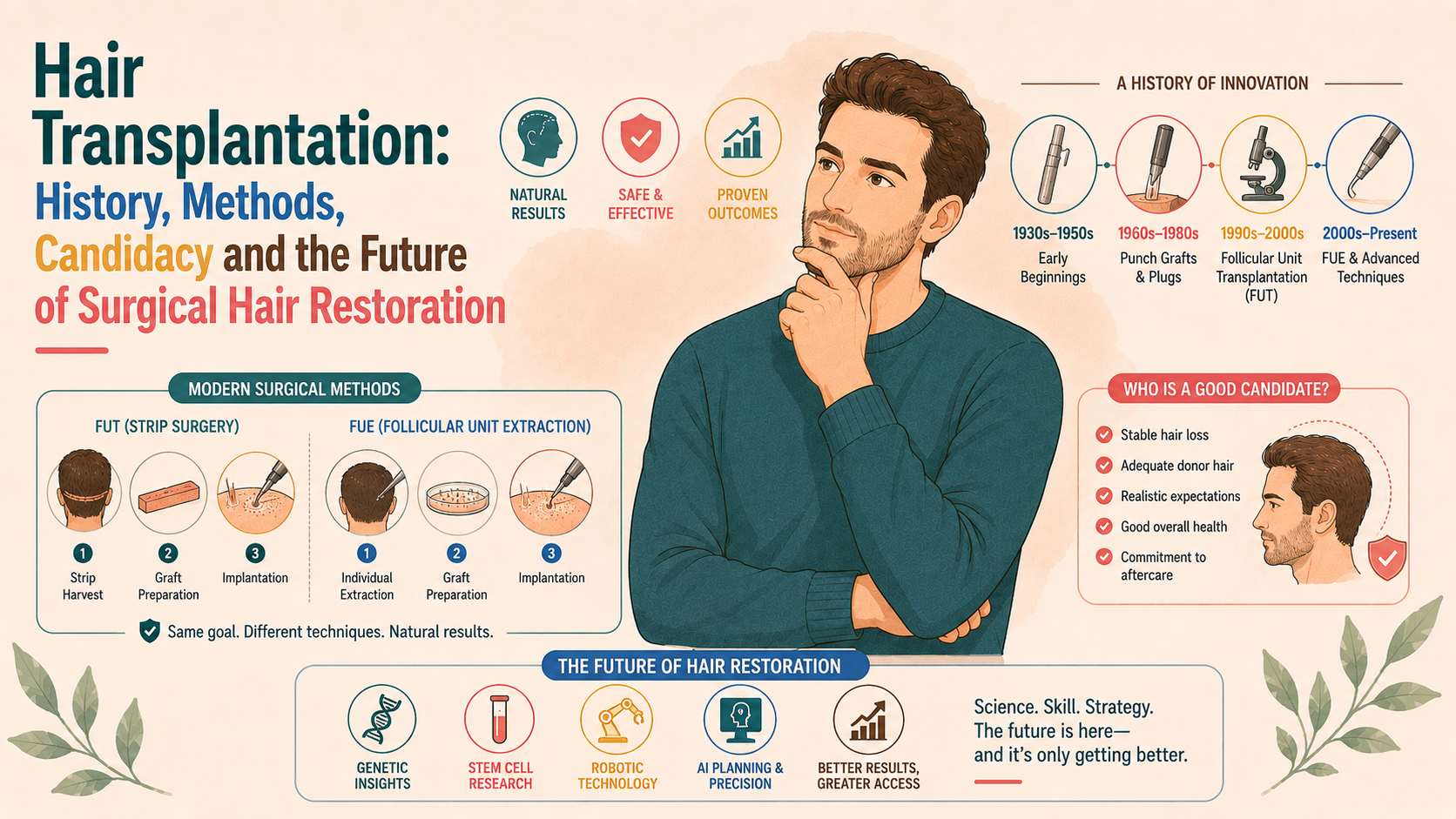
A transplant may suit some women with a healthy donor area and an appropriate diagnosis. Diffuse thinning can affect donor hair too, and active scarring disease makes surgery particularly problematic. A careful assessment matters more than the procedure being advertised.
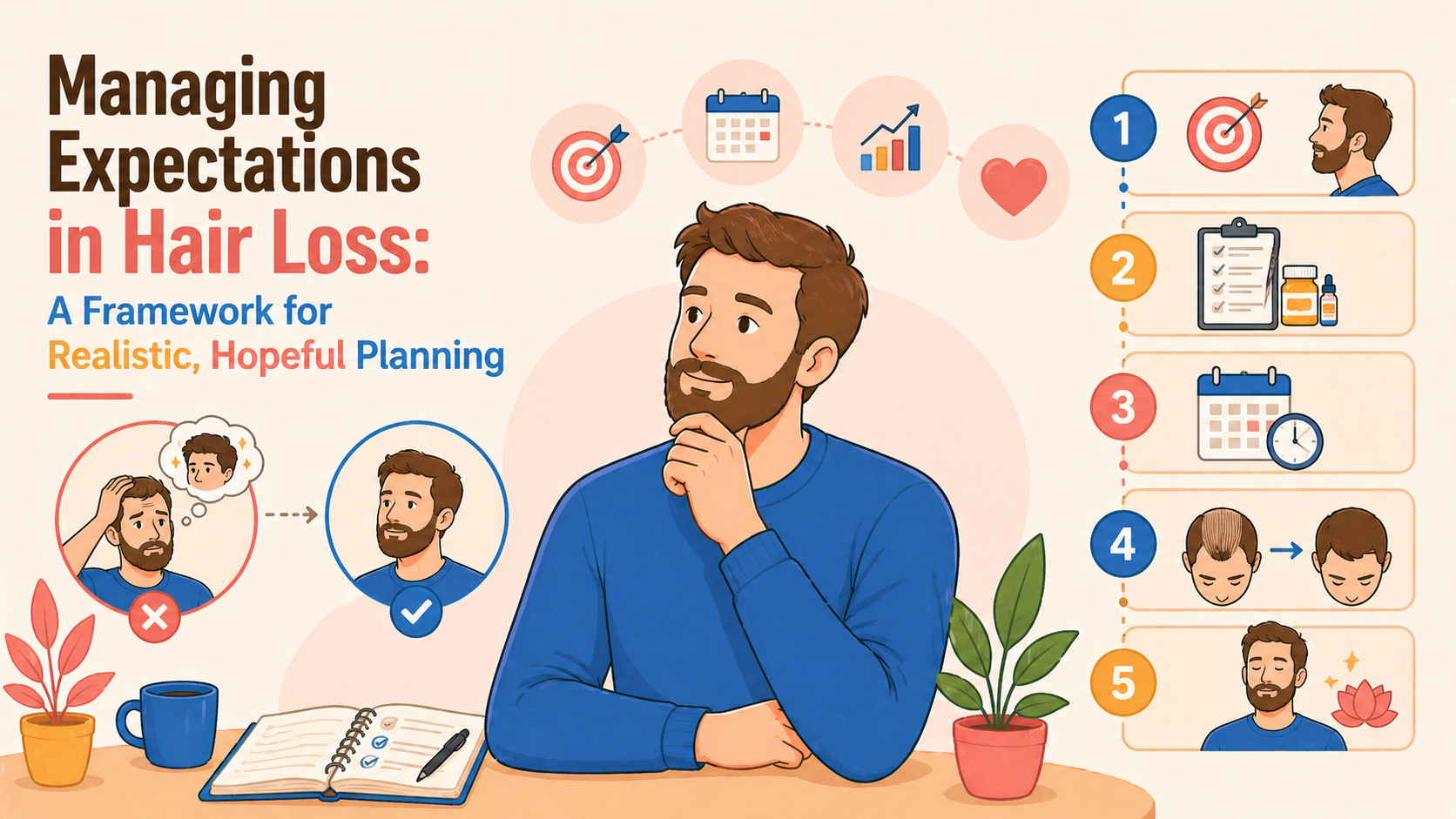
A useful plan explains what you are treating, the expected benefit, important risks and when to review progress. Consistent photographs several months apart are more informative than checking the parting repeatedly in different lighting.
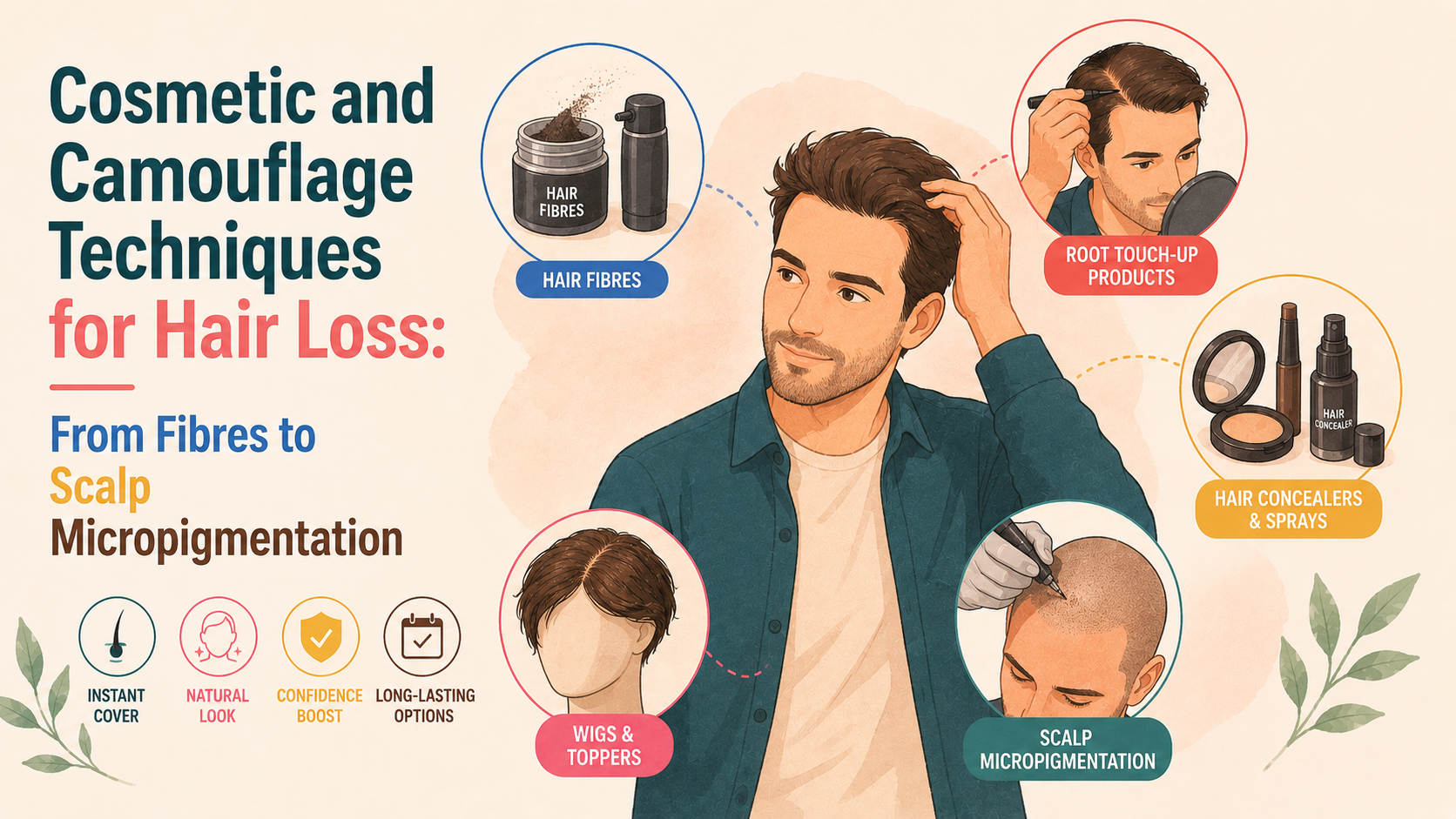
Camouflage, a topper or a wig can make daily life easier while medical treatment works, or be the main approach if that suits you. They are valid choices. The point of treatment is to give you more freedom, not to turn your hair into another full-time responsibility.