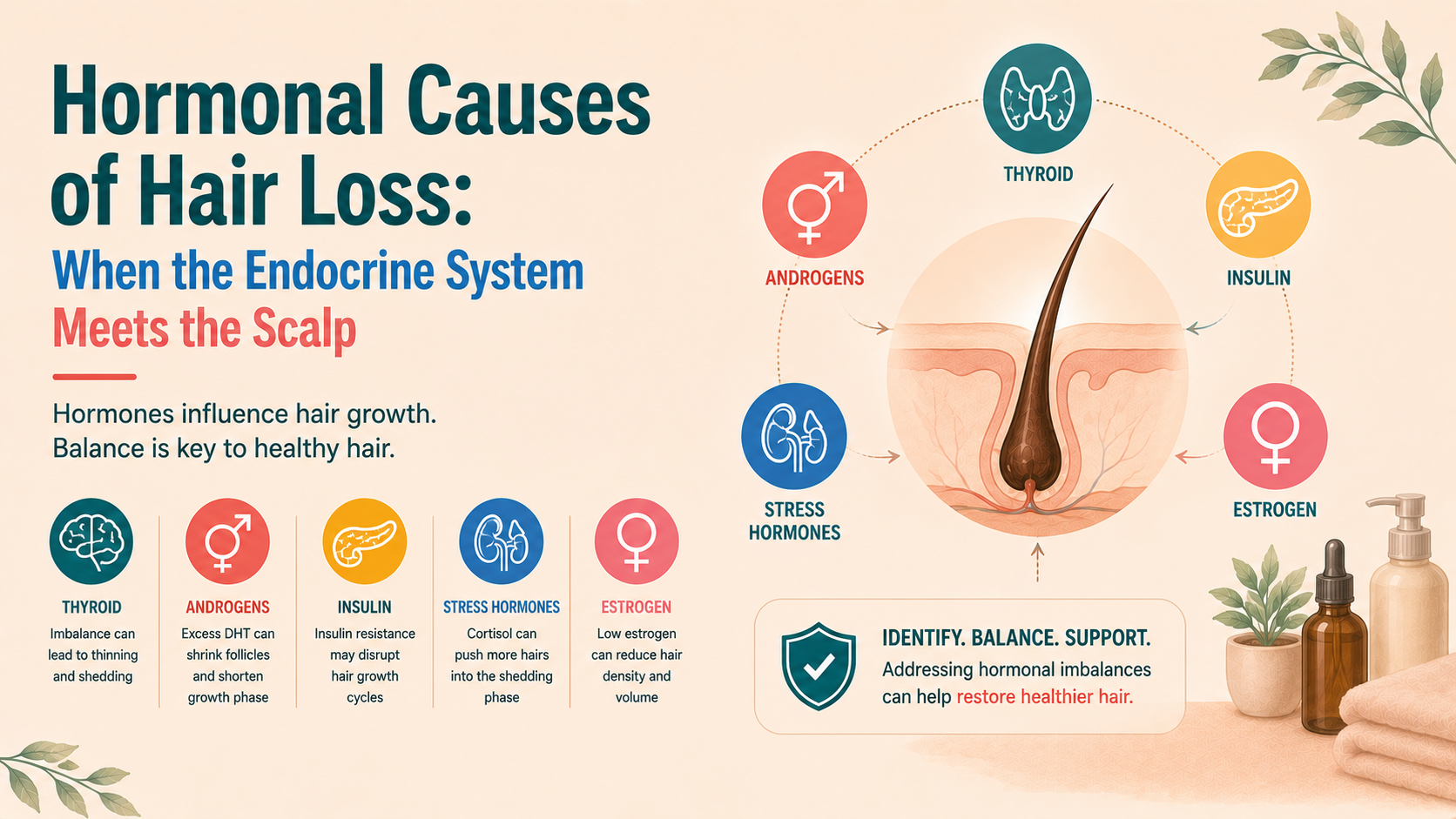
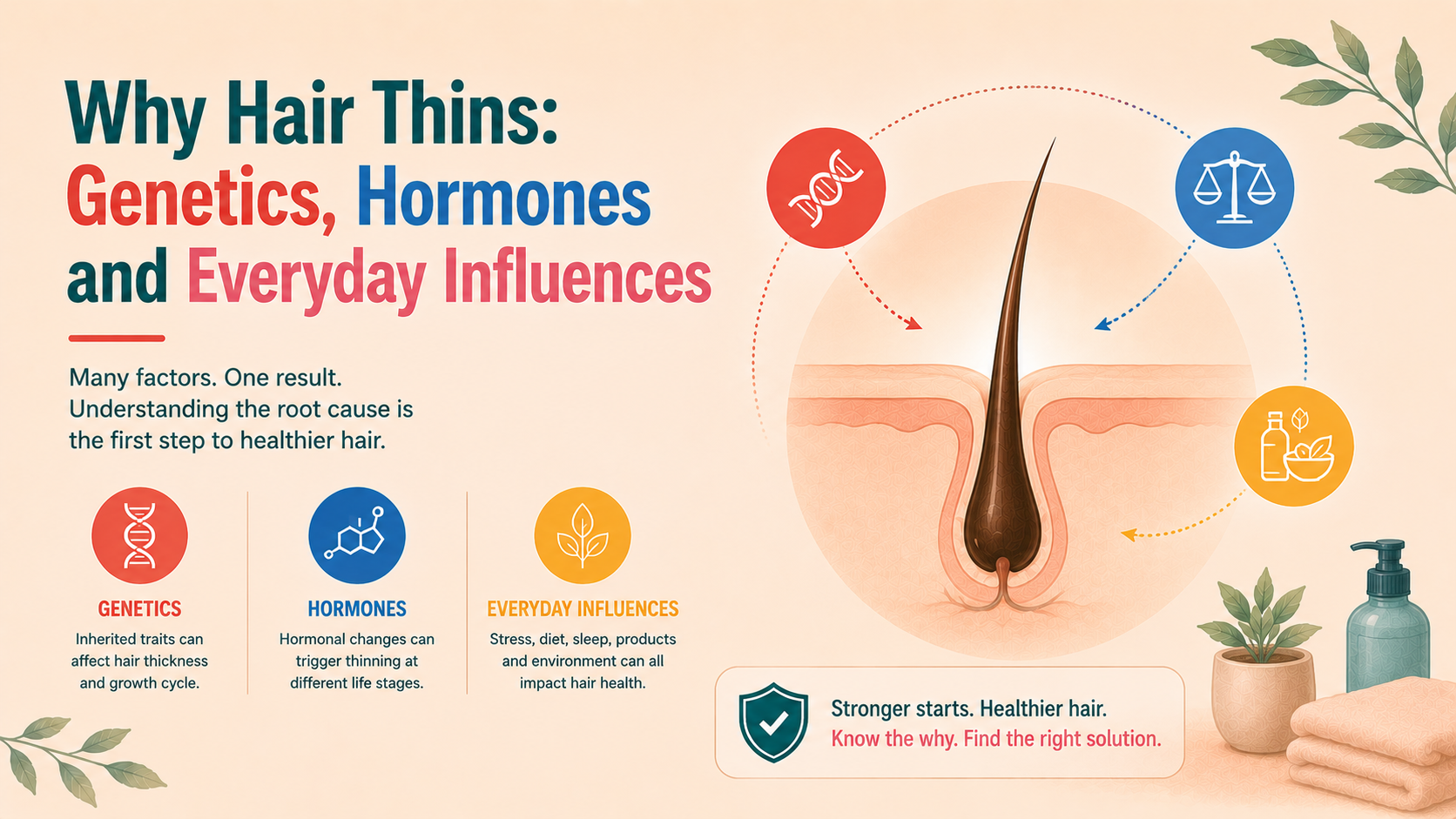
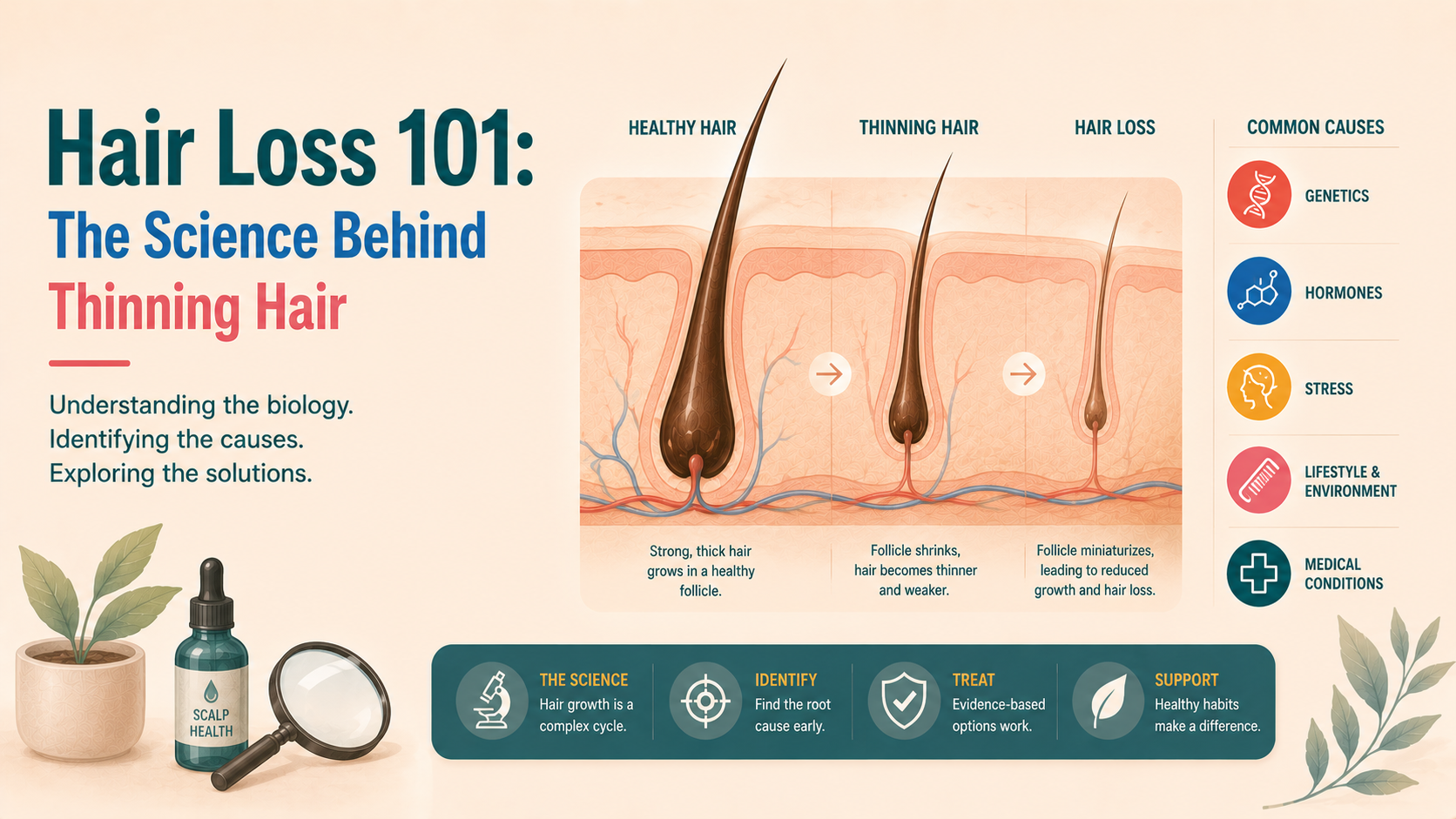
PRP, exosomes and cell-based treatments are often marketed together, but their evidence and risks differ. Here is what the term regenerative does and does not tell you.

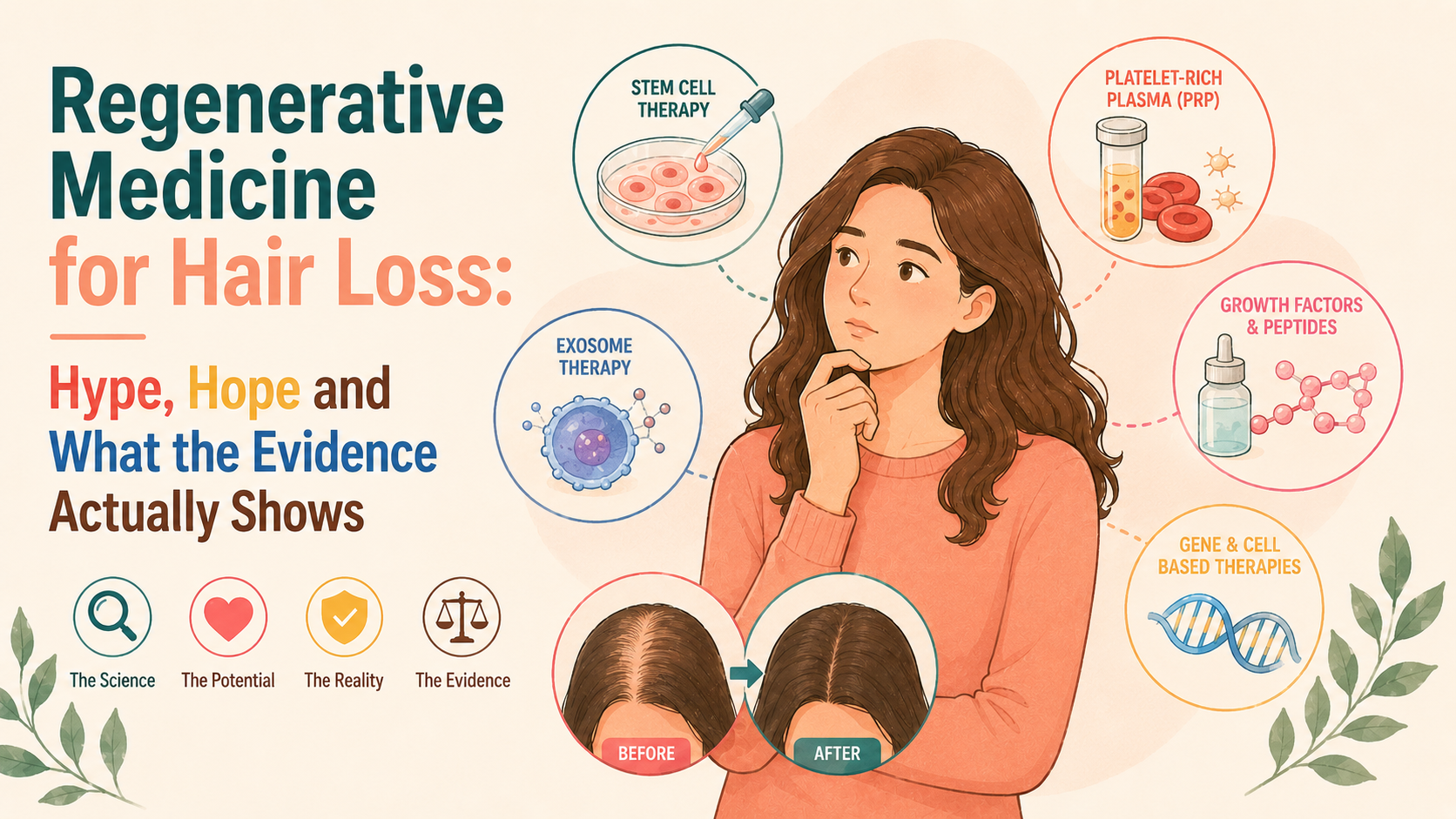
A clinic may place PRP, stem cells and exosomes under the same heading. That makes them sound like variations of one established treatment. They are not.
Some use a person’s own blood or tissue. Others use substances produced by cultured cells, or products obtained from a donor. The source, processing and route of delivery affect what is actually being given and what risks need considering.
Before asking whether a regenerative treatment works, ask what it is. A convincing description of growth factors is not enough to identify a product or judge its evidence.
Platelet-rich plasma is prepared from a blood sample, processed to concentrate platelets and injected into the scalp. The rationale is that platelet-derived signals may influence follicle growth.
Controlled trials and systematic reviews support an improvement in hair density for some people with pattern hair loss. Studies of PRP added to minoxidil also suggest additional benefit. However, results vary considerably, and publication bias and differences between protocols reduce confidence in a single expected effect.
Platelet concentration, preparation, injection schedules and outcome measurements are not standardised across clinics. A published result therefore cannot automatically predict the result of the particular package being sold.
Injections can cause pain, bruising and infection. Discuss the expected benefit, total cost, review point and likely need for further sessions. Being made from your own blood does not make a procedure risk-free.
Platelet-rich fibrin and other variations aim to change how platelet-related signals are delivered. A plausible difference in the laboratory does not establish a better visible hair result.
These products need their own comparative studies. Claims that a newer preparation is automatically longer-lasting or more effective should be supported by clinical evidence for that preparation, rather than borrowing PRP’s broader literature.
Some approaches process a small sample of scalp or fat into material intended to influence existing follicles. Others use extracts or fluid collected from cells grown in a laboratory. These are quite different interventions, even when each is advertised using the term stem cells.
There are encouraging early human studies. For example, a 2020 randomised trial assigned 38 participants to a topical adipose-derived cell constituent extract or its vehicle. It reported improved hair measurements over 16 weeks. That is a useful signal, but a small, short trial cannot establish durable benefit or validate unrelated injectable products.
A tissue micrograft suspension is also different from transplanting intact hair follicles. It should not be described as creating an unlimited donor supply or reliably replacing follicles destroyed by scarring.
Exosomes are small particles released by cells that carry biological material involved in cell communication. Researchers are investigating whether these signals can influence hair growth.
Clinical reports include improvements in some hair measurements, but studies differ in source material, preparation, delivery and other treatments used at the same time. If exosomes are applied after microneedling, for example, a suitable comparison is needed to separate the contribution of each intervention.
Questions remain about product identity, contamination, dose, consistency and longer-term effects. A short study reporting few adverse events does not settle those questions.
The US FDA has warned about unapproved exosome products and serious adverse events associated with some marketed regenerative products. Its consumer alert states that there are no FDA-approved exosome products. Regulation differs between countries, so a clinic should identify the exact product and explain its local authorisation for the proposed use. Registration of a business or a processing device is not proof that the treatment itself has been approved.
Low-level light therapy is sometimes placed under the regenerative label, but it is a physical treatment rather than a cell product. Sham-controlled trials of particular devices have reported improved hair counts.
The evidence does not mean every red-light device is equivalent. Wavelength, delivery and the studied schedule matter, as does whether someone can keep using it. Longer-term benefit and the practical size of the improvement should be discussed without presenting a device as a cure.
I would look for well-controlled human studies of a clearly defined product, with outcomes that are noticeable and useful to patients. Independent replication, adequate follow-up and meaningful safety reporting would increase confidence.
Research into making new follicles is scientifically interesting. It is still a separate claim from improving the output of follicles already present. A laboratory advance does not establish that a commercial clinic can provide the same result safely.
If you are considering an emerging treatment, ask whether it is part of a properly overseen trial, what remains unknown and who will manage complications. Interest in future treatments is reasonable. Feeling hopeful does not oblige you to pay for an unproven procedure now.