Prevention and Hair Health

Supplements for Hair Loss: Where They Help and Where Evidence Is Limited

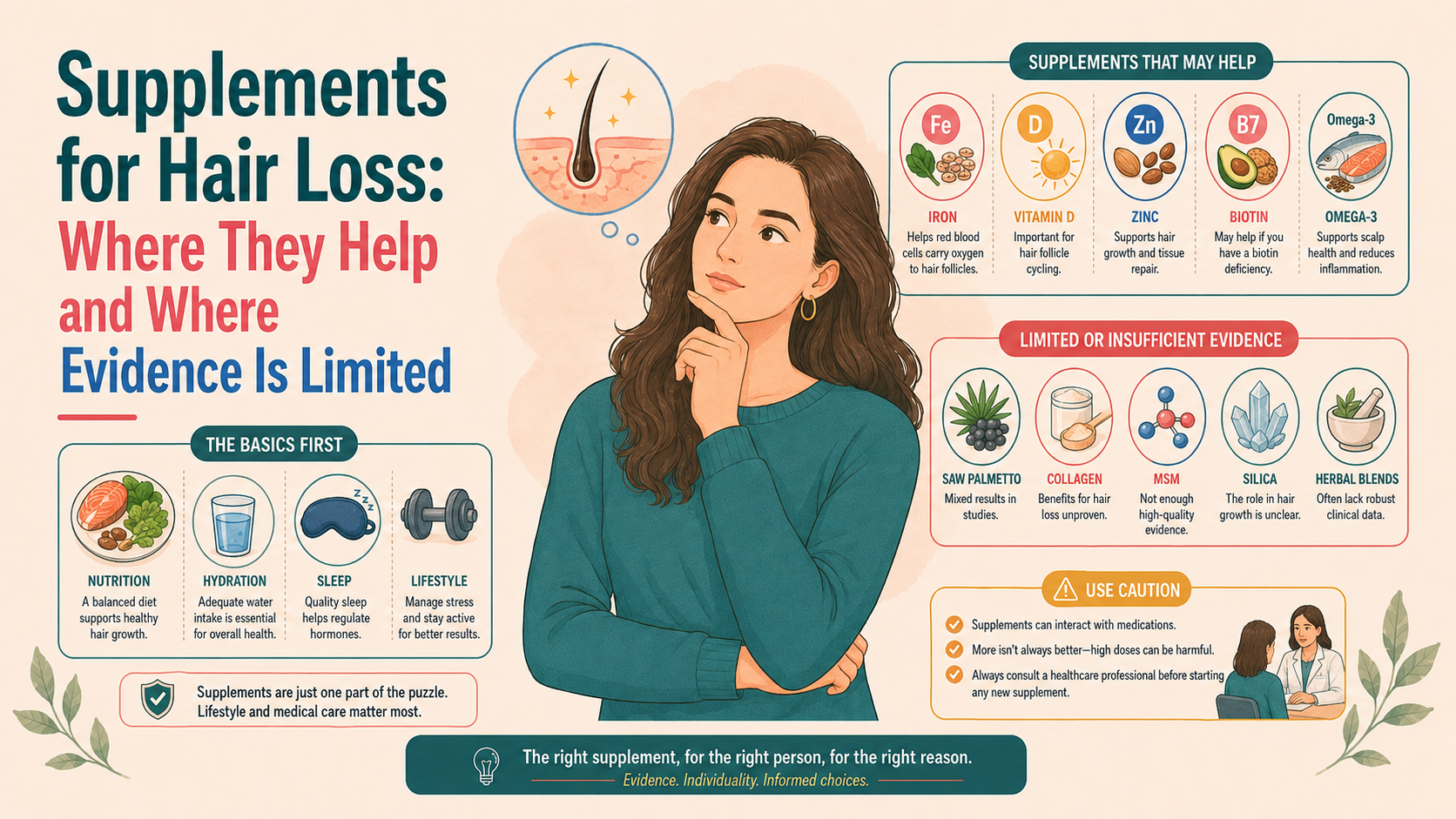
Nutritional status matters for hair health, but the role of over-the-counter supplements is often overstated. This article reviews what is known about supplements in hair loss – when targeted correction of deficiencies is important, which nutraceutical formulations have some supportive evidence, where data are weak, and how to integrate supplements sensibly alongside established therapies.

[headshot]
Dr. Harry M Griffiths
Article Summary

1. Why supplements sit in the conversation

Most people with hair loss will at some stage consider or try supplements. There are understandable reasons for this:

  • they feel less medicalised than prescription drugs,
  • they are easy to access,
  • and they offer a sense of “doing something” in an area that can feel frighteningly out of control.

The biology, however, is indifferent to our preferences. Hair follicles respond to nutrients and signals, not to the marketing category a product occupies.

A useful way to think about supplements is:

  • they are clearly indicated when there is a genuine nutritional deficiency affecting the hair;
  • some specific formulations have modest, measurable benefits in defined groups;
  • many products are extrapolations from deficiency states, tested only minimally beyond that.

The aim here is not to discourage all supplementation, but to place it within an evidence-based framework.

2. Deficiencies first: when supplements are simply a treatment

Hair follicle matrix cells divide rapidly and are highly sensitive to systemic nutritional status. When a patient has iron deficiency or iron deficiency anaemia, significant vitamin D, zinc, or B12 deficiency, or obvious protein–energy undernutrition, addressing these issues is a fundamental component of care. If left untreated, such deficiencies can precipitate telogen effluvium and exacerbate any underlying androgenetic alopecia.

Large reviews of telogen effluvium and micronutrients consistently report that:

  • low ferritin is common among women with diffuse shedding;
  • vitamin D deficiency is frequently present;
  • frank zinc or B12 deficiency is less common but documented in some cohorts.

In this context, iron tablets or targeted nutrient prescriptions are not “hair boosters”; they are a correction of a systemic imbalance that happens to support the hair. The more difficult question is what to do when standard blood tests are normal and dietary intake is broadly adequate.

3. Single-ingredient supplements: biotin and other individual nutrients

3.1 Biotin

Biotin has become almost synonymous with “hair vitamin”. It is present in many stand-alone products and as part of multicomponent hair formulations.

The evidence is more restrained:

  • true biotin deficiency is rare and usually associated with genetic enzyme defects, severe malnutrition, alcohol excess or certain anticonvulsant treatments; in these situations, hair, nails and skin respond dramatically to replacement;
  • in people without deficiency, there is a striking lack of high-quality, randomised, controlled trials demonstrating that extra biotin improves hair growth or density;
  • a critical review of the biotin literature concluded that virtually all reports of beneficial hair effects came from deficiency states, and robust data did not support routine supplementation in replete individuals.

There is an additional practical concern that high-dose biotin can interfere with numerous laboratory immunoassays (including thyroid and cardiac markers), occasionally leading to misinterpretation of tests.

In short, if biotin deficiency is documented, it should be corrected. In the absence of deficiency, routine high-dose biotin for hair growth is not currently evidence-based and carries specific testing caveats.

3.2 Iron, zinc, vitamin D and B12

For these, the pattern is similar:

  • when levels are low, replacement is indicated for general health and may support hair;
  • when levels are normal, supplementing “just in case” has not been shown to enhance hair growth and, at high doses, can be counterproductive (for example, iron overload, zinc-induced copper deficiency, selenium toxicity).

A “test, then treat” approach is more rational than empiric long-term supplementation of single nutrients in the hope of hair benefits.

4. Multicomponent nutraceuticals: what has actually been tested?

A number of branded nutraceuticals – usually combinations of amino acids, marine proteins, collagen, vitamins, trace elements and plant extracts – have been evaluated in randomised, placebo-controlled trials.

4.1 Marine protein-based supplements

Several formulations based on marine-derived proteins and peptides have been studied. In one 90-day double-blind trial in women with self-reported hair thinning, a marine protein supplement taken twice daily was associated with increased terminal hair counts in a 4 cm² target scalp area compared with placebo, reduced measured shedding, and improved patient-reported hair quality.

Subsequent trials in women with subclinical thinning and in men with early androgenetic alopecia reported reductions in shedding, increases in non-vellus hair counts, and favourable tolerability over three to six months.

Systematic reviews summarising these trials conclude that marine protein-based supplements can produce modest improvements in hair density and shedding in women and men with mild thinning. However, the effect sizes are small to moderate and are best documented in individuals with early or self-perceived hair changes rather than advanced pattern hair loss.

Consequently, they should be regarded as adjuvants with measurable but limited benefits rather than primary disease-modifying therapies.

4.2 Phytoactive nutraceuticals (e.g. Nutrafol-like formulations)

Formulations combining standardised plant extracts (for example, saw palmetto, ashwagandha, and curcumin), vitamins and minerals, and compounds targeting oxidative stress and microinflammation have been studied under various brand names in women and, more recently, in men.

In a six-month randomised, double-blind, placebo-controlled trial in women with self-perceived thinning, a nutraceutical:

  • increased terminal hair counts compared with placebo;
  • improved patient-reported thickness and shedding scores;
  • and was well tolerated.

Further work in peri- and postmenopausal women has shown similar patterns: numerical gains in hair density vs placebo, with high satisfaction rates in the active group.

Critiques of these data note modest sample sizes, industry sponsorship, reliance on combined objective and subjective endpoints, and the fact that many participants had relatively mild, early thinning.

The fairest interpretation is that these phytoactive nutraceuticals:

  • do appear to confer beneficial effects in mild-to-moderate thinning, especially in women;
  • are best positioned as adjuncts alongside established therapies;
  • and should be chosen with the understanding that improvements are likely to be incremental rather than transformative.

4.3 Collagen and amino acid-based supplements

Hydrolysed collagen, with or without specific amino acids (cystine, methionine, taurine), iron and trace elements, has also been studied.

A large multicentre study in women with telogen effluvium given an induction course of hydrolysed collagen plus micronutrients, followed by a maintenance phase, showed:

  • improved anagen:telogen ratios on trichogram;
  • reduced shedding;
  • and better subjective hair volume.

In a more heterogeneous group including androgenetic alopecia, female pattern hair loss and TE, a collagen–amino acid–micronutrient formulation added to standard drug therapy (minoxidil, finasteride) produced greater improvements in clinical scores and patient satisfaction than drug therapy alone.

These data suggest that collagen-based formulations can support recovery from TE. They may provide additional benefit when combined with pharmacological treatments, but they do not replace the primary management of the underlying condition.

5. Telogen effluvium: a context where supplements are often appropriate

Telogen effluvium (TE) is, by definition, a reactive process. It is frequently triggered by:

  • systemic illness;
  • surgery;
  • childbirth;
  • abrupt caloric restriction or weight loss;
  • significant psychological stress.

In this setting, nutritional support is often included as part of a comprehensive management strategy. Studies in TE indicate that targeted supplements containing protein, amino acids, iron, zinc and vitamins can help restore a more favourable anagen to telogen ratio and reduce shedding when used consistently over several months. This approach is particularly relevant when diet has been compromised, or physiological demands have increased, for example, in postpartum women or in individuals recovering from illness.

It is important to remember that TE often improves as the initial insult resolves. Supplements may accelerate or support normal recovery, but they are not the sole determinant of outcome.

6. Plant-based “DHT modulators” such as saw palmetto

Saw palmetto is commonly promoted as a natural 5α-reductase inhibitor. Laboratory work supports mild inhibitory effects in vitro, but human data in hair are limited.

Small clinical trials in men with androgenetic alopecia have shown that saw palmetto provides some improvement in hair density and stabilisation compared with baseline, but it is generally less effective than finasteride when the two are directly compared. Overall, saw palmetto is well tolerated.

The evidence in women is even more sparse and mostly anecdotal or derived from small, open-label series.

As such, saw palmetto is better regarded as a weak adjunct rather than an equivalent alternative to established 5-ARIs in clearly androgen-driven hair loss.

7. Where the evidence is minimal or absent

There are many formulations on the market whose composition changes little between brands but whose names and marketing differ substantially. For many of these:

  • there are no product-specific, peer-reviewed clinical trials in hair loss;
  • claims rest on the known roles of their ingredients in physiology rather than on demonstration that, in combination and at the supplied doses, they meaningfully affect hair.

Examples include:

  • generic “hair, skin and nails” multivitamins;
  • high-dose antioxidant blends;
  • detox or “metabolism boosting” capsules with hair claims.

This does not mean they are harmful by default, but it does mean expectations should be modest in the absence of data.

8. Safety considerations

It is easy to assume that supplements, particularly those derived from foods or plants, are inherently safe. In practice, excessive or unmonitored use can cause problems.

Examples include:

  • Vitamin A excess, which can itself cause hair shedding and systemic symptoms (dry skin, bone pain, liver enzyme elevations).
  • High zinc intake over time can induce copper deficiency, anaemia, immune changes and hair loss.
  • Selenium excess, associated with hair and nail fragility, gastrointestinal symptoms and neurological issues.
  • High-dose biotin, which is not inherently toxic in itself but can interfere with immunoassays for thyroid function, troponin, and other markers, occasionally complicates diagnosis in acute care.

Most randomised trials of hair nutraceuticals report favourable safety profiles over three to six months, but the real-world landscape is more complex. Many users take multiple different products simultaneously, sometimes in addition to prescribed medications.

A prudent approach is to:

  • review the total intake of key fat-soluble vitamins and trace elements across all products;
  • avoid overlapping formulations providing the same micronutrients in high doses;
  • inform your doctor about supplement use, particularly before major investigations or surgery.

9. Integrating supplements thoughtfully into a treatment plan

For someone with hair loss, an evidence-aligned sequence might look like this:

  1. Clarify the diagnosis. Define whether this is androgenetic alopecia, TE, alopecia areata, a scarring alopecia, or a combination. Supplements cannot rectify an inflammatory scarring process or autoimmune attack.
  2. Screen for relevant deficiencies. Based on history and examination, consider checking ferritin, full blood count, vitamin D, B12 and, where indicated, zinc and coeliac markers. Correct as needed.
  3. Initiate evidence-based core therapy. For FPHL or male AGA, this usually means minoxidil, with or without hormonal or anti-androgen therapy in appropriate patients. For TE, the trigger and general health are the priority.
  4. Consider nutraceuticals as adjuncts.
    • Marine protein-based formulations and certain collagen–amino acid–micronutrient supplements have supportive data in mild thinning and TE, particularly in women.
    • Multi-phytoactive products show some benefit in RCTs for women with self-perceived thinning; these may be reasonable additions when expectations are calibrated.
    • Classic cystine plus B-complex formulas may help in TE and brittle hair, especially where diet is not optimal.
  5. Avoid redundant poly-supplementation. Stacking several hair supplements rarely makes biological sense and can increase cost and complexity without a clear additional benefit.
  6. Review after a realistic interval. Many studies assess outcomes at three to six months. If no change is evident after such a period, it is reasonable to reconsider whether a given supplement is worth continuing.

10. Key points for patients and clinicians

  • Nutritional adequacy is fundamental for hair health. Investigate and treat true deficiencies; this is not optional.
  • Among over-the-counter products, a limited number of marine protein and collagen/amino acid-based nutraceuticals have been studied in randomised trials and demonstrate modest benefits in certain groups, especially women with early thinning or telogen effluvium.
  • Multicomponent phytoactive formulations can have measurable positive effects, but their role is supportive rather than primary, and they should be weighed against cost.
  • Single-ingredient high-dose biotin is not supported for hair growth in non-deficient individuals and may complicate laboratory testing.
  • Supplements are not substitutes for diagnosis and established therapies in clearly androgenetic hair loss or inflammatory scalp disease.
  • Used judiciously, supplements can complement other interventions and support recovery in specific contexts. Used indiscriminately, they mainly increase expense and, occasionally, risk.

The most constructive way to think about supplements is as part of an integrated plan rather than as a stand-alone solution.
Read More from the Knowledge Hub:

Treatment

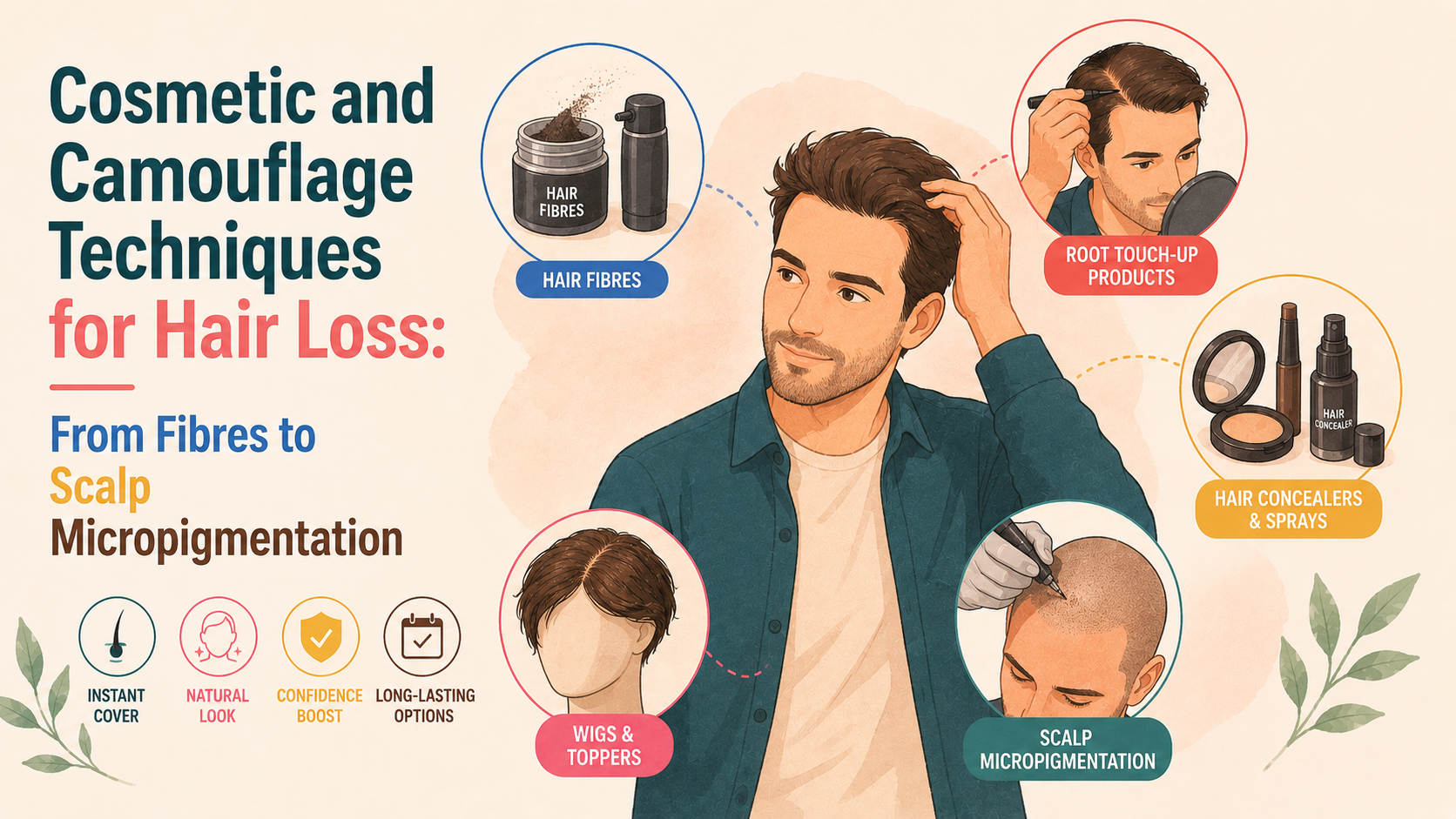
Cosmetic and Camouflage Techniques for Hair Loss: From Fibres to Scalp Micropigmentation

Not everyone wants, needs or can tolerate medical or surgical treatment for hair loss. Cosmetic and camouflage techniques – from styling and concealers to wigs, hair systems and scalp micropigmentation – can make thinning far less visible and often improve confidence and quality of life. This article explains the main options, the science and psychology behind them, what evidence we have, and how to use them safely and thoughtfully.
Treatment

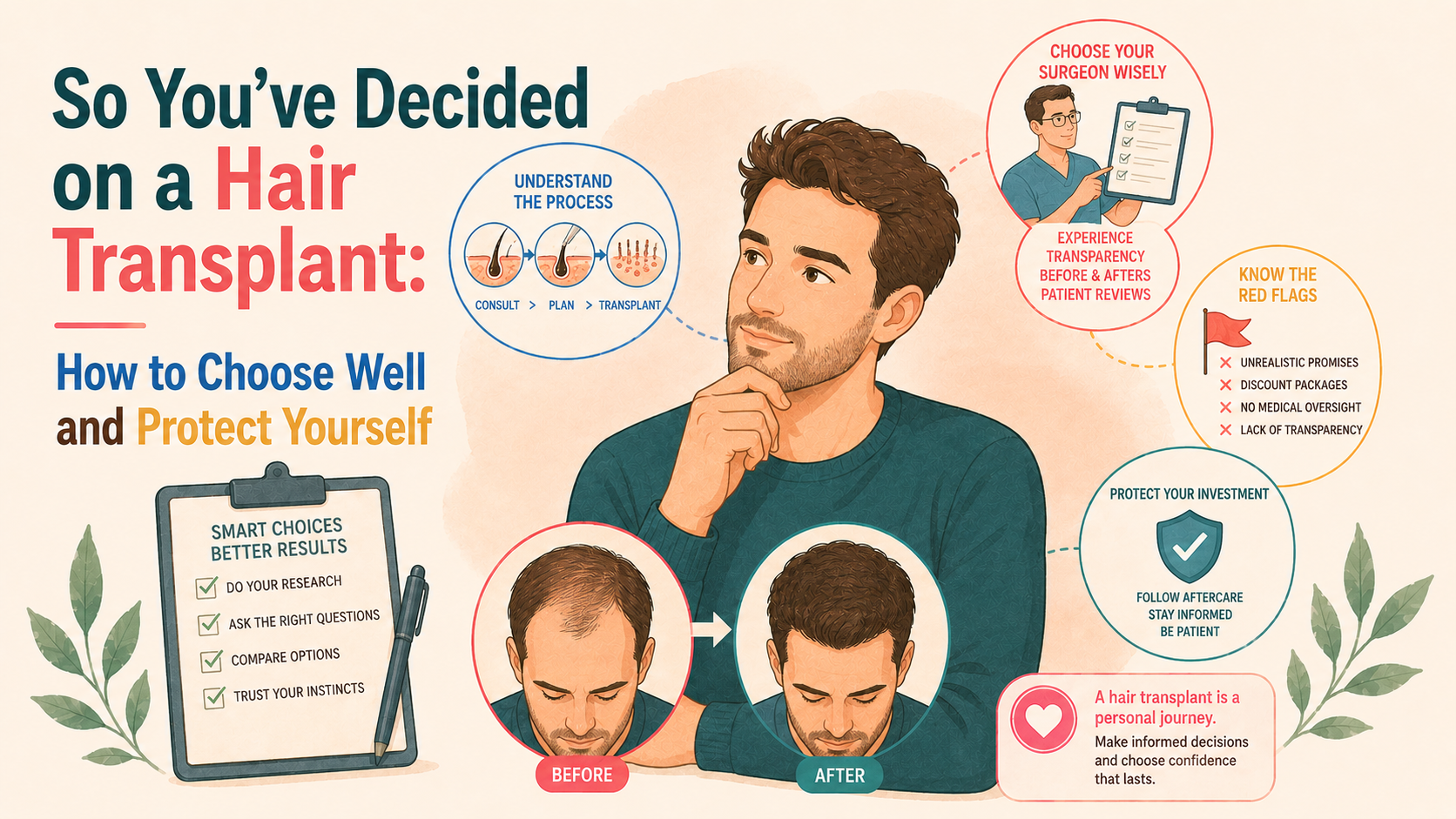
So You’ve Decided on a Hair Transplant: How to Choose Well and Protect Yourself

Deciding to have a hair transplant is a major step. The quality of the outcome depends on your biology, your expectations, the surgeon, the clinic and what you do before and after the procedure. This article offers a structured guide for people who have already decided to proceed with surgery: how to recognise a good clinic and surgeon, how to avoid exploitation, why having surgery close to home often matters, how to prepare, and why ongoing medical therapy remains part of best practice.
Treatment

Eyebrow and Beard Transplantation: Extending Hair Restoration to the Face

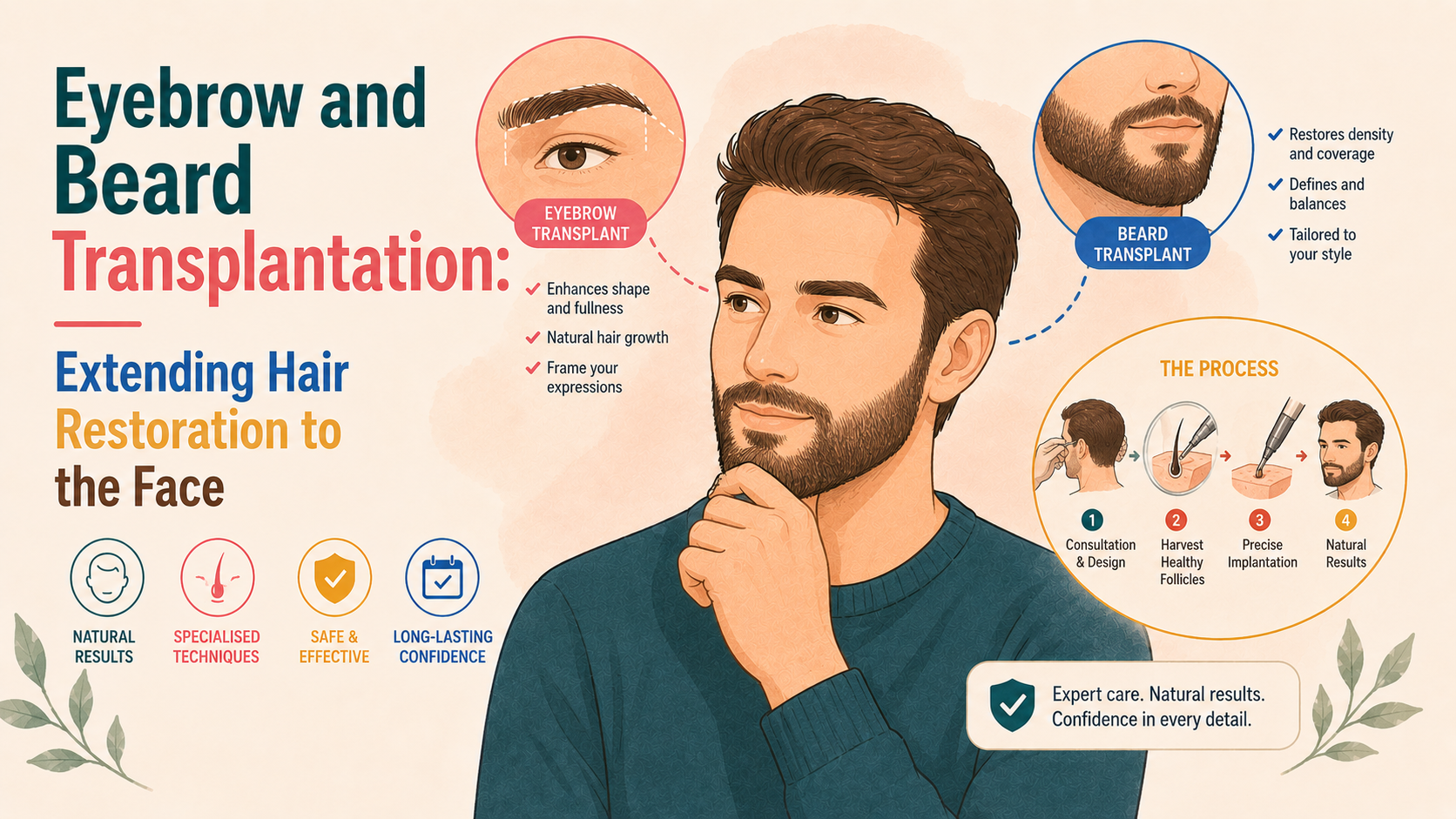
Hair transplantation is no longer confined to the scalp. Over the last two decades, eyebrow and beard transplantation have matured into well-established procedures for selected men and women. This article explains why patients seek facial hair restoration, the anatomy and aesthetics involved, how the procedures are performed, who is a good candidate, and where caution is warranted to ensure that precious donor hair is used judiciously.
Treatment

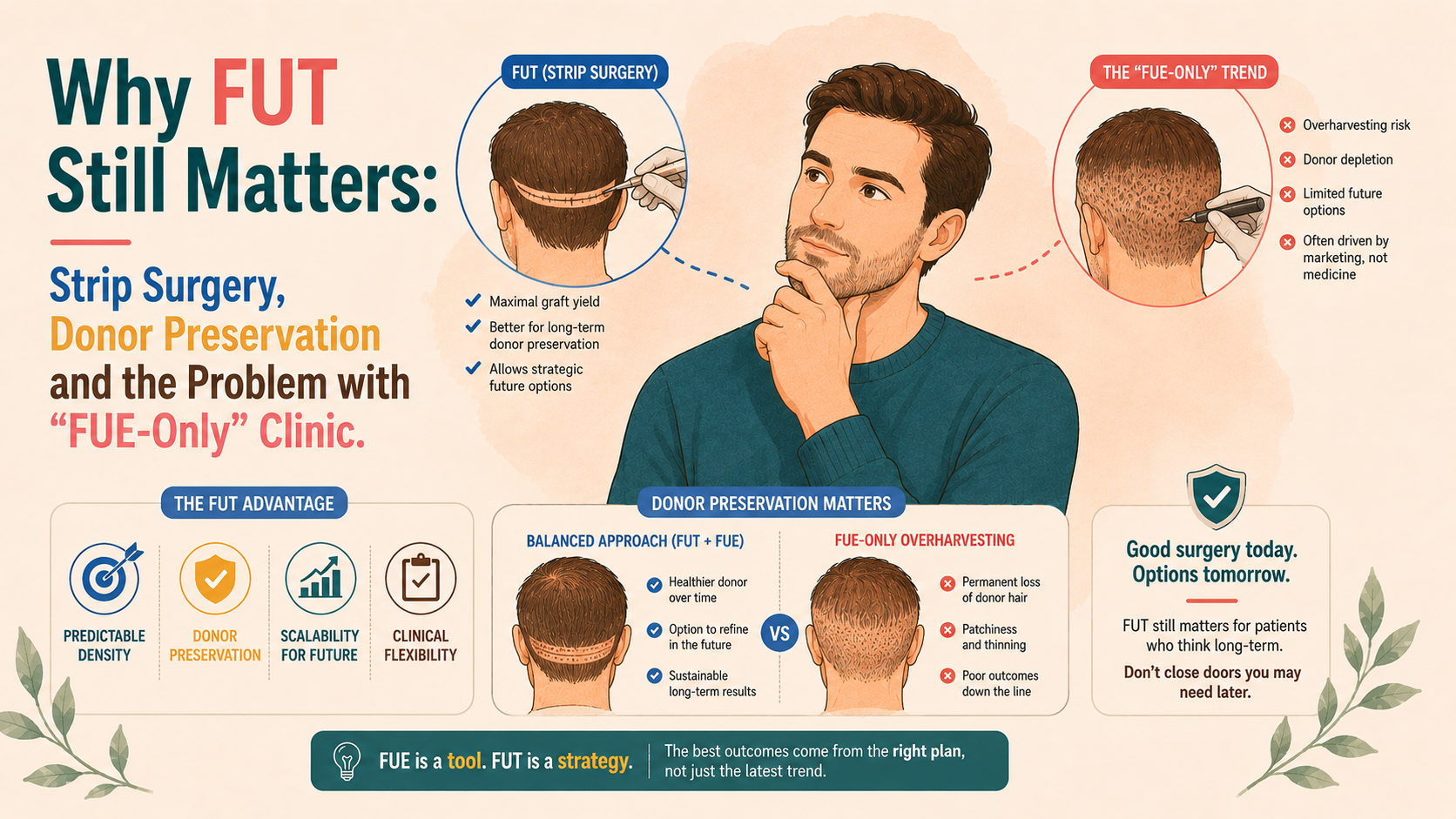
Why FUT Still Matters: Strip Surgery, Donor Preservation and the Problem with “FUE-Only” Clinics

Follicular unit excision (FUE) has transformed hair transplant marketing and made surgery more acceptable to many patients. But in the enthusiasm for “scarless”, “no incision” techniques, a quieter truth is at risk of being lost: follicular unit transplantation (FUT, or strip surgery) remains an important, and in many cases superior, option for donor conservation and lifetime planning. This article explains what FUT offers, how it compares to FUE, why the trend toward FUE-only practices can be problematic, and how patients can ensure they are genuinely being offered the full palette.