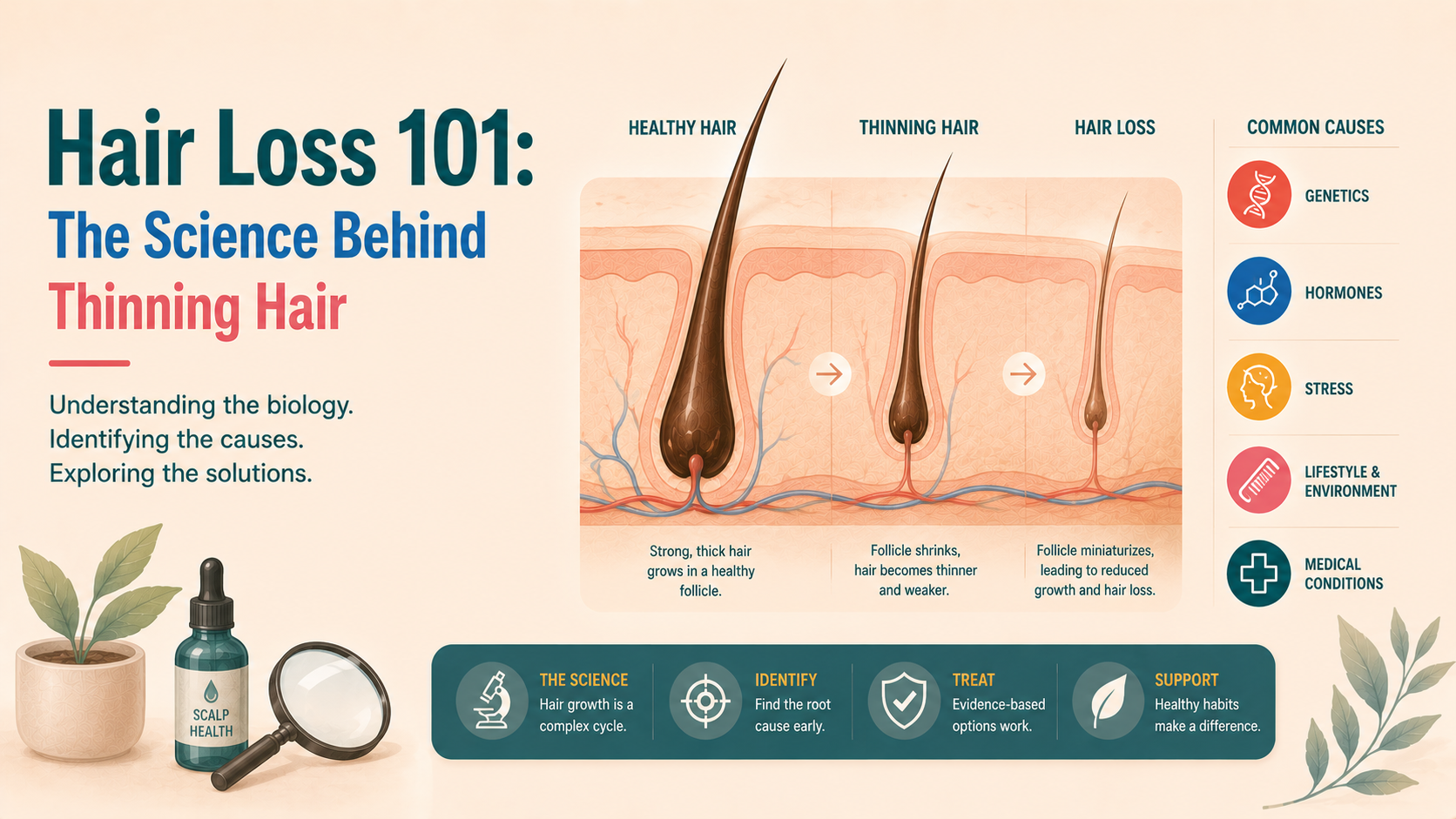
Fibres, wigs, hair systems and scalp micropigmentation can change how hair loss looks without waiting for regrowth. The useful question is which option makes your daily life easier.

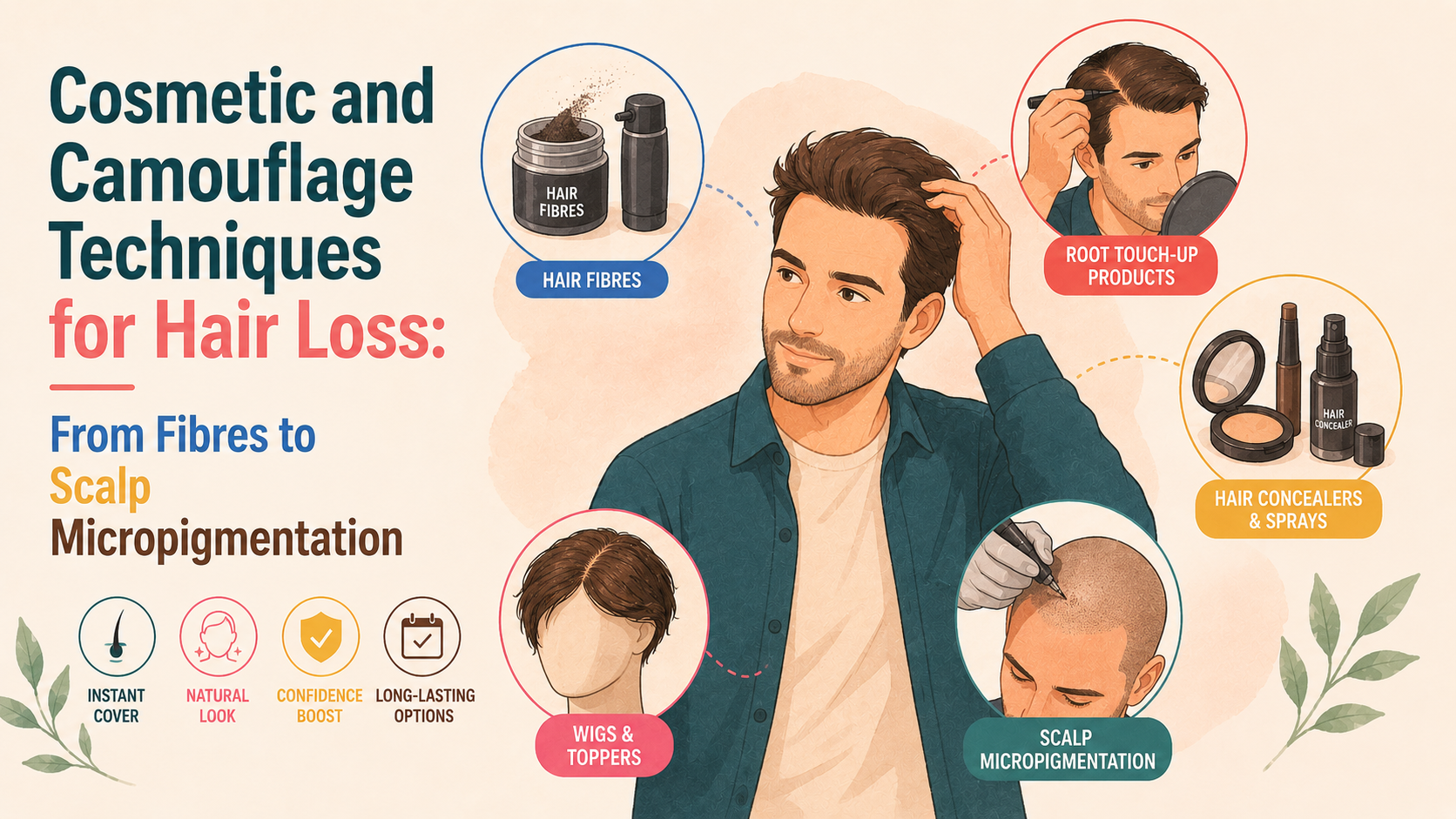
Using something to change the appearance of hair loss does not mean you have failed to accept yourself. People make choices about their appearance every day. Hair fibres, a topper or a wig can simply be one of yours.
For me, fibres were useful but also became part of a routine I had to think about constantly. Scalp micropigmentation later suited me better. That is my experience, not a ranking of what everyone should choose.
I would judge an option by the freedom it gives you. If it helps you leave the house and get on with your day, that matters. If the maintenance or fear of it being noticed starts to govern your life, it may be time to adjust the approach.
A different cut or parting can change how much scalp shows through. You do not have to commit to a drastic change immediately; a stylist familiar with thinning hair can help you explore what works with the hair you have.
Hair fibres cling to existing strands and make them look fuller. They are generally more useful for thinning areas than completely bare skin. Powders and coloured sprays work mainly by reducing the visible contrast between hair and scalp.
These products give an immediate cosmetic effect, not regrowth. Their resistance to water, sweat and transfer varies, so check the instructions and try them in an ordinary setting before relying on them for an important occasion. Stop using a product that irritates your scalp and seek advice if the reaction persists.
A wig covers most or all of the scalp. A topper covers a smaller area and blends with remaining hair. “Hair system” often describes a piece attached for longer wear, although sellers use these terms differently.
Human hair and synthetic options have different care requirements, and quality varies within both. Do not assume the most expensive piece is automatically the most comfortable or suitable. Ask about washing, styling, exercise, attachment and replacement before buying.
The ongoing cost can matter as much as the initial price. A system that needs frequent professional maintenance may suit one person and become a burden for another. A fitting with someone experienced in medical hair loss can be more useful than comparing photographs alone.
Tight clips, heavy extensions or a style that repeatedly pulls on the same area can contribute to traction alopecia. Ongoing traction can eventually cause permanent loss. Pain, broken hairs or increasing thinning around attachment points are reasons to change the arrangement and have the scalp assessed.
Adhesives can also irritate the skin or cause an allergic reaction. Tell your clinician what you use if you develop itching or a rash; the product and the method of attachment may both matter.
Textured hair deserves care that understands its styling needs. A hairstyle described as protective is not automatically protective if it is tight or heavy. The aim is to support the look you want without repeatedly stressing vulnerable areas.
Scalp micropigmentation, or SMP, places pigment into the skin to imitate the appearance of closely shaved hair or reduce scalp contrast. It does not add physical hair, change texture or treat the cause of hair loss.
The result depends on the design, the practitioner and how the pigment behaves in your skin. Ask to see healed work on people with a similar skin tone and pattern of loss. A freshly treated scalp is not the same as a settled result.
Pigment can fade or change appearance. Infection, allergic reactions and scarring are possible, and correction or removal may be difficult. “Semi-permanent” should not be interpreted as a guarantee that an unwanted result will disappear neatly.
If you have an inflamed scalp or a scarring hair disorder, speak to your dermatologist before considering tattooing. A practitioner should understand when a scalp needs medical assessment rather than a cosmetic procedure.
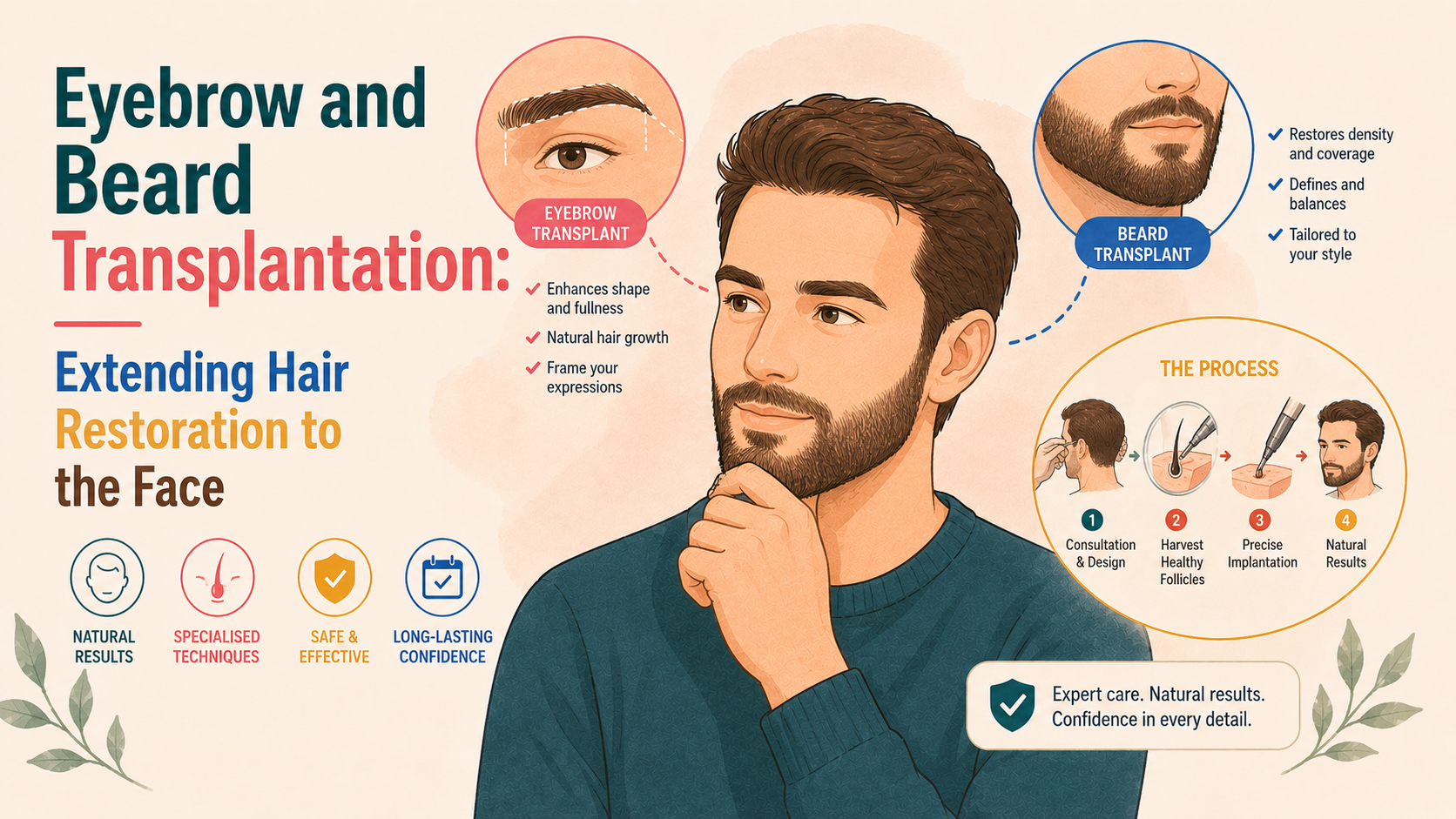
Pencils, powders and other removable cosmetics can help with eyebrow loss. Microblading and eyebrow micropigmentation are forms of tattooing, so the decision involves more than choosing a shape. The cause of the loss should be understood first, particularly if the change is recent or accompanied by scalp symptoms.
False lashes and adhesives can irritate the delicate skin around the eyes. Seek advice for redness, swelling or discomfort rather than covering an ongoing problem with another product.
Consider how an option fits a typical week, including the things you actually enjoy. Ask about swimming if you swim, exercise if you train, and overnight wear if that matters to you. A solution that only feels secure in a photograph may not be the right solution for your life.
You can combine cosmetic and medical approaches, or choose cosmetic management alone after discussing any underlying disease that needs treatment. You can also change your mind. There is no obligation to keep using something because it once helped, and no obligation to stop because someone else thinks you should be more accepting.