A careful hair transplant decision starts with the person assessing you, your remaining donor hair and a plan for future loss. Here is what I would ask before paying a deposit.
When I was 20, I spoke to a transplant company before I properly understood what a donor area was. The conversation included a limited discount and encouragement to pay a deposit. I was worried about my hair, and the possibility of fixing it felt much more immediate than the risks.
I did not have that operation. I cannot tell you what the result would have been. What I can say is that I was not equipped to judge the offer.
At 23, a different surgeon advised against operating because I was young and future loss could make the result difficult to maintain. Being told to wait was frustrating. Looking back, a consultation that leaves room for “not yet” is far more useful than one designed to get everyone into a surgical chair.
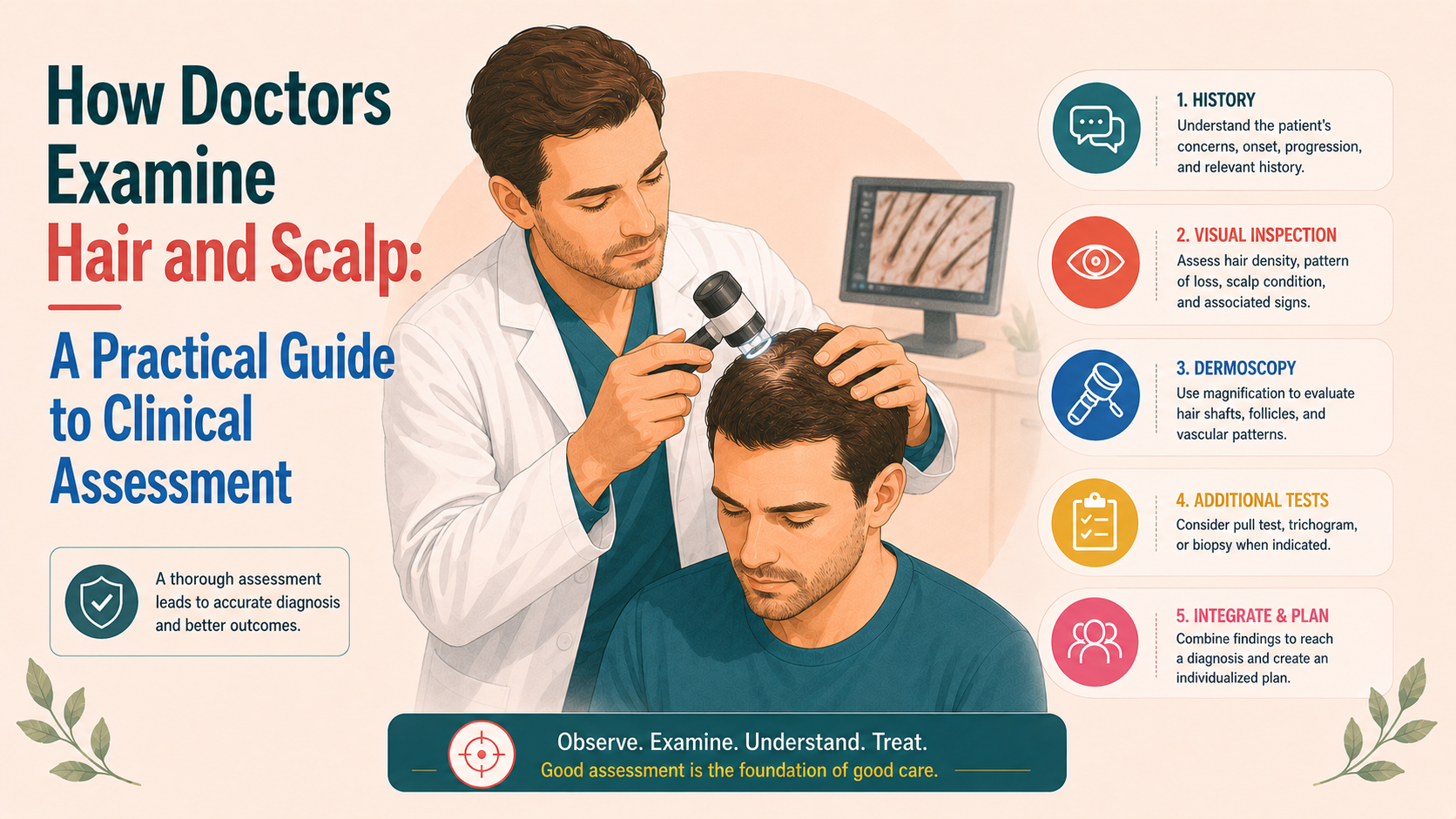
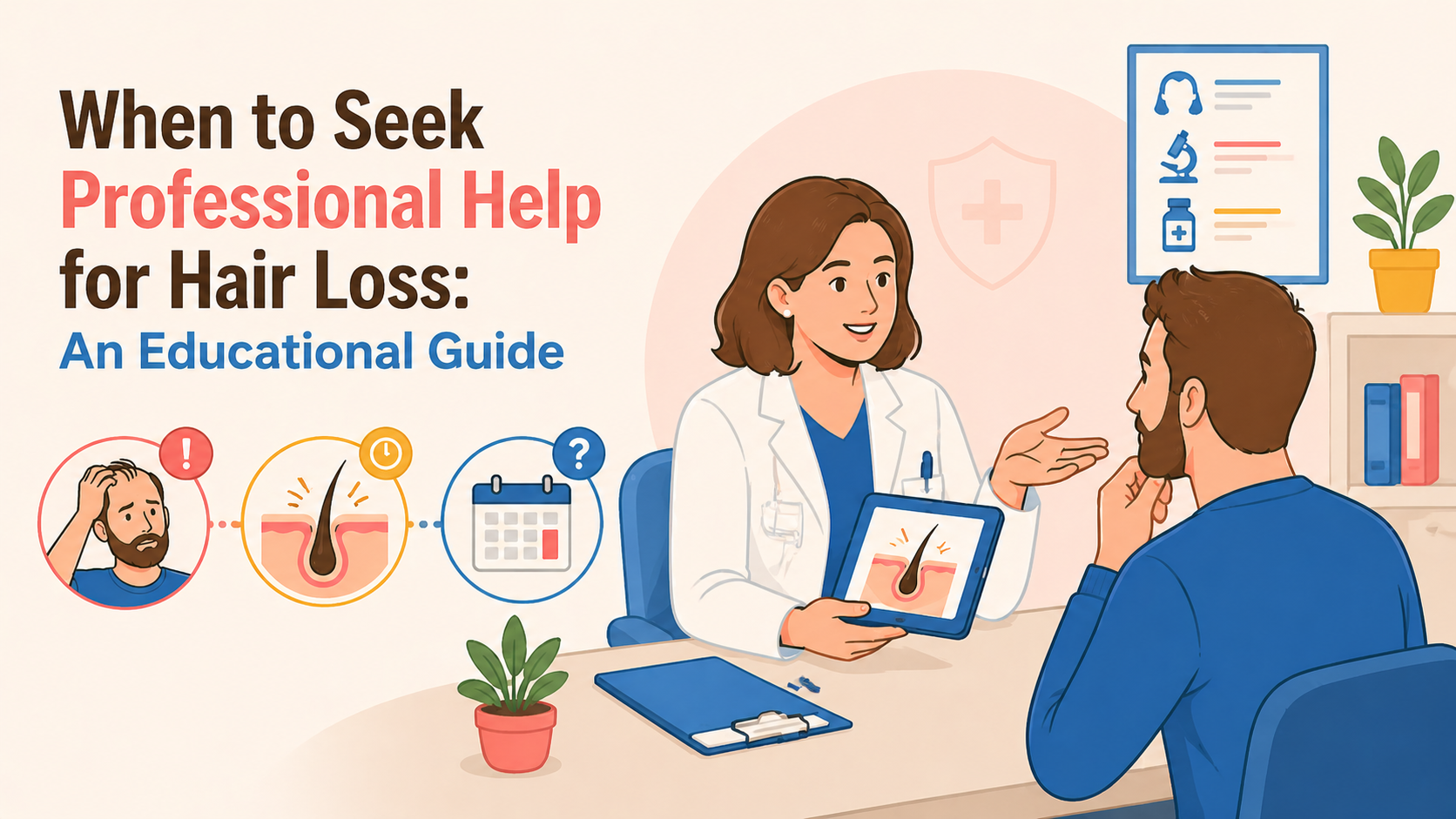
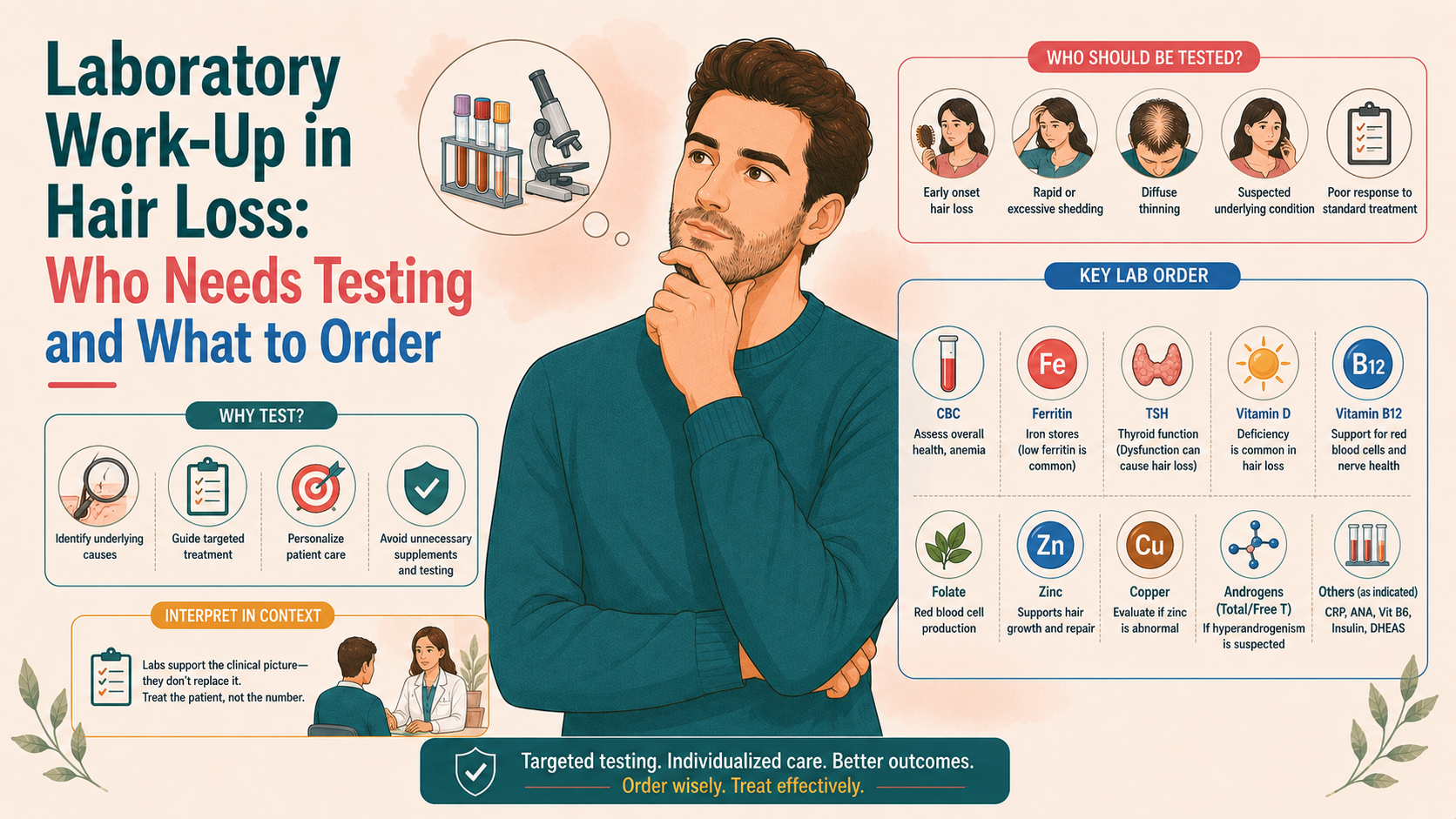
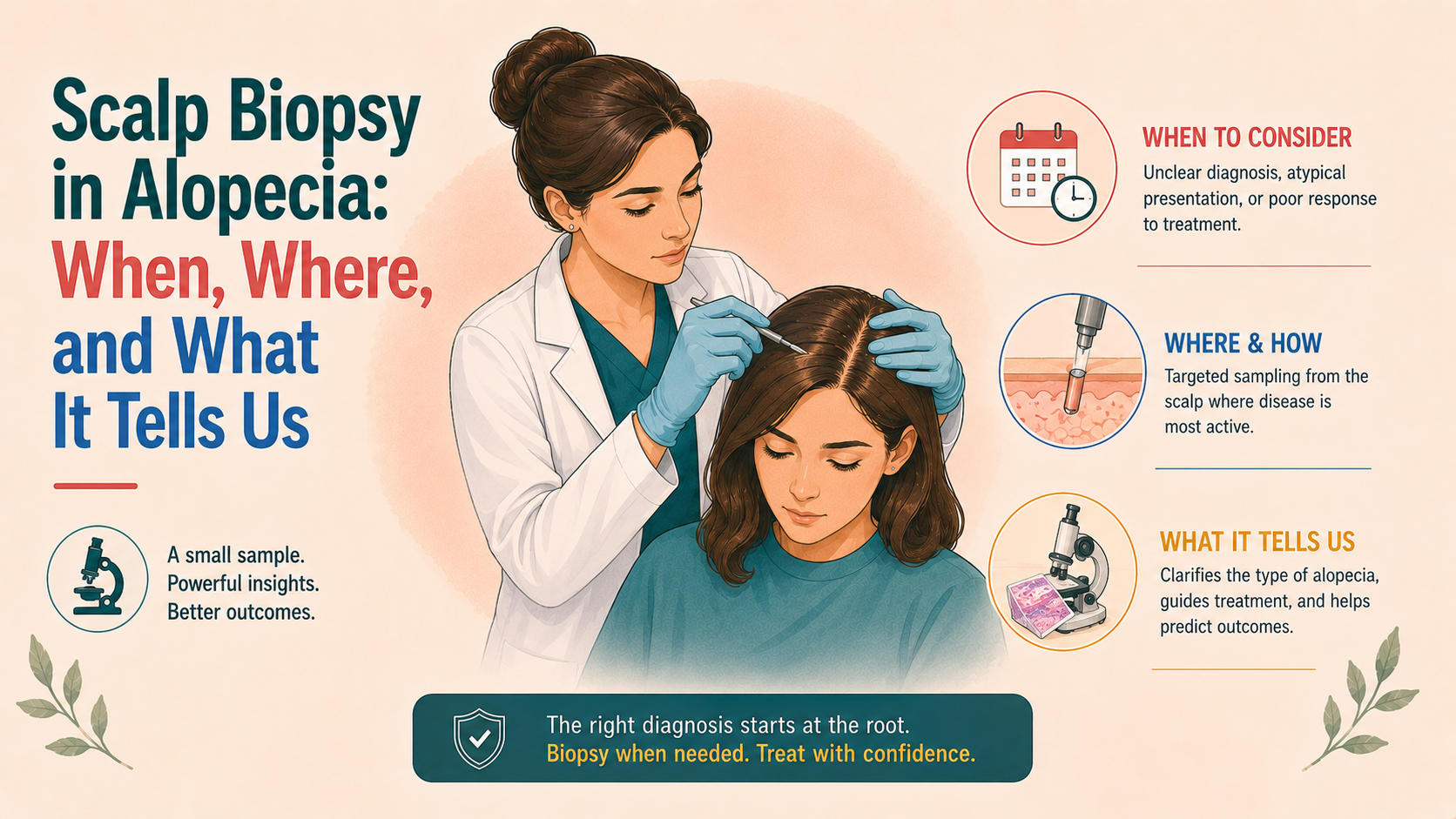
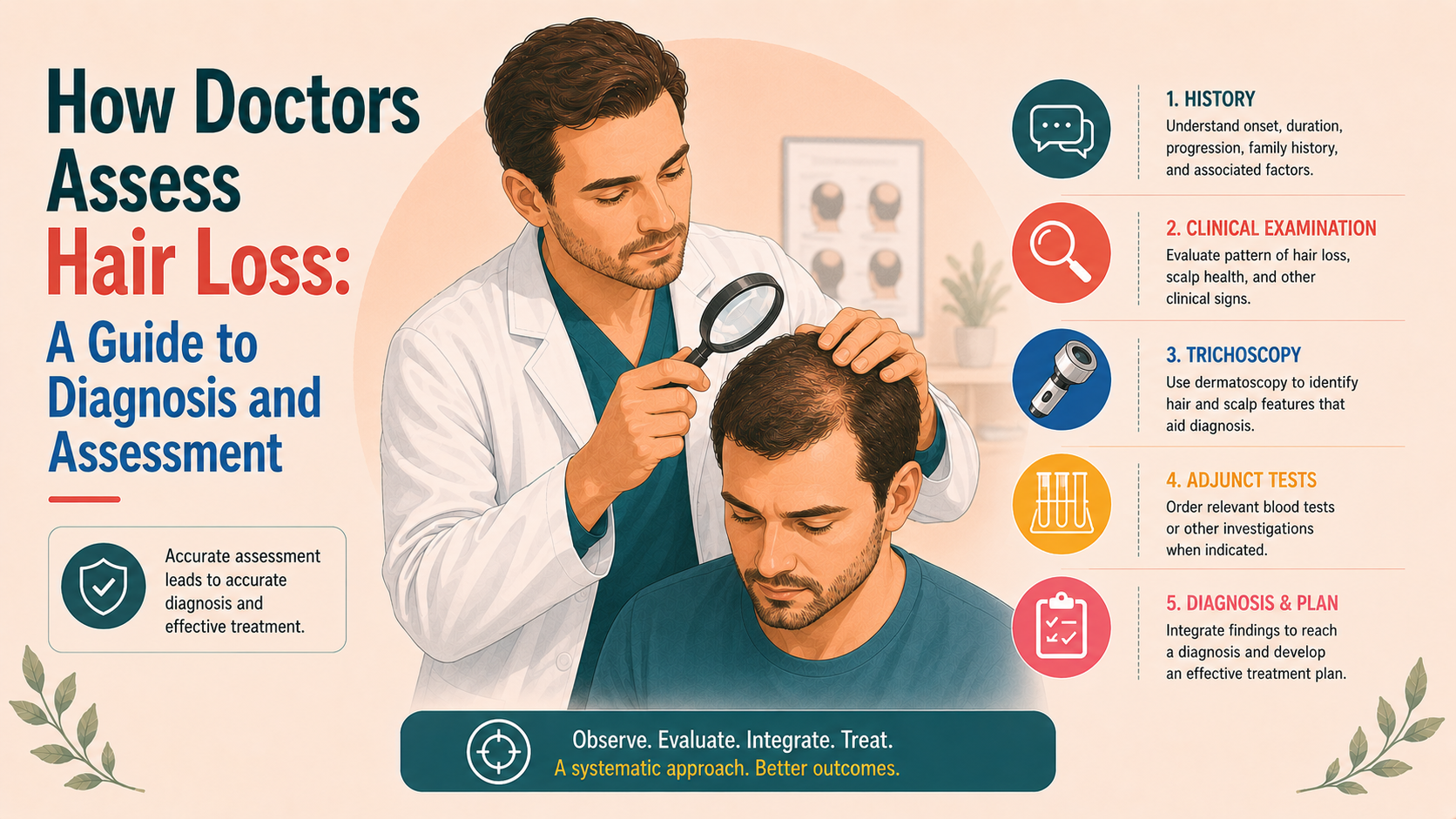
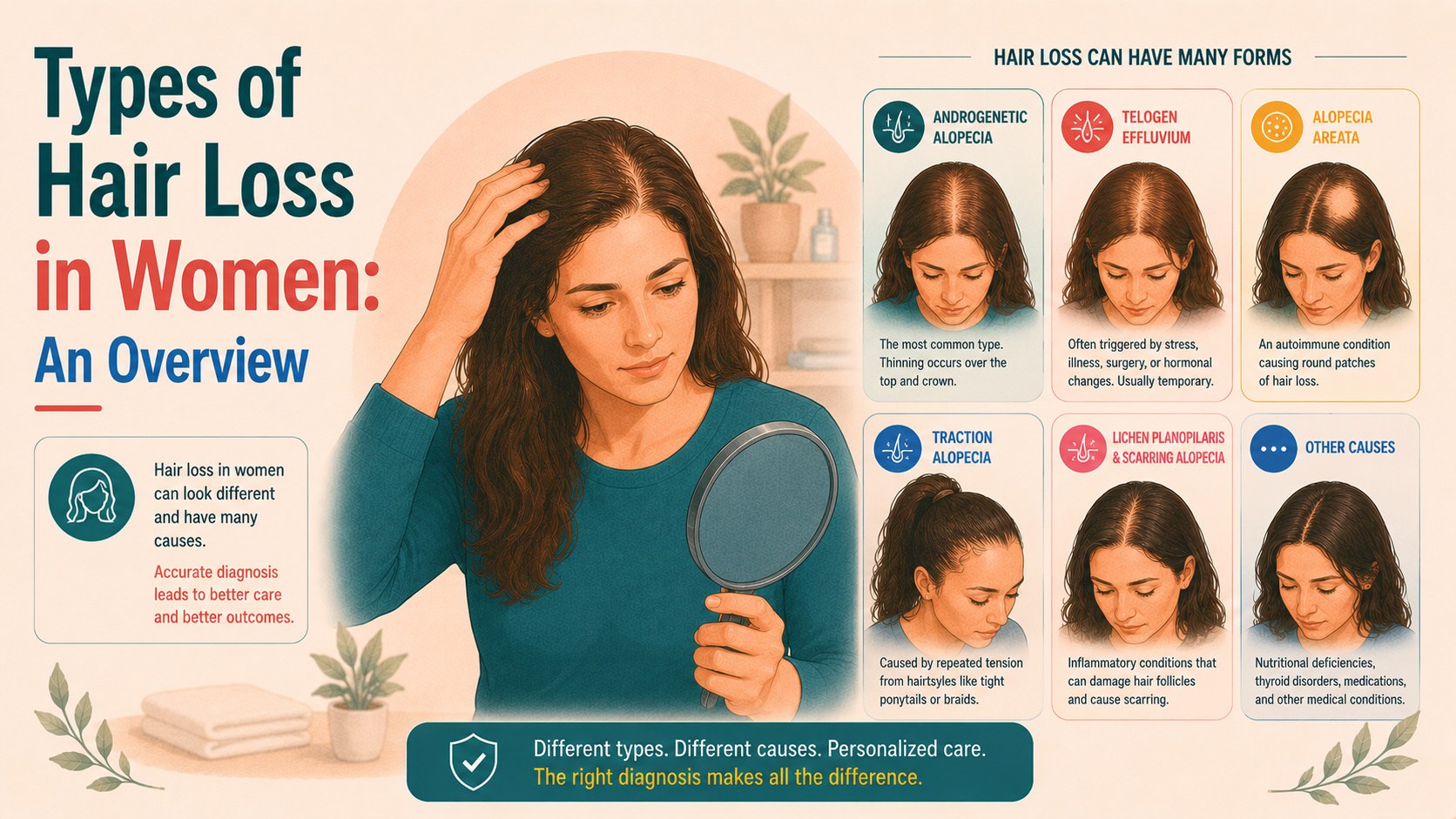
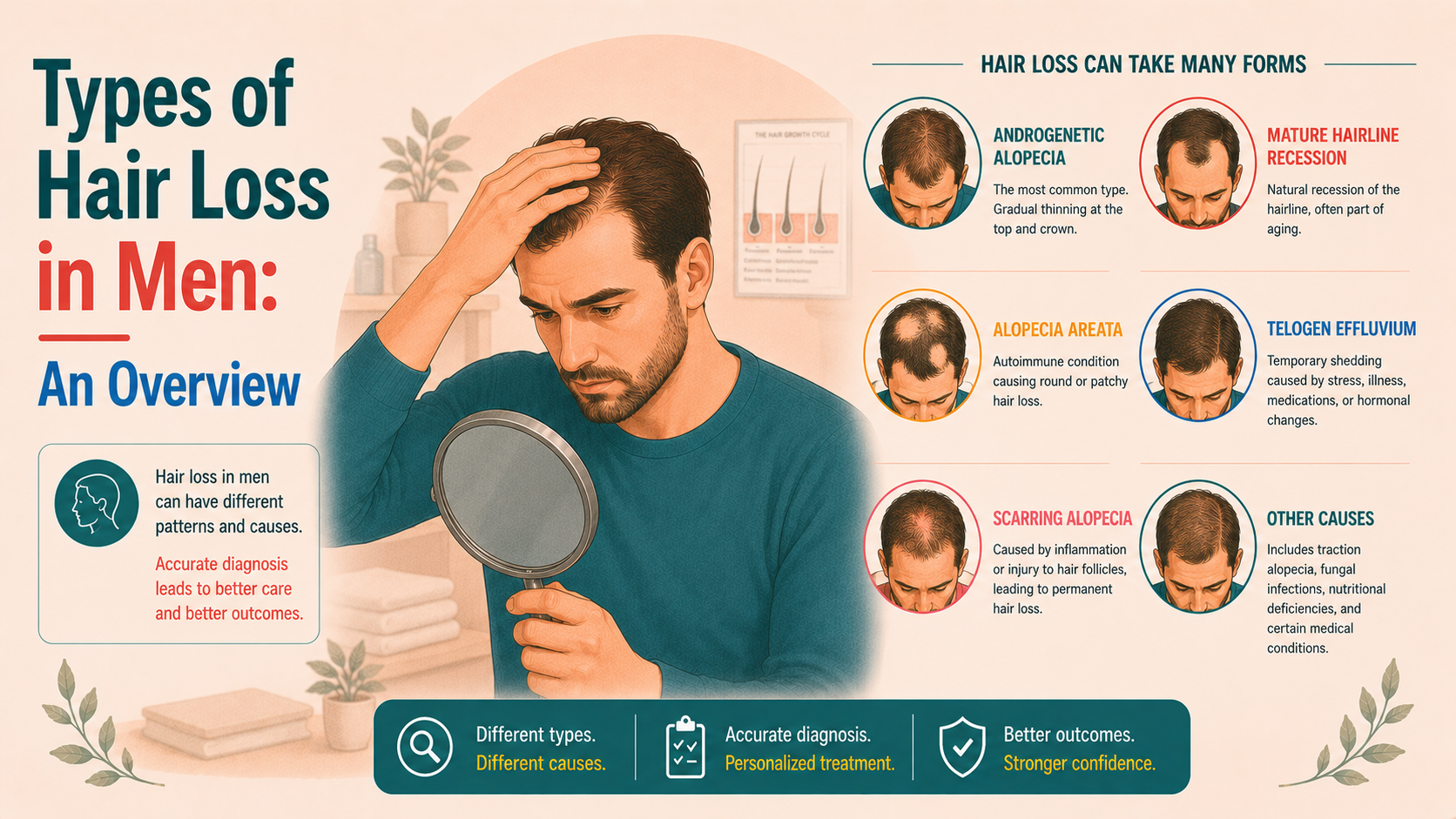
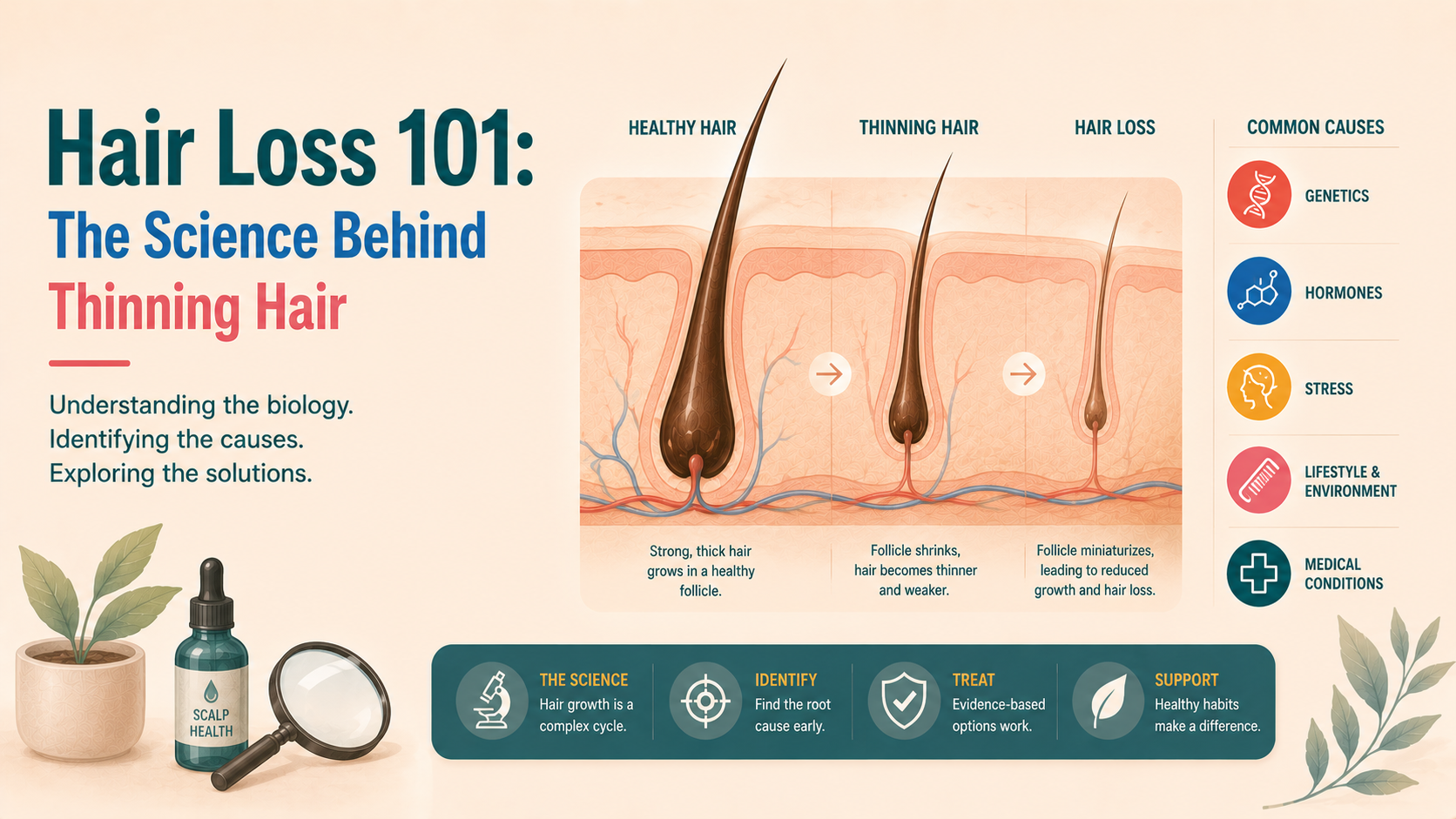
A consultation should establish what is causing your hair loss and whether surgery is appropriate. Pattern hair loss, temporary shedding and inflammatory scalp disease need different approaches. Some conditions make surgery unsuitable, at least until they are properly assessed and controlled.
Your donor area needs examining as carefully as the front of your head. Density, hair thickness, miniaturisation and the likely future pattern all affect the plan. Photographs can start a conversation, but a sales representative looking at phone pictures is not a substitute for a clinical assessment.
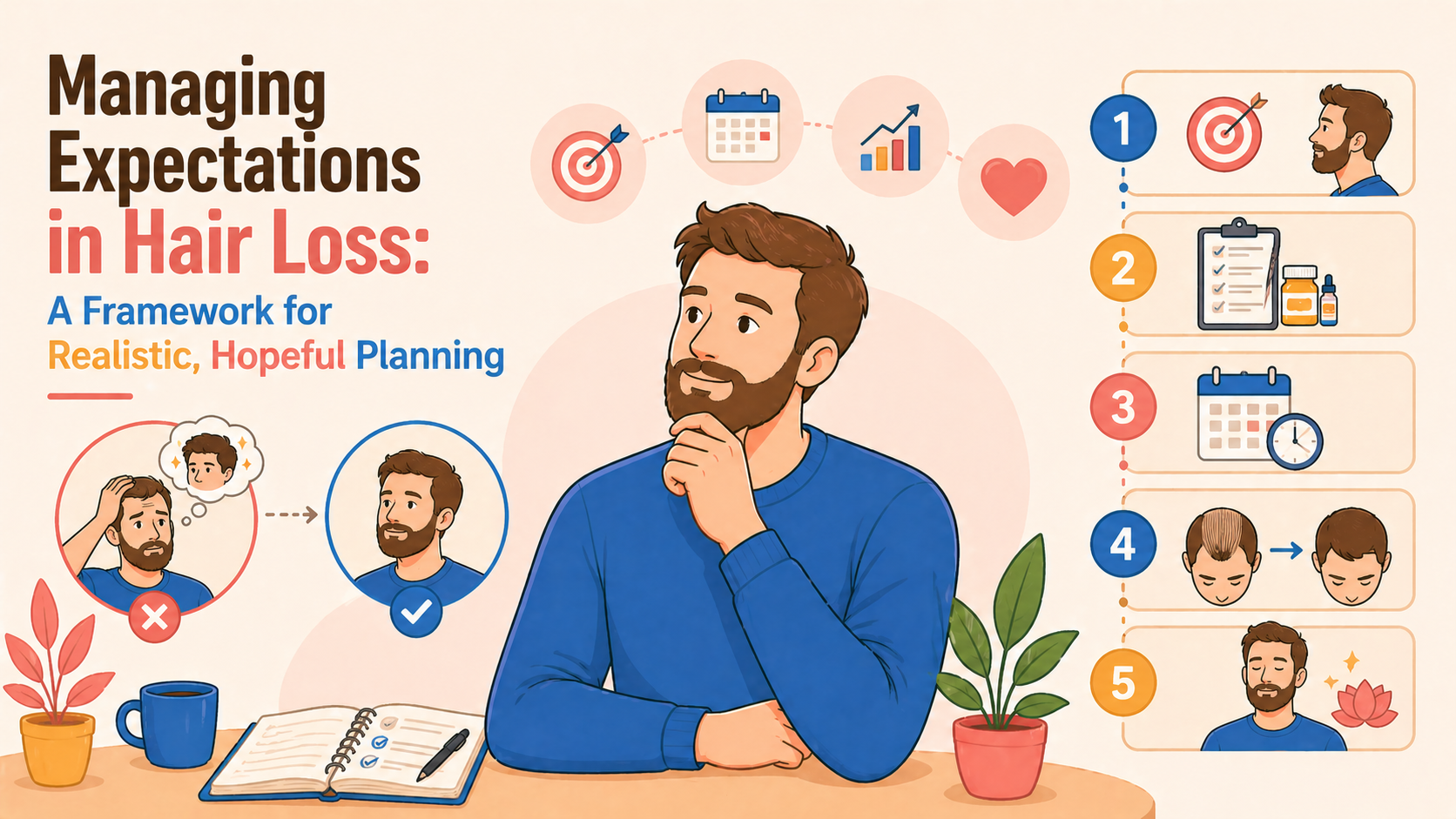
Ask what non-surgical options could achieve, whether your loss appears stable and why the proposed timing makes sense. A year on treatment is not an automatic certificate of readiness, and an arbitrary birthday does not make every person a good candidate.
Surgery moves existing follicles. It does not create a new supply, and an extracted follicle does not grow back in its original position. A large graft number is only helpful if it can be taken safely and used sensibly.
Grafts and hairs are different units. A graft can contain several hairs, and coverage also depends on their thickness, curl, colour contrast with the scalp and placement. Comparing packages by graft count alone misses most of what matters.
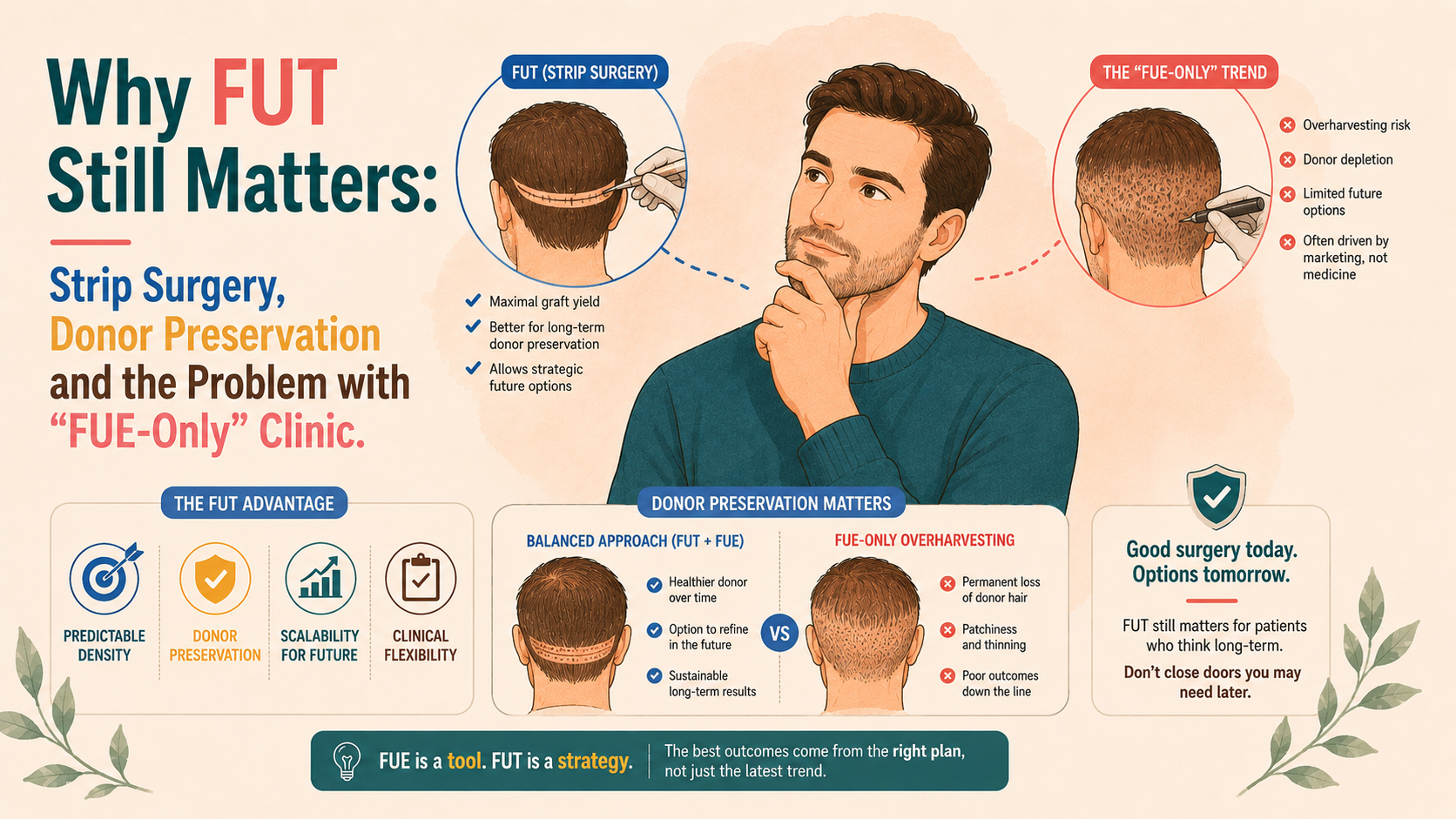
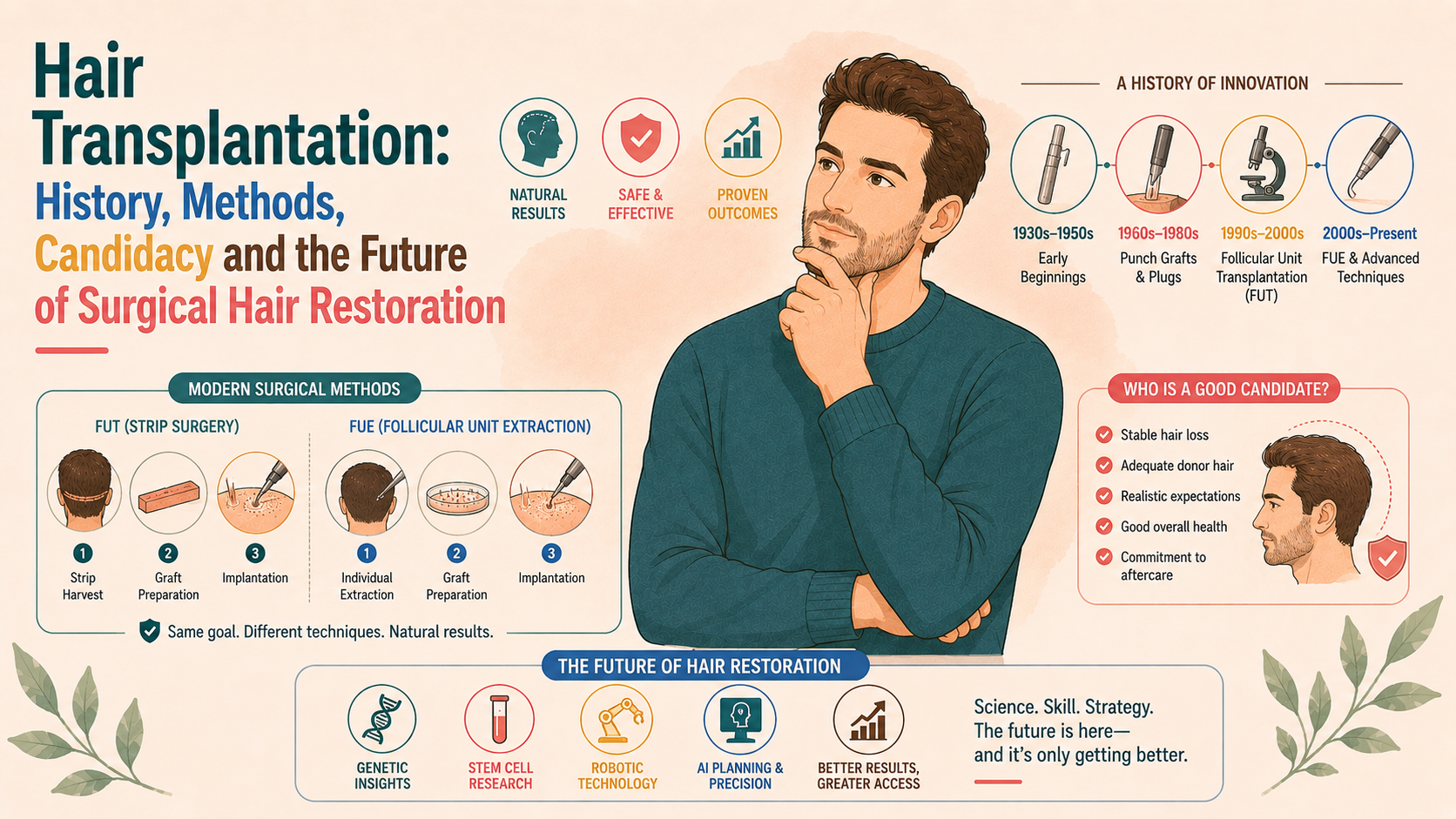
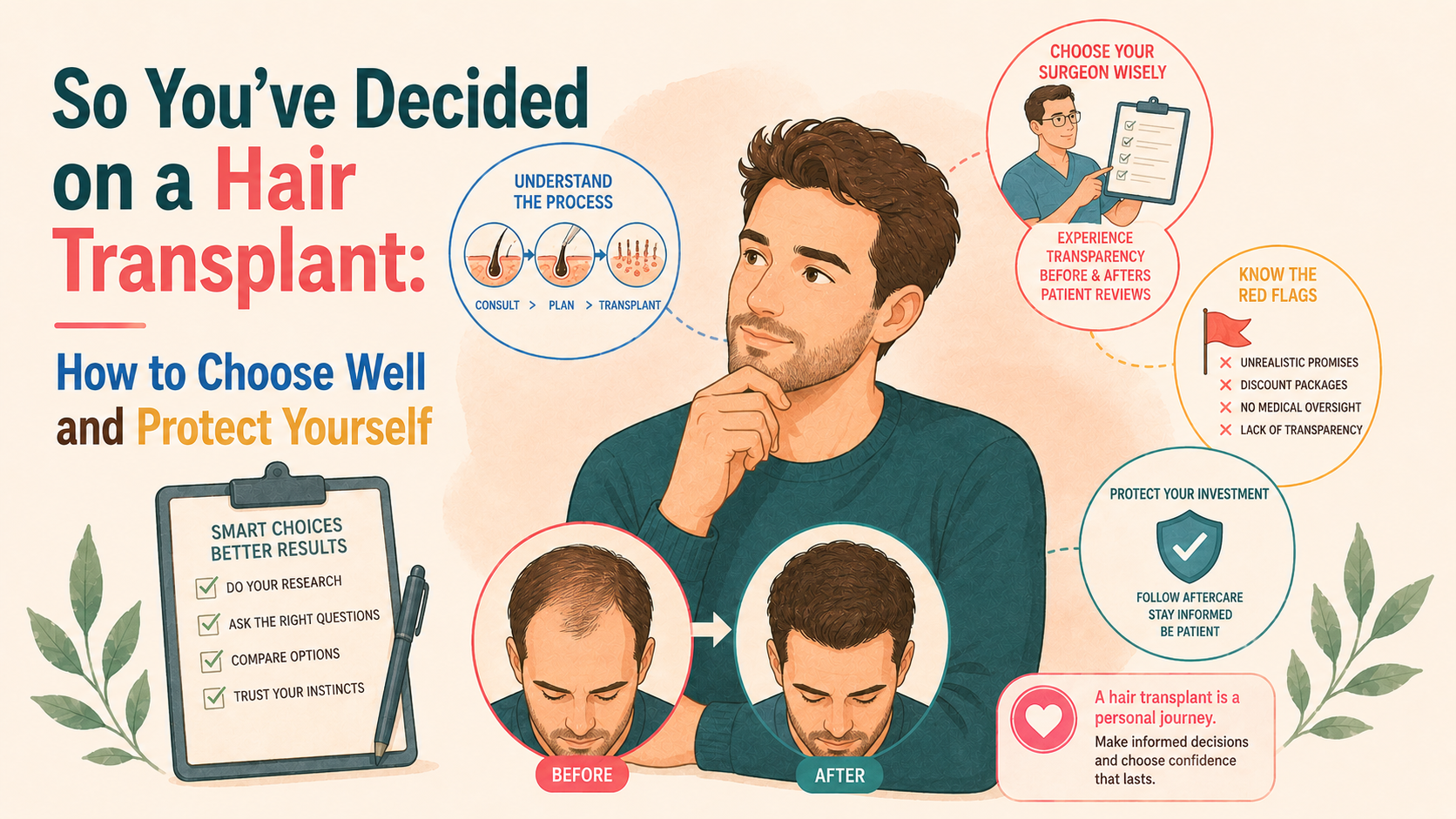
Ask the surgeon to explain the proposed hairline, what they expect to achieve now and what donor capacity might remain if you lose more hair. These are estimates, not guarantees. Look at donor photographs as well as flattering views of the finished hairline. Both FUE and FUT leave scars; “scarless surgery” is a warning sign.
Find out the name of the doctor responsible for your care and check their registration with the relevant medical regulator. Ask about their training and experience with patients whose hair loss resembles yours. A society membership or social media following is not a guarantee of a good result.
A surgical team may include nurses and technicians, but you should know who makes the incisions, removes the grafts and places them. Licensing and permitted delegation vary between countries. The clinic should be able to explain how each person is qualified and authorised for the work they perform, and how the responsible surgeon supervises your care.
Useful photographs show comparable lighting, hair length and angles, with the timing and number of procedures stated. Ask whether medicines or concealers contributed to the appearance. Selected success stories cannot tell you how often the clinic gets disappointing results or complications.
A clear answer can still include uncertainty. I would be more reassured by a surgeon explaining the limits of a prediction than by a promise that nothing can go wrong.
Good and poor practice exist in many countries. Geography and price are not reliable shortcuts for judging surgical quality. Having treatment near home can make follow-up easier, but it does not replace checking the clinic.
If you travel, work out how you would obtain an examination after returning home, who would pay for it and how you would access your records. A messaging service is useful, but cannot manage every complication. Include travel, time away from work and possible return visits in the budget.
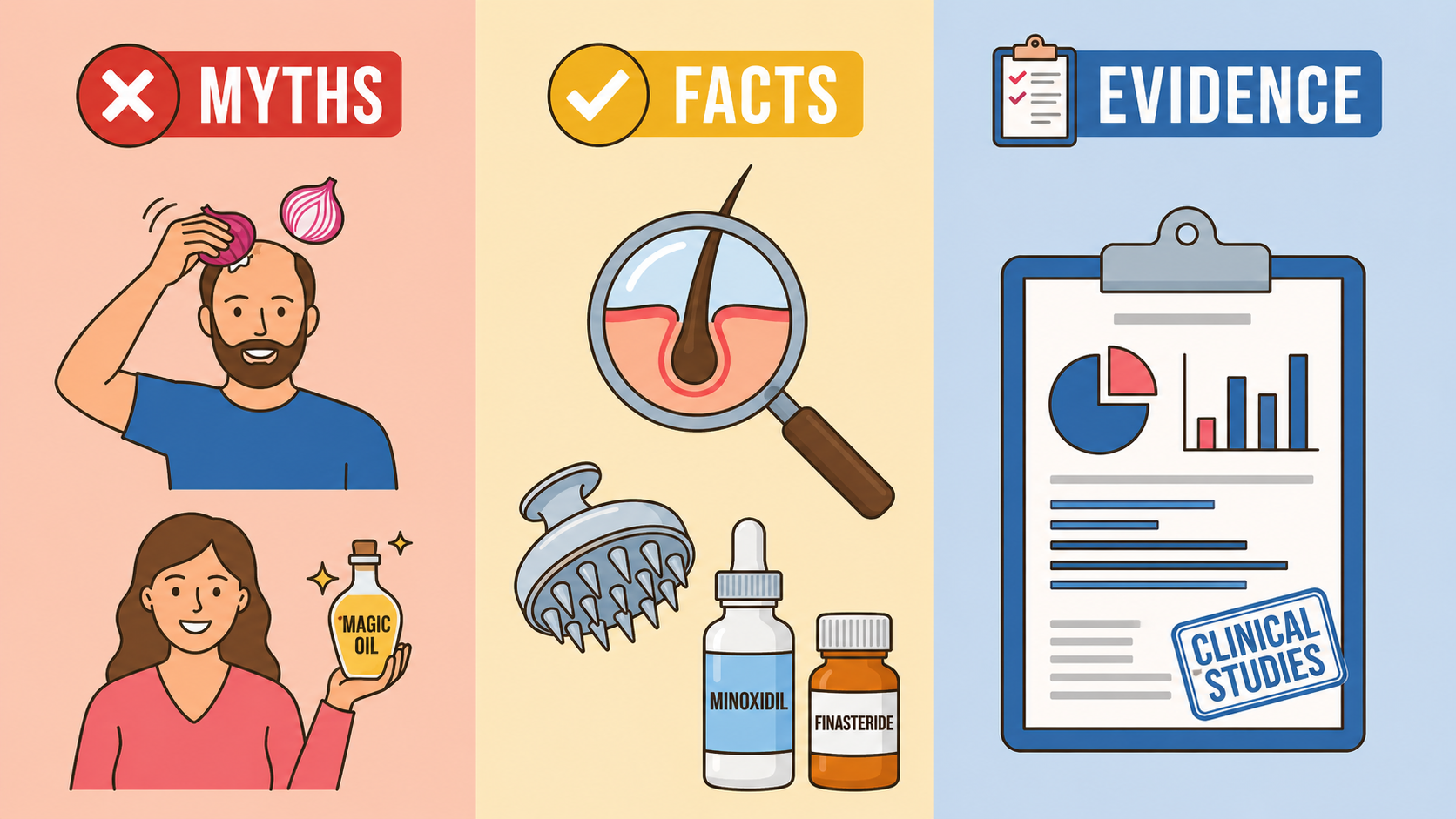
Be cautious about expiring discounts, guaranteed growth or pressure to add more grafts. You do not owe a clinic a deposit because it has spent time discussing a package with you. An independent opinion can help, particularly if the proposed plan feels much more aggressive than another surgeon’s advice.
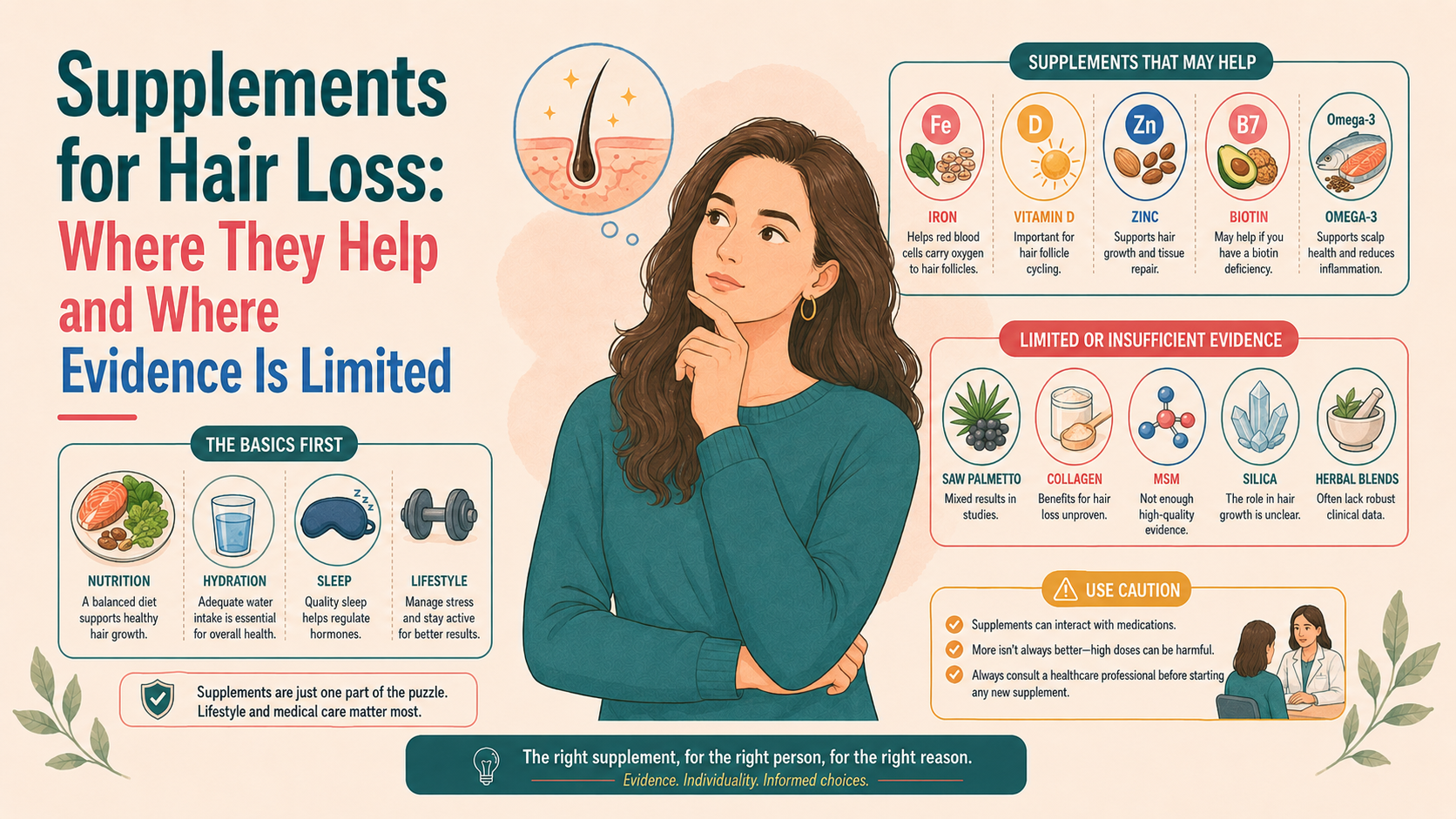
Recovery instructions should be specific to your operation. Discuss medicines and supplements beforehand, and do not stop prescribed treatment on your own. Arrange transport if sedation is used and enough time away from work. The NHS advises that people may need one to two weeks off, although the job and procedure make a difference.
Transplanted hairs commonly shed before new growth develops. The finished appearance takes months; the NHS describes a full result at around 10 to 18 months. Follow the clinic’s aftercare instructions and know how to contact it if pain, redness or swelling is worsening rather than settling.
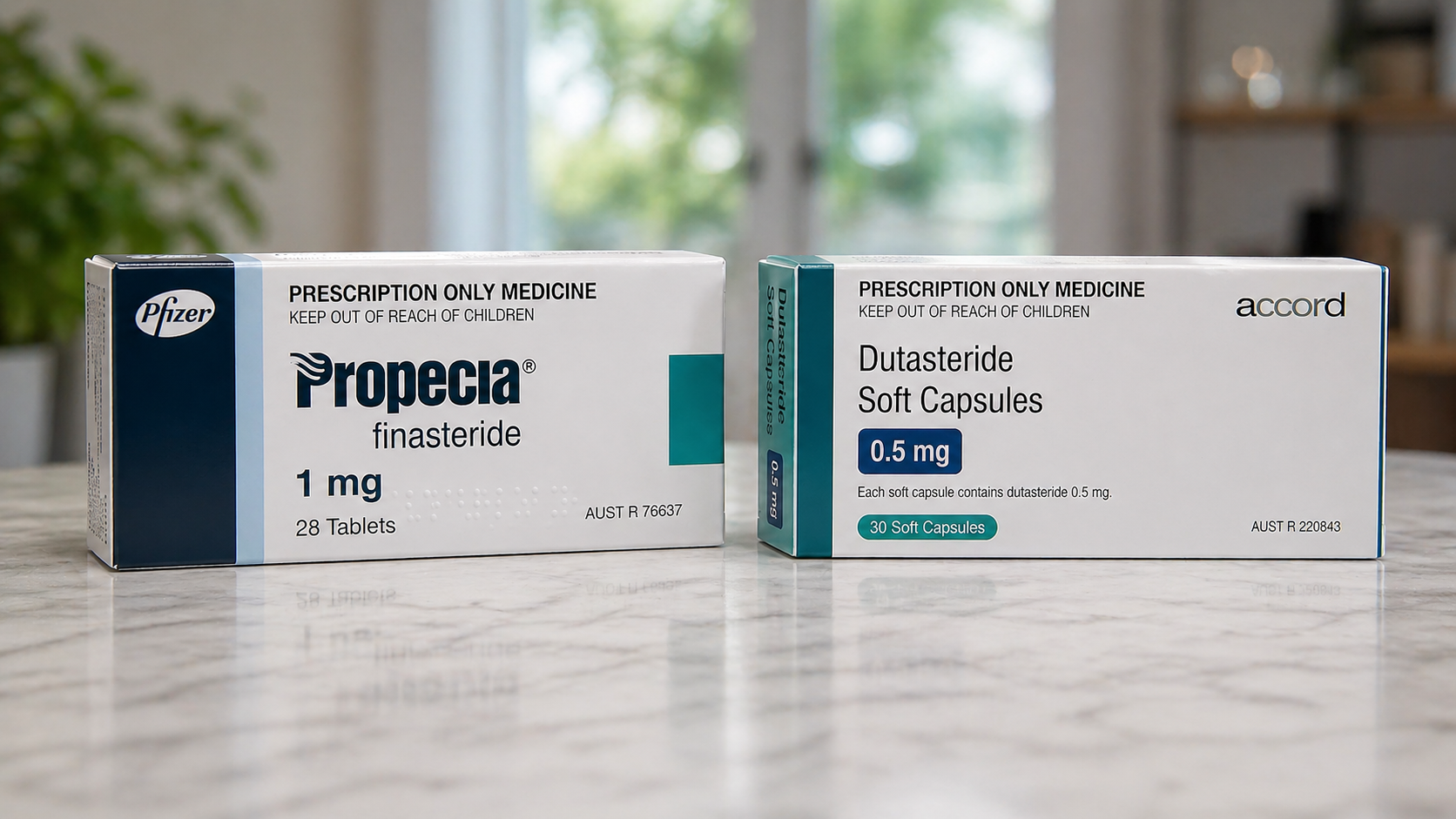
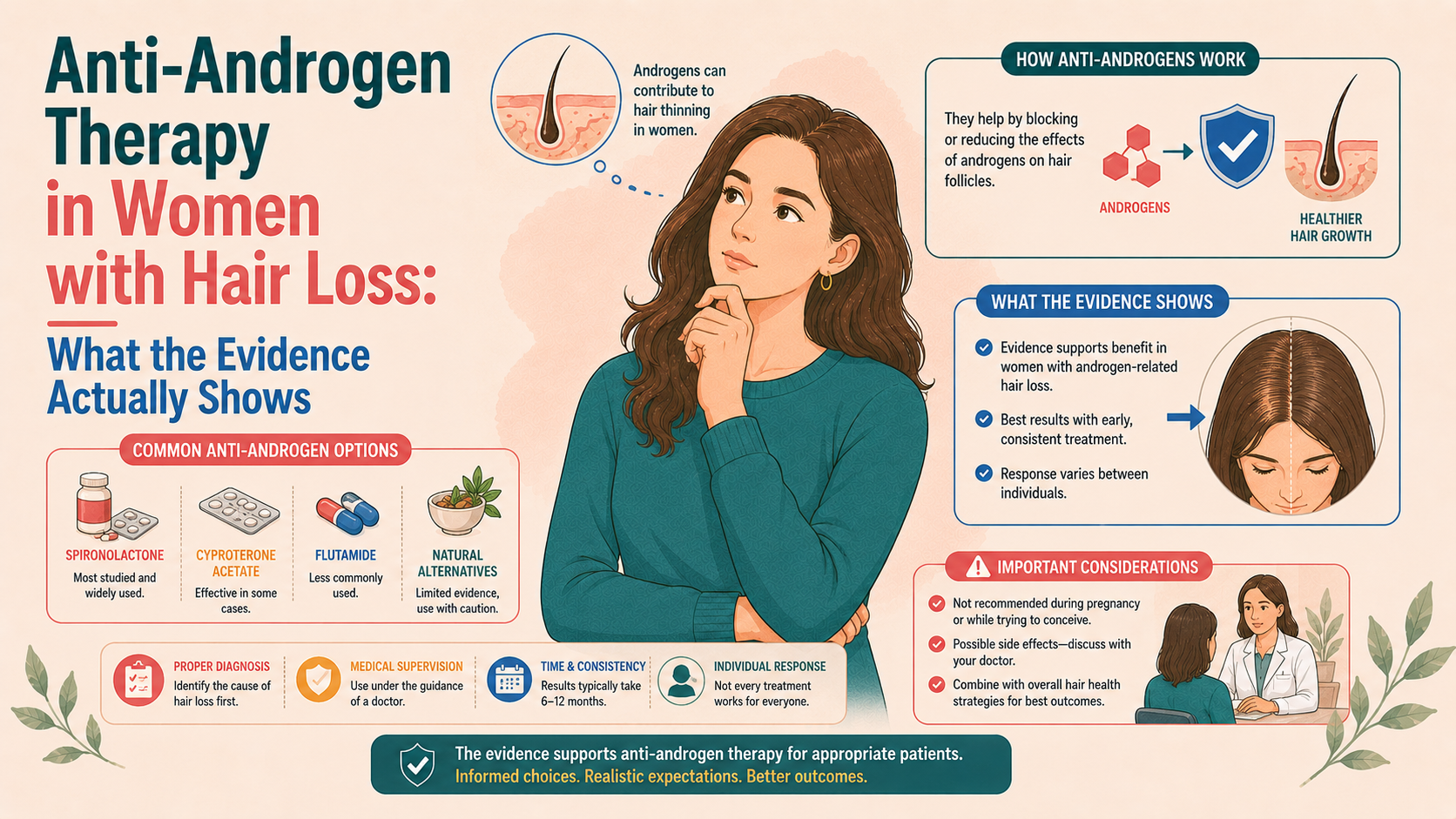
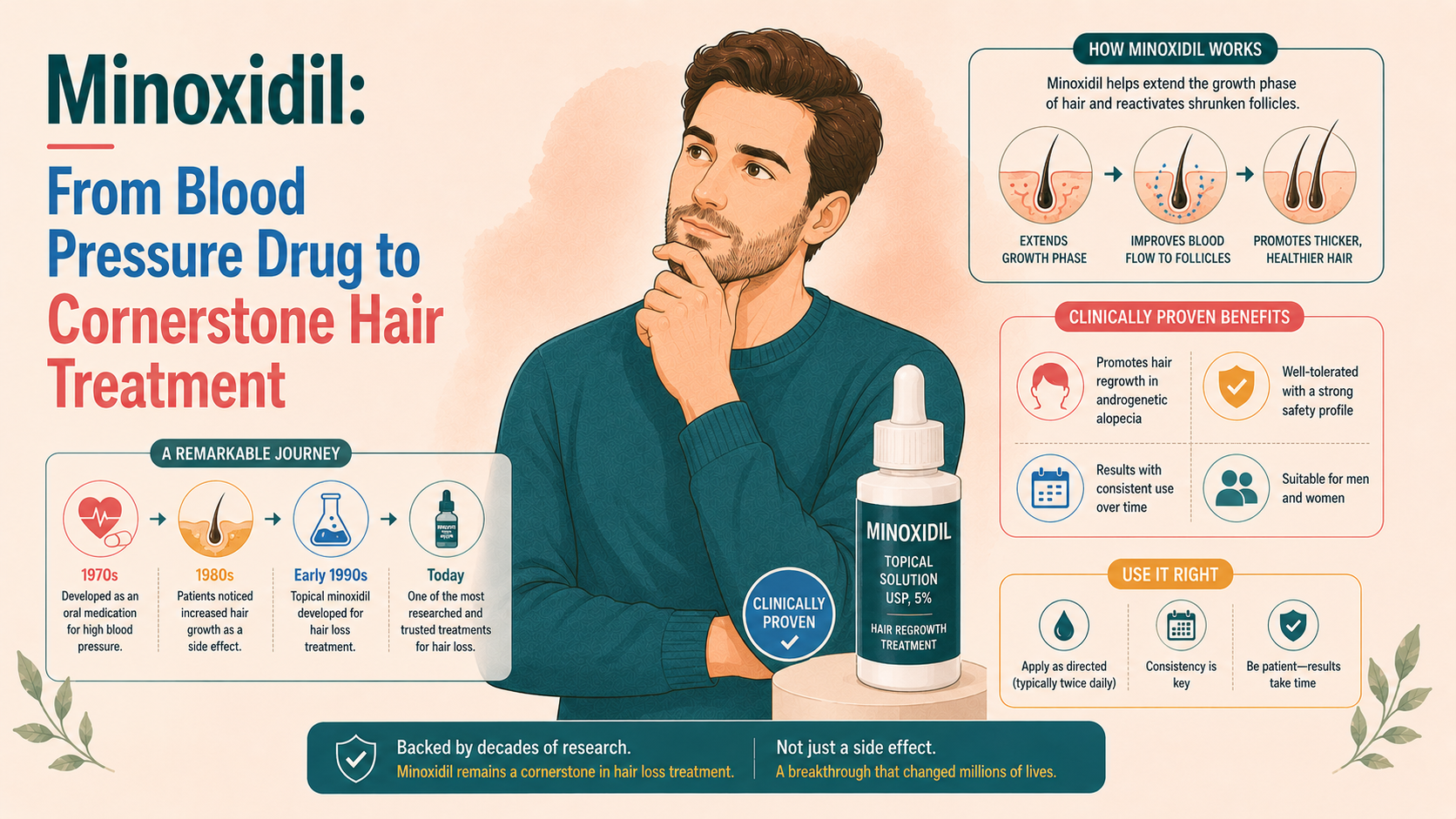
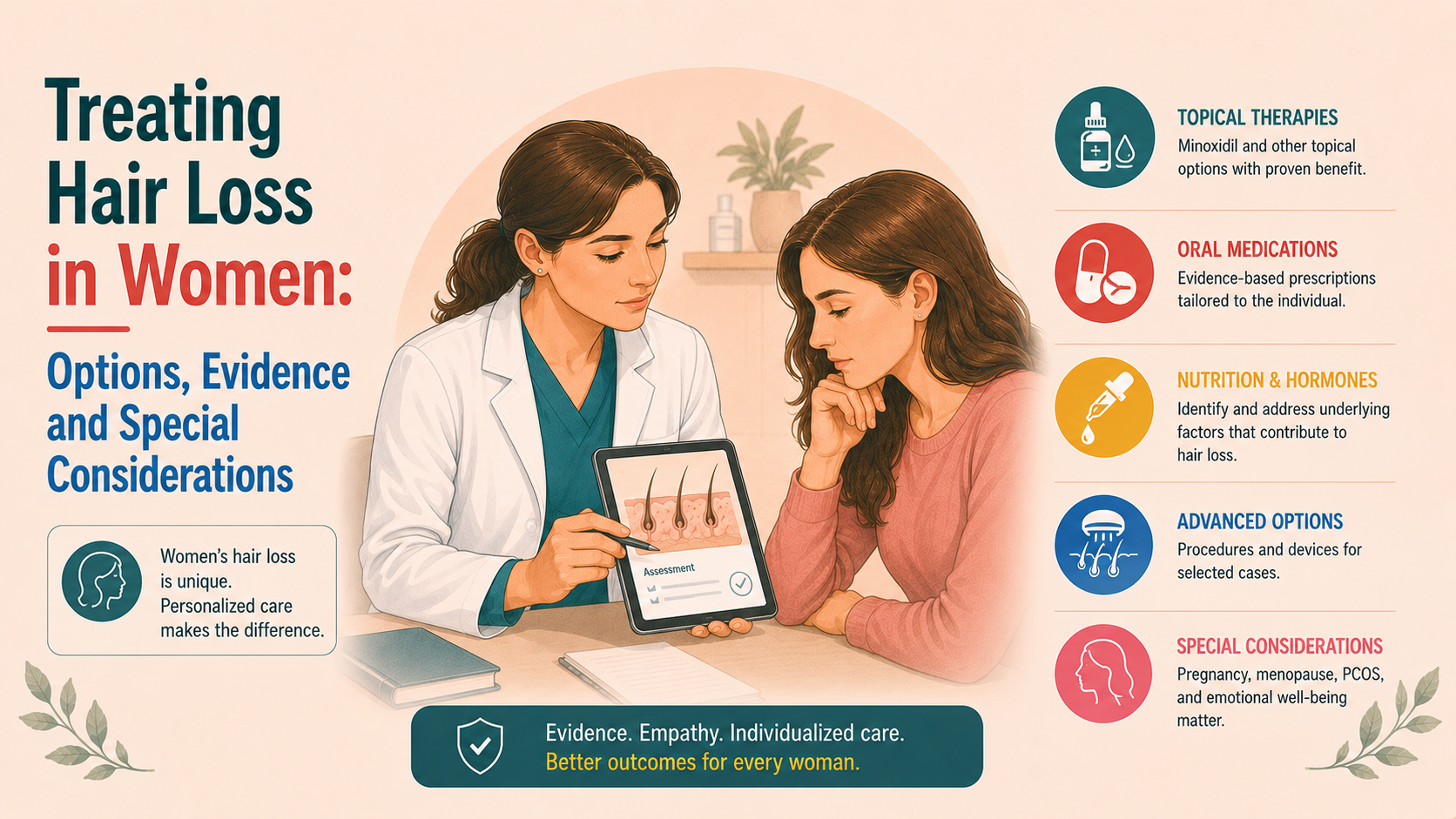
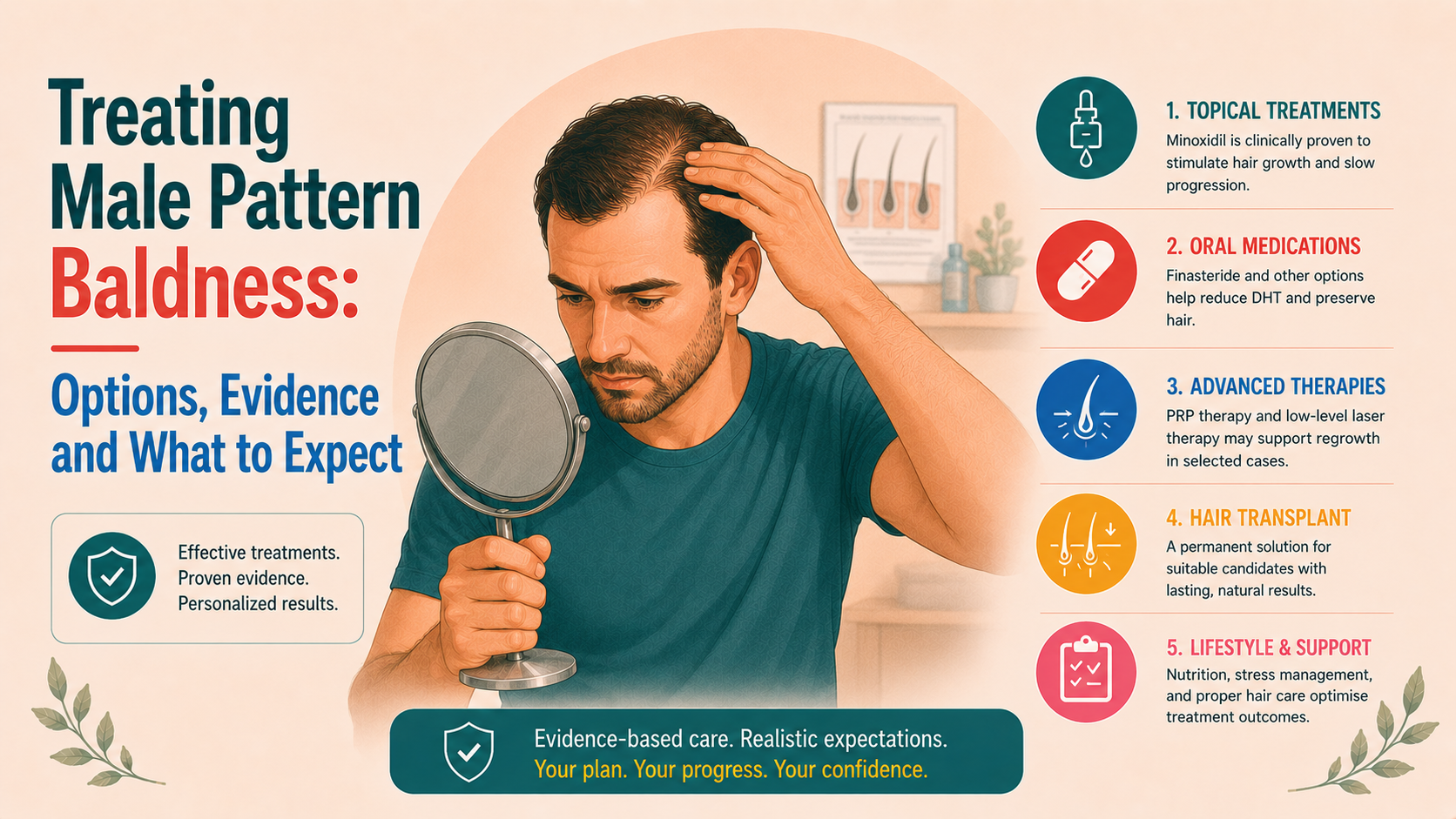
Transplantation does not stop pattern hair loss in surrounding native hair. Discuss suitable medication, its risks and what a plan without medication would look like. Treatment is an individual decision, not a condition you should feel pressured to accept without explanation.
The aim is a result that still makes sense as your hair changes. Taking time before surgery is part of that plan, not an obstacle to it.