Eyebrow and beard transplants can change facial framing, but natural direction, suitable donor hair and the cause of the loss need careful assessment.
Eyebrows and beards can be important to how someone recognises themselves. Losing them through illness, injury or repeated plucking may feel different from simply preferring a fuller shape.
Transplantation can be considered for reconstruction or a cosmetic change, including as part of gender-affirming care. The goal should come from the person considering it. Sparse facial hair does not make a face incomplete or say anything about someone’s worth or masculinity.
The first question is why the hair is absent. A naturally sparse beard and a new smooth patch are not the same problem, even if they occupy the same area.
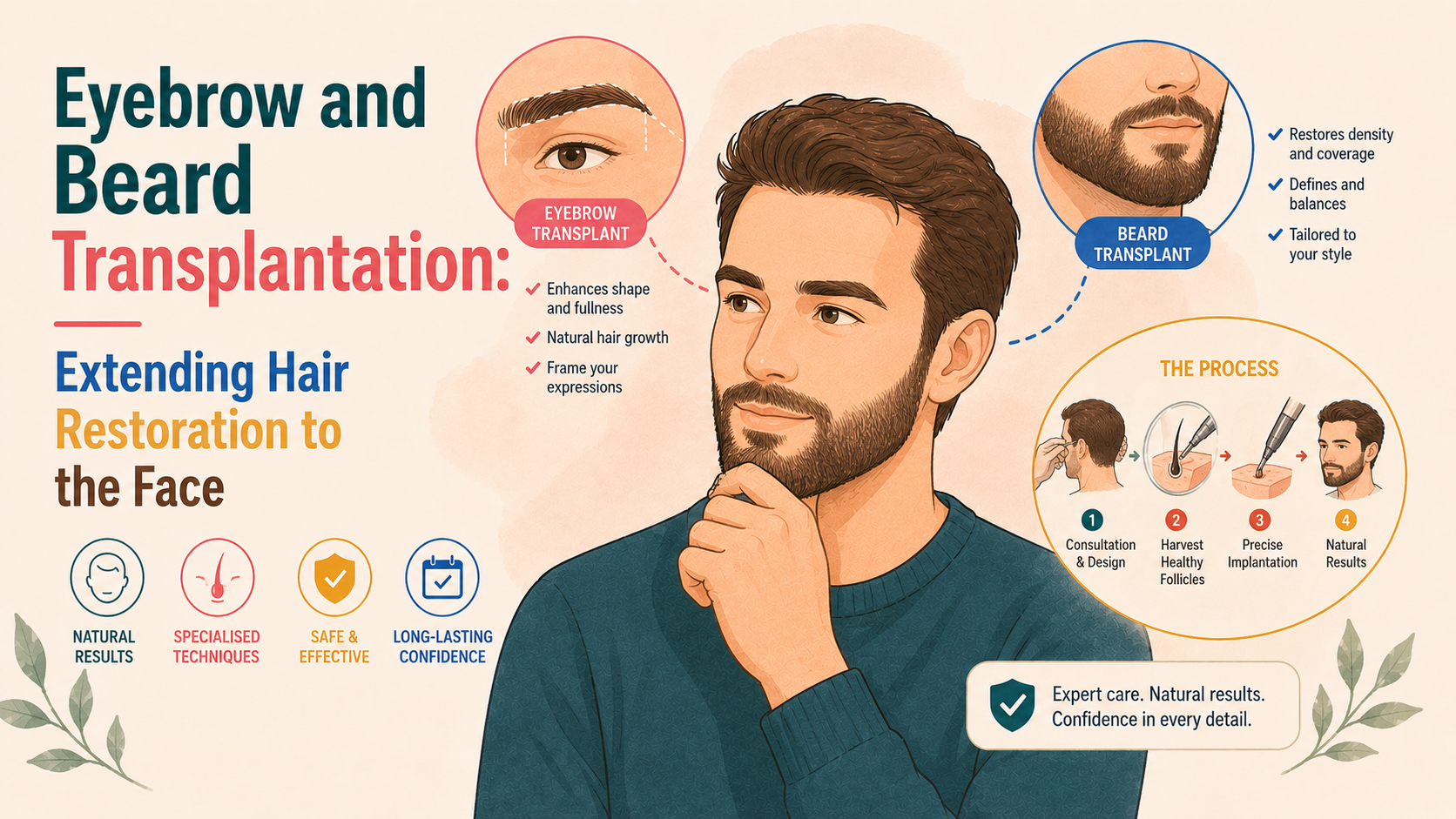
Natural eyebrow hairs change direction across a small area and usually lie close to the skin. A transplant needs to reproduce those transitions, with a shape that suits the person’s preferences and existing features.
Single-hair grafts are commonly used, with donor selection guided by calibre, curl and colour. Putting more grafts into the area does not automatically make the result more natural. Direction and a soft border can matter more than maximum density.
Scalp hair transplanted into an eyebrow generally retains a longer growth cycle. Regular trimming and grooming are part of the commitment. It should not be sold as an entirely maintenance-free replacement for eyebrow hair.
Beard work may fill a scar, improve an area of sparseness or create broader coverage. The plan should take account of the intended style and how the result will look at different lengths.
Scalp hair and beard hair can differ substantially in thickness, curl and texture. Selected beard hair may sometimes be used as donor hair, but removing it changes the source area too. Neither donor site offers an unlimited supply.
Growth direction varies across the cheeks, chin and neck. Incorrectly angled grafts or an overly sharp outline can be conspicuous, particularly with short stubble. Ask to see healed examples relevant to your hair and skin characteristics.
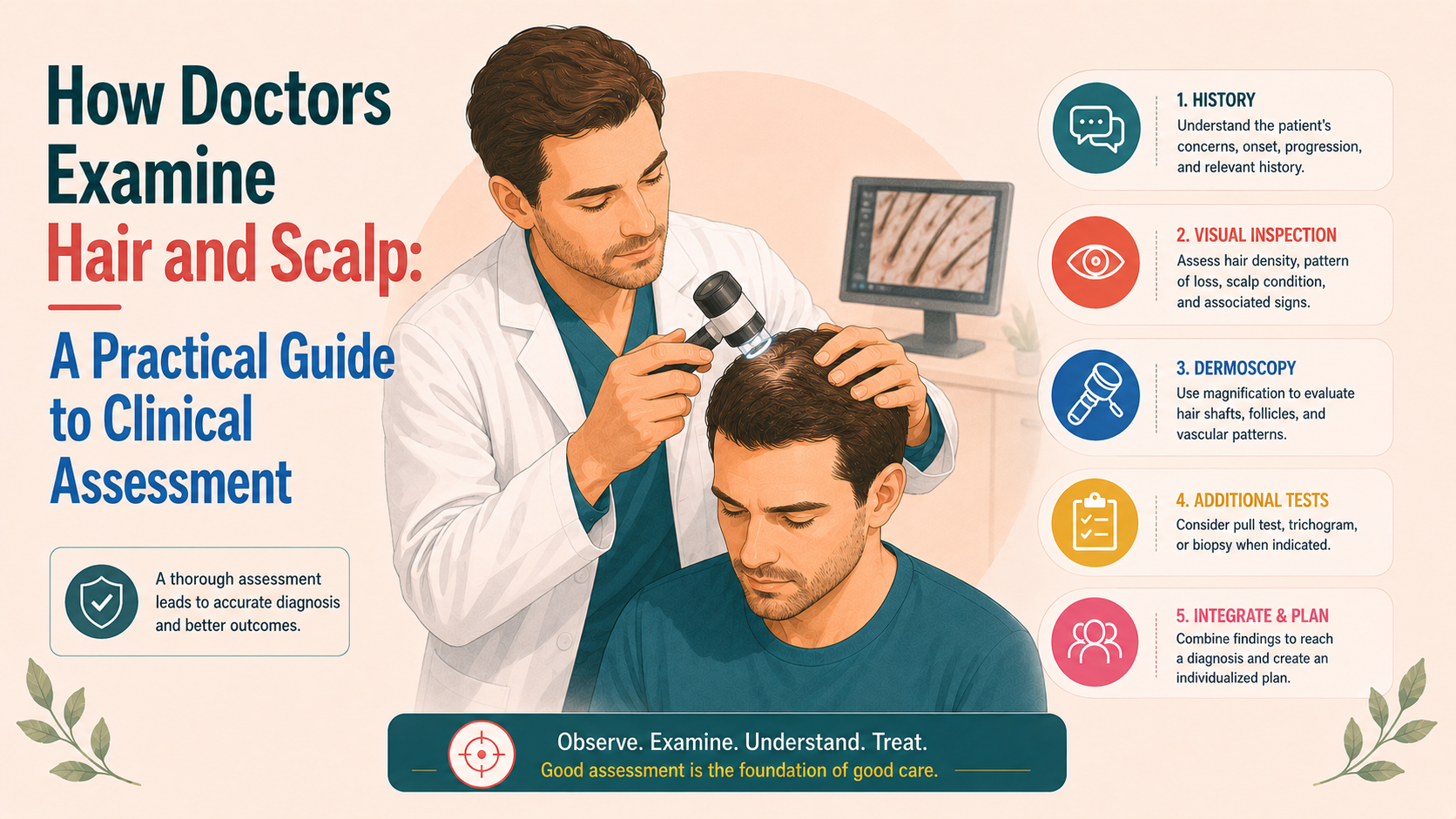
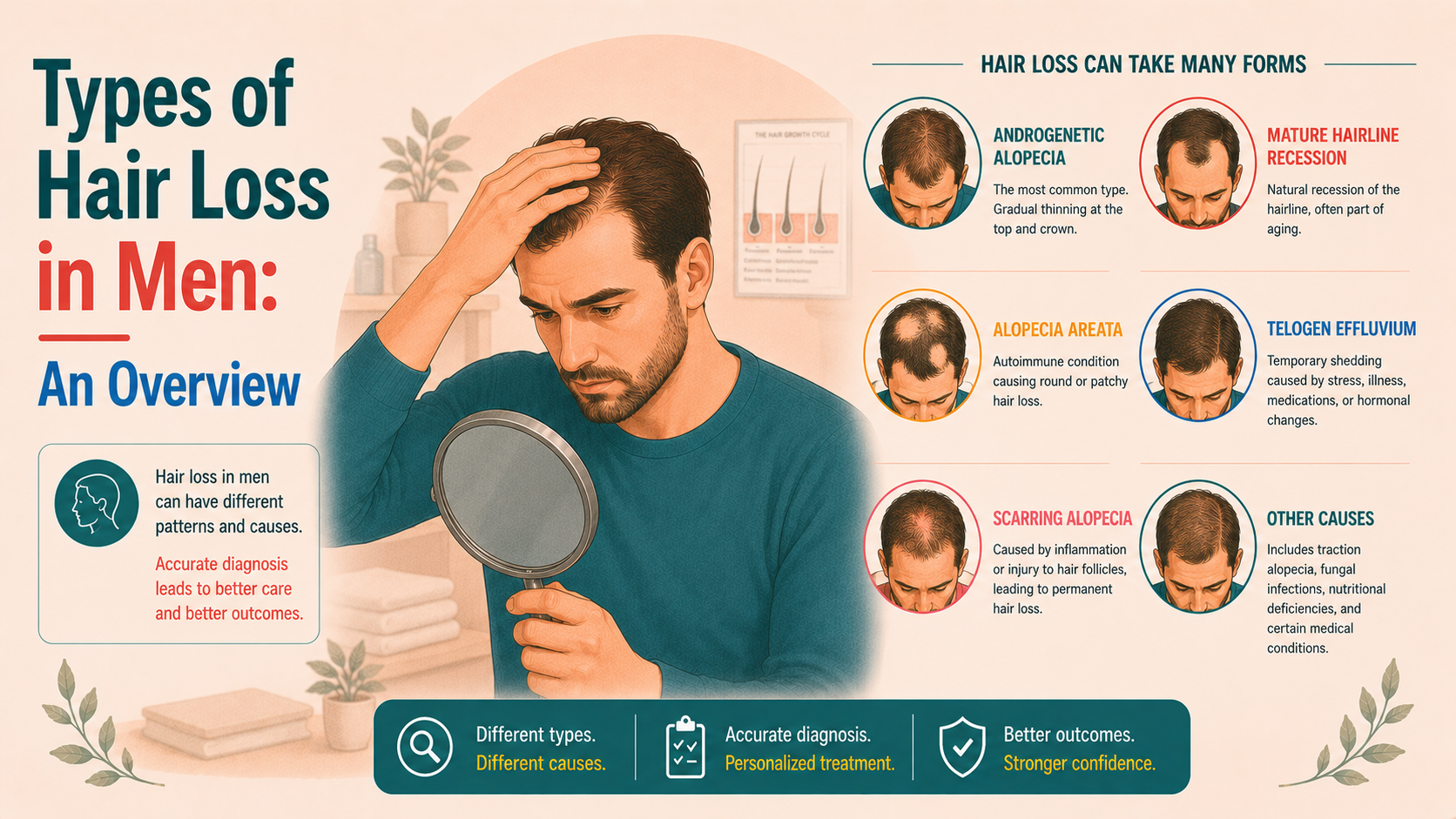
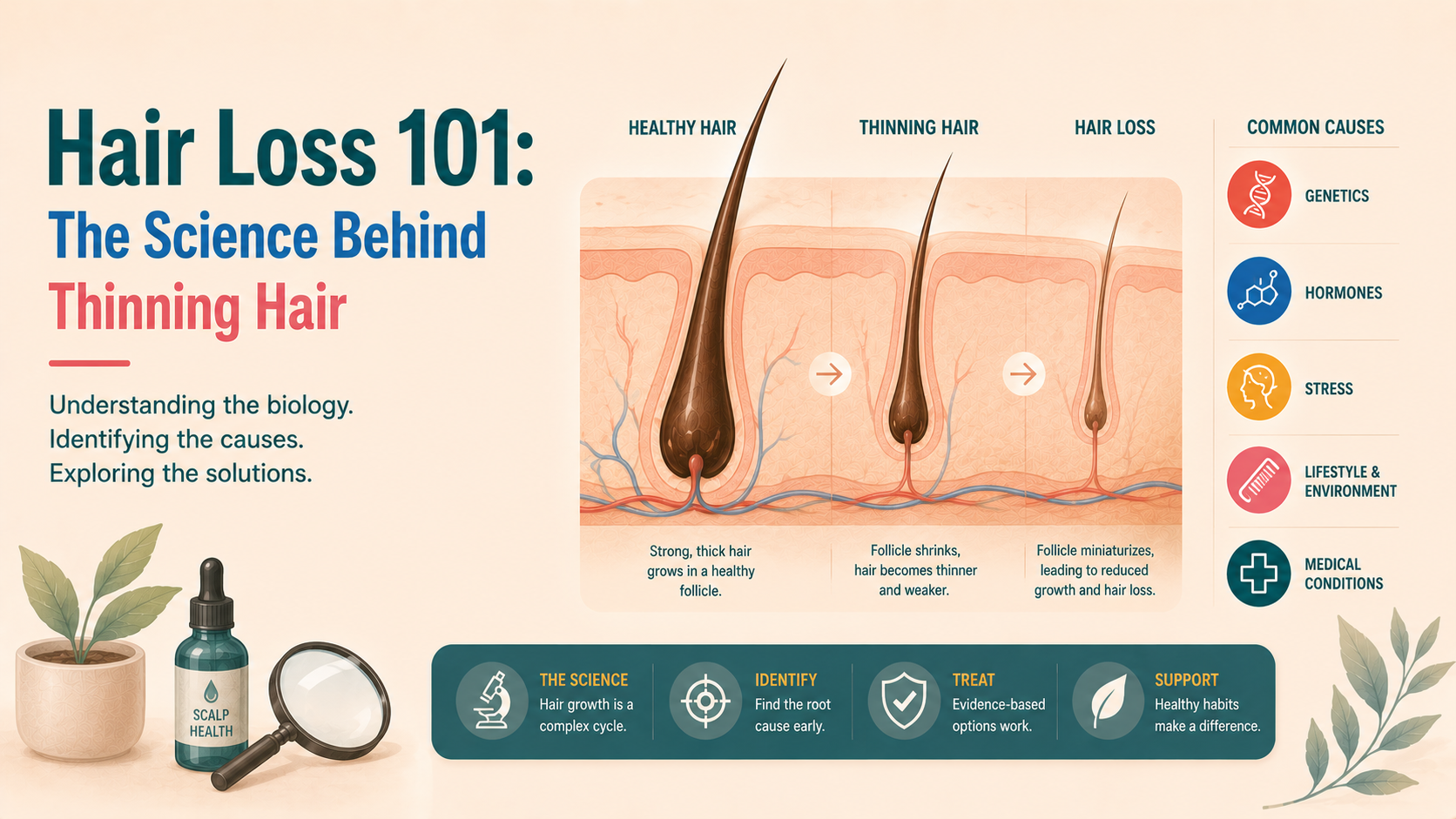
Eyebrow loss can accompany frontal fibrosing alopecia, while beard patches may reflect alopecia areata. Infection, trauma and other causes also need considering. Transplanting into an active disease process can leave the grafts vulnerable to the same condition.
Even apparently quiet scarring alopecia can recur after surgery. Studies of transplantation in frontal fibrosing alopecia and lichen planopilaris are limited, and some initially encouraging results deteriorate later. A fixed period without symptoms does not guarantee safety.
These cases need specialist assessment and a frank discussion of uncertainty. Treating the disease or using reversible camouflage may be more appropriate than surgery. Transplantation is generally a poor solution for active alopecia areata because it does not address the autoimmune process.
Hair can sometimes be transplanted into a stable scar from an injury, burn or operation. The scar’s blood supply and tissue quality affect survival, so smaller test areas or staged procedures may be considered.
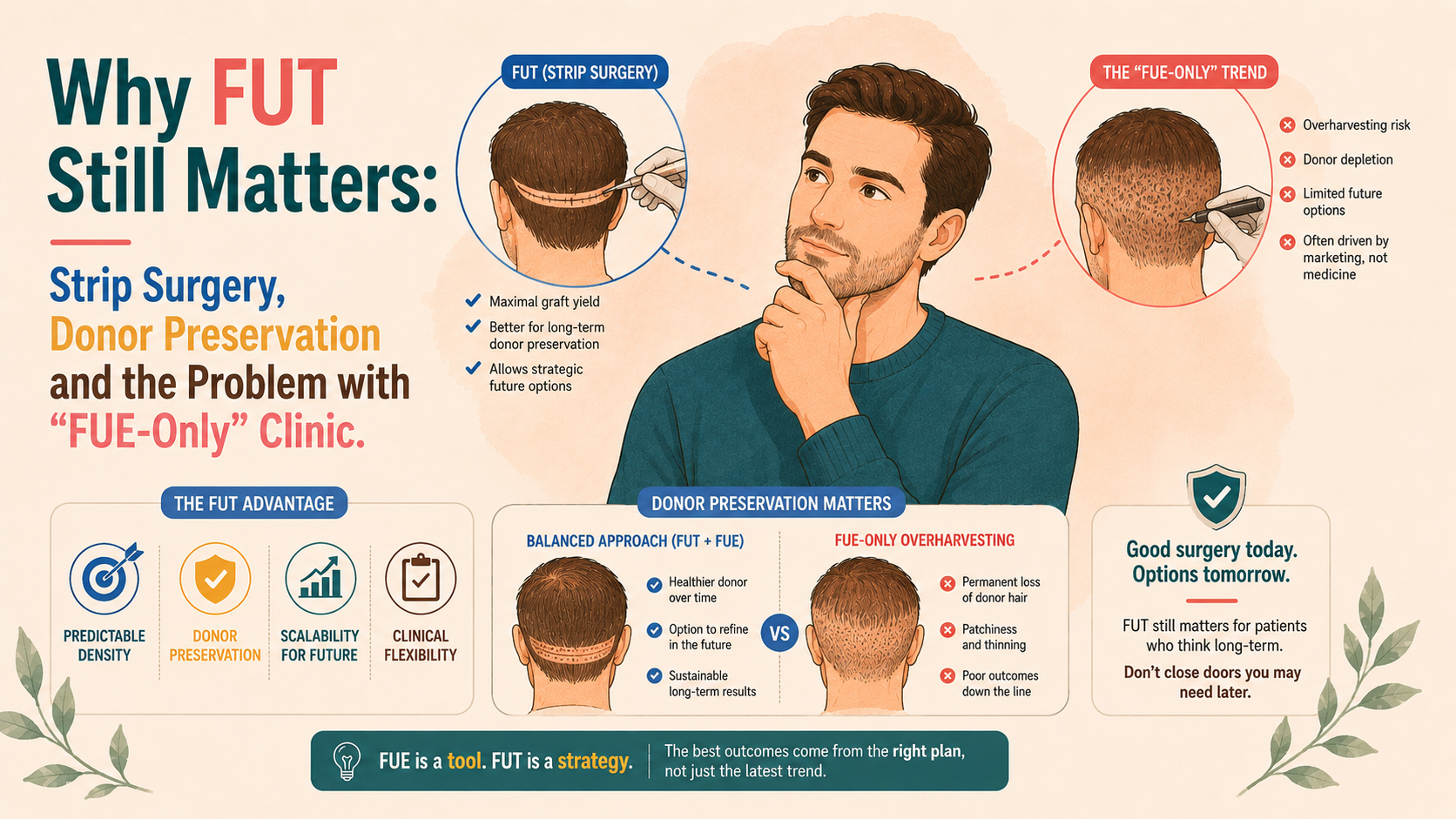
If scalp donor hair is used for the face, that hair is no longer available for a future scalp transplant. This deserves particular attention when someone is young or already showing pattern loss.
Ask how the proposed procedure fits with the whole donor assessment. Wanting fuller facial hair is a valid preference, but the trade-off should be visible before the grafts are committed.
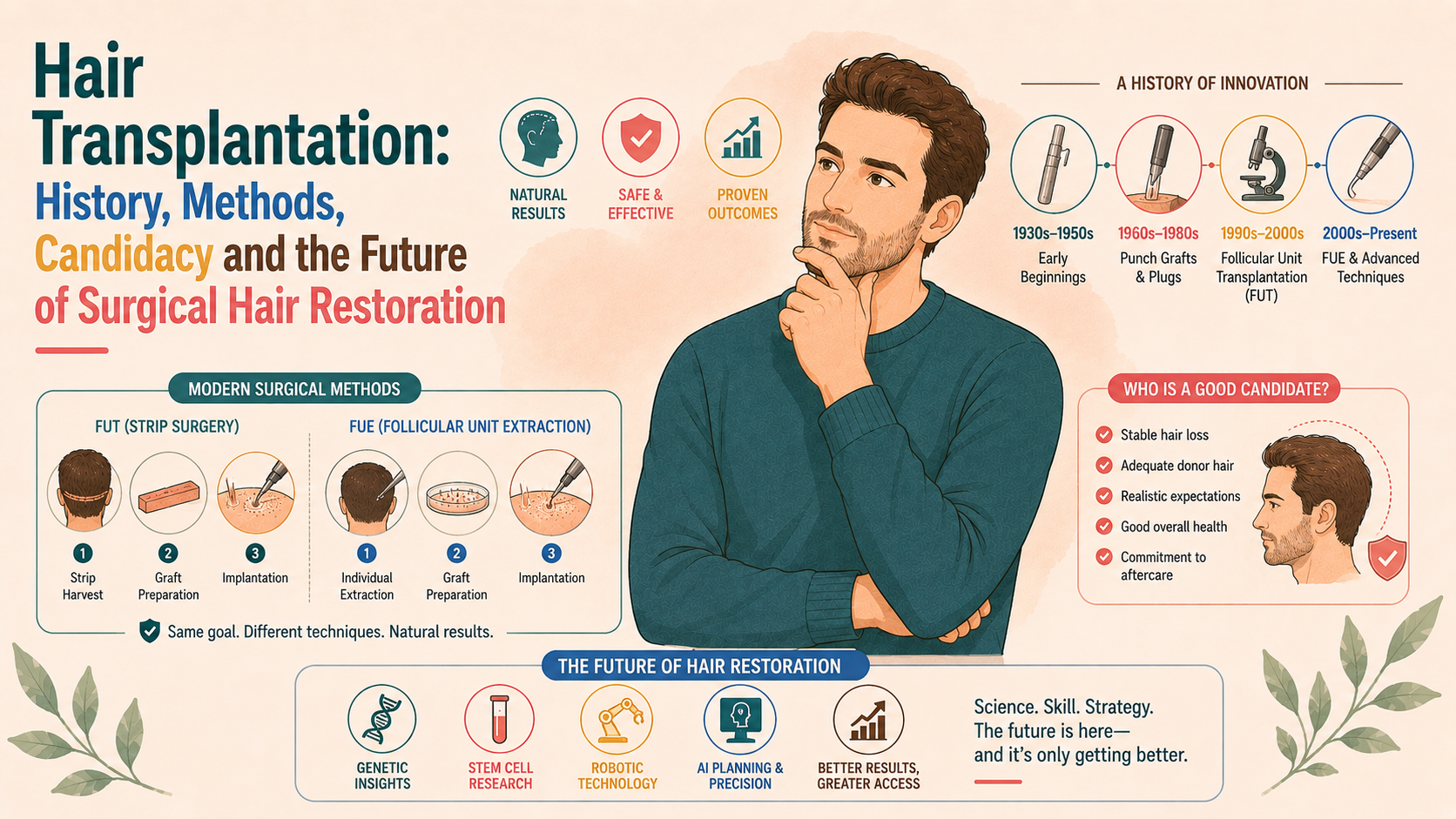
Swelling, redness and crusting are common early experiences. Transplanted shafts may shed before new growth appears over subsequent months. The final result takes time to assess, and another procedure may sometimes be needed for incomplete growth or density.
Risks include infection, scarring, cysts, ingrown hairs, irregular skin texture and hairs growing in the wrong direction. Donor thinning and scars can also be visible. Correcting a result may be difficult, so it is worth discussing how the surgeon handles these problems before treatment.
Follow the operating team’s aftercare instructions, including advice about washing, shaving, grooming and when to report symptoms. Avoid treating a generic online timetable as personalised aftercare.
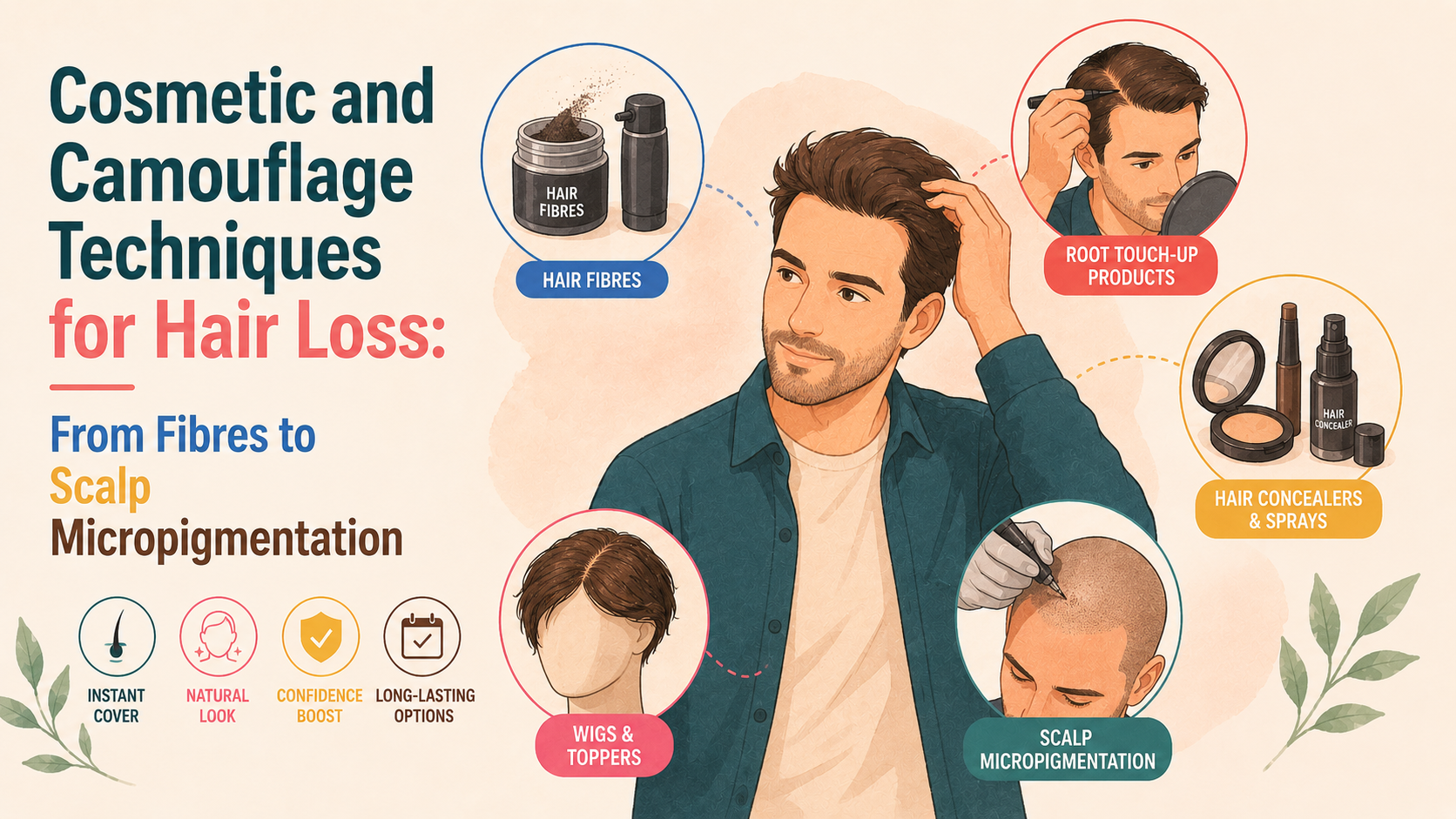
Eyebrow pencils, temporary cosmetics and other camouflage can provide an immediate change without using donor hair. Tattooing and microblading add pigment rather than growing hair, and may suit some people.
Permanent makeup is still a procedure. Infection, allergic reactions, colour change and an unwanted shape are possible, and removal can be difficult. It should not be presented as a risk-free way to test a shape. Active skin disease also needs considering before tattooing.
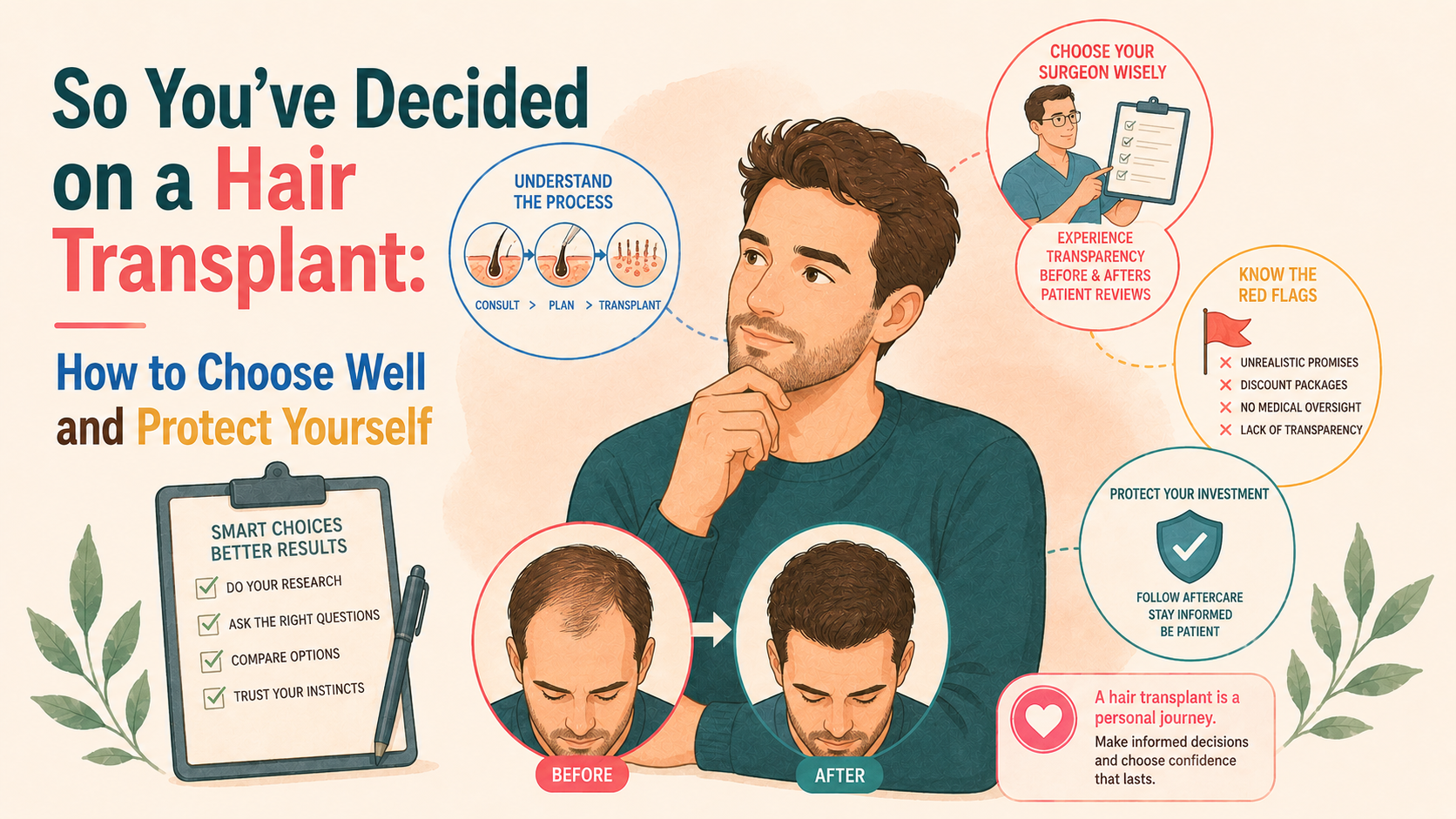
A useful consultation explains surgical and non-surgical options without making you feel that a particular facial feature needs fixing. You should understand what the result would require from you as well as what it might offer.