Hair Loss 101

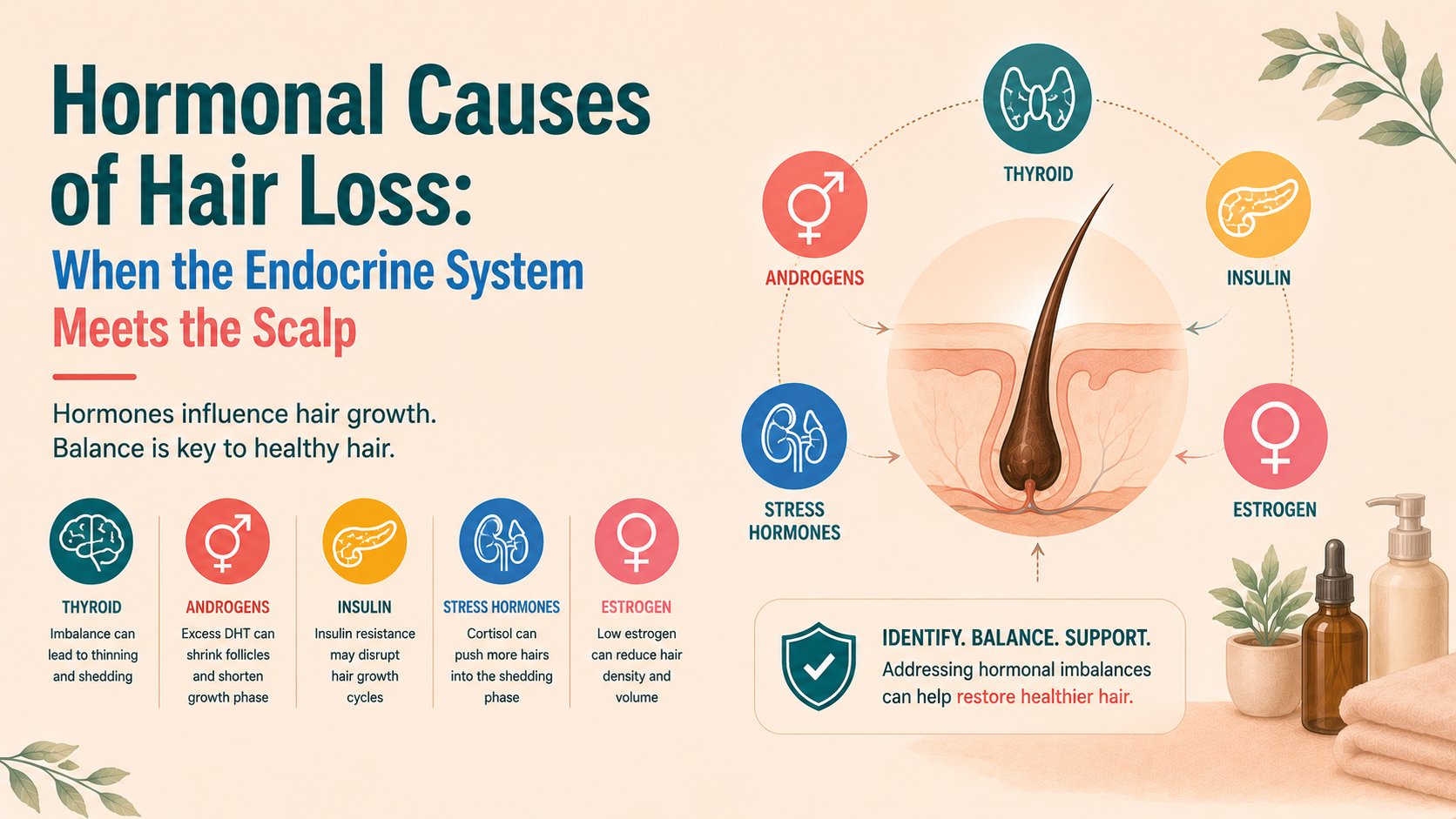
Hormonal Causes of Hair Loss: When the Endocrine System Meets the Scalp

Hormones have a powerful but often misunderstood influence on hair. This article explains how changes in androgens, female sex hormones, thyroid hormones and other endocrine signals can contribute to hair loss, and how doctors approach the evaluation of “hormonal” hair concerns.

[headshot]
Dr. Harry M Griffiths
Article Summary

1. How hormones and hair are connected

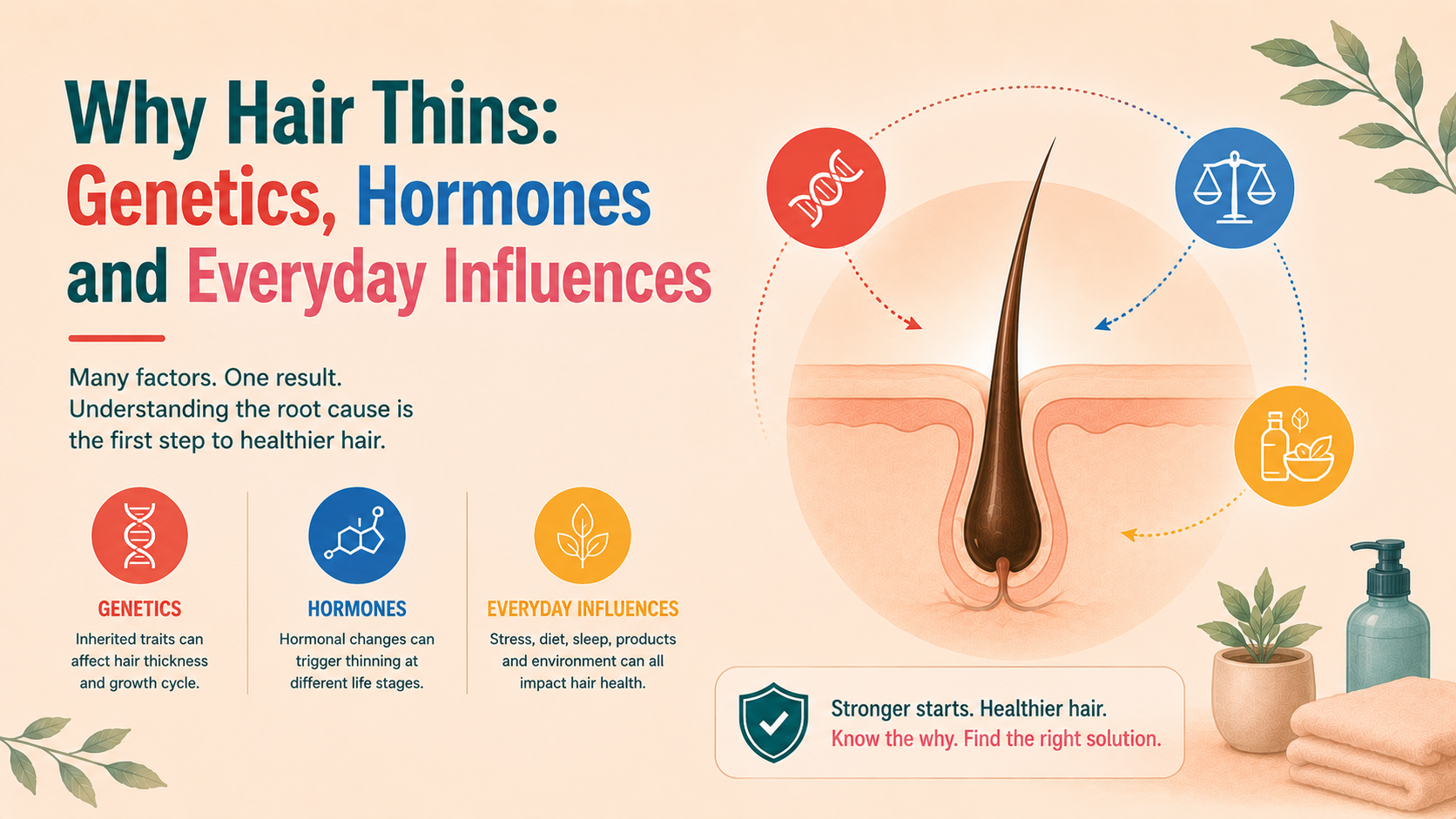
Hair follicles are not separate from the rest of the body. They sit within a web of blood supply, nerves, immune signals and hormones. Several hormones:

  • influence the length of the growth phase,
  • determine shaft thickness and pigmentation, and
  • modulate the sensitivity to stress and inflammation.

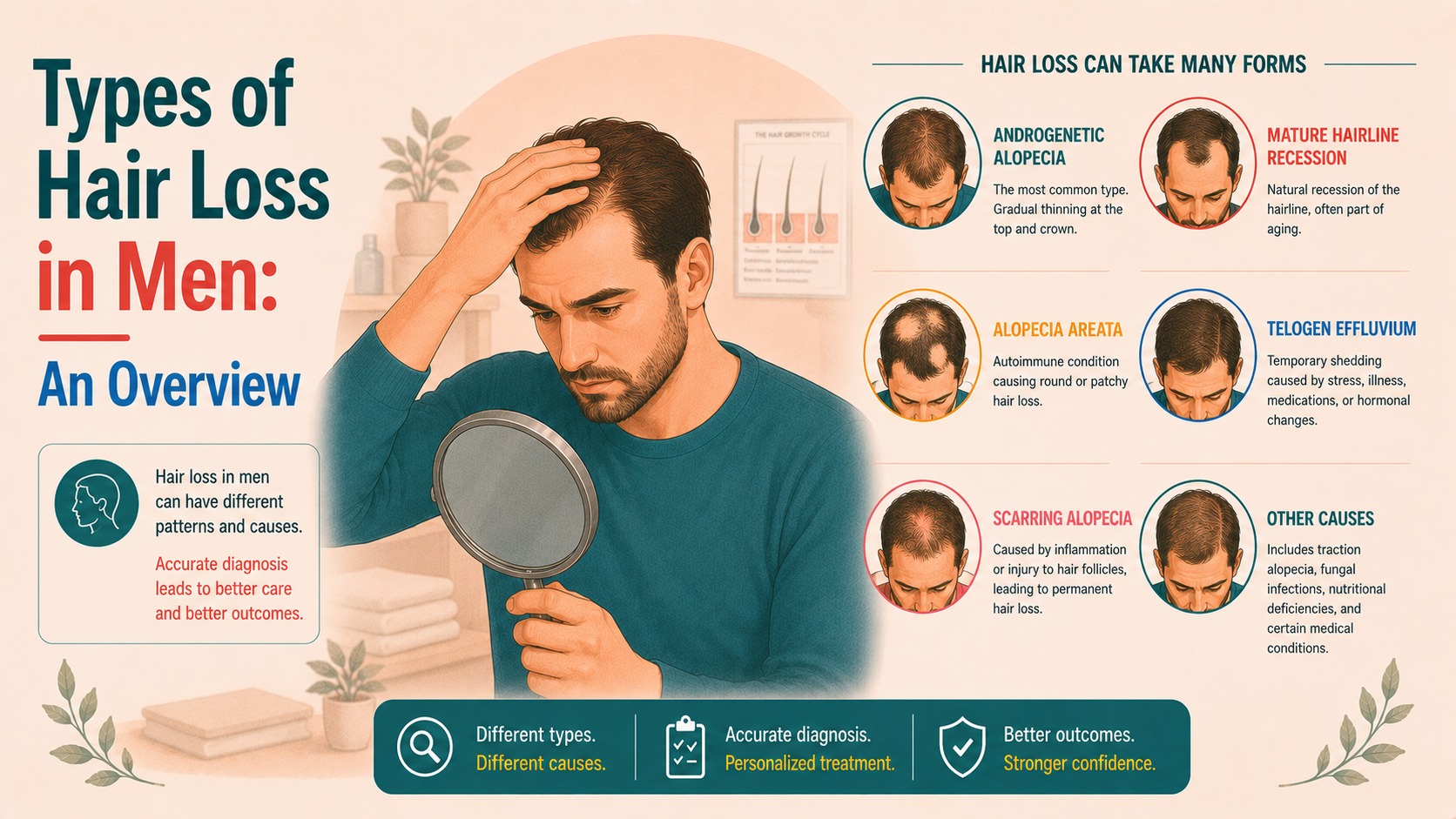
Androgenetic alopecia (male- and female-pattern hair loss) is the most common example of hormonal influence, driven by how hair follicles respond to androgens. But it is not the only one. Thyroid hormones, prolactin, cortisol, and metabolic hormones can also influence hair behaviour.

Understanding this does not mean every case of hair loss is “hormonal” in the simplistic sense. It does, however, explain why good assessment considers the person as a whole rather than treating the scalp in isolation.

2. Androgens: testosterone, DHT and pattern hair loss

2.1 The central role of androgens in pattern hair loss

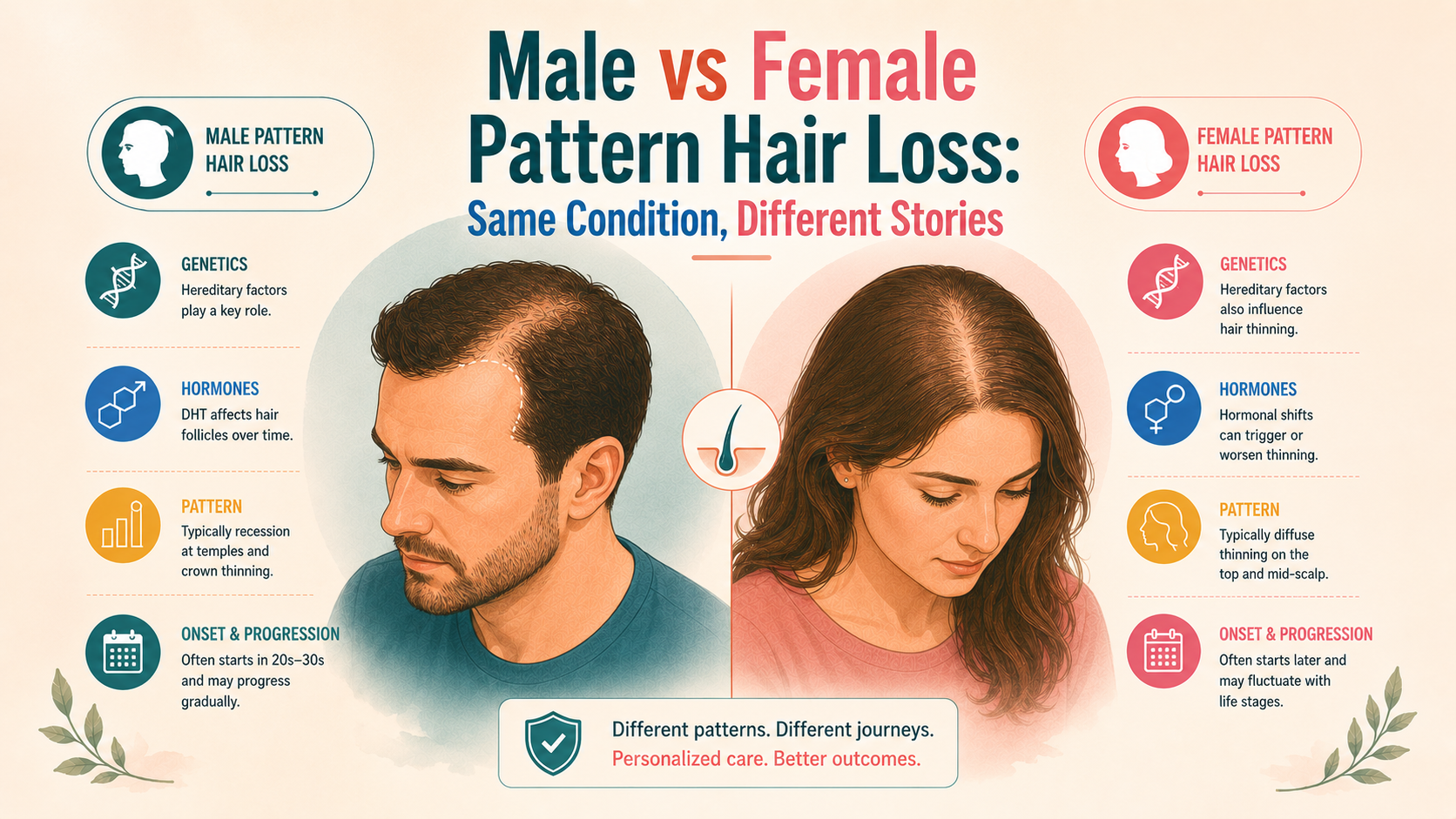
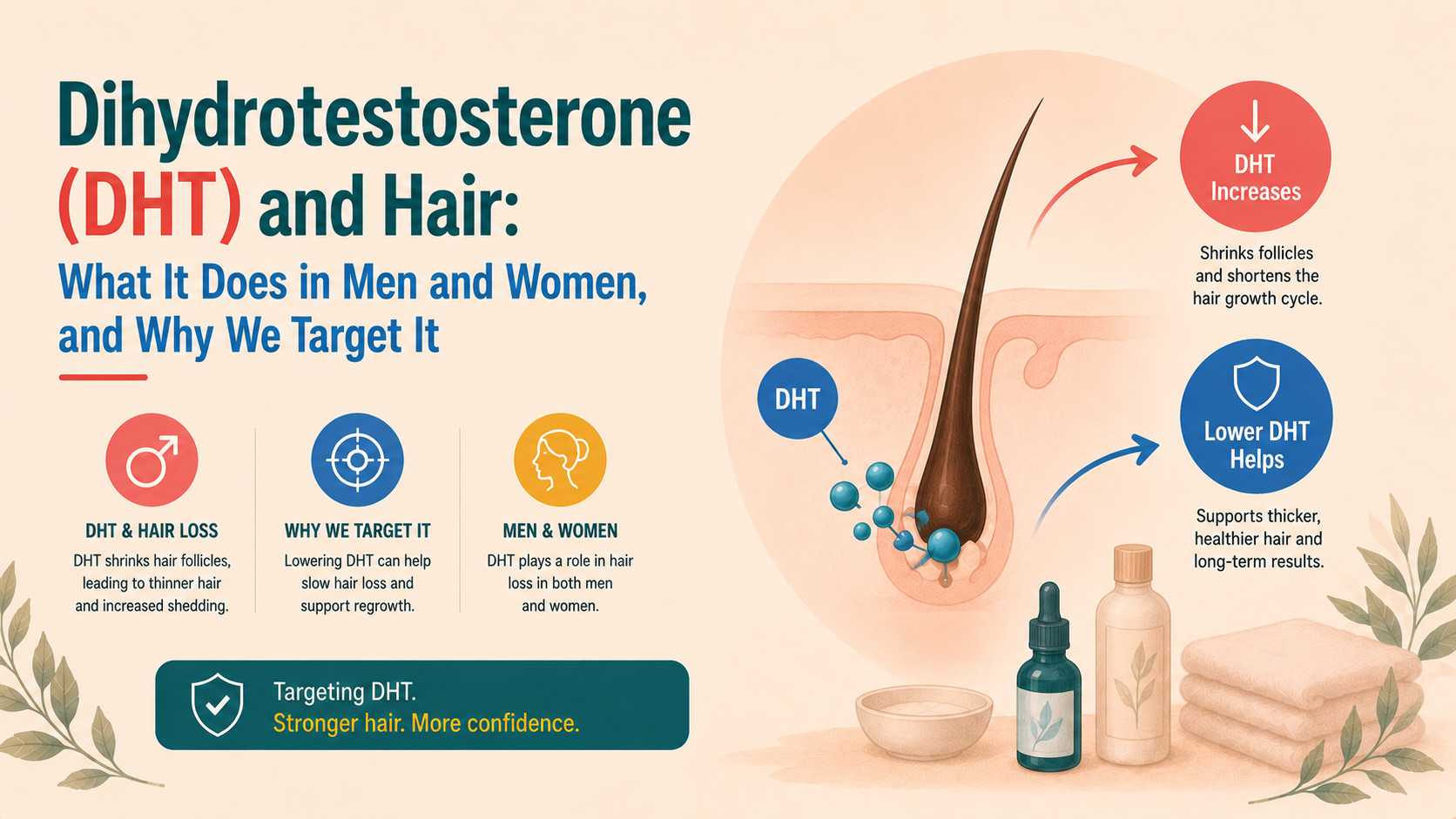
In both men and women, androgens (primarily testosterone and its more potent derivative, dihydrotestosterone or DHT) play a central part in pattern hair loss.

  • Testosterone is converted to DHT by the enzyme 5α-reductase in the follicle and surrounding skin.
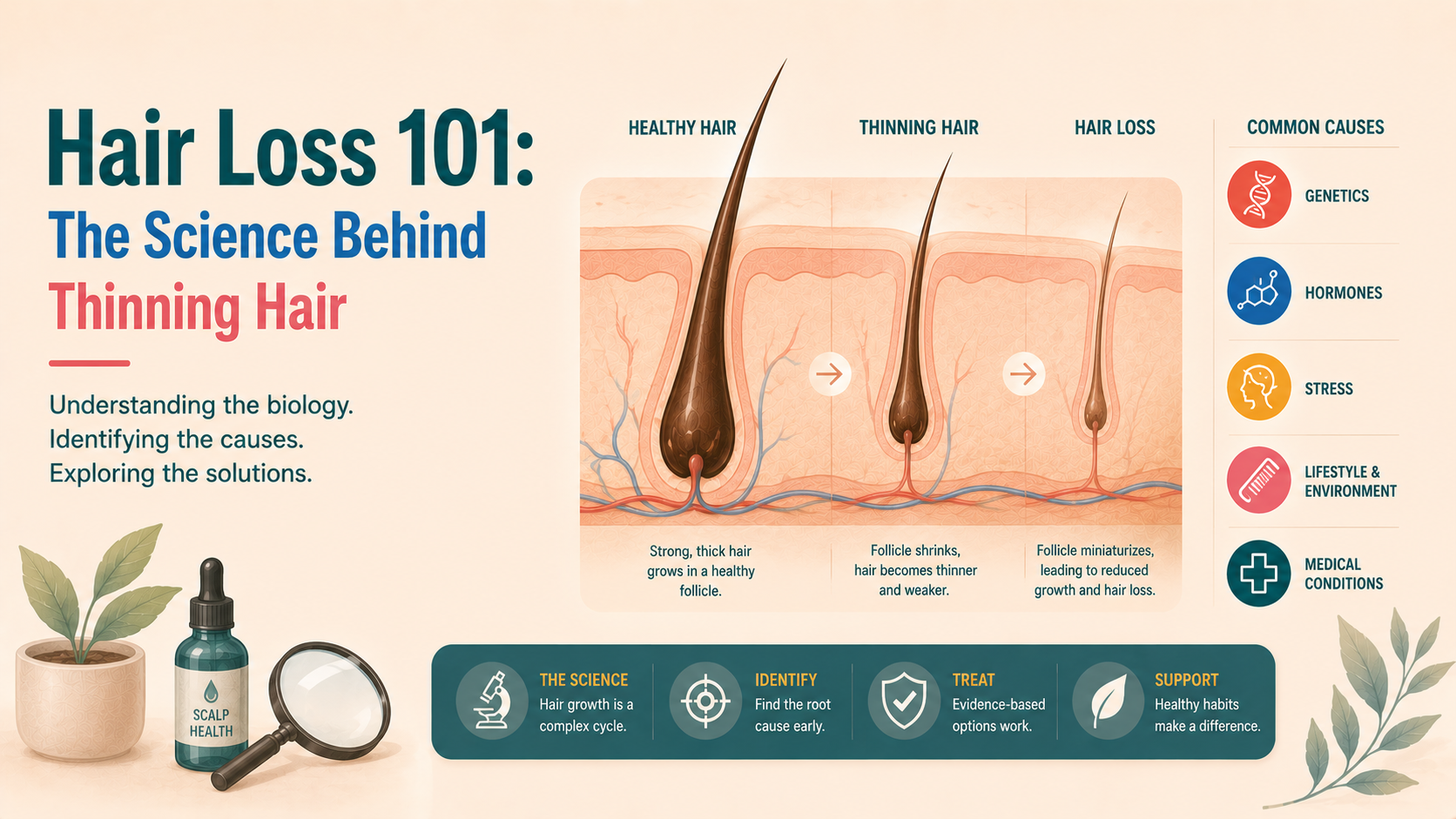
  • DHT binds to androgen receptors in susceptible follicles and shifts gene expression in a way that shortens the anagen phase and miniaturises the follicle.
  • Over time, affected follicles produce thinner, shorter hairs and eventually, in advanced stages, may appear “empty” to the eye.

Crucially, many individuals with androgenetic alopecia have normal systemic androgen levels. The key lies in:

  • the local activity of 5-α-reductase,
  • the density and sensitivity of androgen receptors, and
  • genetic factors that determine which scalp regions are vulnerable.

2.2 PCOS and hyperandrogenism

In some women, pattern hair loss occurs in the context of polycystic ovary syndrome (PCOS) or other states of hyperandrogenism.

Features may include:

  • menstrual irregularity or anovulation,
  • acne and oily skin,
  • increased body or facial hair (hirsutism),
  • weight gain and features of insulin resistance.

In these settings, circulating androgens may be elevated or normal, but follicular exposure and sensitivity are often higher. Androgenetic alopecia in women with PCOS may present earlier or progress more rapidly, particularly through the mid-scalp. Management then needs to address both the hair and the underlying endocrine and metabolic issues.

3. Oestrogens, pregnancy, menopause and hair

3.1 Pregnancy

During pregnancy, high oestrogen levels tend to keep a higher proportion of follicles in anagen. Consequently, many women notice thicker, fuller hair and less shedding, because the hair cycle is “held” in a more anagen-dominant state.

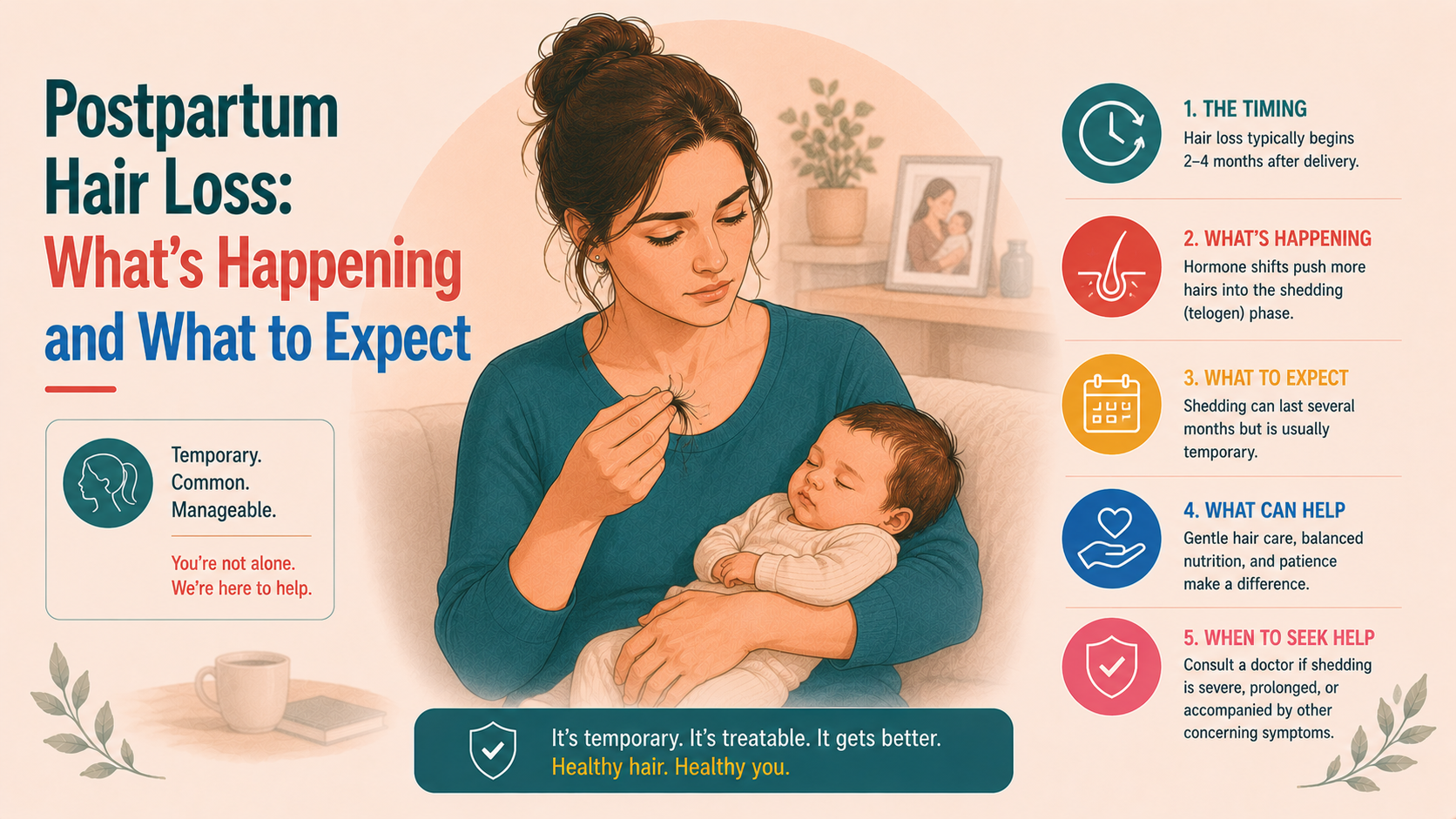
After birth, when oestrogen levels fall, this support is withdrawn. A larger number of follicles enter telogen together and shed a few months later – the classic postpartum telogen effluvium. This is usually self-limiting, though in some women it may reveal an underlying tendency toward female-pattern hair loss.

3.2 Menopause

Around perimenopause and menopause:

  • oestrogen levels decline,
  • the balance between oestrogens and androgens alters,
  • many women notice thinning through the central scalp or worsening of pre-existing female pattern hair loss.

This does not mean menopause “causes baldness”, but it often brings a pre-existing susceptibility into clearer view. The follicles that were already relatively androgen sensitive have less opposing oestrogenic influence and can therefore drift more quickly towards miniaturisation.

3.3 Hormone therapy and contraception

Hormonal contraceptives and menopausal hormone therapies can influence hair in both directions:

  • Some combined contraceptives have anti-androgenic properties and may modestly help in hyperandrogenic women.
  • Progestin-only methods and certain formulations with more androgenic progestins may, in susceptible individuals, worsen pattern hair loss.
  • Oestrogen-containing therapies aimed at menopausal symptoms need to be considered in the broader context of breast, cardiovascular and thrombotic risk; hair is only one factor.

These decisions are rarely about hair alone, but the scalp can serve as an indicator of how the hormonal environment is shifting.

4. Thyroid hormones and hair

Thyroid hormones regulate metabolic activity in many tissues, including the skin and hair follicles. Both hypothyroidism and hyperthyroidism can alter hair cycling and quality.

4.1 Hypothyroidism

In low thyroid states, patients may notice:

  • diffuse thinning across the scalp,
  • coarse, dry, brittle hair,
  • loss of lateral eyebrows in some cases.

Follicles tend to have a reduced turnover and can show an increased proportion in telogen. Correcting hypothyroidism usually improves shedding and hair quality, although several cycles may be needed before the change is obvious.

4.2 Hyperthyroidism

Excess thyroid hormone can also trigger shedding as an increased proportion of follicles may enter telogen. In addition, metabolic demands and systemic stress rise, which can contribute to telogen effluvium.

As with hypothyroidism, the primary treatment is to normalise thyroid function. Hair usually follows suit once the systemic imbalance is controlled.

Routine thyroid testing is not necessary in every case of hair loss, but when there are matching symptoms (weight change, temperature intolerance, palpitations, bowel changes), it is a sensible part of the work-up.

5. Other hormonal and endocrine influences

5.1 Prolactin

Prolactin is primarily responsible for breast tissue development and milk production after pregnancy, with some additional roles in metabolism and immune function.

Raised prolactin levels (hyperprolactinaemia) can contribute to hair loss, often in concert with menstrual irregularities, galactorrhoea (abnormal milk discharge from nipples) or pituitary pathology. Prolactin interacts with other endocrine axes, and marked elevations may indirectly disturb the hair cycle.

5.2 Cortisol and stress

Cortisol is the main hormone associated with the physiological stress response:

  • acute stress or illness can trigger a wave of follicles to enter telogen, leading to increased shedding a few months later;
  • chronic stress and sleep deprivation subtly alter immune function, blood flow and metabolic priorities.

The relationship between stress and hair is sometimes overstated, but sustained stress states can certainly tip borderline follicles into a less favourable rhythm.

5.3 Insulin, IGF-1 and metabolic hormones

The hair follicle is responsive to insulin and insulin-like growth factor 1 (IGF-1). Insulin resistance and metabolic syndrome have been associated with more severe androgenetic alopecia in some studies, possibly through:

  • increased androgen production,
  • low-grade systemic inflammation,
  • changes in vascular function.

While not purely “hormonal” in the narrow endocrinology sense, these metabolic signals influence the environment in which follicles operate.

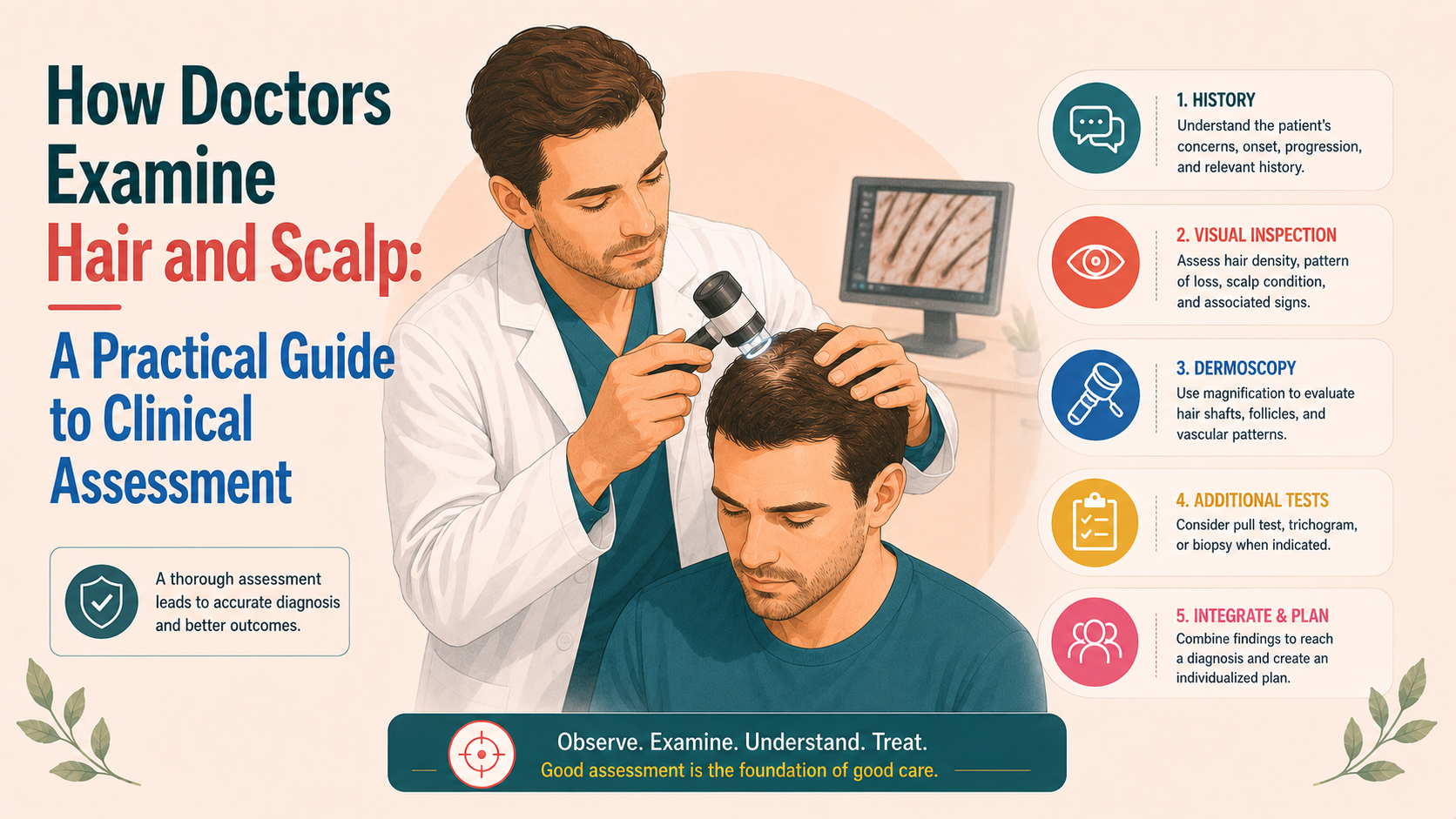
6. How clinicians evaluate suspected hormonal hair loss

Not every patient with thinning hair needs an exhaustive endocrine work-up. Good judgement lies in matching the investigation to the story.

A typical approach might include:

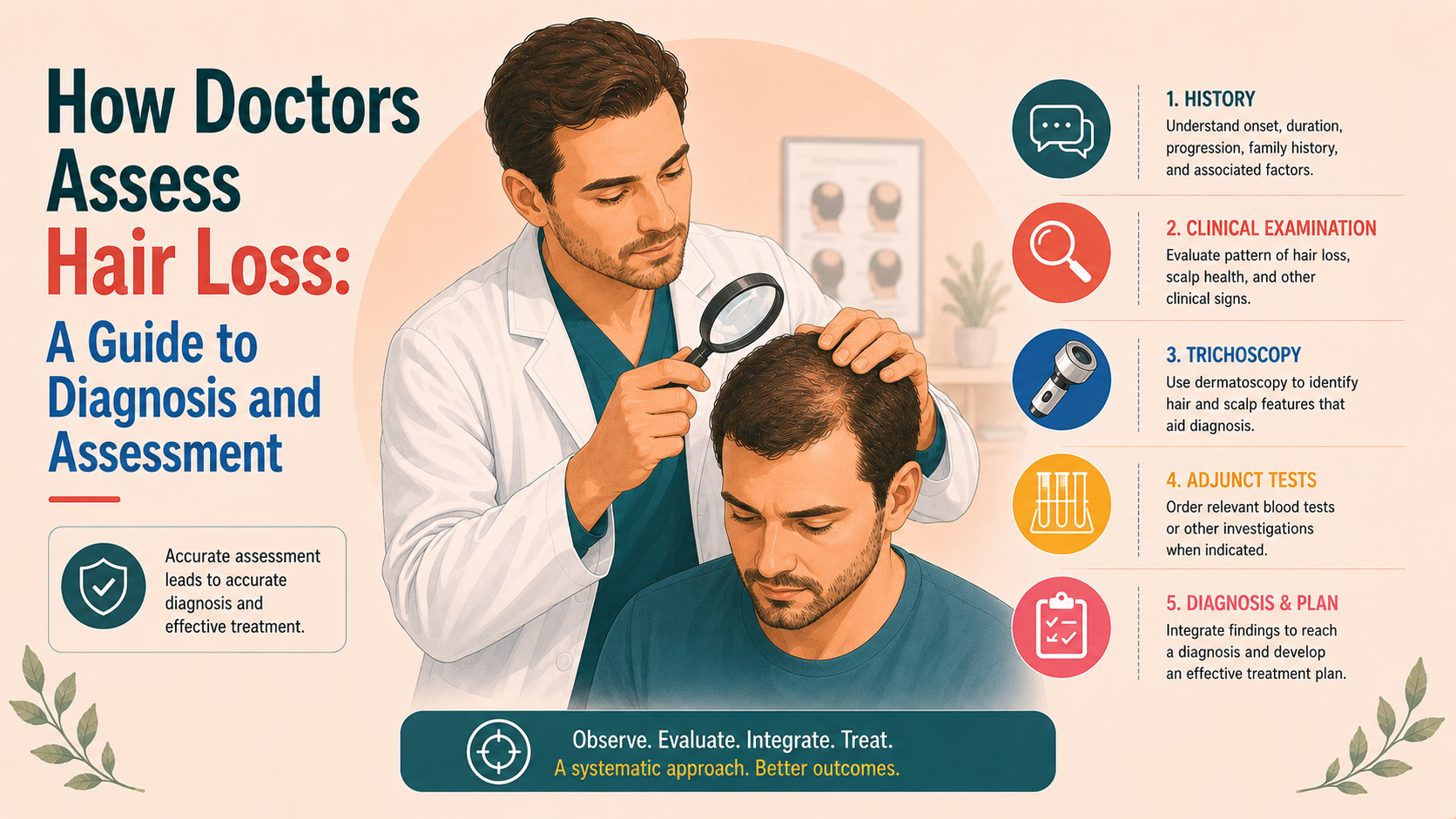
6.1 History

  • Onset and progression of hair loss.
  • Menstrual history, pregnancies, and menopause status.
  • Symptoms suggestive of thyroid dysfunction (energy, weight, heat/cold intolerance).
  • Features of hyperandrogenism (acne, hirsutism, irregular cycles).
  • Medication history, including contraceptives and endocrine therapies.
  • Weight changes and markers of metabolic health.

6.2 Examination

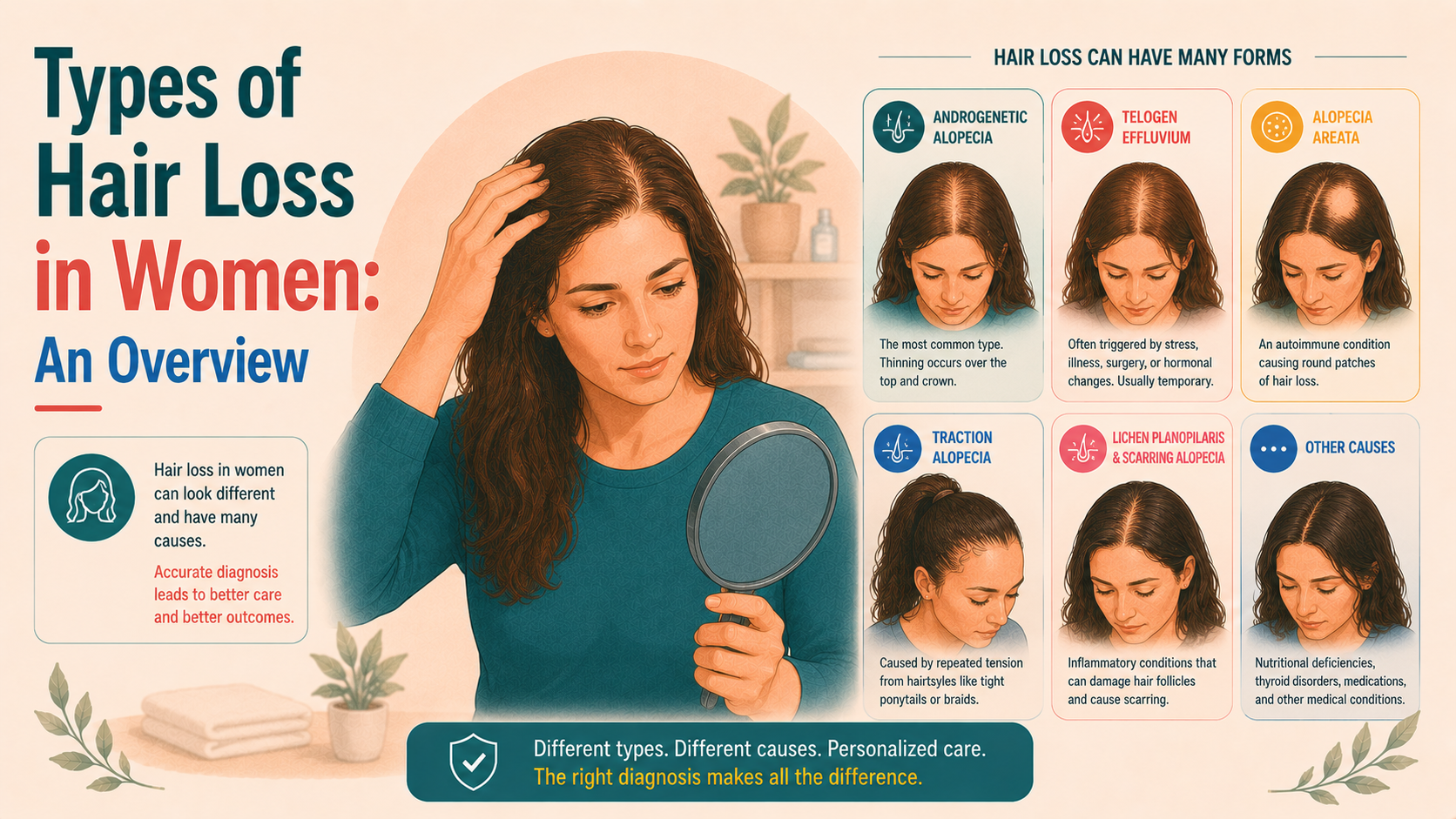
  • Pattern of hair loss (androgenetic, diffuse, patchy, scarring versus non-scarring).
  • Signs of hyperandrogenism (e.g. hirsutism distribution).
  • Scalp inflammation or scarring.
  • Signs of systemic disease (thyroid enlargement, vitiligo, skin changes).

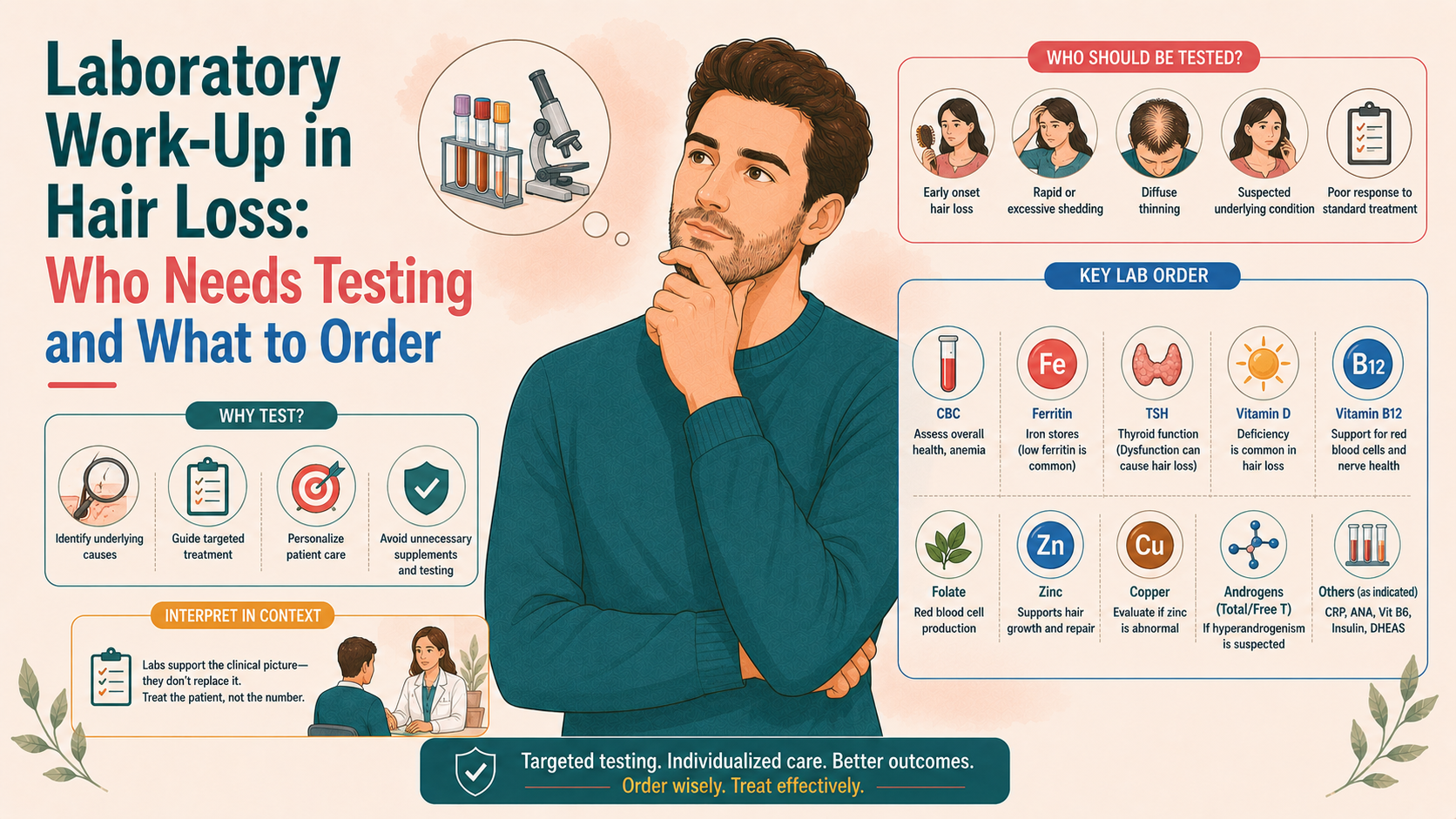
6.3 Laboratory tests (when indicated)

Not every patient needs every test. Commonly considered investigations include:

  • Thyroid function tests,
  • Ferritin and full blood count,
  • Vitamin D and selected nutritional markers,
  • Androgen panel (total testosterone, free androgen index, SHBG, DHEAS) in women with clinical suspicion of hyperandrogenism,
  • Prolactin where suggestive symptoms are present,
  • Fasting glucose and lipids in those with features of metabolic syndrome.

The aim is not to find any abnormality at all, but to identify meaningful, treatable hormonal contributors and to distinguish these from the intrinsic genetics of androgenetic alopecia.

7. Principles of management when hormones are involved

Treatment depends on what is found. A few broad principles are consistent:

  • Treat the primary endocrine disorder where one exists – for example, normalising thyroid function, addressing significant hyperprolactinaemia, or managing PCOS with lifestyle and, where needed, medication.
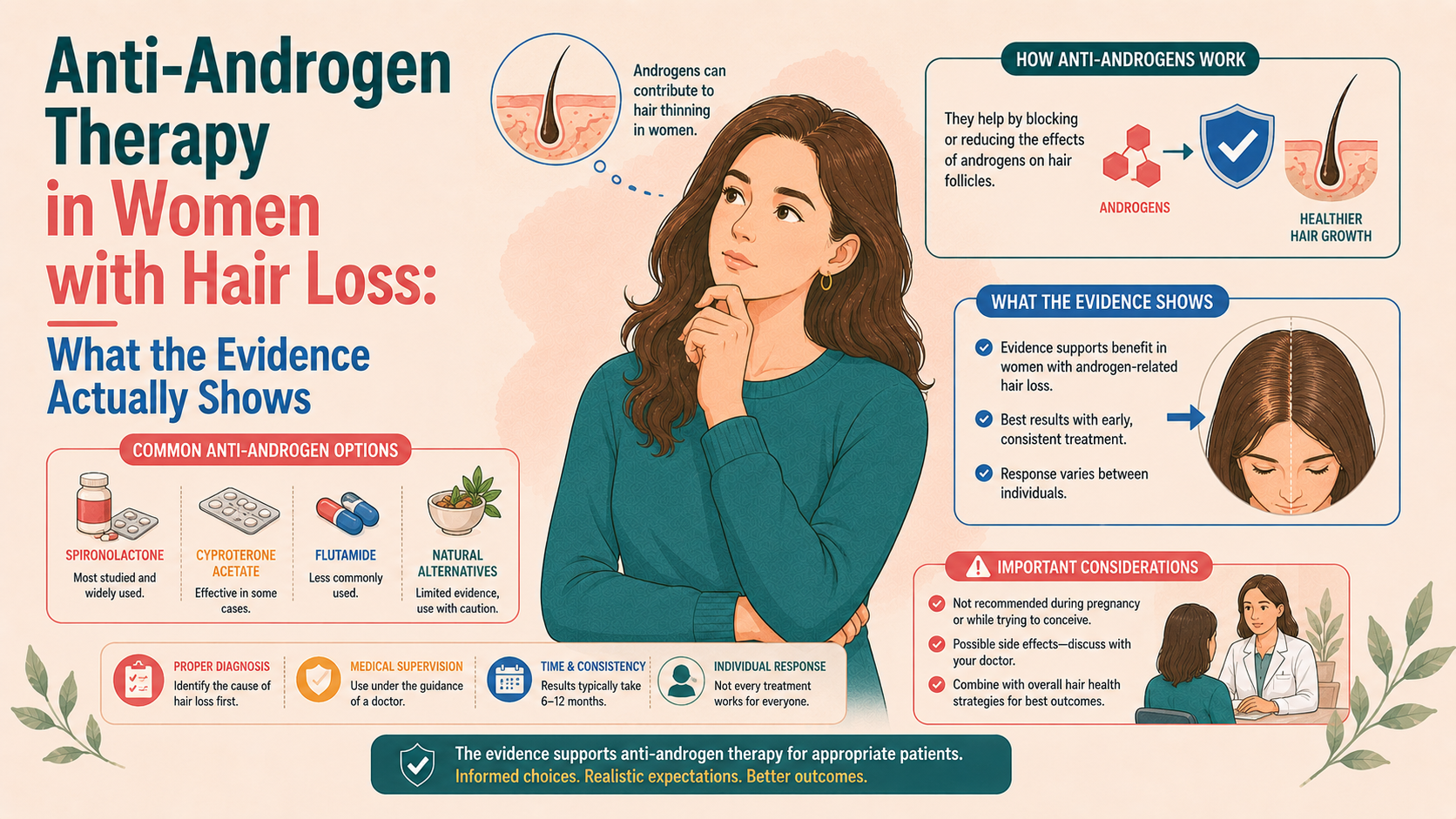
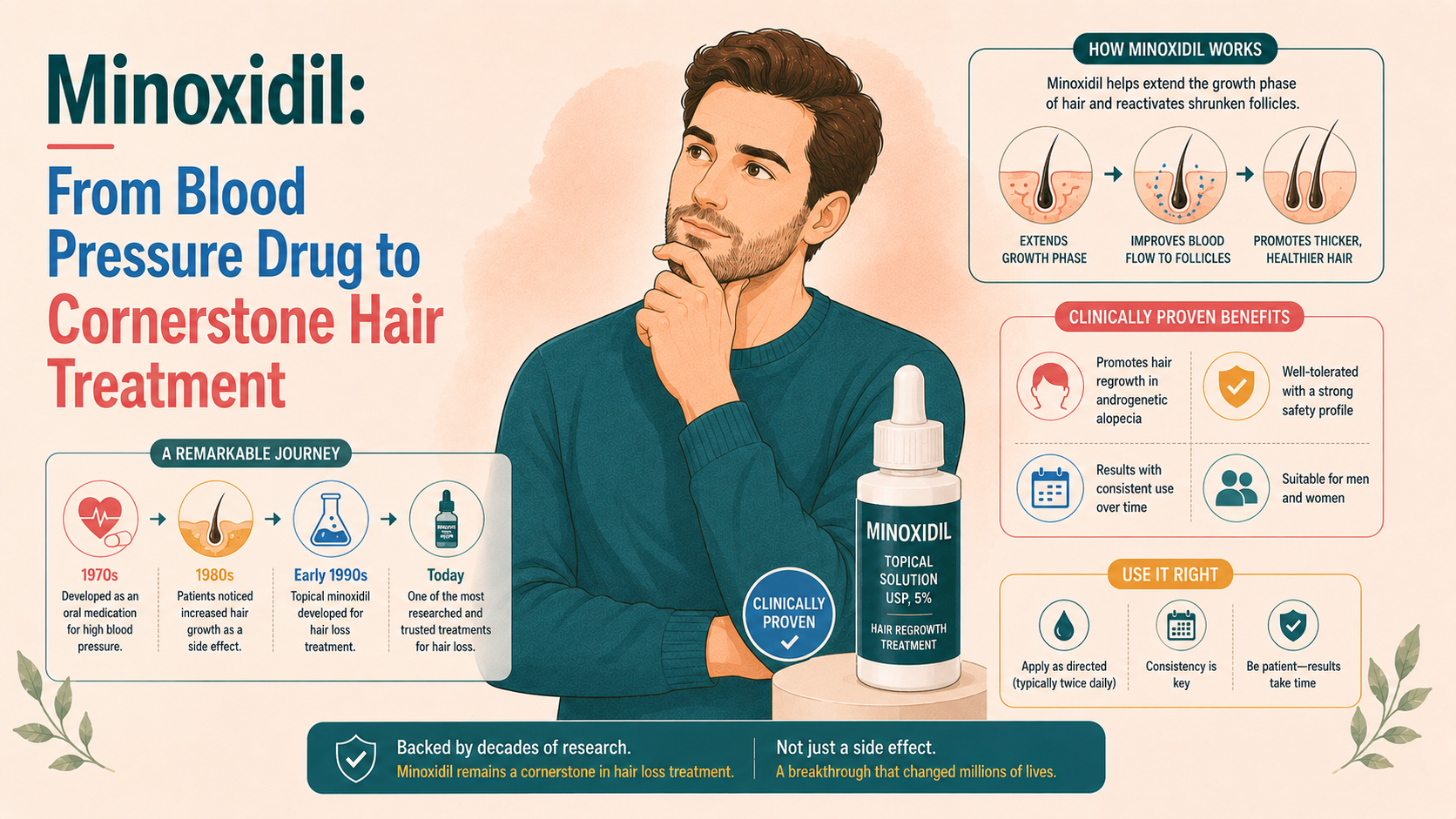
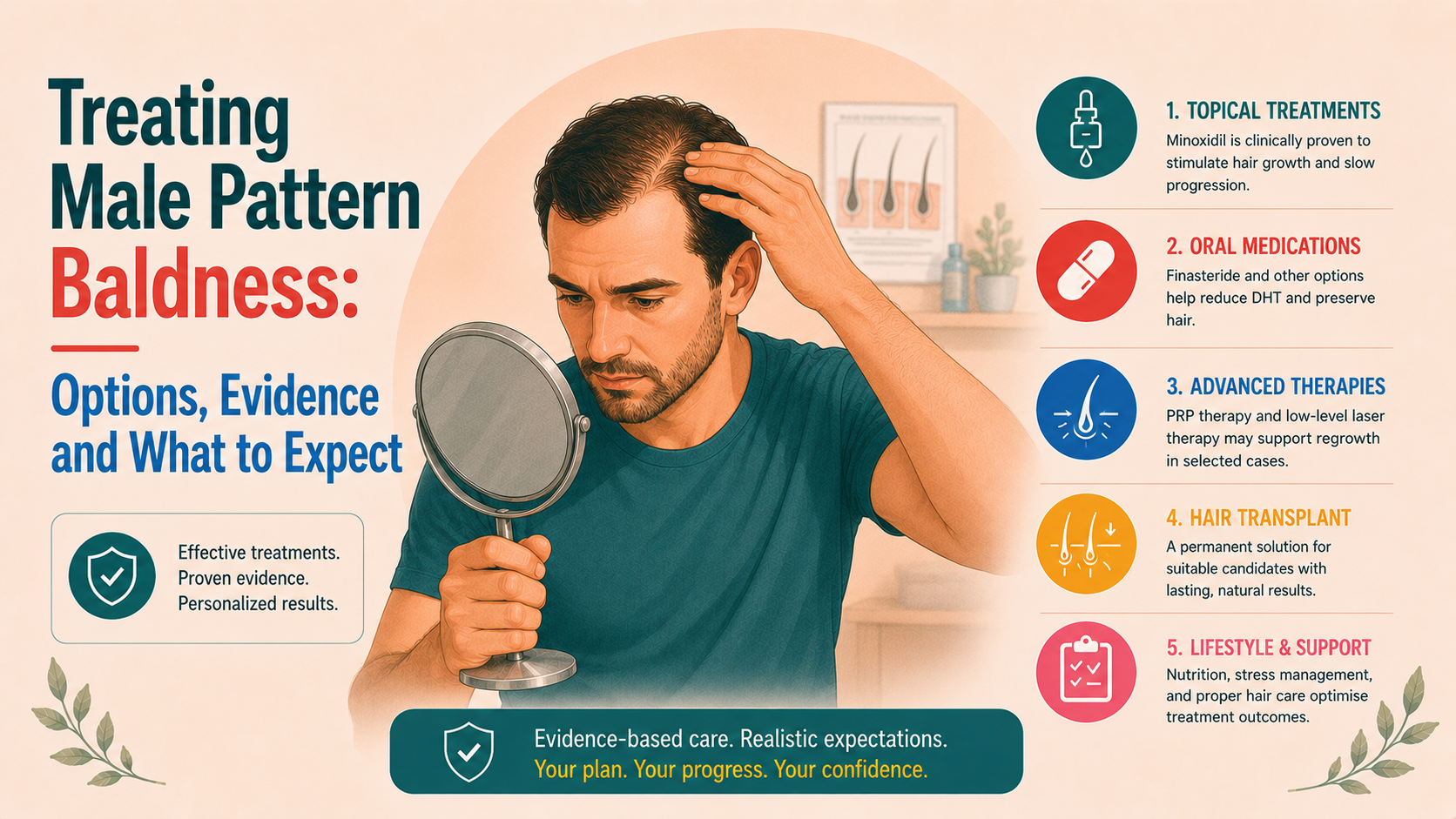
  • Distinguish transient telogen effluvium from chronic androgenetic alopecia. A postpartum or illness-related shed may largely resolve once the trigger is removed. Underlying pattern hair loss, however, may benefit from longer-term therapies such as minoxidil and, in selected patients, anti-androgen strategies.
  • Avoid oversimplification. Not all hair loss is “because of hormones”. Equally, not every patient with pattern hair loss and minor hormonal fluctuations needs aggressive endocrine treatment.
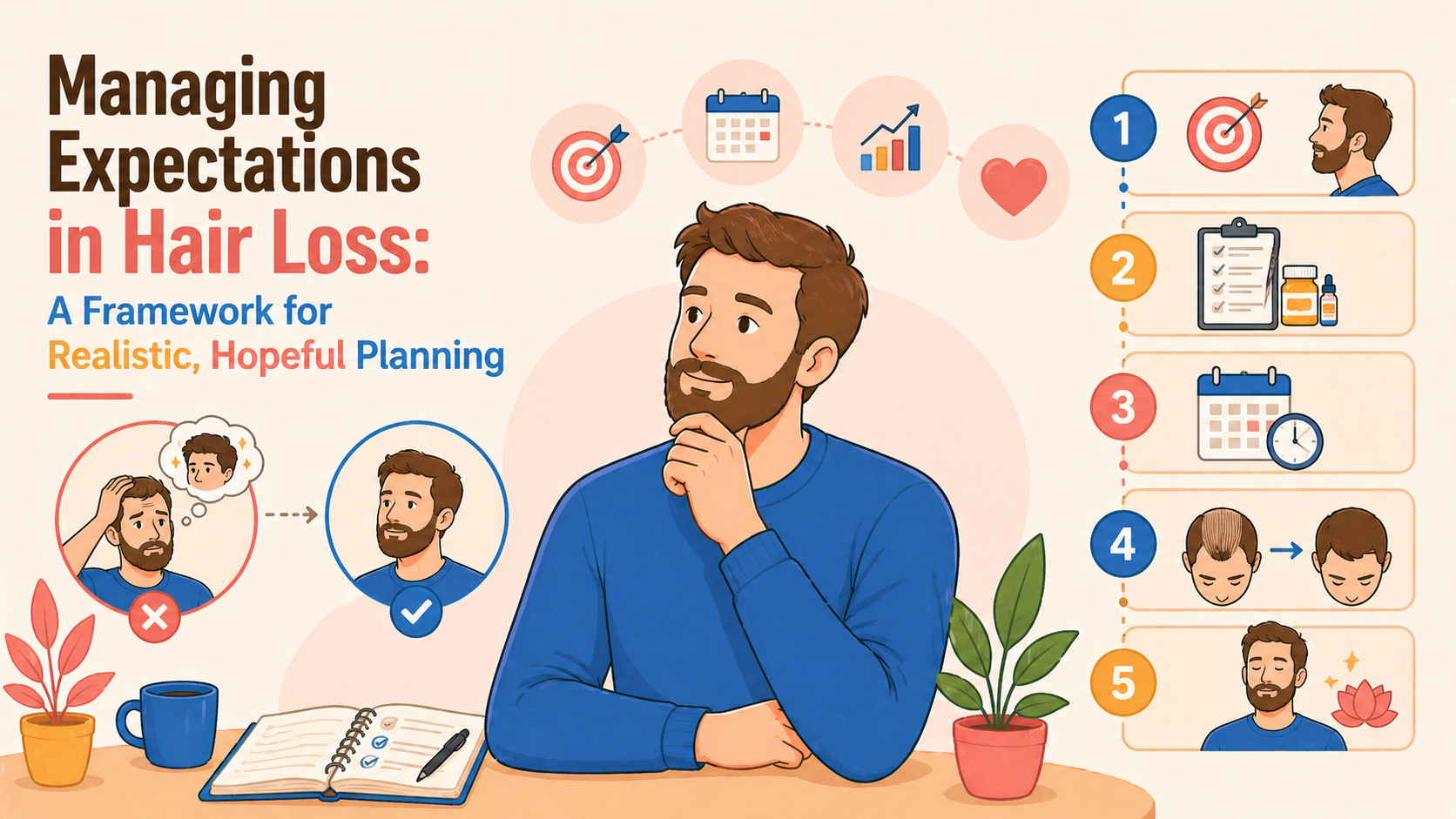
  • Think longitudinally. Many hormonal influences act over months to years. Aligning hair expectations with realistic timelines for endocrine therapies or lifestyle change prevents unnecessary disappointment.

Ultimately, hormones are only one chapter in the hair loss story. They are important, but they sit alongside genetics, immune function, nutritional status and environmental exposures.

Read More from the Knowledge Hub:

Treatment

5α-Reductase Inhibitors for Hair Loss: Finasteride and Dutasteride Explained

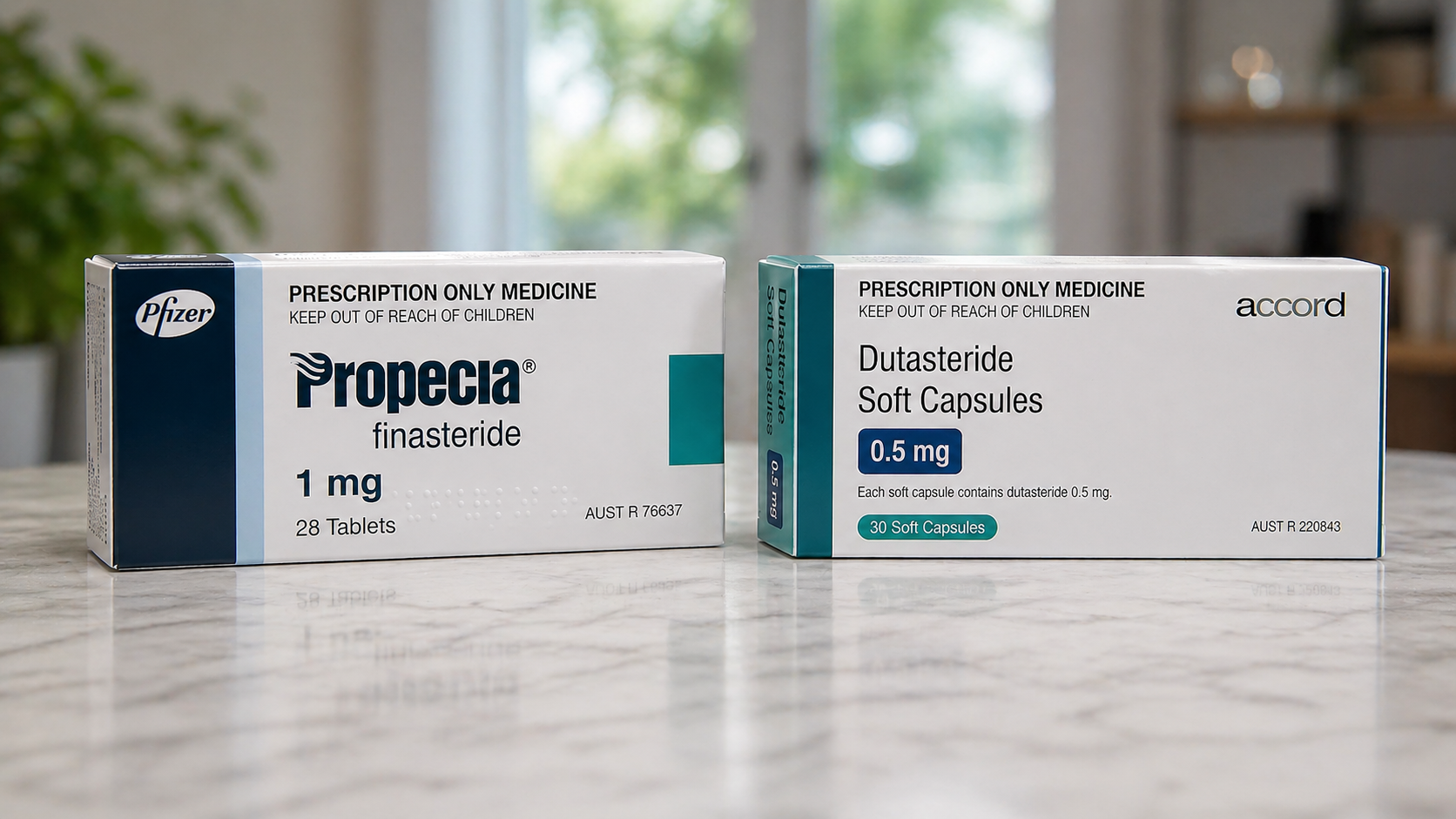
Finasteride and dutasteride are the main drugs used to tackle the hormonal component of androgenetic alopecia. This article explains how they were discovered, how they work, what the evidence shows for men and women, topical versus oral options, and side effects (including the controversies).
Myths & Facts

Treatments for Hair Loss: Myths, Facts and What the Evidence Supports

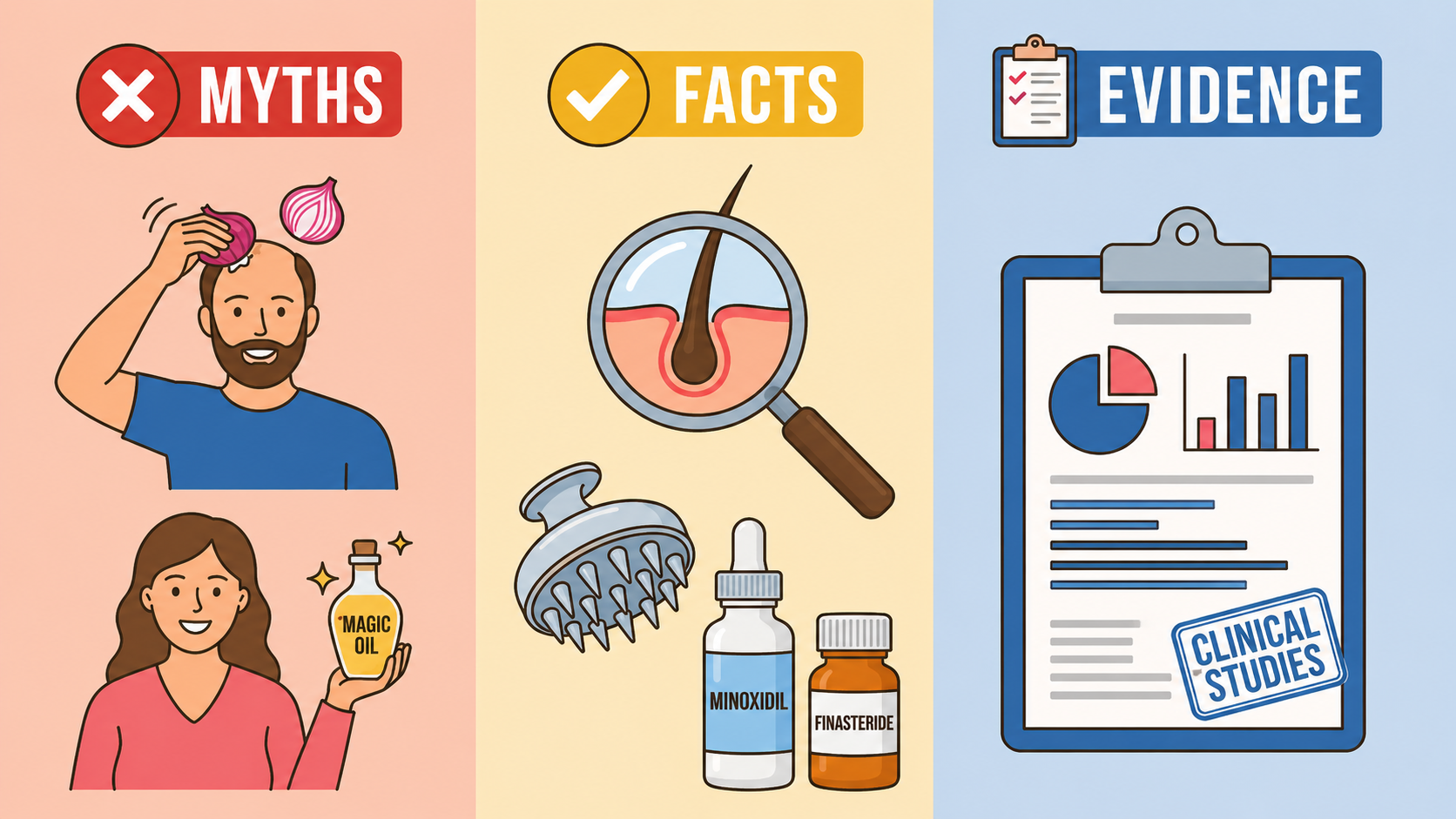
Hair loss treatments attract strong opinions. Some people are convinced “nothing works”; others believe a single product or procedure can fully restore their hair. This article reviews common myths about treatments – from minoxidil and 5α-reductase inhibitors to low-dose oral minoxidil, PRP, laser devices and surgery – and summarises what reasonably good evidence actually shows.
Myths & Facts

Hormones and Hair Loss: Myths, Facts and How to Think About Them

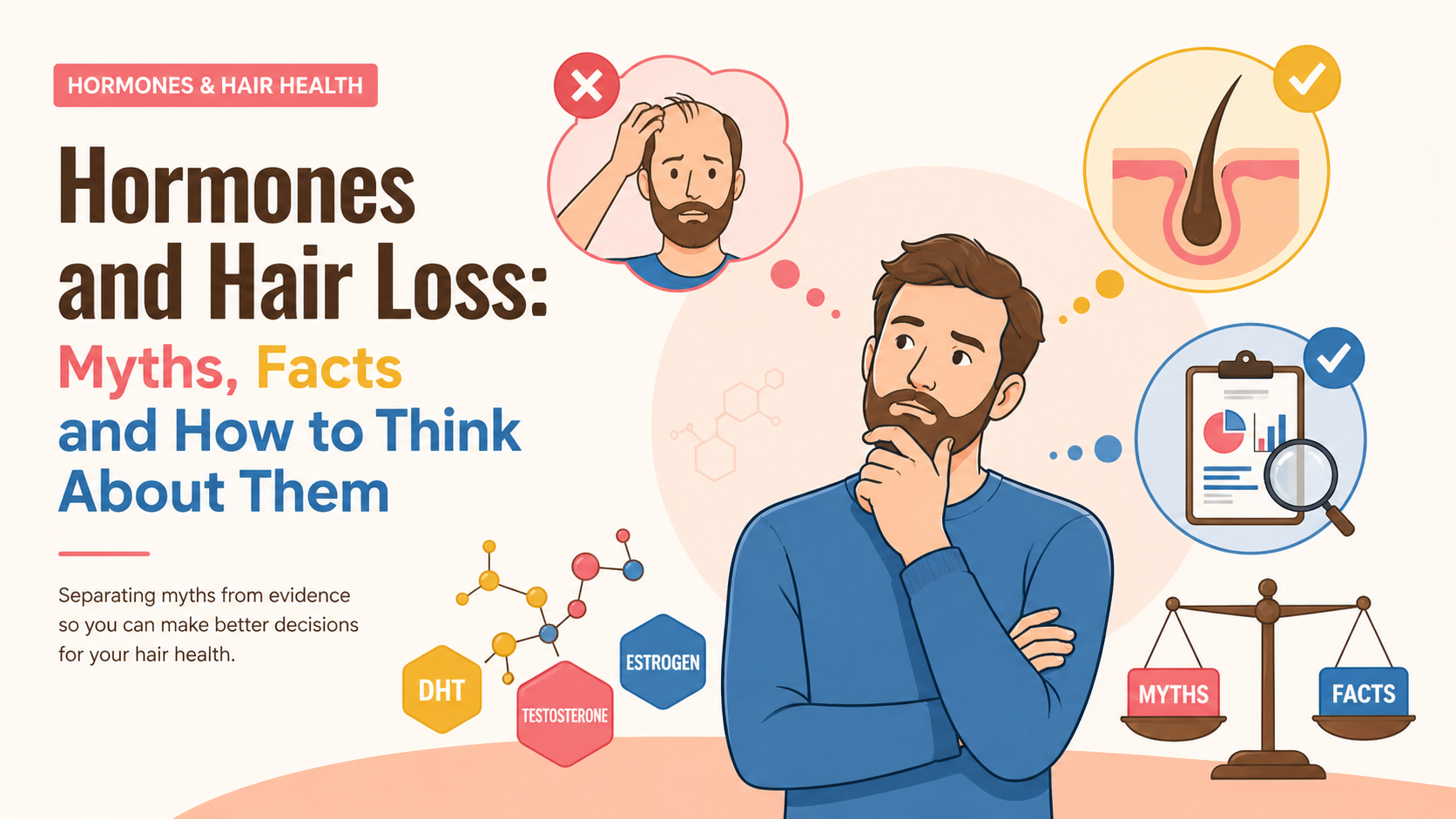
Hormones are central to certain forms of hair loss, particularly androgenetic alopecia and thyroid-related shedding. That does not mean every hair problem is hormonal, nor that a normal blood test rules out hormone involvement. This article reviews common hormone-related myths about hair loss and summarises what current evidence actually supports.
Myths & Facts

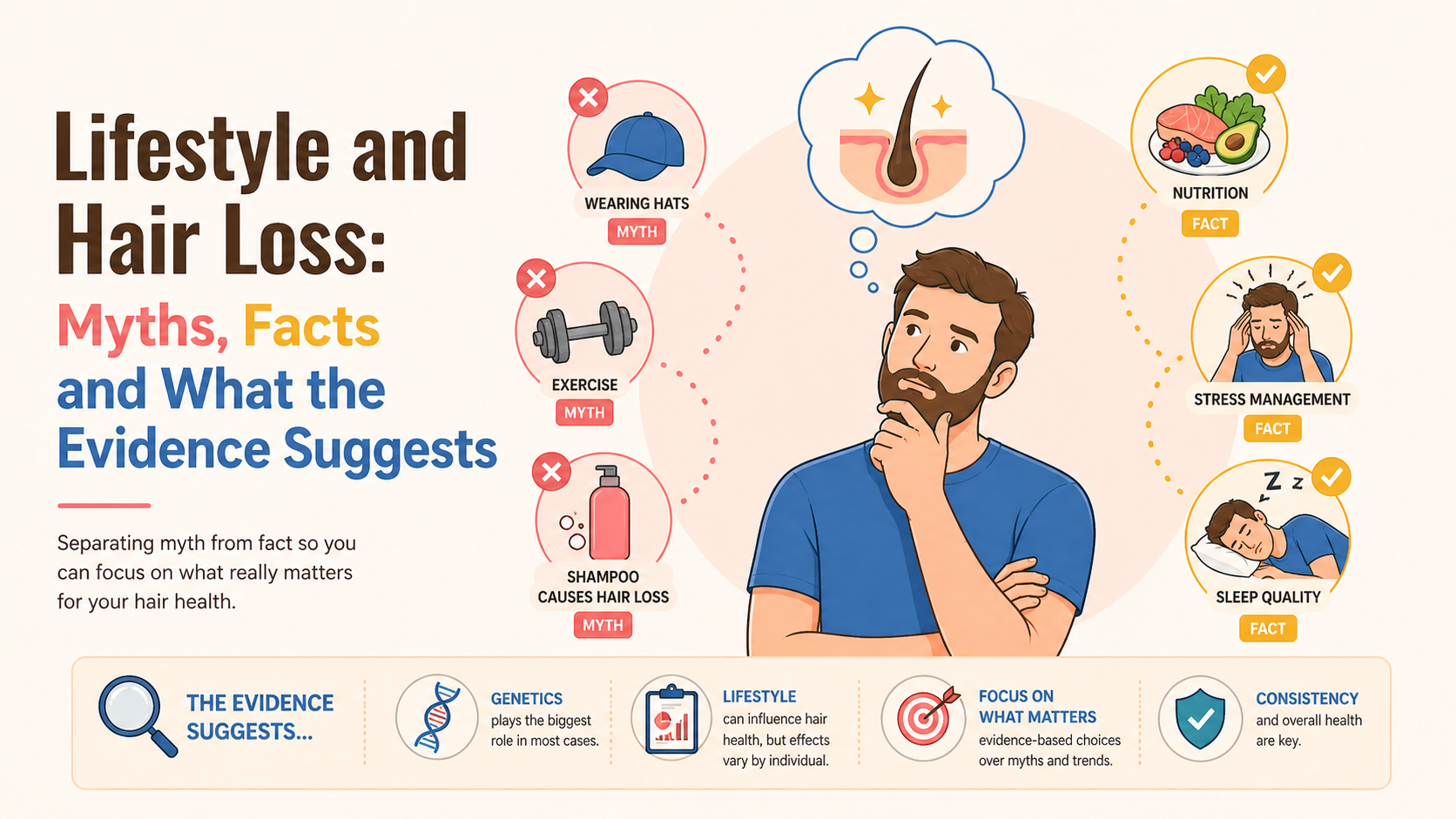
Lifestyle and Hair Loss: Myths, Facts and What the Evidence Suggests

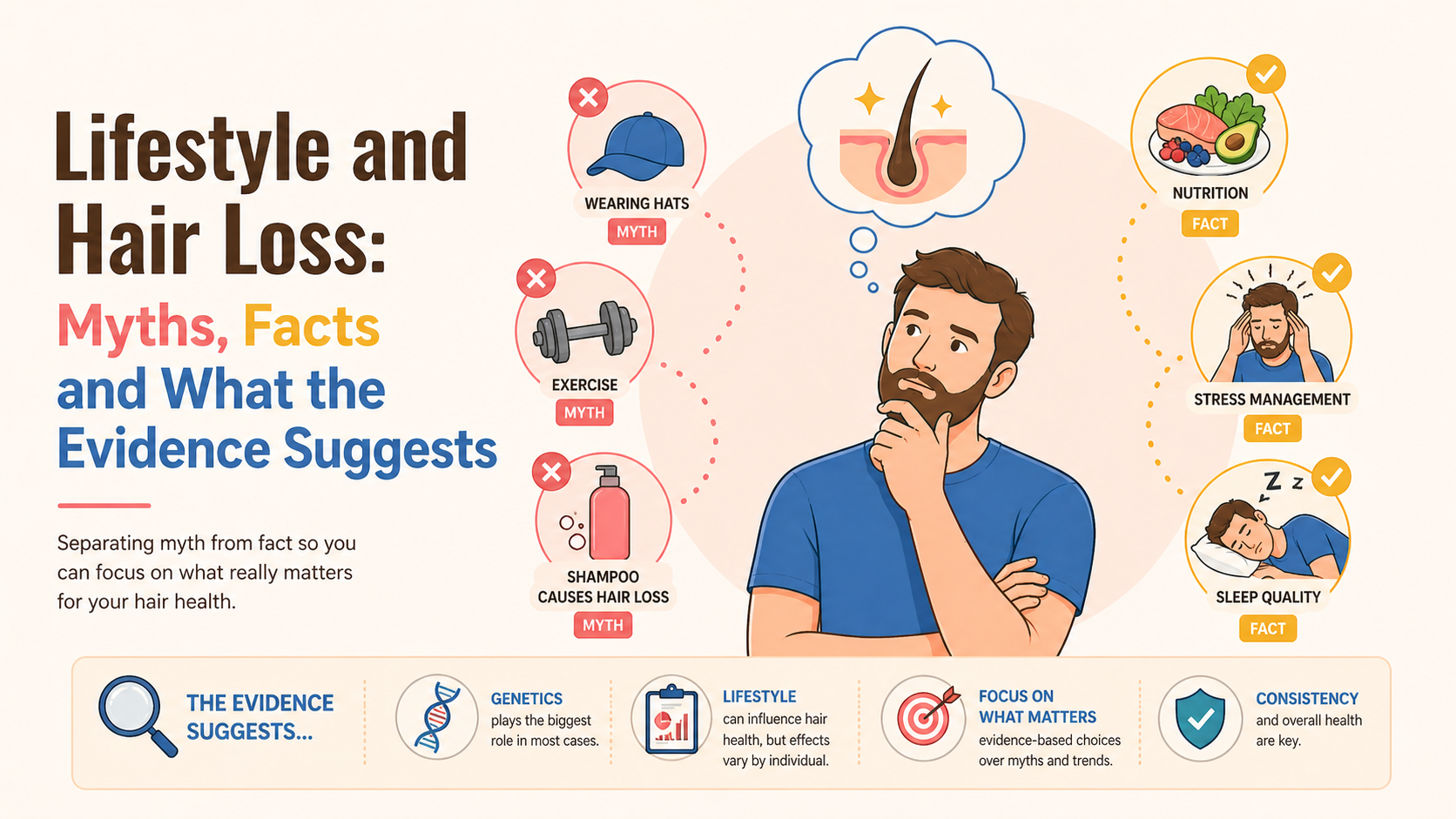
Lifestyle choices can influence hair health, but not always with the severity people assume. This article reviews common lifestyle-related myths about hair loss – smoking, alcohol, stress, washing, hats, diet and tight hairstyles – and summarises what current evidence actually supports.