The fear of someone noticing your hair can make closeness feel difficult. I explore the role of avoidance, how to talk about camouflage and why dating does not have to wait for perfect confidence.
![[headshot]](https://cdn.prod.website-files.com/68207da82e5b8c350c67932f/68c6a7436a552c0fe87a4da7_Screenshot%202024-11-27%20at%2011.38.11.png)

There was a period when I barely dated. Hair loss was part of that, although it was also the period around lockdown, so I would not pretend there was only one explanation.
What I recognise looking back is that I sometimes removed myself from situations before anyone else could reject me. Avoidance felt protective. It also meant the feared outcome did not need to happen for me to lose the opportunity for connection.
This is one of the quieter ways hair loss can affect intimacy. The problem may start well before another person comments on your appearance. It can begin with deciding that you are not ready to be seen.
It is understandable to look for a definitive answer about whether people find thinning hair attractive. The difficulty is that a survey, a photograph rating or an online comment cannot predict how a particular person will feel about you.
Some people have preferences about hair. That does not establish a universal rule about your prospects, any more than one rejection establishes that your hair caused it. Dating involves another person with their own preferences, circumstances and uncertainties.
I would be wary of treating internet discussions as a verdict on your future. They can make individual preferences look like laws you have to satisfy before taking part.
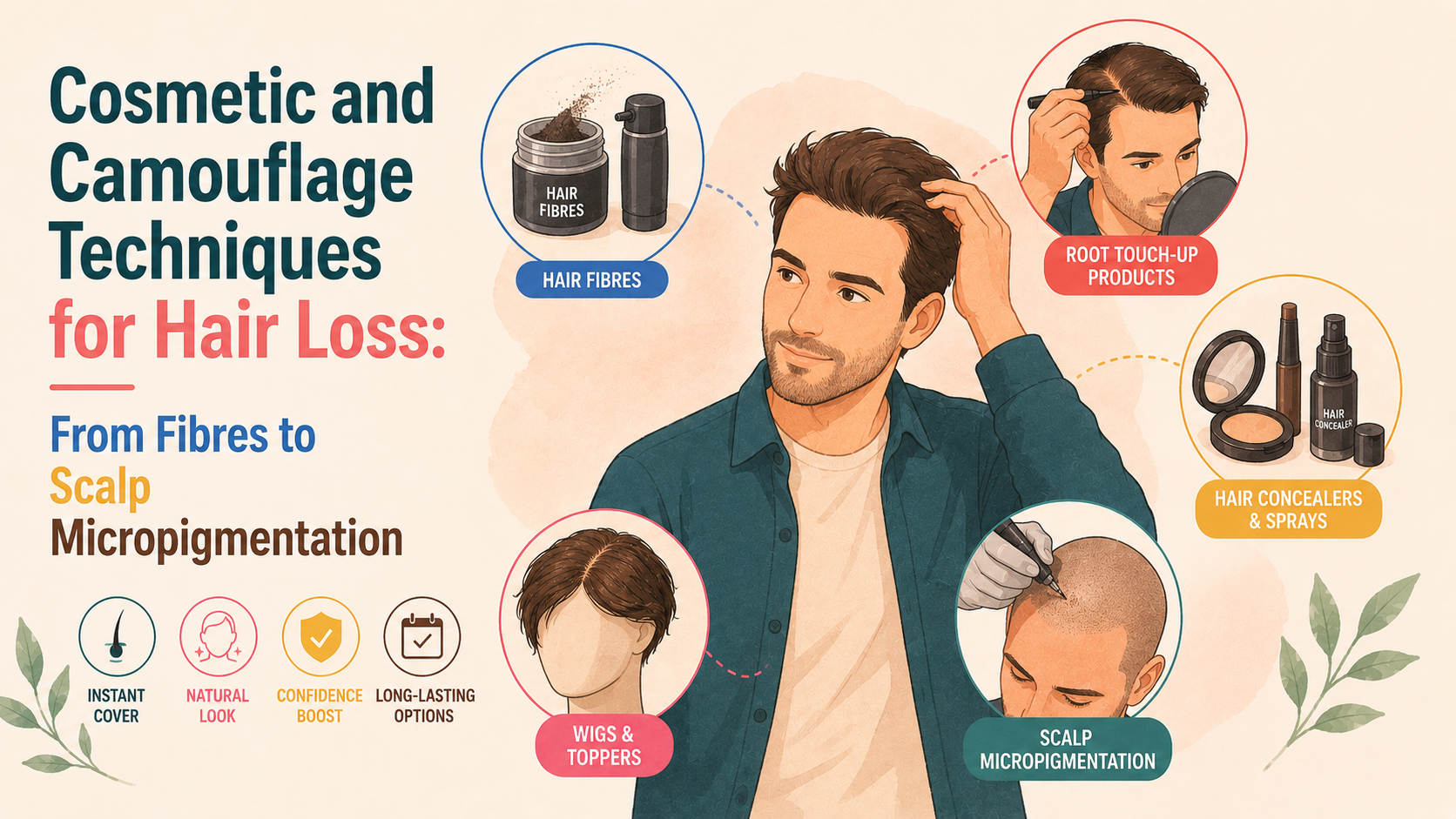
Fibres, wigs and hair systems can help you feel comfortable going out. Physical closeness may raise a different set of practical questions: whether something will transfer, whether a piece will move, or whether someone might touch an area you would rather they left alone.
Those concerns are understandable. They do not make your appearance fraudulent, and they do not mean you must abandon something that helps you.
It may be useful to learn what your particular product or system can tolerate, rather than trying to manage every possibility through vigilance. A knowledgeable fitter can answer practical questions. Emotional comfort may also need a conversation with the person you are becoming close to.
There is no universal deadline for explaining your hair loss or cosmetic choices. You can decide how much personal information to share and when you feel comfortable doing so.
If keeping it private is making an anticipated situation much harder, a brief explanation may be enough: “My hair has been thinning, and I use something to help with the appearance. I can be a bit self-conscious about it.” You do not need to deliver your complete medical history or apologise.
You can also ask directly for something practical, such as not touching your hair in a particular way. A considerate response matters. You are allowed to expect respect even while feeling vulnerable.
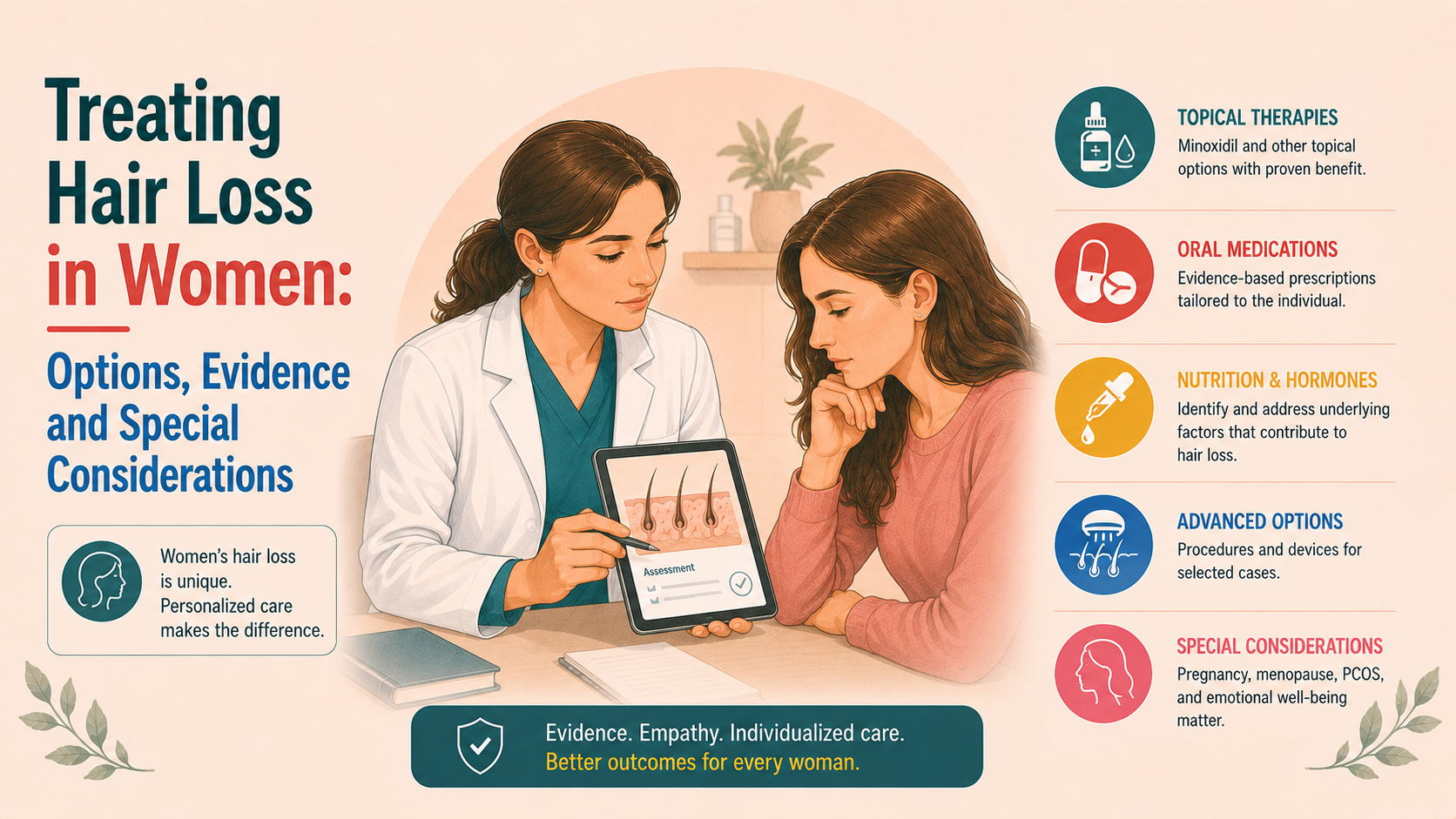
My own experience is not the same as a woman managing hair loss. In my video on women and hair loss, one of the ideas I return to is the amount of private work that can sit behind an apparently effortless result.
A partner may see the final hairstyle without understanding what washing, concealing or removing a topper involves. Intimacy can bring that previously private routine into view. That can feel exposing even within a caring relationship.
If you are the partner, ask what would help instead of assuming reassurance about attractiveness resolves the whole concern. Sometimes the useful response is simply to understand the practical burden and give the person room to explain it.
You do not need to start with the situation you find most frightening. A first step could be agreeing to a date you would otherwise avoid, or telling an existing partner which part of intimacy has become difficult.
The aim is not to force yourself to feel confident on demand. It is to notice when fear is repeatedly making decisions for you, and to give yourself another option. You can keep using treatment or camouflage while doing that.
If appearance worries are leading to persistent withdrawal, distress or conflict, speak to a GP or mental health professional. Support can help with anxiety and avoidance alongside whatever you choose to do about your hair.
A better hairline might make some situations easier. It cannot provide a guarantee against rejection, and it is a heavy burden to ask it to solve every uncertainty that comes with being close to someone.
I would rather see hair care become something that supports your life than a condition you must complete before living it. You can want your hair to improve and still allow yourself to be known as you are now.