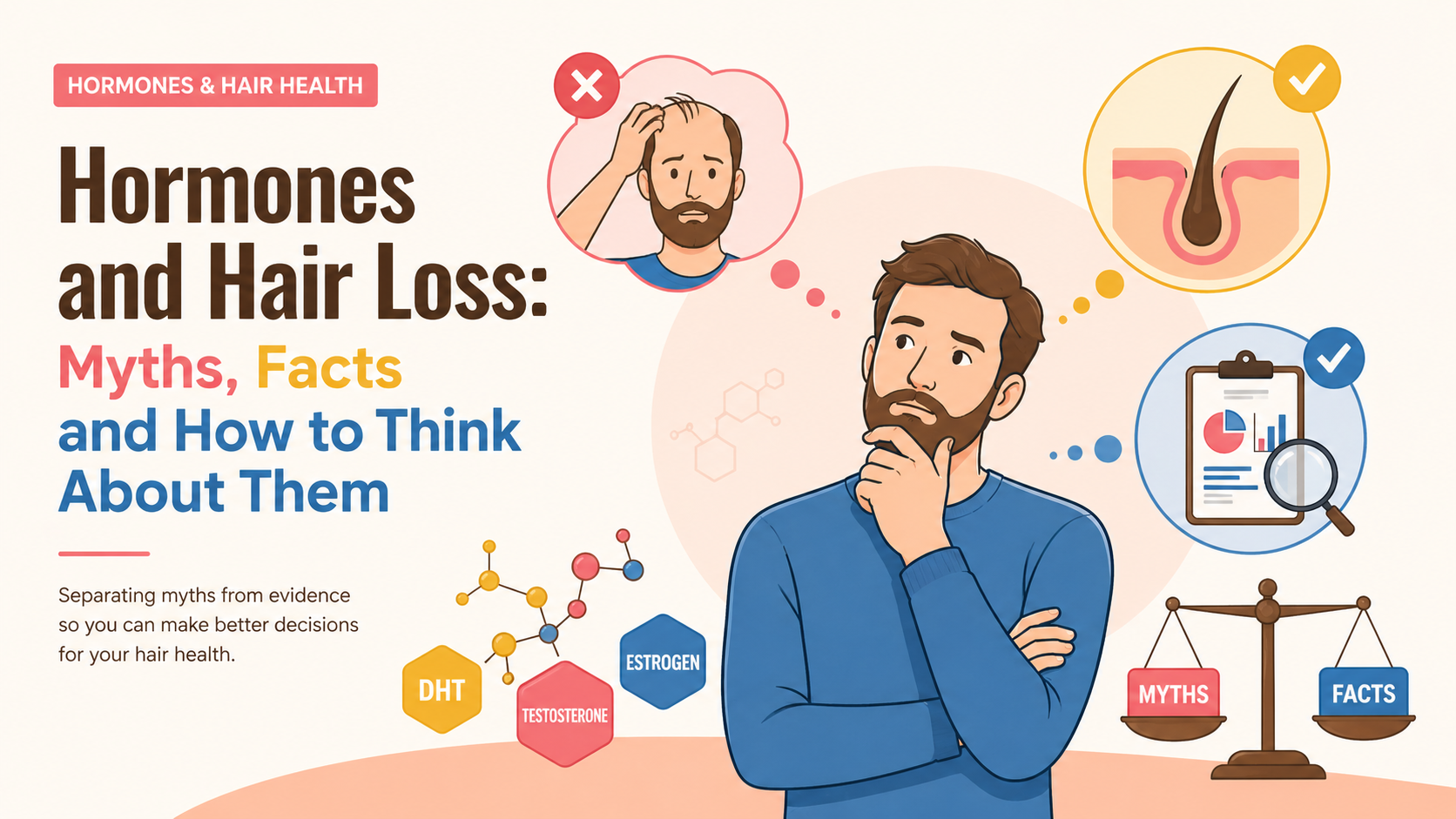
DHT has normal functions in the body and an important role in male pattern hair loss. Understanding where it acts is more useful than labelling it either harmful or essential to everything.

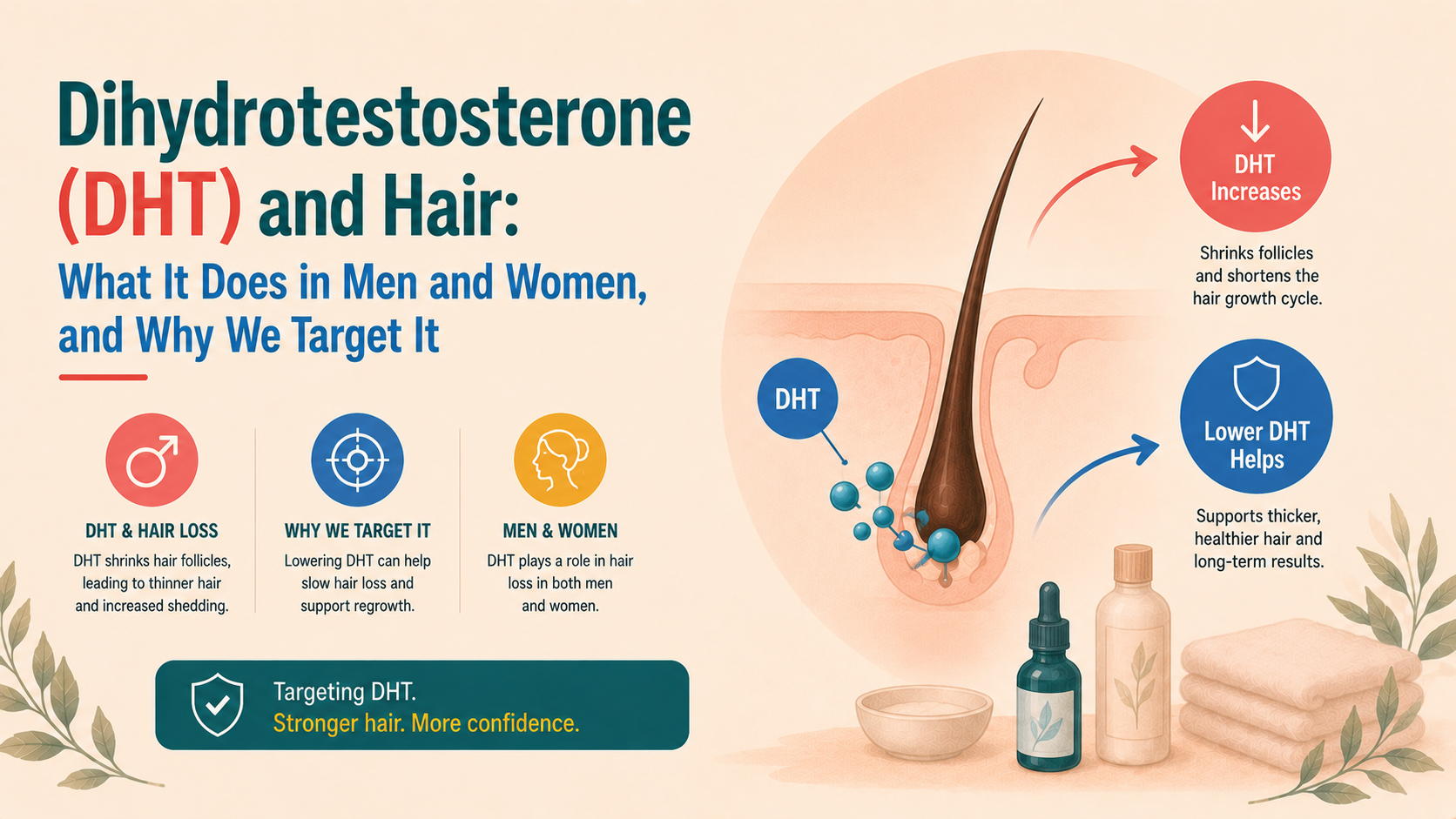
If you read about hair loss online, DHT is difficult to avoid. It is sometimes described as something toxic that needs removing, and sometimes as the hormone responsible for virtually everything that makes an adult man healthy.
Neither description helps with a treatment decision. DHT is a normal hormone. Whether reducing its activity is useful depends on the condition being treated, the person involved and the risks of the medicine used to do it.
I find it more helpful to ask where DHT is acting and what that tissue does in response. The same hormonal signal can have very different effects in different places.
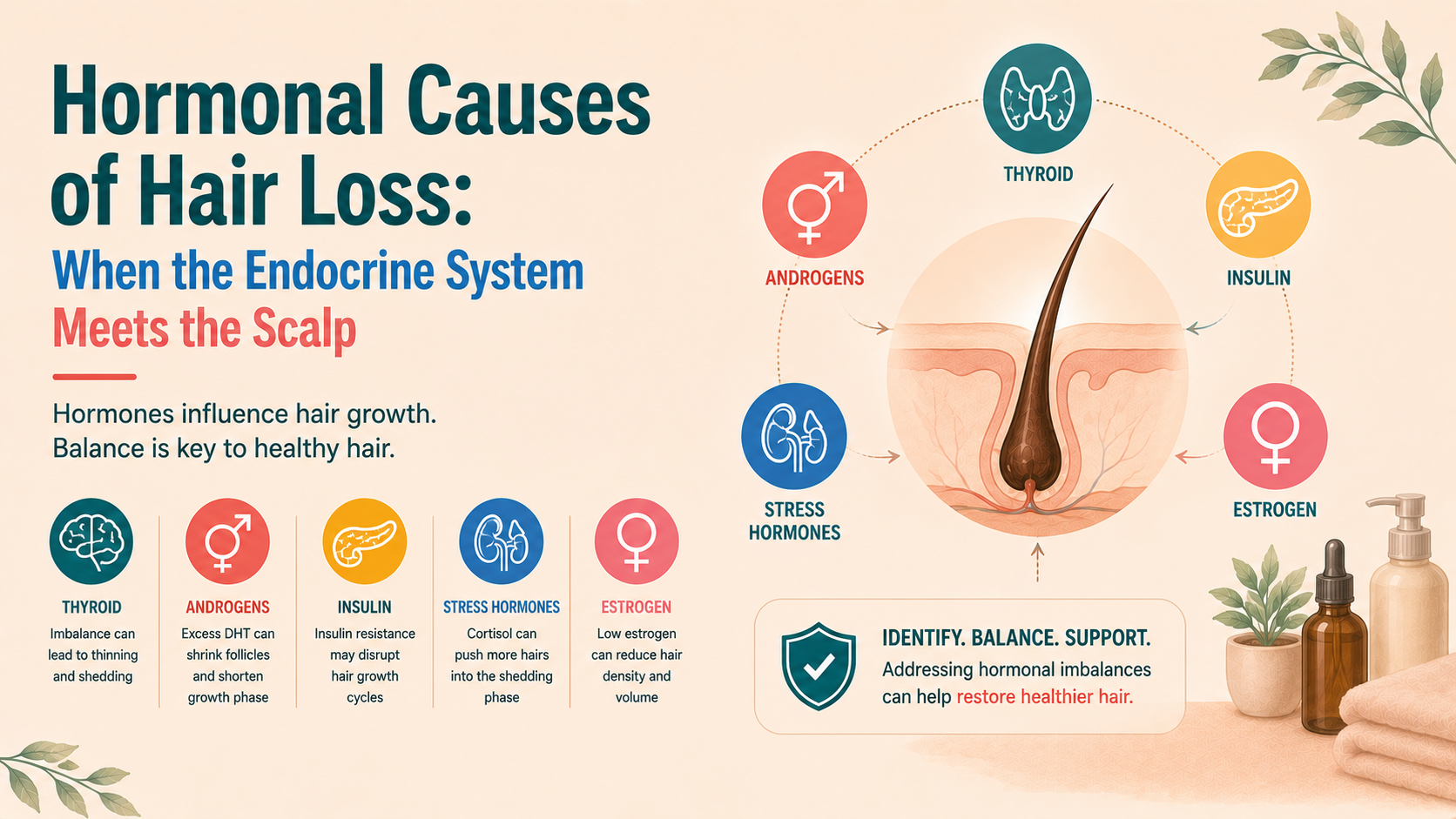
DHT stands for dihydrotestosterone. It belongs to the androgen family, which also includes testosterone. Androgens are present in people of all sexes, although levels and patterns of production differ.
The enzyme 5-alpha reductase converts testosterone into DHT. Type I and type II are the forms most relevant to the medicines discussed in hair loss care. Their distribution differs between tissues.
DHT activates the androgen receptor strongly. In my video, I describe it as a local amplifier of androgen signalling. That image helps explain why measuring a hormone in the blood does not give a complete account of what is happening inside a particular follicle.
DHT has a major role in the development of typical male external genitalia before birth. It also contributes to androgen-dependent changes around puberty, including facial hair and prostate development.
Observations in people born with type II 5-alpha reductase deficiency helped establish those roles. They also helped researchers understand the relationship between DHT, prostate growth and male pattern baldness.
However, a lifelong genetic condition is not the same experiment as starting a medicine in adulthood. Developmental differences and adaptation make direct comparisons unreliable. It cannot be used to prove that a drug will have no side effects.
In adulthood, testosterone continues to support many functions, while DHT remains active in tissues including skin and prostate. Calling DHT less central to some adult functions is not the same as saying it has no function.
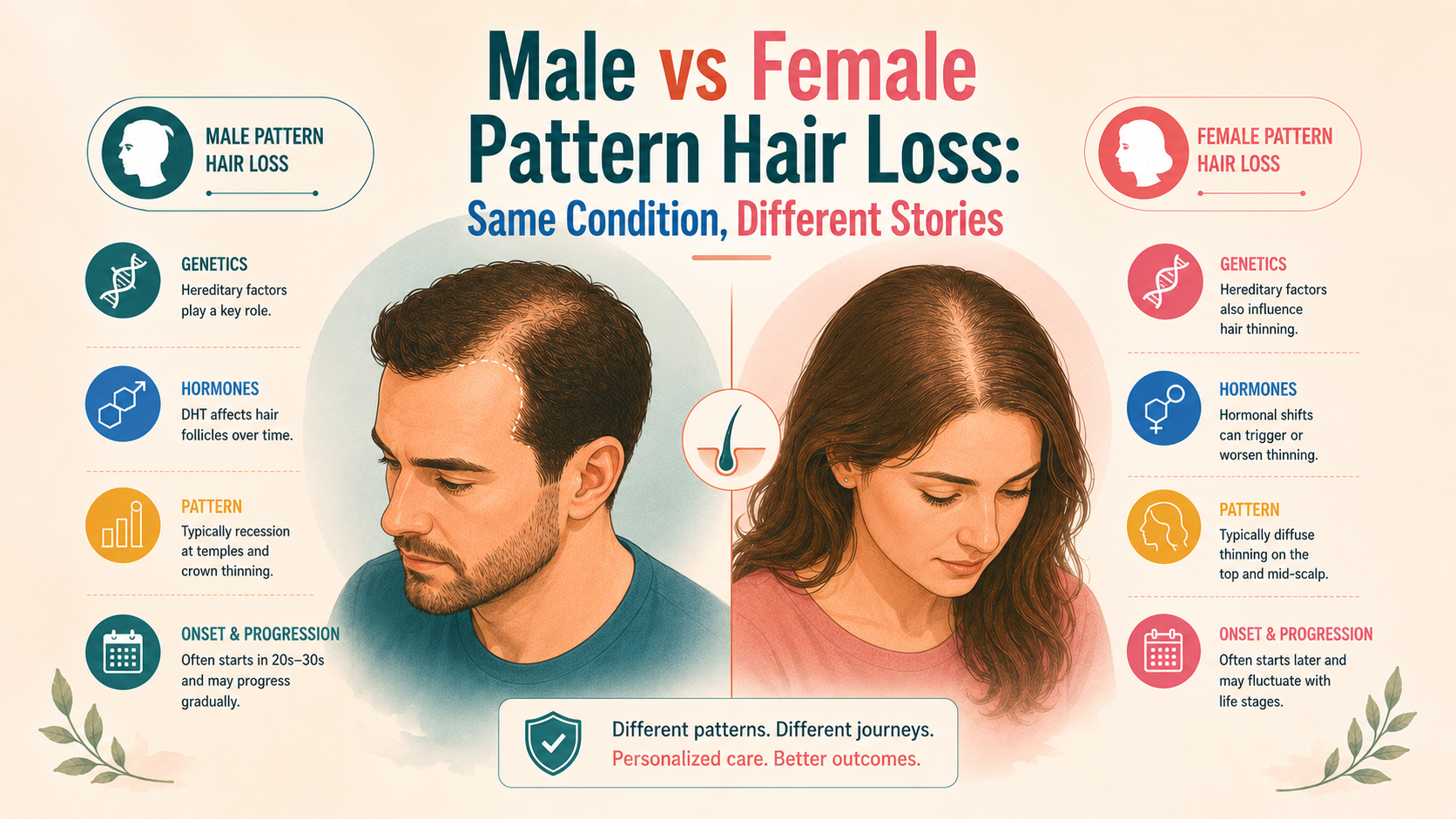
A follicle responds according to its location and biology. Androgens can promote thicker hair in the beard while contributing to smaller follicles in susceptible areas of the scalp. The signal is similar; the response differs.
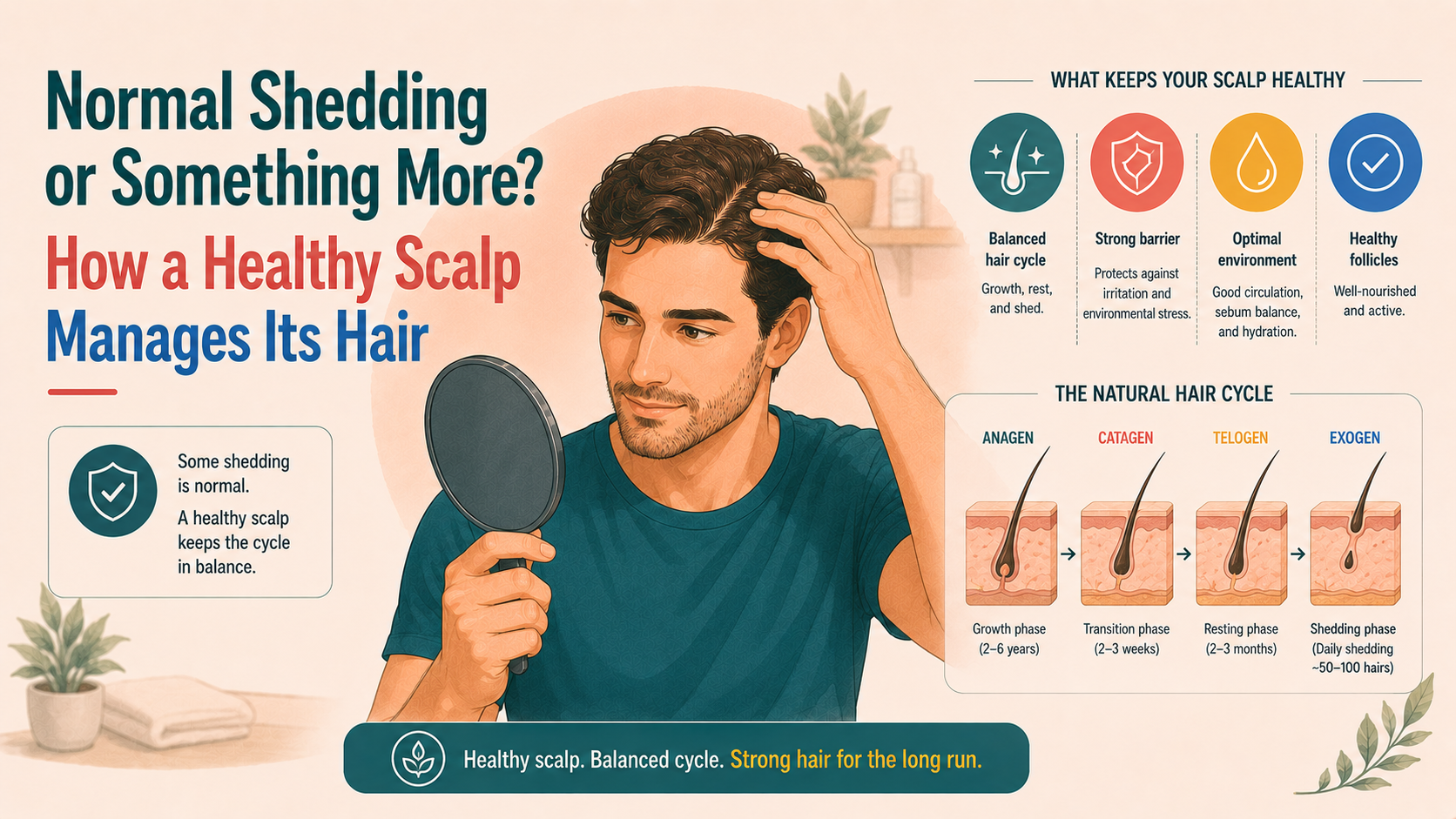
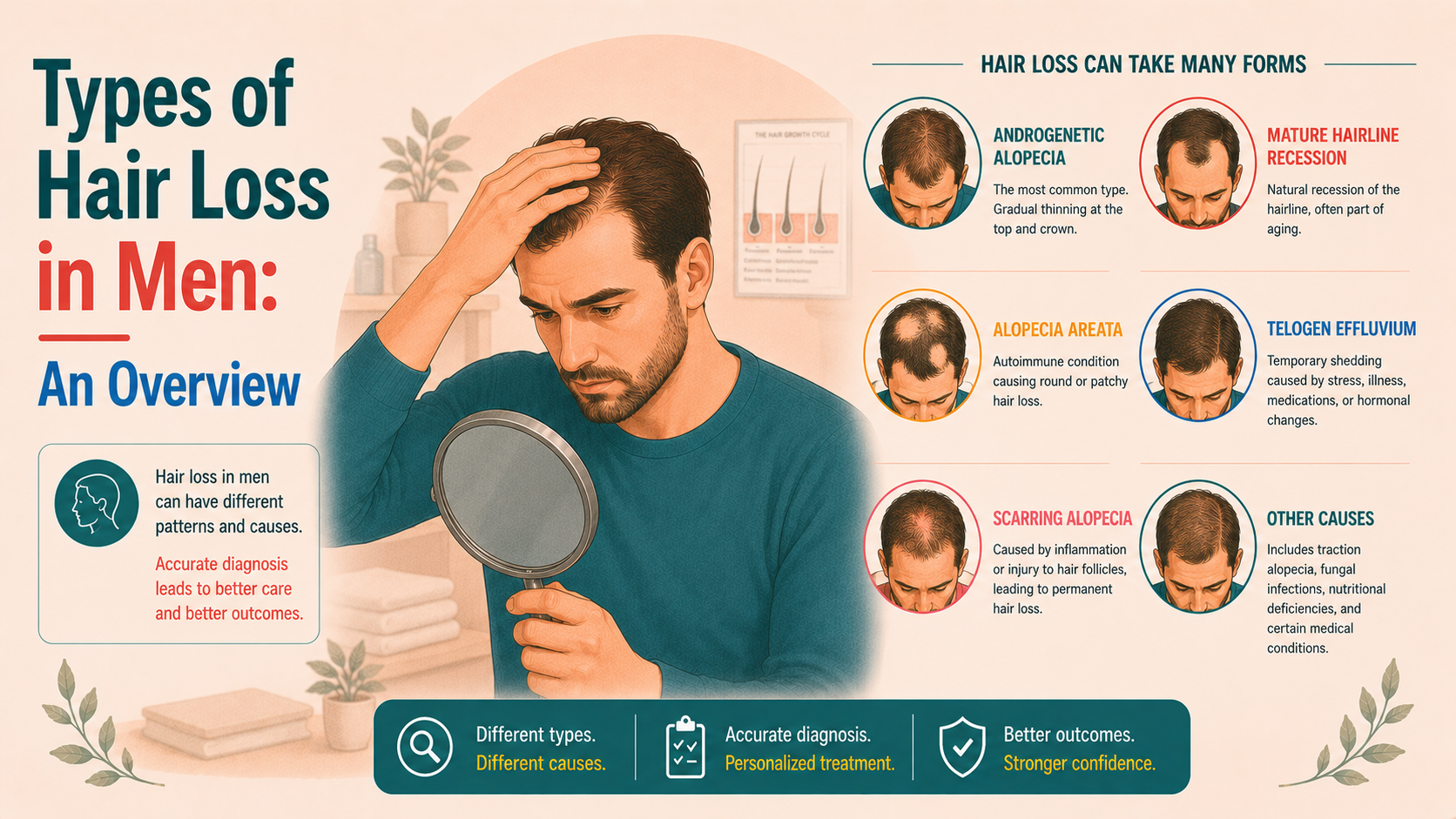
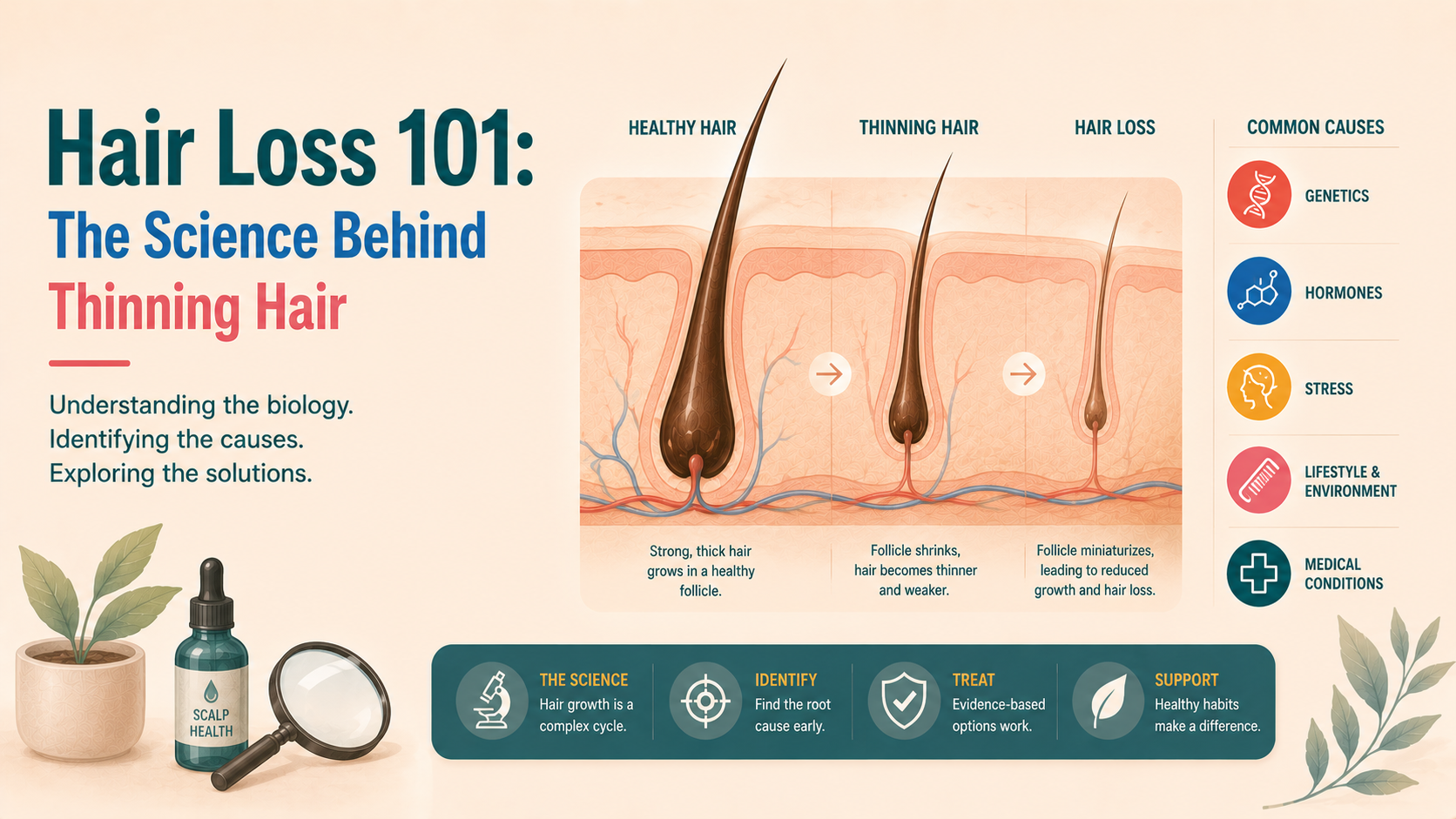
In male pattern hair loss, affected follicles gradually produce finer hairs and spend less time in active growth. This miniaturisation reduces coverage over successive cycles. It does not usually involve a whole area of follicles suddenly dying overnight.
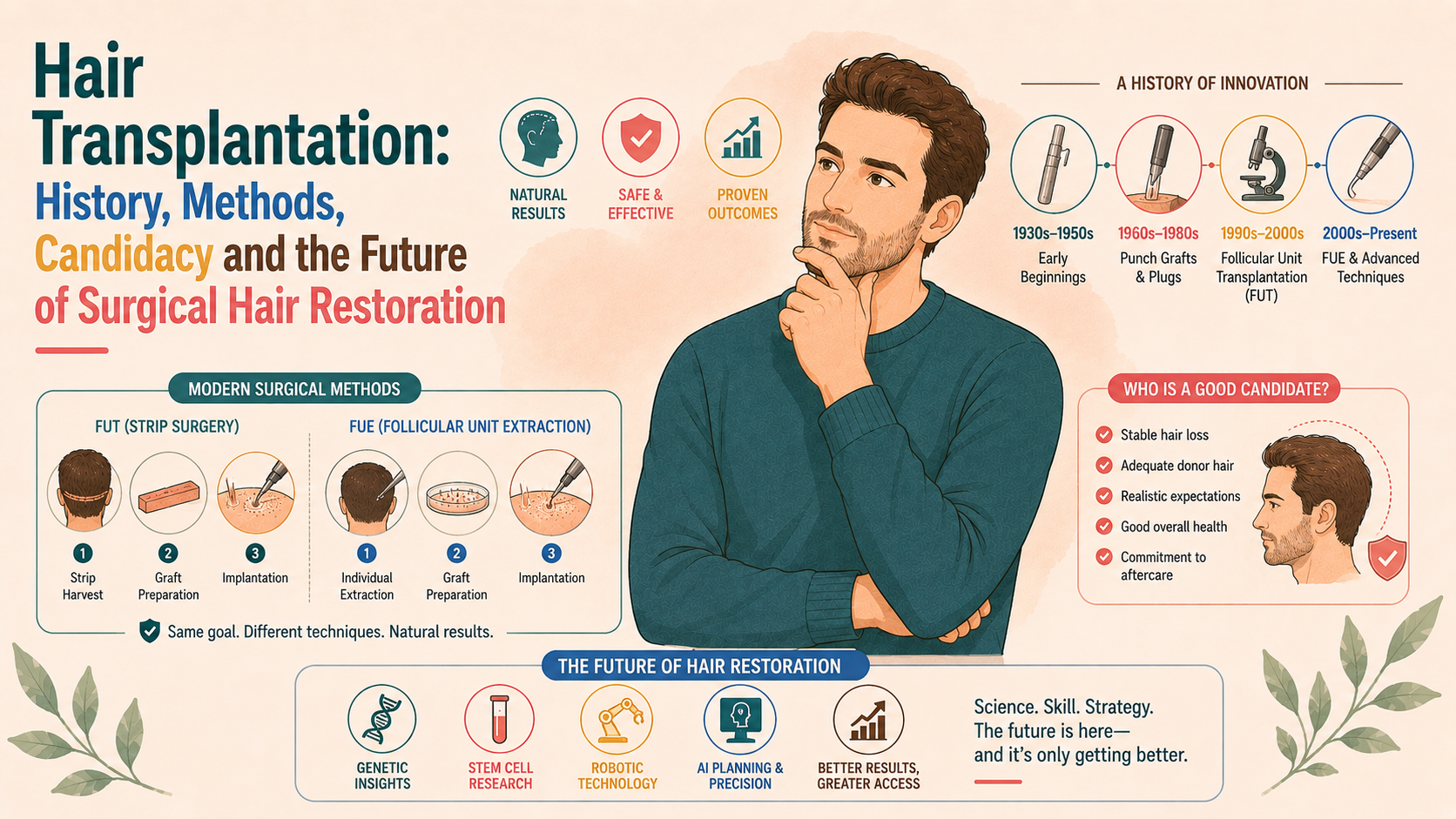
Hair at the back and sides is often more resistant than hair at the front and crown. That helps explain the familiar pattern and the principle behind transplantation. The resistance is relative, however, so a donor area still needs proper assessment.
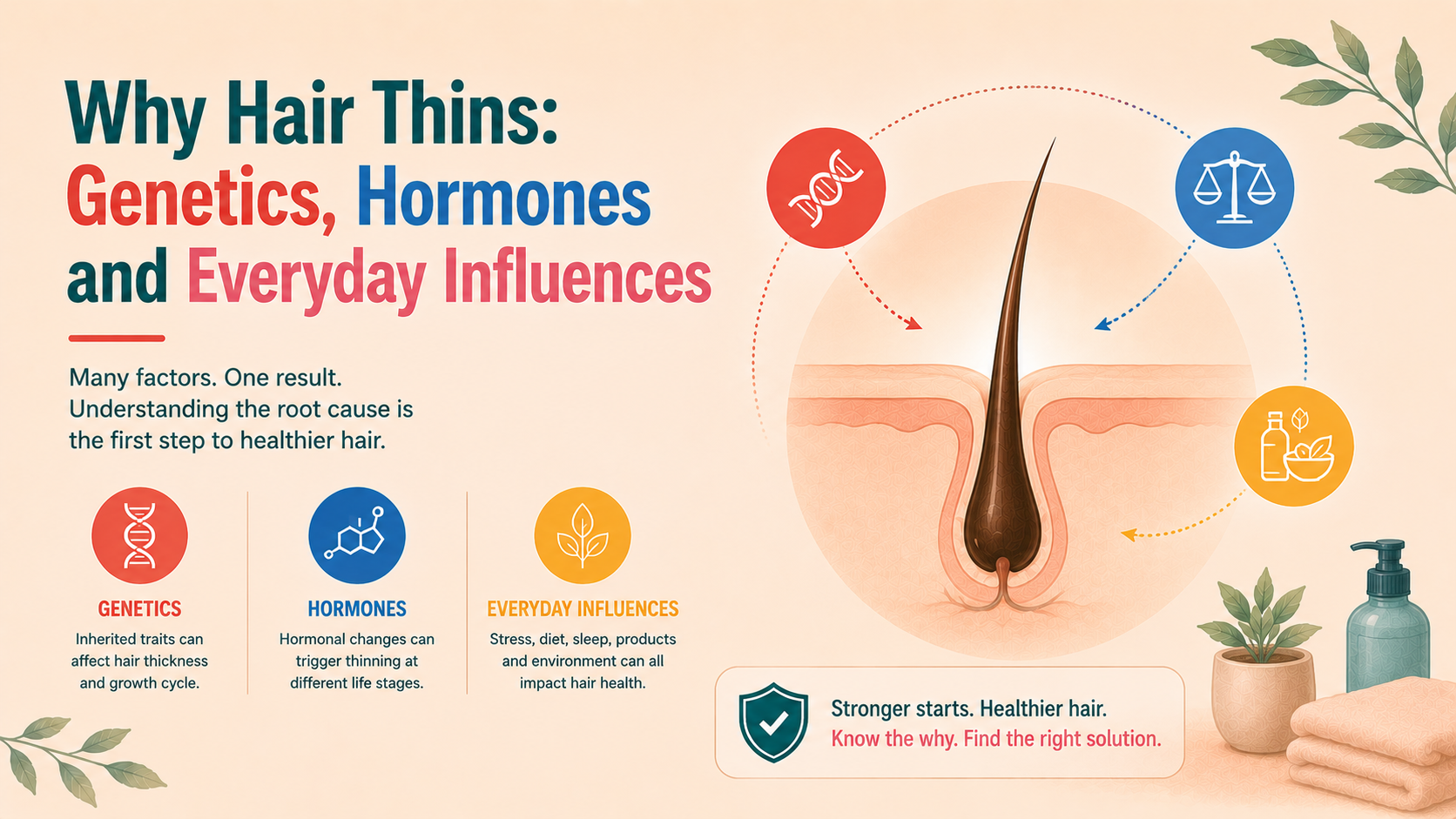
People can develop pattern hair loss with hormone levels inside the usual range. Their follicles’ response matters, not just the amount of hormone circulating.
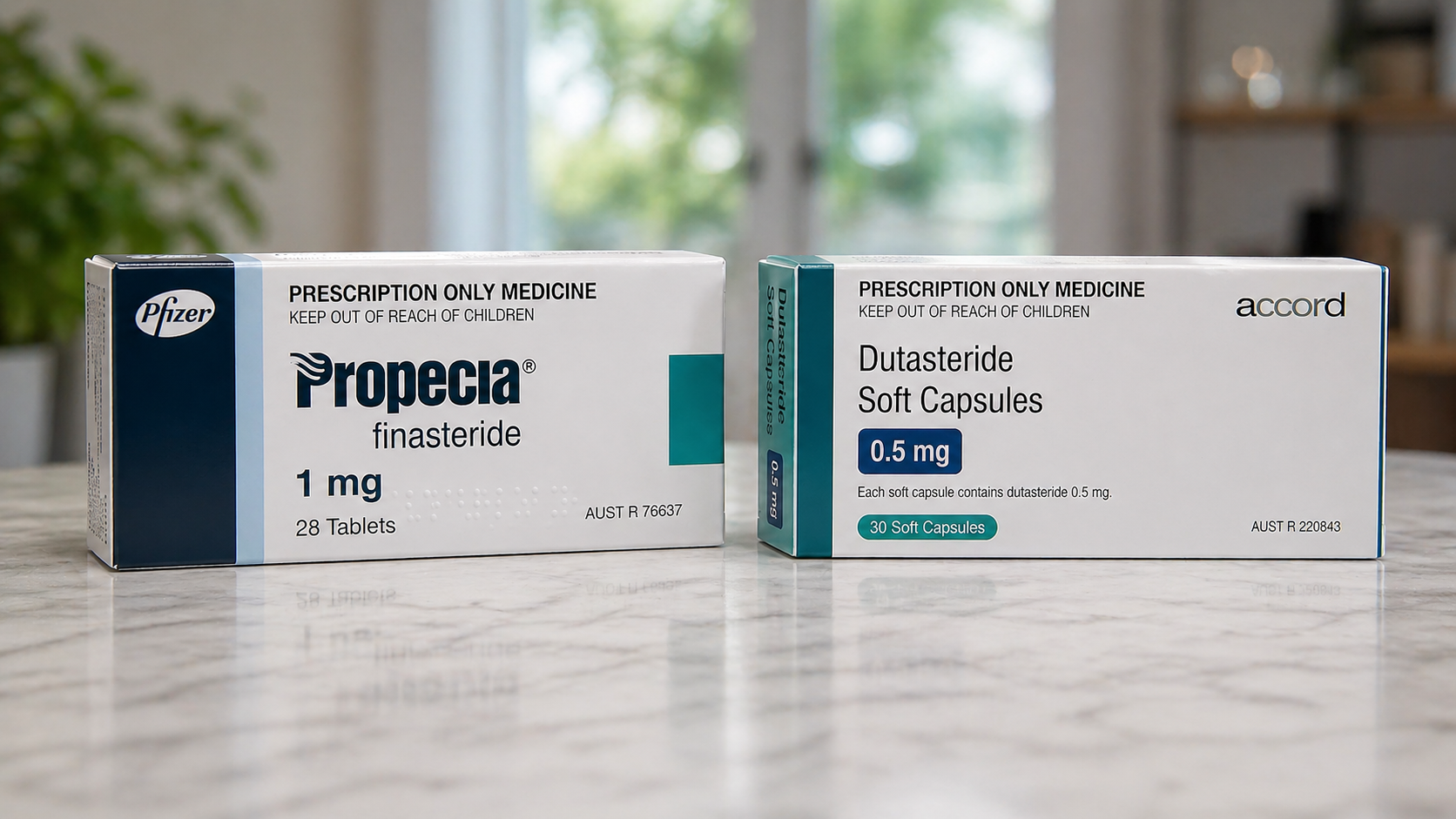
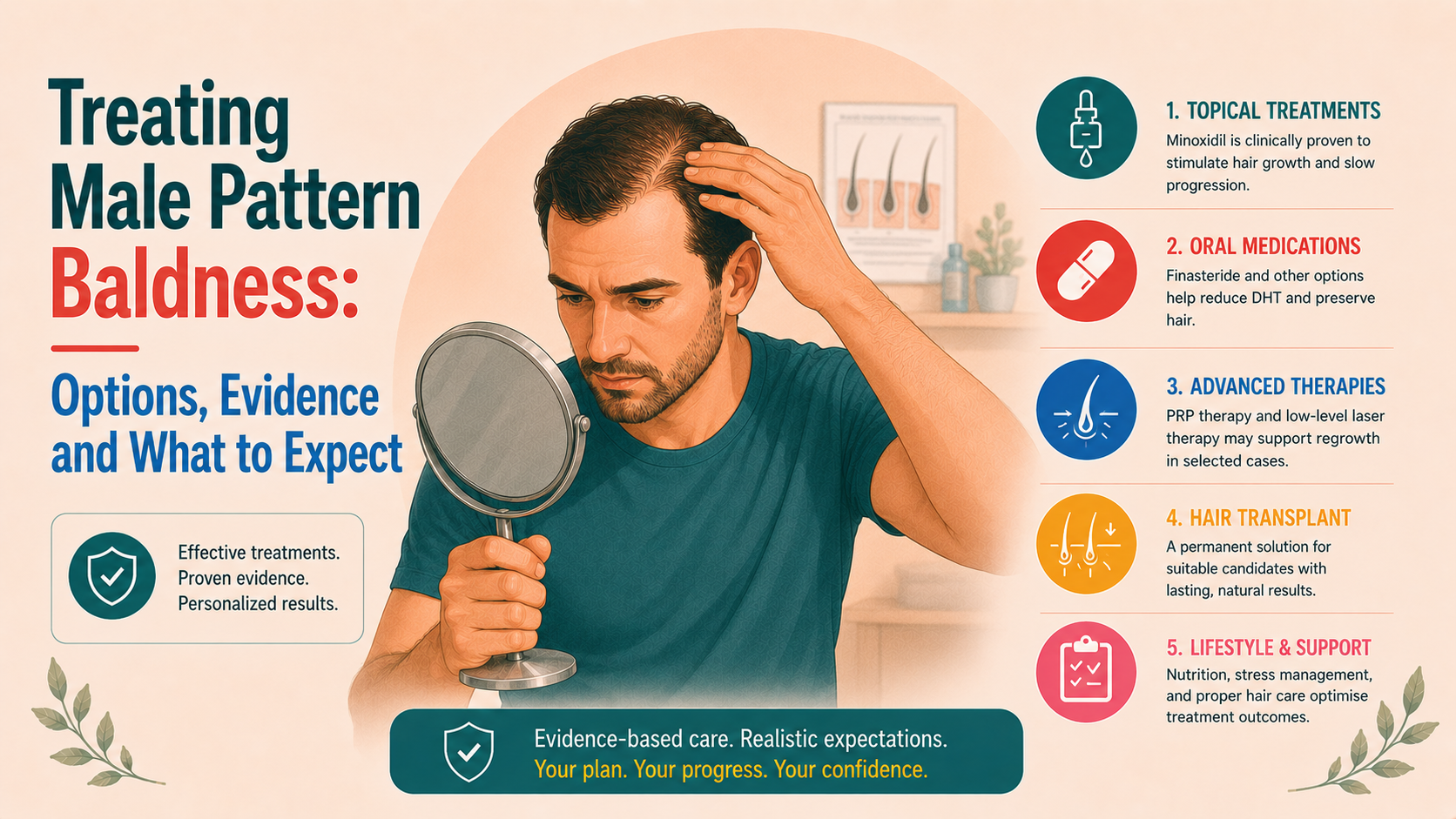
Finasteride and dutasteride inhibit 5-alpha reductase and reduce the formation of DHT. They do not remove testosterone from the body or block every androgen action.
The rationale is supported by clinical trials: these medicines can improve hair measures compared with placebo in men with pattern hair loss. Finasteride has an established role; dutasteride suppresses DHT more strongly and often performs better in shorter comparative studies, but its licensing and use vary by country.
The aim is to reduce a signal contributing to miniaturisation in susceptible follicles. That may preserve hair and allow some thickening. It does not guarantee restoration of a previous hairline, and greater hormone suppression is not automatically the best choice for every person.
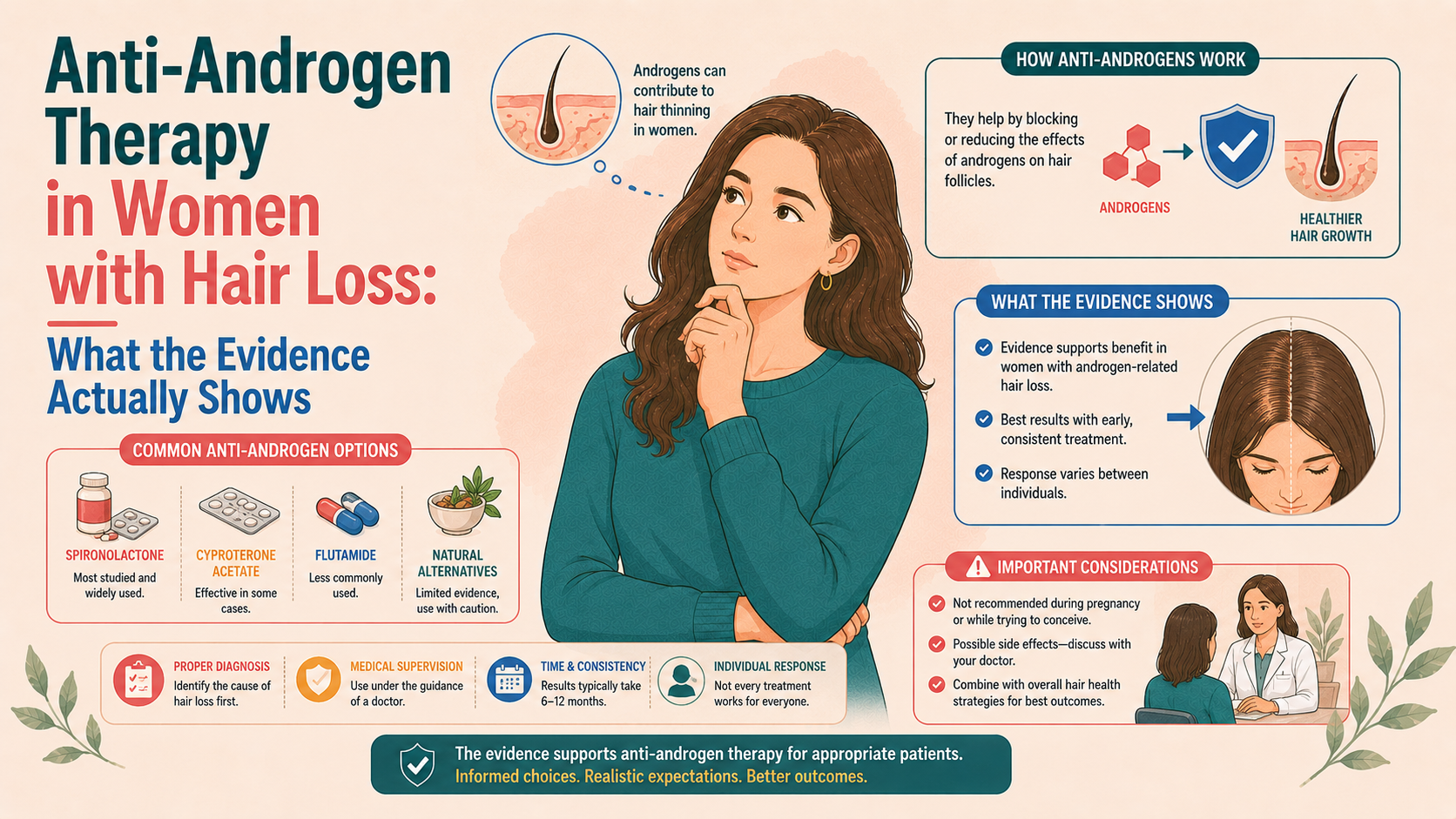
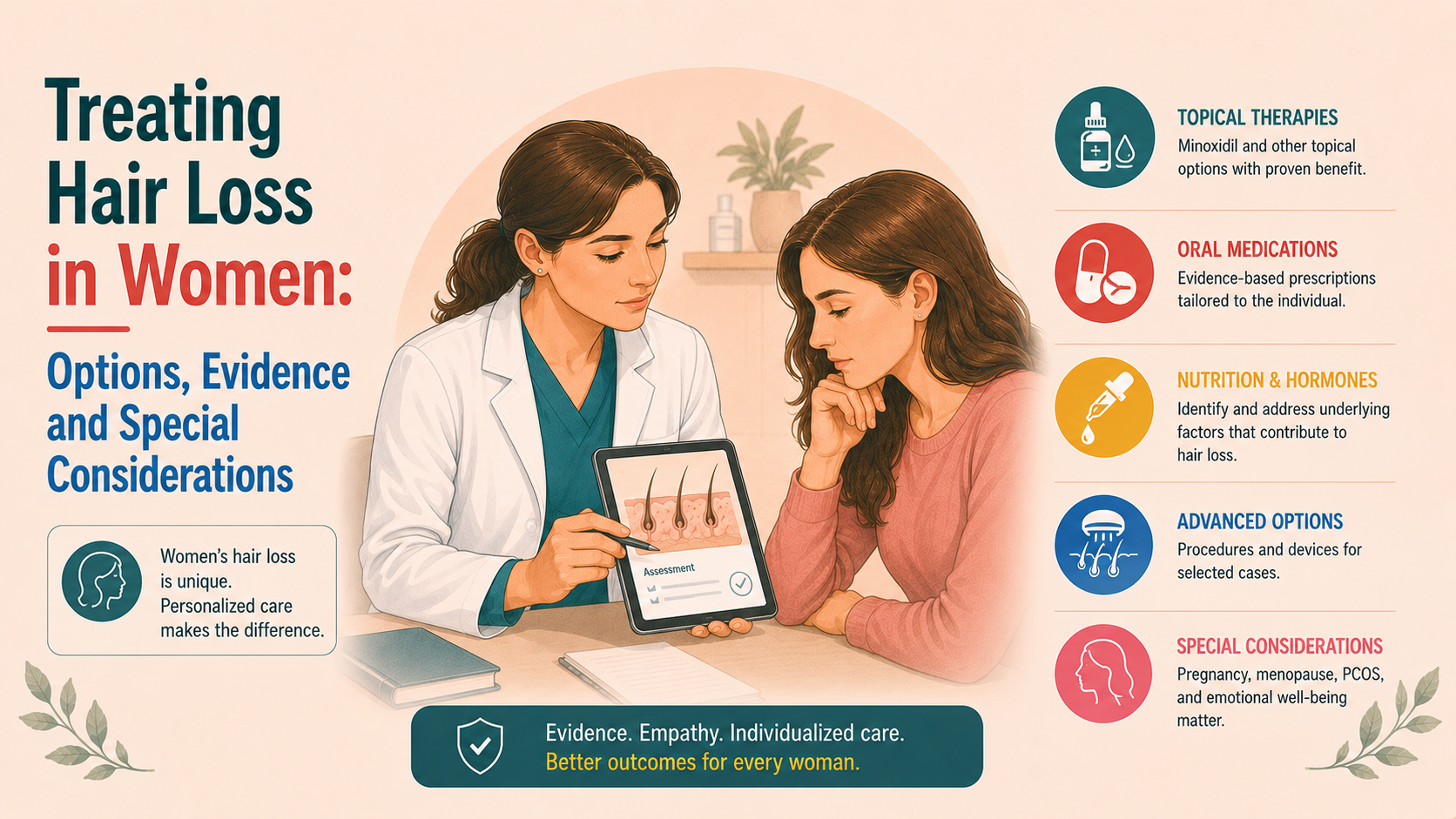
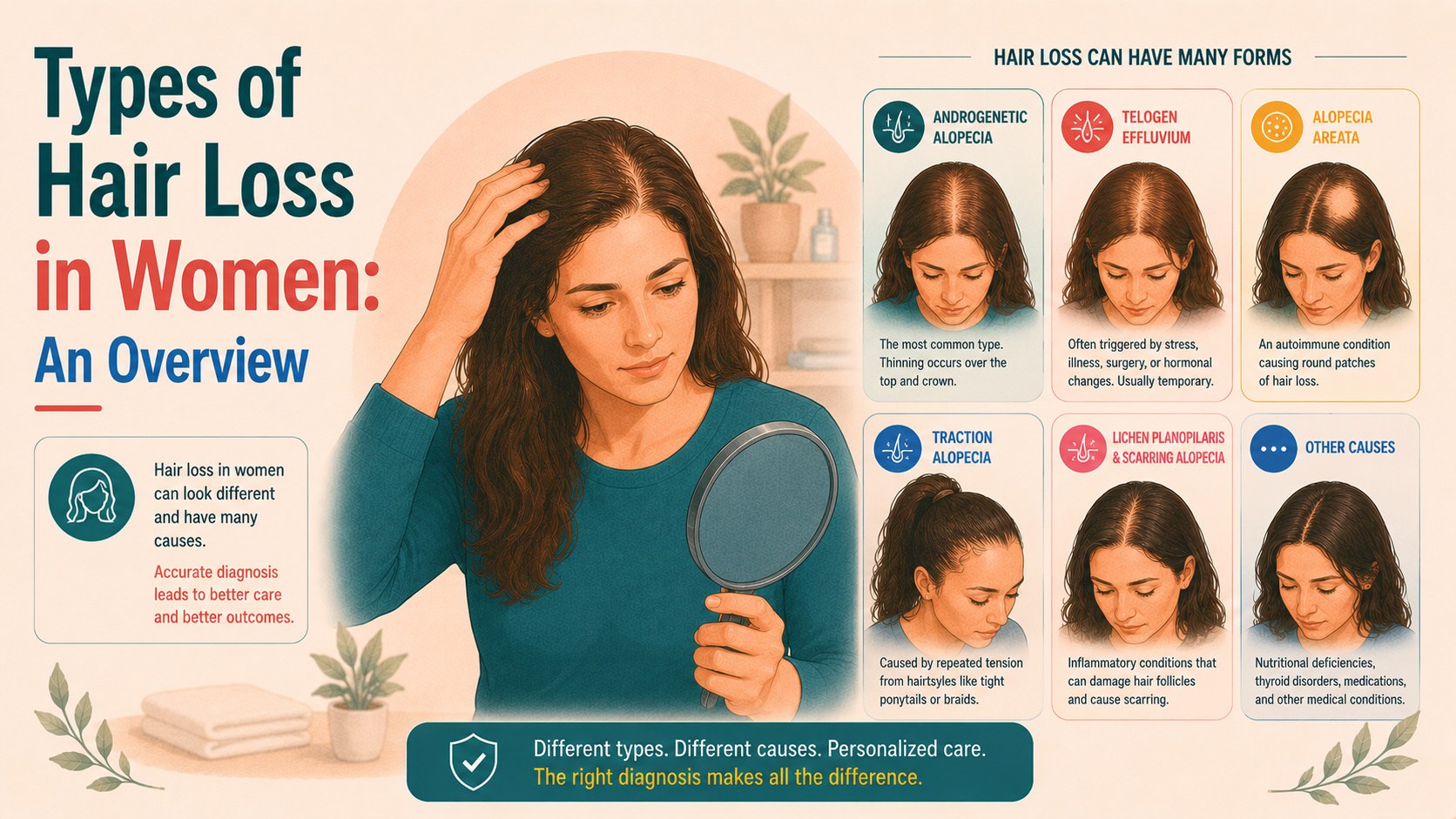
Androgens can contribute to hair changes in women, particularly when there are signs of androgen excess. Scalp thinning alongside irregular periods, increased facial hair or acne may justify a broader assessment.
Many women with female pattern hair loss have normal androgen levels, and the biology is not fully explained by the male model. Local follicular responses matter, but androgen-independent mechanisms may also contribute. It would be too confident to attribute every case to hidden DHT sensitivity.
Normal blood tests therefore do not make visible thinning imaginary or eliminate the need to examine the scalp. Equally, hair thinning alone does not establish polyendocrine metabolic ovarian syndrome (PMOS), previously called PCOS, or another endocrine diagnosis.
Hormone-modifying treatment in women needs particular attention to reproductive plans, suitability and the strength of the evidence. It should not be borrowed from a man’s regimen simply because the medicines act on DHT.
A plausible mechanism cannot tell you how likely a side effect is. That requires clinical studies, prescribing information and ongoing safety monitoring. Sexual side effects and mood changes need an honest discussion, including reports of symptoms persisting after treatment has stopped.
Current UK and European safety information includes psychiatric warnings for these medicines. The frequency of suicidal ideation with finasteride tablets cannot be estimated from the available data; describing it casually as “rare” would imply a certainty that is not available.
If depression or suicidal thoughts develop while taking finasteride 1 mg, current UK advice is to stop taking it and contact a doctor promptly. People taking finasteride 5 mg or dutasteride should contact their doctor as soon as possible about mood changes. Seek emergency help if there is an immediate risk of harm.
I cover treatment benefits and risks in more detail in the finasteride and dutasteride article. Understanding DHT should make that discussion clearer, not make the decision for you.